Master the physical properties of ceramic and clay containers to optimize plant root health, moisture retention, and seasonal durability in your indoor or outdoor garden spaces.
Key Takeaway:
Selecting between ceramic and clay containers depends heavily on moisture management needs, as porous clay breathes while glazed ceramic locks in hydration for thirsty tropical specimens.
Quick-Reference Pottery Comparison Guide
| Comparison Factor | Unglazed Clay Pot | Glazed Ceramic Pot |
|---|---|---|
| Material Porosity | High porosity allowing rapid moisture evaporation | Zero porosity due to impervious glass-like glaze |
| Weight Profile | Light to moderate depending on wall thickness | Significantly heavier due to dense stoneware body |
| Thermal Regulation | Cools roots via evaporative cooling physics | Absorbs and retains ambient thermal energy longer |
| Weather Resistance | Vulnerable to cracking during deep freezing cycles | Typically frost-resistant if fired at high temperatures |
| Best Plant Match | Succulents, cacti, and moisture-sensitive species | Ferns, peace lilies, and high-moisture tropicals |
| Aesthetic Finish | Natural matte earthy tones with mineral patinas | Endless glossy or matte colored decorative glazes |
Fundamental Differences in Pottery Composition
Understanding the foundational makeup of fired earthenware helps gardeners make informed container selections based on structural integrity, raw materials, manufacturing techniques, and daily functional performance across different growing environments.
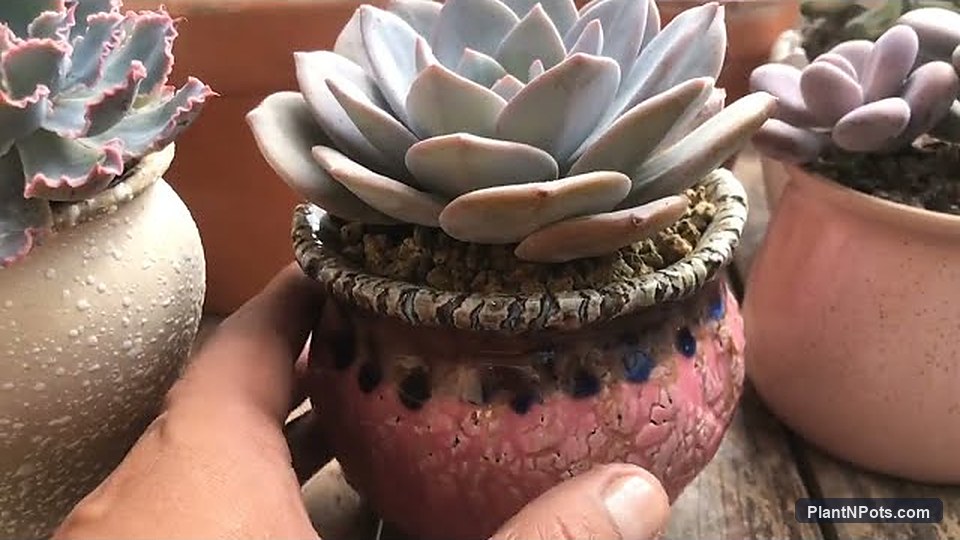
Traditional clay pots consist of porous earthenware baked at lower kiln temperatures, while ceramics often utilize denser stoneware or porcelain materials fired under intense heat until fully vitrified.
Traditional clay vessels feature unrefined earthenware baked at lower temperatures, typically between 1,000 and 1,150 degrees Celsius. This preserves microscopic capillaries that allow continuous airflow throughout the soil profile.
Conversely, modern ceramic options utilize dense stoneware or porcelain fired past 1,200 degrees Celsius with a non-porous glaze coating. This vitrification process eliminates air exchange entirely, locking in internal moisture for extended periods.
- Unglazed clay features an open network of microscopic capillary pores throughout its body.
- Ceramic manufacturing involves coating dense clay bodies with liquid glass formulations before firing.
- Raw clay origins dictate the natural reddish, buff, or brown earthy coloration of terra cotta.
The Low-Fire Terracotta Earthware Process
Makers shape natural iron-rich earth into functional vessels before curing them in kilns operating around 1000 degrees Celsius, preserving a highly porous matrix that absorbs ambient moisture readily.
Finding the ideal best indoor planter for palm tree options involves matching this breathable porous matrix with your specific room humidity and daily watering routines.
- Low-fire baking preserves microscopic air channels inside container walls.
- Permeable earthenware surfaces develop characteristic white mineral efflorescence over time.
Porosity, Moisture Retention, and Root Health
The presence or absence of microscopic pores fundamentally dictates how water moves through container walls, directly influencing irrigation schedules and the overall vitality of root systems over time.
Porous clay vessels permit continuous evaporation through their sides, which rapidly dries out internal potting mixes and protects susceptible plants from dangerous root rot conditions.
Raw terracotta allows rapid moisture evaporation across all exterior walls, creating a natural drying buffer that prevents overwatering. Gardeners must adjust watering schedules upward to compensate for this accelerated daily water loss.
Glazed ceramic pots retain internal moisture significantly longer, requiring reduced watering frequencies. However, this lack of evaporation can cause root rot pathologies if drainage holes are obstructed or soil mix lacks aeration.
- Clay walls act as natural moisture regulators by transpiring excess water outward.
- Glazed ceramic containers eliminate wall evaporation, forcing all moisture loss through surface drainage.
- Overwatering risks drop significantly when utilizing breathable unglazed clay planters outdoors.
Managing Drought-Prone Species in Porous Containers
Desert natives like cacti and succulents thrive inside breathable clay because the surrounding soil dries evenly from all directions, mimicking native arid environments successfully.
Gardeners must adjust standard watering frequencies upward when housing moisture-loving tropicals in porous clay to prevent dehydration during warm summer growing seasons.
- Succulents experience reduced fungal root diseases in fast-drying clay pots.
- Frequent monitoring prevents underwatering stress in porous terracotta containers.
Video Walkthrough: Terracotta or Ceramic: Which is Better for Succulents? #Succulents #CareTips #Terracotta #Ceramic
Thermal Regulation and Soil Temperature Dynamics
Container walls absorb solar radiation differently depending on glaze reflectivity and material density, creating distinct thermal environments that impact root metabolism during extreme weather shifts.
Unglazed clay utilizes evaporative cooling physics to drop internal soil temperatures when ambient air is dry, shielding sensitive root systems from excessive heat stress.
Unglazed clay provides superior thermal regulation through evaporative cooling, protecting sensitive root systems from extreme midday heatwaves during peak summer growing seasons outdoors. Soil temperatures remain notably stable despite intense solar radiation exposure.
Dense ceramic containers absorb and trap ambient thermal energy directly within the heavy walls. This can cause rapid soil warming, which stresses cold-hardy perennials but benefits tropical species that thrive in warm substrates.
- Evaporation through clay walls naturally lowers internal potting soil temperatures.
- Dark glazed ceramics can absorb intense solar heat, potentially warming root zones rapidly.
- Thermal stability protects delicate feeder roots from sudden seasonal temperature spikes.
Winter Freezing and Thermal Shock Risks
Porous clay absorbs ambient moisture that expands during freezing temperatures, frequently causing structural cracking unless pots are brought indoors or emptied before winter arrives.
High-fire ceramics withstand moderate frost better, though trapped water in unglazed drainage holes can still trigger unexpected breakage during hard winter freezes.
- Always store unglazed earthenware indoors before sub-zero winter temperatures arrive.
- Elevate outdoor ceramic containers on pot feet to prevent bottom freezing.
Weight Profiles, Stability, and Physical Durability
Physical heft plays a vital role when positioning large botanical specimens, as heavy planters resist tipping while lightweight options simplify seasonal indoor relocation tasks safely.
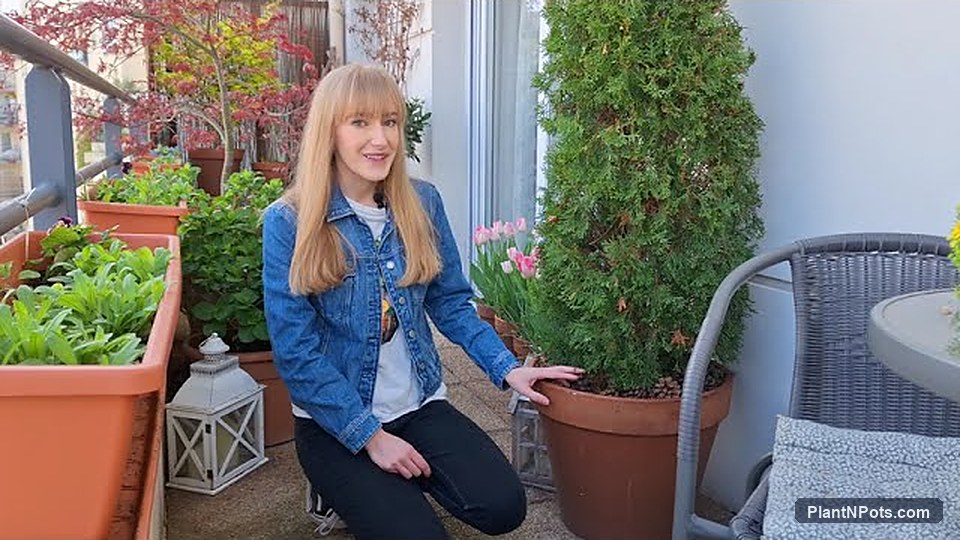
Stoneware ceramics feature dense, heavy bodies that anchor top-heavy small trees or sprawling shrubs against strong outdoor winds without requiring extra ballast materials.
Choosing the right clay vessels using our best clay pots selection requires carefully balancing root breathability with severe climate constraints to prevent unexpected winter cracking.
High-fired ceramics provide outstanding structural durability against freezing temperatures due to absolute water impermeability. Their polished surfaces resist salt accumulation, though thick walls still demand careful handling to prevent chipping corners.
- Heavy ceramic pots provide exceptional balance for tall indoor specimen plants.
- Lightweight clay pots offer easy maneuverability for frequent gardening layout adjustments.
- Thick-walled ceramics resist accidental chipping during routine indoor cleaning routines.
Assessing Structural Longevity Across Materials
Vitrified ceramic pottery resists chemical degradation and mineral buildup, maintaining its structural integrity and decorative appeal across decades of continuous indoor cultivation.
Untreated clay slowly degrades under constant moisture exposure, developing surface flaking or structural weakening after years of heavy horticultural use.
- Vitrified ceramic glazes prevent water absorption and internal structural decay.
- Clay pots may require replacement after years of heavy mineral salt saturation.
Aesthetic Flexibility and Interior Styling Adaptability
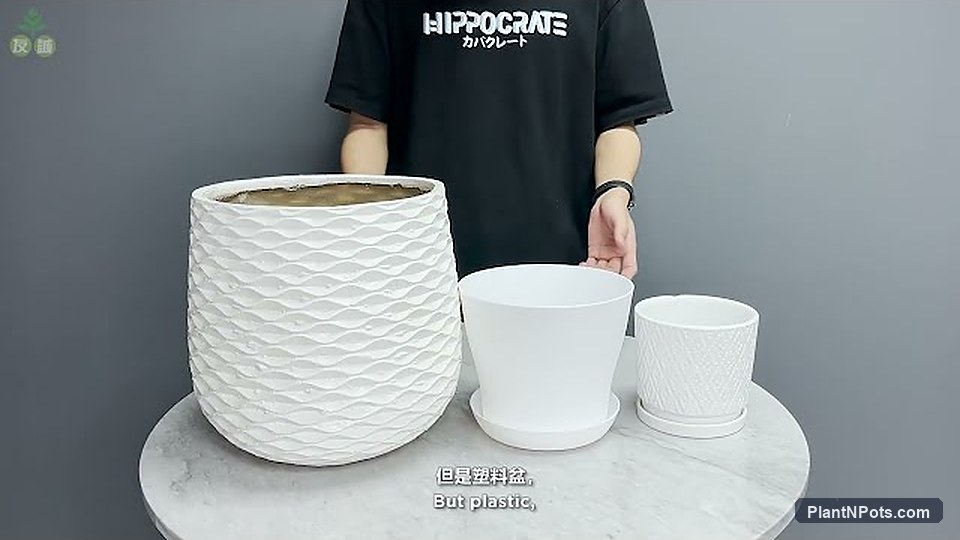
Visual appeal drives many container selections, as pots serve as permanent decorative elements that complement interior home design themes and outdoor garden landscape aesthetics.
Glazed ceramics offer boundless artistic possibilities through vibrant color palettes, metallic sheens, and textured surface finishes that elevate contemporary living spaces effortlessly.
Unglazed clay delivers an organic, matte aesthetic that develops a charming white mineral patina over years of regular watering. This rustic finish complements Mediterranean, desert, and minimalist interior design schemes effortlessly.
Ceramic containers offer boundless design versatility through vibrant reactive glazes, metallic sheens, and varied geometric textures. Homeowners can easily match specific interior palettes ranging from Scandinavian neutrals to vibrant bohemian maximalism.
- Ceramics provide glossy, matte, or crackle glazes tailored to modern decor.
- Clay offers classic, understated earth tones that develop charming natural patina.
- Matching pot aesthetics with plant foliage creates cohesive botanical display focal points.
Embracing Natural Patinas on Unglazed Earthenware
Over time, unglazed clay absorbs soluble fertilizer salts and mineral deposits, developing a rustic white or greenish surface patina treasured by traditional gardeners.
Hobbyists can clean stubborn mineral crusts using a stiff brush and a mild water-vinegar solution if a pristine traditional terra cotta appearance is desired.
- Mineral crusts create an antique rustic look on older clay pots.
- Vinegar scrubbing safely removes excess salt buildup from terracotta surfaces.
Video Walkthrough: Terracotta dries 2-3 times faster
Matching Specific Plant Families to Container Types
Botanical selection dictates container requirements, ensuring that root architecture and moisture preferences align properly with the physical properties of the chosen pottery material.
Epiphytes and bog plants suffer in porous clay due to rapid moisture loss, whereas desert species thrive when paired with breathable earthenware vessels.
Succulents, cacti, and orchids thrive inside unglazed clay containers because their specialized root systems demand rapid drying cycles and optimal oxygenation. Trapped moisture frequently proves fatal for these arid and epiphytic plant varieties.
Ferns, calatheas, and tropical foliage prefer the consistent soil moisture provided by glazed ceramic vessels. These moisture-loving specimens flourish when hydration levels remain stable without suffering from sudden substrate desiccation.
- Pair ferns and calatheas with moisture-retaining glazed ceramic containers.
- Grow succulents and herbs in fast-draining terracotta clay pots.
- Match orchid root systems with specialized slotted pots rather than dense ceramics.
Houseplant Root Adaptations in Containers
Plants grown in glazed containers require coarser soil mixes with excellent drainage to compensate for reduced airflow through the non-porous vessel walls.
Earthenware cultivation allows finer organic potting mixes because the rapid evaporative capacity prevents prolonged saturation around delicate root tips.
- Non-porous pots demand chunky, well-aerated soil amendments.
- Breathable pots tolerate slightly denser moisture-retentive potting media safely.
Maintenance, Cleaning, and Long-Term Preservation
Proper sanitation prevents pathogen transfer between plantings, ensuring that reused containers remain free of harmful fungi, bacteria, and residual mineral salts.
Routine maintenance routines differ between materials, requiring gentle care for delicate earthenware and straightforward washing for resilient glazed ceramic items.
Terracotta requires annual scrubbing with a stiff brush and mild vinegar solution to eliminate stubborn calcium deposits and fungal spores. Submerging empty pots in water before planting prevents dry walls from stealing moisture.
Smooth ceramic surfaces need only simple wiping with a damp microfiber cloth to remove surface dust and maintain glossy sheens. Avoid harsh abrasive pads that can scratch delicate protective glaze layers permanently.
- Soak used clay pots in a mild bleach solution to eliminate lingering pathogens.
- Wipe smooth ceramic surfaces with warm soapy water during repotting cycles.
- Inspect drainage holes regularly to prevent root blockage and waterlogging.
Sanitizing Porous Surfaces Before New Plantings
Because porous clay absorbs organic residues and microscopic spores, thorough disinfection is mandatory before introducing new seedlings or delicate root systems.
Submerging cleaned pots in a diluted hydrogen peroxide solution effectively oxidizes hidden pathogens without damaging the structural clay matrix.
- Hydrogen peroxide provides eco-friendly pathogen eradication for porous pots.
- Rinse sterilized containers thoroughly before adding fresh potting soil.
Frequently Asked Questions
Do clay pots dry out soil faster than ceramic pots?
Yes, unglazed clay features microscopic pores that allow continuous water evaporation through the container walls. This property reduces overwatering risks for drought-tolerant plants like succulents.
Can ceramic pots crack during winter frost?
Low-fire ceramics and glazed pots with trapped moisture can crack when temperatures drop below freezing. High-fire stoneware withstands freezing much better if kept dry.
Which material is better for indoor tropical houseplants?
Glazed ceramic pots work exceptionally well for tropical houseplants because they retain essential soil moisture longer. This prevents rapid dehydration in indoor environments with dry heating.
How do I remove white mineral buildup from clay pots?
Scrub the exterior surface with a stiff brush and a mixture of water and white vinegar. This safely dissolves stubborn mineral salts left behind by hard irrigation water.
Are ceramic pots heavier than clay pots?
Glazed ceramics are generally much heavier and denser than standard terracotta pots. This extra weight provides excellent stability for tall, top-heavy indoor specimen plants.

