Finding the best well draining cactus soil is essential for keeping desert-adapted greenery thriving in indoor pots and outdoor containers. Succulents, aloes, and cacti naturally store water in their leaves and stems, meaning they are prone to root rot if they sit in heavy, moisture-retaining earth. Specially formulated mixes incorporate coarse components like pine bark, perlite, pumice, and volcanic rock to create large air spaces that let excess moisture escape quickly.
When shopping for the best well draining cactus soil, you will encounter various ready-to-use blends, amendment rocks, and bundles featuring liquid fertilizers. Selecting the right option depends on your specific container sizes, the types of plants you cultivate, and whether you prefer organic matter like peat or inorganic materials like calcined clay. Reviewing the available attributes helps you match a specific soil texture to your routine watering habits and indoor environment.
The product shortlist

Professional Aloe Plant Soil Mix Large 2.2 Quarts Ready
This professional aloe plant soil mix comes in a large 2.2-quart ready-to-use format, packaged as a convenient pack of two. It features a fast-draining blend of pinebark, peat, and course sand, specifically engineered for indoor aloe vera, cactus, and succulent plants. The formulation utilizes domestic manufacturing to provide a balanced environment for plants needing quick moisture evacuation.
- Premium Potting Soil for Aloe Vera Cactus Succulent Plants
- Fast Draining Blend Pinebark Peat Course Sand Indoor Made in USA (Pack of 2)
Indoor aloe and succulent pots
View on Amazon (opens in a new tab)
Check current details and price
Read the detailed assessment
What stands out
- Prepared as a ready-to-use blend right out of the bag for immediate indoor potting tasks.
- Incorporates coarse sand and pinebark to promote rapid drainage in standard houseplant containers.
- Supplied in a two-pack quantity to provide enough volume for multiple indoor plant setups.
What to consider
- The 2.2-quart size per bag may require purchasing multiple packs if you are repotting several large indoor plants simultaneously.
- Containing peat and pinebark means the organic components will naturally decompose over extended periods, requiring future soil refreshes.
The practical verdict
This ready-to-use blend is best for hobbyists potting multiple aloe vera or succulent plants indoors who want a pre-mixed combination of pinebark, peat, and coarse sand. Avoid it if you need massive bulk quantities for extensive outdoor garden beds rather than indoor pots. The main trade-off is the 2.2-quart dual-bag volume versus the need for frequent repotting supplies on larger projects.

Bonsai Soil All Purpose Mix | Fast Draining Pre
Designed by The Bonsai Supply, this all-purpose bonsai soil comes in a 2-quart pre-blended bag offered as a convenient two-pack. The mixture combines pumice, lava, calcined clay, and pine bark to create a fast-draining medium. This formulation provides structural stability and aeration, making it suitable for specialized container plants requiring precise moisture management.
- Fast Draining Pre Blend (2 Quart Bag) Plant
- Calcined Clay and Pine Bark ● Potting Pre Mixed Bonsai Plant Soil Mixture By The Bonsai Supply (Pack of 2)
Specialized bonsai and miniature plants
View on Amazon (opens in a new tab)
Check current details and price
Read the detailed assessment
What stands out
- Blends pumice, lava, and calcined clay for robust inorganic drainage and aeration.
- Pre-mixed formulation saves time when preparing pots for specialized container plants.
- Packaged as a dual-bag set to offer adequate material for multiple small bonsai arrangements.
What to consider
- The 2-quart volume per bag limits this mixture to smaller containers rather than large landscaping projects.
- Inorganic components like lava and calcined clay lack heavy nutrient retention, requiring supplemental feeding regimens.
The practical verdict
This pre-blended mix is best for enthusiasts cultivating bonsai or miniature container plants that demand exceptional root aeration. Avoid it if you prefer nutrient-dense organic soils that retain moisture for longer durations. The main trade-off is the high-drainage inorganic composition versus the need for regular supplemental plant nutrients.

5lb Hard Akadama Bonsai Soil 1/8-1/4 inch Small Grain
This 5-pound hard Akadama bonsai soil features small grains measuring one-eighth to one-fourth of an inch. Marketed as a soil amendment for cactus, succulents, and bonsai plants, it is designed to prevent over-watering while providing optimal water retention and fast drainage. The product arrives in a convenient pack of two bags for versatile garden use.
- Bonsai Plants Soil Amendment
- Prevent Over Water
- Provides Optimal Water Retention
Soil amendment and top dressing
View on Amazon (opens in a new tab)
Check current details and price
Read the detailed assessment
What stands out
- Offers small one-eighth to one-fourth inch grain sizes suitable for fine root systems.
- Functions as a specialized soil amendment to prevent accidental over-watering in sensitive pots.
- Provides a balance of fast drainage and moisture retention tailored for bonsai and succulents.
What to consider
- Hard Akadama granules can break down into finer particles over years of weathering and repeated watering cycles.
- Operating primarily as an amendment means you must mix it with other materials rather than using it entirely by itself.
The practical verdict
This hard Akadama product is best for gardeners seeking a structural soil amendment to prevent over-watering in delicate succulent pots. Avoid it if you need a complete, nutrient-rich potting soil that requires no additional components. The main trade-off is the specialized grain size versus the requirement to blend it with existing soil bases.

2.5lb Multi-Purpose Calcined Nutrient Soil for Lithops Succulent Cactus
This multi-purpose calcined nutrient soil weighs 2.5 pounds per pack and is formulated specifically for lithops, succulents, and cacti. It features a concave-convex shape designed to promote healthier, stronger, and larger root development. Delivered as a pack of two, this specialty mix focuses on root-zone structural support.
- Concave-Convex Shape Soil for Healthier
- and Larger Roots (Pack of 2)
Lithops and delicate root systems
View on Amazon (opens in a new tab)
Check current details and price
Read the detailed assessment
What stands out
- Features a specialized concave-convex particle shape to support robust root growth.
- Calcined composition resists compaction, maintaining long-term air space in small pots.
- Packaged in a two-pack format providing five total pounds of specialized growing medium.
What to consider
- The 2.5-pound weight per bag restricts use primarily to small pots and specialized tiny specimens like lithops.
- Calcined particle textures can feel coarse when handling during detailed indoor transplanting work.
The practical verdict
This calcined soil is best for growers focusing on lithops and rare succulents that require specialized root-zone support. Avoid it if you are filling large standard flower pots where heavier traditional soils are more economical. The main trade-off is the root-promoting particle shape versus the lighter total weight per package.

Cactus Fertilizer and Soil Bundle – Liquid Fertilizer 3-1-2
This combination bundle includes an 8-ounce bottle of liquid fertilizer featuring a 3-1-2 concentrate ratio paired with a 2.2-quart bag of fast-draining soil mix. It is designed for cacti, succulents, aloes, and indoor plants, addressing both the structural growing medium and plant nutrition in a single purchase. The included components offer a complete starting kit for indoor green spaces.
- Aloe and Indoor Plants
Complete indoor plant care kits
View on Amazon (opens in a new tab)
Check current details and price
Read the detailed assessment
What stands out
- Combines both a fast-draining soil mix and a targeted liquid fertilizer in one package.
- Liquid fertilizer features a 3-1-2 ratio tailored for active indoor succulent growth periods.
- Provides a ready-to-use soil volume of 2.2 quarts for immediate indoor container potting.
What to consider
- The single 2.2-quart soil volume restricts this bundle to small-scale indoor repotting tasks.
- Liquid concentrate requires careful measuring and dilution with water prior to plant application.
The practical verdict
This bundle is best for beginners wanting both a fast-draining soil mix and a matching liquid fertilizer in one order. Avoid it if you already own plant nutrients and only need bulk soil quantities. The main trade-off is the convenience of an all-in-one kit versus the limited 2.2-quart soil capacity.
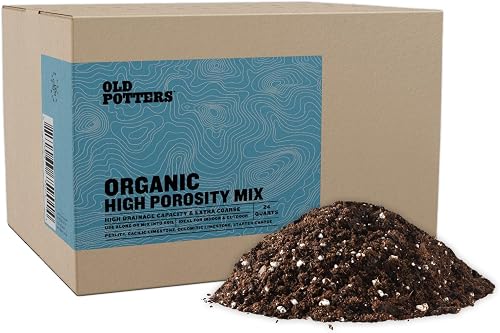
High Porosity Soil Mix, Enhanced with Peat Moss and
Offering a generous 24-quart capacity, this high porosity soil mix is enhanced with peat moss and perlite. It is designed to be perfect for smaller pots, cacti, and succulents by actively promoting drainage and aeration. The larger volume makes it suitable for gardeners managing multiple container plants.
- Enhanced with Peat Moss and Perlite
- Perfect for Smaller Pots
- Cactus & Succulents
Bulk container repotting projects
View on Amazon (opens in a new tab)
Check current details and price
Read the detailed assessment
What stands out
- Provides a substantial 24-quart total volume for repotting numerous pots at once.
- Enhanced with perlite and peat moss to create high porosity and prevent moisture stagnation.
- Formulated explicitly for smaller containers housing cacti and delicate succulents.
What to consider
- The 24-quart bag size requires dedicated storage space and can be heavy to lift during transport.
- High perlite content may float toward the top of the container during heavy top-watering sessions.
The practical verdict
This high-porosity mix is best for gardeners managing larger collections of small pots who need substantial soil volume. Avoid it if you only have one or two house plants and lack storage space for large bags. The main trade-off is the high 24-quart capacity versus the heavier physical weight of the package.

3lb Mix Lava Rocks for Plants in Door -Gravel
This 3-pound mix of lava rocks serves as gravel pebbles for indoor bonsai, succulent, and cactus potting soil, vase fillers, fairy gardening, and top dressing. The stones add a decorative and functional layer to container surfaces while helping stabilize moisture levels in the top layer of the potting medium.
- Fairy Gardening
- Top Dressing
Decorative pot top dressing
View on Amazon (opens in a new tab)
Check current details and price
Read the detailed assessment
What stands out
- Provides a 3-pound assortment of lava rocks suitable for decorative pot top dressing.
- Functions as a versatile material for fairy gardening crafts and vase fillers.
- Helps reduce top-soil splashing during watering when applied as a surface gravel layer.
What to consider
- Functioning as a decorative top dressing means these rocks cannot serve as the primary planting medium by themselves.
- Adding dense lava rock layers increases the overall weight of smaller decorative indoor containers.
The practical verdict
These lava rocks are best for decorators and gardeners looking to finish succulent pots with a clean surface top dressing. Avoid it if you need nutrient-bearing soil or organic matter for root development. The main trade-off is the decorative surface utility versus the inability to use rocks as standalone plant soil.

Red Lava Rocks for Plants -100% Pure Volcanic Rock
Consisting of 100 percent pure volcanic rock with no dyes or chemicals, this red lava rock product acts as a top dressing for cacti, succulent plants, and bonsai. The stones provide a natural red aesthetic while covering the soil surface of container-bound desert flora. The volcanic origin ensures durability against environmental weathering.
Chemical-free red rock dressing
View on Amazon (opens in a new tab)
Check current details and price
Read the detailed assessment
What stands out
- Composed of 100 percent pure volcanic rock free from artificial dyes or chemicals.
- Offers a vibrant red natural stone aesthetic for cactus and bonsai containers.
- Acts as a durable top dressing that resists breakdown during regular plant care.
What to consider
- Pure rock top dressings do not provide any organic nutrients or moisture retention for the root zone.
- The heavy stone composition adds noticeable weight to lightweight plastic or ceramic flower pots.
The practical verdict
These pure volcanic rocks are best for enthusiasts wanting chemical-free red stones to finish their cactus top dressings. Avoid it if you require functional planting soil to fill the interior of your plant pots. The main trade-off is the natural volcanic aesthetics versus the lack of any inherent soil nutrients.
How this comparison was prepared
We use the supplied product identities and listing details to compare intended use, stated features and practical trade-offs. Listing claims are not independent performance tests. This page does not claim laboratory testing, personal ownership or an analysis of customer-review counts. The shortlist order is not a numeric test ranking. Confirm model details, compatibility and current terms on the seller or manufacturer page before purchasing.
Buying guide
Understanding drainage mechanics in arid plant soils
Desert plants require specialized soil compositions because their natural habitats feature loose, rocky earth that allows rain to pass through instantly. When you grow these species in standard garden dirt, moisture tends to cling to dense clay particles, suffocating roots and encouraging fungal decay. A proper mix incorporates coarse elements like sand, pumice, or expanded shale to maintain continuous air pockets.
Evaluating soil texture involves checking for non-organic components that resist compaction over time. Premium options often utilize calcined clay or volcanic rock to keep the pore spaces open even after months of regular watering. This structural integrity ensures that oxygen reaches delicate root hairs, supporting healthy plant growth in indoor and outdoor containers.
Evaluating organic versus inorganic soil ingredients
When selecting a growing medium, you must balance organic ingredients like peat moss and pine bark with inorganic materials like perlite and lava rock. Organic components provide initial nutrients and help hold a minimal amount of moisture for root uptake. However, too much organic matter can retain water for excessively long periods, endangering drought-tolerant species.
Inorganic amendments do not decompose, making them reliable long-term agents for preventing soil compaction and waterlogging. Products heavily weighted toward pumice, calcined clay, or coarse sand offer rapid drainage suitable for sensitive specimens like lithops and rare caudiciforms. Matching the organic-to-inorganic ratio to your climate and watering habits prevents common root health issues.
Sizing soil volume for your container collection
Container dimensions dictate how much soil you need to purchase for repotting projects. Small pre-blended bags typically offer around two quarts of material, which suits tabletop collections of small succulents and miniature aloes. Purchasing smaller quantities prevents waste when you only need to refresh a couple of household pots.
Larger gardening projects involving numerous pots or deep planters require bulk volumes such as 24-quart mixes. Storing extra soil in a dry environment ensures it remains ready for future propagation or repotting sessions. Calculating your total container volume beforehand helps avoid running out of medium midway through a delicate transplanting task.
Utilizing top dressings and decorative rock layers
Surface coverings like lava rocks and gravel pebbles serve both aesthetic and practical purposes in container gardening. A layer of stone over the soil prevents lightweight media from floating away during watering and keeps the basal stems of cacti dry. Keeping plant stems elevated above wet organic matter reduces the risk of collar rot.
Pure volcanic rocks and mixed pebbles add distinctive colors ranging from deep reds to natural dark tones. When applying top dressings, ensure the stones do not block necessary airflow around the base of the plant. Choosing chemical-free rock options protects sensitive roots from absorbing unwanted artificial residues over time.
Balancing nutrient delivery with rapid drainage
Fast-draining soils often wash away essential plant nutrients more quickly than heavy garden soils due to the frequent passage of water. To combat this, some product bundles include targeted liquid fertilizers formulated specifically for desert flora. These liquid concentrates let you control nutrient application independently of your regular watering schedule.
When using low-nutrient inorganic mixes, establishing a structured feeding routine during the growing season supports steady plant development. Checking the N-P-K ratios ensures your succulents receive appropriate mineral balances without experiencing fertilizer burn. Combining a porous soil base with controlled nutrient additions mimics natural desert soil cycles.
Matching soil types to specific succulent varieties
Different desert plants have unique root sensitivities that influence their ideal soil requirements. Lithops and mesembs, for instance, demand extremely gritty, inorganic mixes that dry out within hours of watering. Conversely, larger tropical succulents and aloes can tolerate slightly higher percentages of peat and pine bark in their potting media.
Reviewing the specific structural makeup of a soil bag helps you cater to these distinct botanical preferences. Selecting fine-grained amendments for delicate root systems or coarse bark blends for robust growers ensures optimal performance. Tailoring your soil choice to your specific plants prevents moisture stress and encourages vigorous growth.
Frequently asked questions
Why is regular potting soil bad for cacti?
Regular potting soil typically contains high amounts of peat moss and fine compost designed to retain moisture for tropical houseplants. Cacti and succulents originate from arid environments and possess root systems adapted to rapid drainage. When planted in moisture-retaining soil, their roots remain wet for too long, leading to oxygen deprivation, root rot, and eventual plant collapse.
Can I use lava rocks as the only soil medium?
Using lava rocks entirely by themselves is generally discouraged because they lack organic structure and nutrient-holding capacity for most plants. While pure volcanic rocks make excellent top dressings or bottom drainage layers, they do not provide the fine contact points needed for roots to anchor and absorb moisture. Mixing them with soil amendments creates a balanced environment.
How often should I repot my cactus in fresh soil?
Most cacti and succulents benefit from repotting every two to three years to refresh depleted soil and accommodate growing root systems. Over time, organic components like peat and pine bark break down, which can compact the soil and reduce necessary drainage air spaces. Springtime is typically the best season for repotting as plants enter their active growth cycle.
What is the benefit of calcined clay in soil mixes?
Calcined clay is a high-temperature kiln-fired material that resists breaking down or compacting when exposed to moisture over long periods. It absorbs small amounts of water and nutrients while maintaining large internal pore spaces for excellent aeration. This makes it a popular ingredient in professional bonsai and succulent soils to prevent over-watering.
Do fast-draining soils require special watering techniques?
Fast-draining soils allow water to escape rapidly through the drainage holes, meaning traditional surface misting is usually insufficient. Growers often use the soak-and-dry method, thoroughly drenching the container until water runs out the bottom, then waiting until the medium is completely dry before watering again. This ensures deep root hydration without causing prolonged moisture retention.
Final thoughts
Choosing the best well draining cactus soil transforms routine plant care by protecting delicate roots from excess moisture and fungal decay. Whether you prefer ready-to-use bagged blends, mineral-rich bonsai amendments, or decorative volcanic rock top dressings, matching the soil attributes to your specific containers ensures long-term plant health. Evaluating organic content against inorganic drainage components helps you establish an ideal balance for your indoor or outdoor desert collection.
Taking time to assess bag volumes, particle sizes, and bundle inclusions simplifies the selection process for any gardening project. By prioritizing proper aeration and fast moisture evacuation, you create a stable environment where cacti, succulents, and aloes can flourish. Reviewing these practical factors guarantees you find the right growing medium to support vigorous root development and vibrant plant growth for years to come.