Finding the best well draining soil for succulents helps prevent root rot by ensuring excess moisture escapes quickly after watering. Succulents and cacti store water in their leaves, meaning heavy garden dirt or retaining mixes cause soggy roots and rapid decay. Selecting an appropriate medium relies on understanding specific mineral components like pumice, perlite, lava rock, and coarse sand that keep the root zone oxygenated.
Whether you need a ready-to-use bag for indoor aloe plants, a specialized mix for tiny pots, or volcanic rocks for top dressing, comparing available options simplifies the choice. Different plant varieties demand varying levels of water retention and porosity, making it essential to evaluate each blend's ingredient profile. This overview examines several soil mixes and amendments to help you match your potting routine to your specific plants.
The product shortlist

Professional Aloe Plant Soil Mix Large 2.2 Quarts Ready
This premium potting soil comes ready to use in a 2.2-quart pack of two, formulated specifically for aloe vera, cactus, and succulent plants. The blend incorporates pinebark, peat, and coarse sand to create a fast-draining environment suited for indoor containers. Made in the USA, it provides a balanced mix of organic and gritty materials designed to support moisture regulation in home growing spaces.
- Premium Potting Soil for Aloe Vera Cactus Succulent Plants
- Fast Draining Blend Pinebark Peat Course Sand Indoor Made in USA (Pack of 2)
Aloe and indoor succulents
View on Amazon (opens in a new tab)
Check current details and price
Read the detailed assessment
What stands out
- Formulated specifically for aloe vera, cactus, and succulent plants to support proper growth.
- Combines pinebark, peat, and coarse sand for a fast-draining indoor potting solution.
- Provided in a convenient pack of two 2.2-quart bags for multiple small containers.
What to consider
- A 2.2-quart capacity per bag in a two-pack limits large-scale garden projects or repotting heavy multi-plant arrangements without buying extra units.
- Containing peat and pinebark means the mixture includes organic matter that eventually breaks down, requiring periodic fresh amendments over time.
The practical verdict
Best for indoor aloe and small succulent potted arrangements needing an out-of-the-bag medium. Avoid if you require bulk quantities for heavy garden landscaping beds. The primary trade-off involves combining water-holding organic components with coarse sand in smaller bag volumes, balancing immediate convenience against long-term organic decomposition.

Bonsai Soil All Purpose Mix | Fast Draining Pre
Designed as a fast-draining pre-blend in a 2-quart bag pack of two, this potting mixture incorporates pumice, lava, calcined clay, and pine bark. The Bonsai Supply formulates this option to cater to specialized plants that require exceptional aeration and swift water evacuation. The heavy inclusion of inorganic minerals helps prevent moisture buildup around sensitive root systems.
- Fast Draining Pre Blend (2 Quart Bag) Plant
- Calcined Clay and Pine Bark ● Potting Pre Mixed Bonsai Plant Soil Mixture By The Bonsai Supply (Pack of 2)
Specialized potted bonsai and succulents
View on Amazon (opens in a new tab)
Check current details and price
Read the detailed assessment
What stands out
- Incorporates pumice, lava, calcined clay, and pine bark for swift water drainage.
- Pre-blended formula saves time compared to gathering individual mineral components separately.
- Supplied in a two-pack of 2-quart bags to handle multiple smaller bonsai or succulent pots.
What to consider
- Two-quart bag sizes provide a limited total volume, making it less practical for deep pots or numerous large-scale container gardens.
- The heavy mineral composition drains very quickly, which may require more frequent watering schedules during hot summer growing periods.
The practical verdict
Best for specialized bonsai and sensitive succulents demanding high aeration. Avoid if you want a dense, moisture-retentive medium for thirsty tropical plants. The primary trade-off involves prioritizing maximum drainage through inorganic pumice and lava over long-term water retention, meaning you will need to monitor hydration levels closely.

Plant Repotting Mat for Indoor Plants Potting Soil Mix,
Measuring 26.8 by 26.8 inches, this waterproof plant repotting tray provides a designated workspace for mixing soils and potting indoor succulents, cacti, and orchids. The fabric design catches stray dirt and water, protecting indoor furniture and counters during maintenance tasks. It functions as a helpful garden gift and folds flat for easy storage when not in use.
- Waterproof Plant Repotting Tray
- Potting Mat Gardening Tray for Indoor Potting Succulents Cactus Orchid Pots
- Garden Gift(26.8"x26.8")
Indoor repotting workspace cleanup
View on Amazon (opens in a new tab)
Check current details and price
Read the detailed assessment
What stands out
- Waterproof surface contains spilled potting soil, water, and debris during indoor plant maintenance.
- Generous 26.8 by 26.8 inch dimensions offer ample room for handling cactus and succulent pots.
- Folds flat for convenient storage after completing your indoor gardening or repotting tasks.
What to consider
- The flat fabric mat design lacks rigid structural walls, meaning tall or heavily loaded pots might shift if dragged across the surface.
- Measuring under 27 square inches total footprint restricts how many large pots or soil bags you can fit simultaneously on the mat.
The practical verdict
Best for keeping indoor tables clean during succulent repotting tasks. Avoid if you need a rigid tray or a bulk soil storage container. The main trade-off is choosing a flexible fabric workspace that stores easily over a rigid plastic bin that takes up permanent shelf space.

5lb Hard Akadama Bonsai Soil 1/8-1/4 inch Small Grain
This 5-pound pack of two features hard Akadama bonsai soil in a small 1/8 to 1/4 inch grain size. It serves as a soil amendment for cactus, succulents, and bonsai plants to prevent overwatering while providing optimal water retention and fast drainage. The granular clay structure maintains its shape over time to keep pore spaces open for root oxygenation.
- Bonsai Plants Soil Amendment
- Prevent Over Water
- Provides Optimal Water Retention
Cactus and succulent soil amendment
View on Amazon (opens in a new tab)
Check current details and price
Read the detailed assessment
What stands out
- Granular hard Akadama structure prevents overwatering by encouraging rapid excess drainage.
- Small 1/8 to 1/4 inch grain size blends smoothly into existing potting mixes.
- Provides optimal water retention inside individual clay granules while maintaining structural aeration.
What to consider
- Supplied as a dense 5-pound amendment pack, meaning you must blend it with other substrates rather than using it alone for standard potting.
- Hard Akadama can break down over many years under heavy root pressure, eventually requiring soil refreshing in tight containers.
The practical verdict
Best for amending custom soil mixes to enhance drainage and internal moisture balance. Avoid if you want a complete out-of-the-bag organic potting compost. The principal trade-off involves buying specialized mineral clay to mix manually rather than purchasing a pre-mixed organic soil blend.

2.5lb Multi-Purpose Calcined Nutrient Soil for Lithops Succulent Cactus
Offered in a pack of two 2.5-pound bags, this multi-purpose calcined nutrient soil targets lithops, succulents, and cacti to promote root growth. The medium features a concave-convex shape designed to support healthier, stronger, and larger root systems by enhancing physical stability and air exchange within the pot.
- Concave-Convex Shape Soil for Healthier
- and Larger Roots (Pack of 2)
Lithops and delicate desert plants
View on Amazon (opens in a new tab)
Check current details and price
Read the detailed assessment
What stands out
- Concave-convex shape promotes healthier, stronger, and larger root systems in desert plants.
- Calcined nutrient composition supports delicate lithops and specialized cacti species.
- Provided in a multi-pack of two 2.5-pound bags for multiple small specimen containers.
What to consider
- A 2.5-pound bag weight per package provides a restricted total volume for large plants or deep decorative containers.
- Specialized calcined structure focuses primarily on root health and drainage, offering less organic nutrition for heavy feeders.
The practical verdict
Best for growing lithops and delicate succulents requiring specialized root structure support. Avoid if you need an all-purpose organic compost for fast-growing leafy houseplants. The main trade-off is utilizing structured calcined mineral particles for precision drainage instead of heavy organic garden dirt.
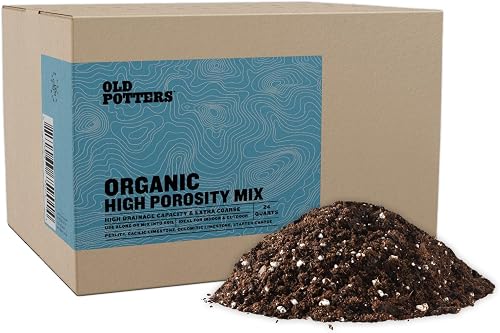
High Porosity Soil Mix, Enhanced with Peat Moss and
Providing 24 quarts of volume, this high porosity soil mix is enhanced with peat moss and perlite to promote drainage and aeration in smaller pots. It is formulated specifically for cacti and succulents, offering a lightweight structure that prevents compaction around sensitive roots. The larger volume makes it suitable for repotting multiple collections at once.
- Enhanced with Peat Moss and Perlite
- Perfect for Smaller Pots
- Cactus & Succulents
Bulk repotting of small succulent pots
View on Amazon (opens in a new tab)
Check current details and price
Read the detailed assessment
What stands out
- Generous 24-quart total volume accommodates multiple small pots and large collection repotting sessions.
- Enhanced with peat moss and perlite to promote balanced drainage and aeration.
- Lightweight formulation prevents soil compaction around delicate cactus and succulent root structures.
What to consider
- A 24-quart bag size requires dedicated storage space and can be heavy to lift during home gardening projects.
- The inclusion of peat moss means the mix retains some moisture, which requires cautious watering schedules for sensitive desert species.
The practical verdict
Best for gardeners needing a larger volume of soil for multiple succulent containers. Avoid if you only need a tiny amount of amendment for a single houseplant. The primary trade-off involves storing a large 24-quart bag to gain bulk value versus purchasing smaller, single-use specialty bags.
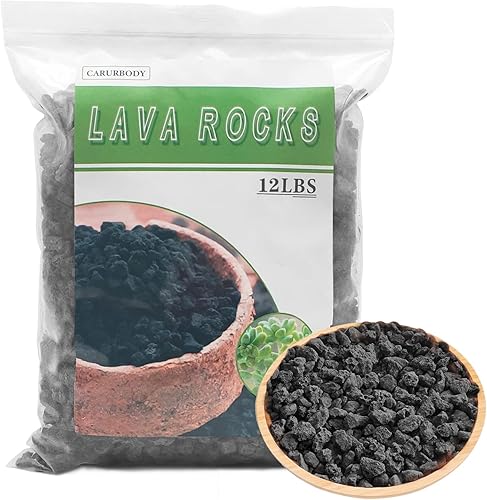
Black Lava Rocks for Plants -100% Pure Volcanic Rock
This 12-pound bag of 100 percent pure black volcanic rock contains no dyes or chemicals, serving as an effective top dressing for cacti, succulents, and bonsai plants. The dark stones add a clean finish to pots while helping anchor plants and reducing surface soil evaporation. They also prevent soil from splashing out during watering.
Succulent top dressing and evaporation control
View on Amazon (opens in a new tab)
Check current details and price
Read the detailed assessment
What stands out
- Composed of 100 percent pure volcanic rock with no added dyes or artificial chemicals.
- Functions as an effective top dressing to anchor succulents and reduce surface evaporation.
- Generous 12-pound weight provides enough rock coverage for multiple decorative plant pots.
What to consider
- Volcanic rocks add significant weight to potted plants, which can make lightweight plastic containers top-heavy.
- Functioning exclusively as a top dressing means these rocks cannot be used as a standalone potting medium for root growth.
The practical verdict
Best for finishing succulent pots with a clean, natural volcanic rock layer. Avoid if you are looking for an internal soil medium or fertilizer. The main trade-off is adding weight and visual appeal to the surface while keeping the underlying soil free from artificial dyes.

3lb Mix Lava Rocks for Plants in Door -Gravel
Weighing 3 pounds, this mixed lava rock gravel is suitable for indoor bonsai, succulent, and cactus potting soil, vase fillers, fairy gardening, and top dressing. The small pebbles provide decorative contrast while allowing water to pass freely around the base of plants. The versatile format adapts to various container crafts and multi-purpose gardening tasks.
- Fairy Gardening
- Top Dressing
Decorative gravel and fairy gardening
View on Amazon (opens in a new tab)
Check current details and price
Read the detailed assessment
What stands out
- Versatile 3-pound mix works for potting soil blending, vase fillers, and fairy gardening crafts.
- Functions as a decorative top dressing to accent indoor succulent and cactus containers.
- Allows moisture to pass freely around plant stems without creating surface mud.
What to consider
- A 3-pound bag offers limited material volume, restricting its use to small decorative accents or a few miniature pots.
- Mixed pebble sizes require sorting if you need uniform stone dimensions for precise bonsai display standards.
The practical verdict
Best for small decorative top dressing and craft projects like fairy gardens. Avoid if you need heavy-duty bulk gravel for large landscaping pots. The main trade-off is enjoying a versatile multi-use pebble mix in a smaller bag size rather than purchasing single-grade bulk stone.
How this comparison was prepared
We use the supplied product identities and listing details to compare intended use, stated features and practical trade-offs. Listing claims are not independent performance tests. This page does not claim laboratory testing, personal ownership or an analysis of customer-review counts. The shortlist order is not a numeric test ranking. Confirm model details, compatibility and current terms on the seller or manufacturer page before purchasing.
Buying guide
Understanding Soil Porosity and Drainage
Choosing the best well draining soil for succulents starts with analyzing porosity and aeration. Unlike tropical houseplants that thrive in dense, moisture-holding compost, desert varieties require air space around their roots to prevent fungal rot. High-porosity blends incorporate ingredients like perlite, pumice, and coarse sand to create internal channels where water moves downward swiftly.
When selecting a medium, examine the ratio of organic matter to inorganic grit. Too much peat or standard topsoil retains moisture for too long after watering. Opting for formulations heavy in volcanic rock, calcined clay, or bark ensures that roots receive oxygen shortly after every watering session.
Evaluating Organic Versus Inorganic Ingredients
Succulent soils generally combine organic components that supply minor nutrients with inorganic minerals that drive drainage. Organic elements like peat moss and pine bark hold trace moisture and provide a lightweight base. However, these materials break down over several years and eventually compress if not balanced properly.
Inorganic amendments such as calcined clay, lava rock, and Akadama do not decompose, maintaining their structural integrity and drainage capacity over the lifetime of the plant. Combining both types creates a stable home where roots can anchor securely while avoiding the dangers of water stagnation.
Matching Soil Type to Pot Size and Material
The physical dimensions and material of your plant container influence how soil performs. Small pots dry out faster from the sides, but very deep containers can trap water at the bottom if the medium lacks uniform porosity. Matching a high-porosity mix to compact indoor containers prevents moisture pockets from forming near the taproot.
Glazed ceramic pots and glass containers restrict evaporation through the vessel walls compared to unglazed terracotta. If you use non-porous containers, selecting an ultra-fast draining mineral mix becomes even more critical to safeguard your succulents against overwatering damage.
Utilizing Top Dressings and Surface Stones
Adding a layer of gravel, lava rock, or small pebbles to the surface of your succulent pot offers practical benefits beyond aesthetics. Top dressings prevent lightweight potting soil from splashing out of the container when you water your plants. They also reduce surface evaporation and keep lower leaves from resting directly against wet soil.
When picking a top dressing, choose clean volcanic stones or natural gravel free from artificial dyes or chemical coatings. Ensure the stones allow adequate air exchange at the soil line so that oxygen can reach the upper root crown without hindrance.
Managing Volume and Repotting Frequency
Calculating the correct soil volume prevents you from running short halfway through a repotting project. Small 2-quart bags suit single windowsill specimens, whereas 24-quart bulk bags accommodate extensive indoor collections or deep decorative arrangements. Assess your plant inventory before purchasing to ensure you have adequate material on hand.
Over time, even the best well draining soil for succulents experiences mineral salt accumulation and organic breakdown. Plan to refresh or amend your containers periodically to maintain optimal aeration and give growing root systems fresh space to expand.
Practical Maintenance and Cleaning Practices
Maintaining healthy succulent displays involves routine care of both plants and their growing environment. When repotting, using a waterproof workspace mat contains spilled soil and simplifies indoor cleanup. Follow manufacturer guidance regarding soil preparation and avoid compacting the medium too tightly when filling containers.
Allowing mineral-heavy soils to dry completely between watering cycles protects root health and prevents mineral crust buildup on top dressings. Regularly inspect drainage holes to ensure excess water escapes freely without clogging the container base.
Frequently asked questions
Why is standard garden soil bad for indoor succulents?
Standard garden soil typically contains heavy clay and fine silt that retain moisture for too long. Succulents store water in their leaves and require fast-draining mediums that dry out quickly. Dense garden dirt restricts oxygen flow to the roots, leading directly to root rot and plant decline. Using specialized mixes formulated with pumice, perlite, or coarse sand ensures excess water escapes rapidly after every watering.
How often should I repot my succulents into fresh soil?
Most succulents benefit from repotting every one to two years, or whenever roots begin emerging from the drainage holes. Over time, organic components in the potting mix break down and lose their aeration properties, while mineral salts accumulate from tap water. Transferring plants into fresh, well-draining soil replenishes nutrients and restores optimal air circulation around the root zone for continued healthy development.
Can I use bonsai soil for regular cactus and succulent plants?
Bonsai soil makes an excellent choice for cacti and succulents because both plant types demand exceptional drainage and high aeration. Formulations containing pumice, lava rock, calcined clay, and pine bark prevent moisture stagnation around sensitive root systems. Because bonsai mixes drain very rapidly, you may need to adjust your watering frequency to match the faster drying rate of the mineral components.
What is the purpose of adding lava rock to the top of a pot?
Placing lava rock or decorative gravel on the soil surface serves multiple practical purposes in succulent care. A top dressing anchors lightweight plants in their pots and prevents loose soil from splashing out during watering. It also reduces surface evaporation, keeps lower plant leaves from resting against damp earth, and provides a clean aesthetic finish that discourages fungal gnats.
How do I choose between a ready-to-use mix and a soil amendment?
Ready-to-use potting mixes come pre-blended with organic and inorganic ingredients, allowing you to plant succulents directly out of the bag without extra preparation. Soil amendments like hard Akadama or pure lava rock are concentrated minerals meant to be mixed into existing soils to customize drainage and aeration levels. Choose ready mixes for convenience, and select amendments when tailoring a specific custom recipe.
Final thoughts
Selecting the best well draining soil for succulents protects your plants from moisture stress and promotes robust root systems. By evaluating ingredient profiles—such as pumice, perlite, calcined clay, and volcanic rock—you can tailor your potting setup to match specific indoor environments and container types. Matching bag volumes and soil textures to your collection ensures efficient maintenance.
Whether you choose a ready-to-use organic blend, a specialized bonsai mineral mix, or a protective top dressing, careful preparation safeguards your desert plants against overwatering. Maintaining proper drainage habits and utilizing helpful repotting tools keeps your indoor arrangements thriving across changing seasons.