Finding the right growing medium is essential when keeping indoor greenery thriving, especially for arid-adapted varieties that demand specific moisture management. Choosing the best succulent soil for snake plant care prevents the root rot that frequently happens with dense, moisture-retaining garden earth. These specialized blends incorporate coarse elements to mimic natural desert habitats where moisture evaporates quickly after infrequent rainfalls.
Whether you need a ready-to-use bagged mix, inorganic amendments, or a protective workspace mat to handle soil changes cleanly, understanding your options simplifies indoor gardening. Our curated shortlist features specialized substrates and practical accessories designed to support healthy root development and maintain tidy indoor workspaces during routine plant maintenance.
The product shortlist

Professional Aloe Plant Soil Mix Large 2.2 Quarts Ready
This premium potting soil comes ready to use in a convenient pack of two, formulated specifically for aloe vera, cacti, and succulent plants. Made in the USA, the fast-draining blend combines pinebark, peat, and coarse sand for indoor gardening. It provides a balanced environment that discourages excess moisture accumulation around sensitive root systems, making it a practical choice for routine container gardening.
- Premium Potting Soil for Aloe Vera Cactus Succulent Plants
- Fast Draining Blend Pinebark Peat Course Sand Indoor Made in USA (Pack of 2)
Ready-to-use indoor potting mix
View on Amazon (opens in a new tab)
Check current details and price
Read the detailed assessment
What stands out
- Formulated specifically for indoor cacti and succulents to support healthy root growth without holding excess water.
- Combines functional ingredients like pinebark, peat, and coarse sand for reliable moisture regulation.
- Supplied in a convenient two-pack quantity to support multiple indoor containers or future repotting tasks.
What to consider
- The 2.2-quart total volume per pack requires purchasing multiple units if you are managing several large snake plant containers.
- Pre-blended ratios of pinebark, peat, and coarse sand cannot be manually adjusted if your specific indoor microclimate demands higher drainage.
The practical verdict
This pre-mixed option works best for gardeners seeking a convenient, ready-to-use medium featuring pinebark, peat, and coarse sand for indoor pots. Avoid if you prefer custom soil blending or require large volumes for extensive collections. The main trade-off involves balancing pre-mixed convenience against the fixed 2.2-quart volume per pack.

Plant Repotting Mat for Indoor Plants Potting Soil Mix,
Designed to simplify indoor gardening tasks, this waterproof plant repotting mat creates a protected surface measuring 26.8 by 26.8 inches. It acts as a potting mat gardening tray suitable for indoor potting of succulents, cacti, and orchid pots while containing loose dirt and debris. This accessory functions well as a practical garden gift and keeps tabletops clean during routine plant care.
- Waterproof Plant Repotting Tray
- Potting Mat Gardening Tray for Indoor Potting Succulents Cactus Orchid Pots
- Garden Gift(26.8"x26.8")
Clean indoor repotting tray
View on Amazon (opens in a new tab)
Check current details and price
Read the detailed assessment
What stands out
- Provides a generous 26.8 by 26.8-inch waterproof surface to contain loose soil and protect indoor furniture during maintenance.
- Simplifies indoor plant transplanting and potting soil mixing without creating a messy workspace.
- Functions as a versatile gardening tray suitable for handling succulents, cacti, and orchids indoors.
What to consider
- The 26.8 by 26.8-inch square footprint requires adequate flat tabletop or floor space during active repotting sessions.
- As a dedicated workspace accessory rather than a growing medium, it does not contribute directly to plant root nutrition or drainage.
The practical verdict
Best for indoor gardeners wanting to keep transplanting messes contained on tables or counters. Avoid if you have very limited workspace or only require soil amendments. The main trade-off is dedicating surface area to the mat in exchange for effortless cleanup of spilled soil and water.

5lb Hard Akadama Bonsai Soil 1/8-1/4 inch Small Grain
This 5-pound hard Akadama bonsai soil features small 1/8 to 1/4 inch grains intended as a soil amendment for cacti, succulents, and bonsai plants. It helps prevent over-watering by providing optimal water retention alongside fast drainage characteristics. Packaged in a convenient two-pack, it serves as a durable mineral component for custom container mixes.
- Bonsai Plants Soil Amendment
- Prevent Over Water
- Provides Optimal Water Retention
Mineral bonsai soil amendment
View on Amazon (opens in a new tab)
Check current details and price
Read the detailed assessment
What stands out
- Features small 1/8 to 1/4 inch hard Akadama grains that actively help prevent over-watering in sensitive containers.
- Provides optimal water retention combined with fast drainage capabilities for arid-loving plant species.
- Supplied as a two-pack of 5-pound bags to support multiple custom soil-blending projects over time.
What to consider
- Operating primarily as a soil amendment means it must be blended with other organic or mineral components rather than used alone.
- The 5-pound grain bags add substantial weight to your potting supplies, which requires careful lifting and storage.
The practical verdict
Best for experienced growers formulating custom mineral-heavy soil mixes to maximize drainage. Avoid if you want a complete, all-in-one organic potting soil right out of the bag. The primary trade-off is the need to mix mineral grains with organic matter rather than planting directly into a single medium.

Repotting Mat for Indoor Plant Transplanting Control Mess, 26.8"X26.8"
This waterproof succulent potting mat measures 26.8 by 26.8 inches and functions as a square planting tray designed to control mess during indoor plant transplanting. It handles soil changes efficiently and serves as a thoughtful gardening gift for plant enthusiasts. The tray structure captures stray dirt and water, making indoor gardening hassle-free.
- 26.8"X26.8" Waterproof Succulent Potting Mat Square Planting Tray Soil Change Mat Gardening Gifts for Plant Lovers
Mess-control plant mat
View on Amazon (opens in a new tab)
Check current details and price
Read the detailed assessment
What stands out
- Measures 26.8 by 26.8 inches to provide a wide, contained boundary for soil changes and repotting tasks.
- Waterproof construction prevents spilled water and loose dirt from reaching your furniture or floors.
- Folds or rolls away conveniently after use, making storage simple between gardening sessions.
What to consider
- The square 26.8-inch dimensions require a clear, flat surface large enough to accommodate both the mat and your plant containers.
- Does not include any soil or plant nutrients, functioning exclusively as a protective workspace utility.
The practical verdict
Best for keeping indoor living areas spotless while repotting houseplants and managing soil changes. Avoid if you already utilize dedicated outdoor potting benches. The main trade-off is storing an accessory mat that is only needed during active plant maintenance.

Small Rocks for Plants,3/8" Small Pebbles,1lbs Small River Rocks
Offering 3/8-inch small pebbles, this 1-pound bag of small river rocks serves as decorative pea gravel for indoor plants, vases, bamboo, succulents, terrariums, crafts, and cacti. These small pebbles work effectively as a top dressing to finish container aesthetics or to accent indoor botanical displays.
Decorative pot top dressing
View on Amazon (opens in a new tab)
Check current details and price
Read the detailed assessment
What stands out
- Features uniform 3/8-inch small river rocks suitable for dressing the top of succulent and cactus pots.
- Versatile pebbles work well in glass vases, terrariums, and various indoor craft projects.
- Lightweight 1-pound quantity allows for easy handling and precise placement in smaller containers.
What to consider
- The 1-pound quantity is primarily suited for top-dressing small pots rather than filling deep planters or large containers.
- Smooth river rocks do not provide interior porosity for root aeration when mixed deeply into dense soil blends.
The practical verdict
Best for adding a clean decorative finish to the surface of small indoor succulent pots. Avoid if you need large quantities of heavy gravel for structural drainage layers. The main trade-off is decorative appeal versus limited functional utility in root aeration.
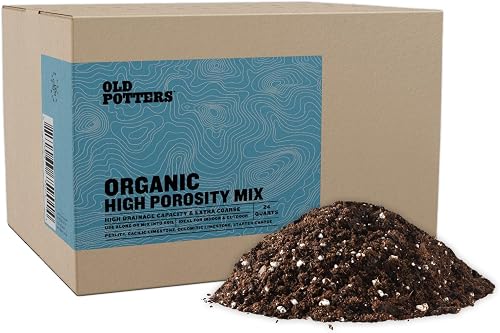
High Porosity Soil Mix, Enhanced with Peat Moss and
Enhanced with peat moss and perlite, this high porosity soil mix is formulated specifically for smaller pots, cacti, and succulents. The 24-quart volume promotes essential drainage and aeration to keep root zones healthy. It delivers a balanced environment that prevents moisture stagnation in compact indoor containers.
- Enhanced with Peat Moss and Perlite
- Perfect for Smaller Pots
- Cactus & Succulents
High porosity potted mix
View on Amazon (opens in a new tab)
Check current details and price
Read the detailed assessment
What stands out
- Enhanced with perlite and peat moss to establish high porosity for smaller indoor plant pots.
- Promotes vital drainage and root aeration specifically tailored for cacti and succulents.
- Generous 24-quart volume provides enough material to fill multiple small-to-medium indoor containers.
What to consider
- The 24-quart bag is relatively bulky and heavy, requiring dedicated storage space in a closet or garage.
- Formulated with high porosity for smaller pots, which may dry out faster if used in extremely oversized containers.
The practical verdict
Best for gardeners managing multiple small pots who require a high-porosity blend enhanced with perlite. Avoid if you only need a tiny amount of soil for a single tabletop plant. The main trade-off is managing a larger 24-quart bag size to secure a favorable per-quart value.

3lb Mix Lava Rocks for Plants in Door -Gravel
This 3-pound mix of lava rocks for indoor plants functions as gravel and pebbles designed for bonsai, succulent, and cactus potting soil. It also serves effectively as a decorative top dressing or vase filler for fairy gardening projects. The porous nature of lava rock assists with moisture regulation in container setups.
- Fairy Gardening
- Top Dressing
Porous lava rock gravel
View on Amazon (opens in a new tab)
Check current details and price
Read the detailed assessment
What stands out
- Provides a 3-pound mix of lava rocks suitable for mixing into succulent and cactus potting soil.
- Porous stone structure contributes to improved drainage and aeration within container substrates.
- Doubles as an attractive top dressing or fairy gardening accent and vase filler.
What to consider
- A 3-pound bag offers a modest quantity that may require multiple purchases for large-scale container gardening projects.
- Sharp edges on crushed lava rock require careful handling compared to smooth river pebbles.
The practical verdict
Best for gardeners looking to mix porous volcanic rock into custom soil for enhanced drainage. Avoid if you require smooth, rounded pebbles for decorative top dressings. The main trade-off is rougher, porous rock texture providing superior aeration over smooth decorative stones.

Rosy Soil Indoor Plant Soil Bundle, Organic Potting Mix
Supplied in 4-quart bags, this organic potting mix is crafted for succulents, cacti, monstera, tropicals, and more while remaining entirely peat-free. The formulation supports diverse indoor plant varieties using sustainable organic ingredients. It offers an alternative for gardeners seeking to avoid peat moss in their indoor container setups.
- Organic Potting Mix for Succulents
- Tropicals and More
- 4 Qt Each
Organic peat-free potting mix
View on Amazon (opens in a new tab)
Check current details and price
Read the detailed assessment
What stands out
- Organic potting mix crafted specifically for succulents, cacti, and tropical houseplants without using peat.
- Supplied in manageable 4-quart packaging that is easy to lift, pour, and store at home.
- Versatile formulation supports a wide variety of indoor plants ranging from desert cacti to tropical monsteras.
What to consider
- The 4-quart size provides a limited volume, making it less economical if you are potting dozens of large plants.
- Peat-free organic formulations may retain moisture differently than traditional peat-based commercial mixes, requiring watering adjustments.
The practical verdict
Best for indoor gardeners seeking an organic, peat-free potting mix for succulents and tropicals. Avoid if you require massive bulk quantities for large floor plants. The main trade-off is paying for smaller 4-quart specialty bags to maintain a peat-free gardening routine.
How this comparison was prepared
We use the supplied product identities and listing details to compare intended use, stated features and practical trade-offs. Listing claims are not independent performance tests. This page does not claim laboratory testing, personal ownership or an analysis of customer-review counts. The shortlist order is not a numeric test ranking. Confirm model details, compatibility and current terms on the seller or manufacturer page before purchasing.
Buying guide
Understanding Soil Porosity and Drainage
When caring for desert-adapted houseplants, managing moisture is the single most critical factor in long-term survival. Traditional garden dirt holds onto water for extended periods, which suffocates roots and leads to rapid decay. Selecting an appropriate medium with high porosity ensures that excess moisture flows freely out of the container drainage holes. Ingredients like perlite, coarse sand, and volcanic rock create microscopic air channels that keep oxygen circulating around delicate root systems.
Achieving optimal drainage requires looking closely at the ratio of organic matter to inorganic amendments in your chosen bag. While organic components provide essential nutrients, they must be balanced with coarse minerals to prevent compaction over time. Evaluating the physical texture of a mix before planting helps you verify that water will not pool on the surface during routine watering sessions.
Evaluating Organic Versus Inorganic Ingredients
Commercial growing substrates typically combine organic components like peat moss, composted bark, or coco coir with inorganic materials like pumice, akadama, or lava rock. Organic materials retain a moderate amount of moisture and supply nutrients, but they break down over the months. In contrast, inorganic amendments do not decompose, maintaining their structural shape and drainage properties indefinitely inside your containers.
For indoor plants that prefer dry conditions between waterings, heavy organic mixes can hold moisture for too long. Incorporating mineral amendments into your potting routine guarantees that the root zone dries out within an appropriate timeframe. Balancing these elements based on your indoor humidity and lighting conditions prevents common watering mistakes.
Container Size and Volume Requirements
Calculating the correct volume of growing substrate prevents mid-project interruptions when repotting your botanical collection. Small nursery pots and shallow tabletop containers require only a few quarts of material, whereas large floor planters demand substantial bulk quantities. Buying pre-packaged bags in sizes ranging from small specialty portions up to large multi-quart volumes lets you match supply to project scale.
When selecting your mix volume, remember that settling occurs naturally after the first few deep waterings. Having a slight excess of substrate on hand ensures you can top off containers as the material settles around the root ball. Accurate volume planning keeps your repotting sessions organized from start to finish.
Workspace Management and Mess Control
Handling dry potting substrates, perlite dust, and loose amendments indoors often creates unexpected household cleaning tasks. Utilizing waterproof repotting mats or trays provides a defined boundary that captures stray dirt, bark pieces, and water splashes. These protective accessories save valuable time by containing debris on a washable surface during active plant maintenance.
Choosing a workspace mat with raised edges or waterproof backing protects wooden tabletops and counters from moisture rings and staining. When your repotting tasks are complete, these flexible trays can be easily shaken out or wiped down before being folded away for compact storage until the next maintenance cycle.
Top Dressing and Aesthetic Finishes
Applying a layer of decorative stones, river rocks, or small gravel to the surface of your pots serves both aesthetic and practical functions. A mineral top dressing enhances the visual presentation of indoor containers while anchoring lightweight potting mixes in place. Furthermore, it prevents soil from splashing upward onto lower leaves during watering.
When choosing top dressings, consider whether you prefer smooth river pebbles or porous volcanic stones. While smooth rocks offer a clean, polished look, porous lava gravel contributes to surface evaporation and complements natural desert aesthetics. Matching the top dressing size to your container scale ensures a balanced look.
Packaging Options and Storage Practicalities
Storage convenience plays a major role when you maintain a collection of indoor plants in smaller living spaces. Pre-measured bags and multi-packs allow you to store only what you need without wrestling with massive, unwieldy bulk sacks. Clear labeling on commercial bags also helps you track specialized ingredients like peat-free organic matter or specialized bonsai amendments.
Properly sealing opened bags of growing substrate preserves moisture balance and prevents accidental contamination from household pests. Storing your gardening supplies in dry, cool locations ensures the organic and inorganic components remain fresh and ready for your next seasonal repotting schedule.
Frequently asked questions
Why is regular garden soil unsuitable for indoor arid plants?
Standard garden soil is typically dense and heavy, designed to retain moisture for outdoor vegetables and flowers. When placed inside a container, it compacts easily, restricts airflow, and holds water around roots for too long. This lack of oxygen and slow evaporation frequently leads to root rot in desert-adapted varieties. Specialized substrates use coarse sand, perlite, and bark to ensure rapid drainage.
How often should indoor succulent containers be repotted?
Most indoor succulents benefit from repotting every two to three years, or whenever roots begin emerging from the bottom drainage holes. Repotting provides an opportunity to refresh depleted growing substrates, inspect root health, and upgrade to a slightly larger container if the plant has outgrown its current home. Spring and early summer represent ideal times for this maintenance.
What is the benefit of adding perlite or volcanic rock to potting mixes?
Inorganic amendments like perlite, pumice, and volcanic rock create internal air spaces within the substrate. These tiny channels prevent the soil from packing down solidly, which allows water to drain rapidly and oxygen to reach the root zone. This mimics the loose, rocky composition of natural arid habitats where standing water rarely lingers.
Can I use decorative pebbles as a drainage layer at the bottom of a pot?
Placing a layer of rocks at the bottom of a container does not actually improve overall drainage due to perched water table physics. Instead, it raises the saturation zone closer to the roots. It is far more effective to mix coarse drainage amendments evenly throughout the entire volume of your growing substrate and ensure your pot features functional bottom drainage holes.
How do waterproof repotting mats simplify indoor plant care?
Repotting mats provide a contained, waterproof surface that catches spilled dirt, loose perlite, and excess water during plant maintenance. Instead of scrubbing soil off tables or sweeping floors, you can perform all your transplanting on the mat and easily funnel remaining debris back into your storage bins. They fold flat for effortless storage when finished.
Final thoughts
Selecting the ideal growing environment for indoor arid varieties transforms routine plant maintenance into a straightforward, rewarding experience. By prioritizing fast drainage, proper aeration, and functional workspace accessories, you protect your botanical collection from common moisture-related setbacks. Whether you opt for a ready-to-use commercial bag, mineral amendments, or a protective repotting mat, each component plays a specific role in indoor container gardening.
Take time to assess your specific container sizes, available storage space, and blending preferences before making your final selection. Matching the right substrate and tools to your indoor environment guarantees healthier root systems and cleaner workspaces. Explore the reviewed options above to equip your indoor garden for long-term success.