Finding the right growing medium for desert plants requires understanding how moisture moves through different textures. While many gardeners look for options matching the search for the best miracle grow potting soil cactus, various specialized blends offer unique advantages for container gardening. Succulents and cacti thrive in fast-draining environments that prevent moisture from sitting around delicate root systems for too long.
When evaluating soil options, matching the physical composition of the mix to your specific watering habits and container sizes ensures better long-term plant care. Different formulations use components like pine bark, sand, perlite, or calcined particles to create specific porosity levels. Reviewing these distinct material characteristics helps you select an appropriate growing medium for your indoor plant collection without relying on guesswork.
The product shortlist

Professional Aloe Plant Soil Mix Large 2.2 Quarts Ready
This ready-to-use professional soil mix comes in a convenient 2.2-quart pack of two, formulated specifically for aloe vera, cacti, and succulent plants. The blend incorporates pine bark, peat, and course sand to create a fast-draining indoor medium made in the USA.
- Premium Potting Soil for Aloe Vera Cactus Succulent Plants
- Fast Draining Blend Pinebark Peat Course Sand Indoor Made in USA (Pack of 2)
Aloe and small succulents
View on Amazon (opens in a new tab)
Check current details and price
Read the detailed assessment
What stands out
- Incorporates a fast-draining blend of pine bark, peat, and course sand suited for desert plants.
- Comes ready to use straight from the package for immediate indoor container planting needs.
- Supplied in a practical pack of two 2.2-quart volumes for managing multiple smaller pots.
What to consider
- The 2.2-quart volume per bag limits this option to smaller pots rather than large floor-standing containers.
- A two-pack of smaller volumes may require purchasing multiple units when repotting large mature collections.
The practical verdict
This blend suits indoor gardeners potting small aloe vera plants and compact succulents in tight spaces. Avoid this option if you need a high-capacity bulk soil bag for large floor planters. The primary trade-off involves balancing the convenient ready-to-use formulation against the modest 2.2-quart per bag capacity.

2.5lb Multi-Purpose Calcined Nutrient Soil for Lithops Succulent Cactus
This multi-purpose calcined nutrient soil comes in a 2.5-pound pack of two, designed to promote root growth for lithops, succulents, and cacti. It features a concave-convex shape intended to support healthier, stronger, and larger plant root systems.
- Concave-Convex Shape Soil for Healthier
- and Larger Roots (Pack of 2)
Lithops and root development
View on Amazon (opens in a new tab)
Check current details and price
Read the detailed assessment
What stands out
- Features a specialized concave-convex shape designed to encourage healthier and larger root systems.
- Formulated as a multi-purpose calcined nutrient soil suitable for specialized lithops and cacti.
- Provided in a convenient pack of two 2.5-pound quantities for managing several small growing containers.
What to consider
- The 2.5-pound weight per pack provides a specialized solid volume that may differ in handling from fluffy peat-based mixes.
- Calcined structured media require careful watering adjustments compared to standard organic potting composts.
The practical verdict
Best for indoor hobbyists focusing on lithops and delicate succulents that demand structured, root-promoting media. Avoid if you prefer traditional soft organic compost for leafy tropical houseplants. The main trade-off is utilizing a specialized calcined particle structure that requires specific watering habits versus conventional loose potting soils.

Plant Food (4 qts) + Cactus and Succulent Potting
This package combines four quarts of plant food with four quarts of cactus and succulent potting soil mix. The microbially active fertilizer serves houseplants, herbs, and flowers, while the dedicated soil mix supports indoor potted plants.
- Microbially Active Fertilizer for Houseplants
- Potting Soil Mix for Indoor Plants
Mixed indoor plants and feeding
View on Amazon (opens in a new tab)
Check current details and price
Read the detailed assessment
What stands out
- Includes a microbially active fertilizer designed to feed houseplants, herbs, and flowering varieties.
- Pairs four quarts of plant food with a separate four-quart cactus and succulent potting soil mix.
- Provides a balanced dual-component package for simultaneous soil potting and plant nutrition.
What to consider
- Dividing the total quantity between plant food and soil limits the absolute volume of growing medium available.
- Liquid or additive plant food requires separate application steps alongside the base potting process.
The practical verdict
Ideal for indoor gardeners seeking a combined package of potting soil and active plant nutrition for mixed collections. Avoid if you only need large quantities of pure soil without supplementary plant food bottles. The main trade-off is splitting your total purchase volume between fertilizer and soil rather than receiving pure growing medium.

Organic Vegetable & Flower Garden Soil Natural and Organic
This natural and organic vegetable and flower garden soil comes in a one-cubic-foot bag intended for in-ground planting and transplanting during organic gardening tasks. It provides a standard bulk earth foundation for outdoor beds.
In-ground garden planting
View on Amazon (opens in a new tab)
Check current details and price
Read the detailed assessment
What stands out
- Formulated as a natural and organic in-ground planting mix for vegetable and flower gardens.
- Supplied in a large one-cubic-foot bag suitable for substantial ground planting and transplanting projects.
- Designed specifically to support organic gardening practices in outdoor beds and large spaces.
What to consider
- Supplied in a heavy one-cubic-foot bag that is less convenient for small indoor decorative desktop containers.
- Formulated primarily for in-ground garden beds rather than specialized indoor desert cactus pots.
The practical verdict
Best for outdoor gardeners working on in-ground vegetable patches and flower bed transplanting projects. Avoid if you require lightweight, fast-draining mixes for indoor potted cacti on windowsills. The key trade-off is managing a heavy, high-capacity garden soil bag instead of a specialized indoor succulent blend.
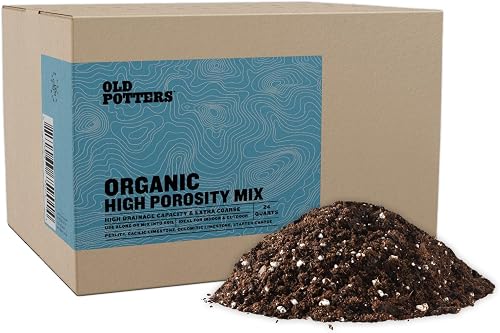
High Porosity Soil Mix, Enhanced with Peat Moss and
This high porosity soil mix is enhanced with peat moss and perlite to promote optimal drainage and aeration. Packaged in a generous 24-quart volume, it is particularly suited for smaller pots, cacti, and succulents.
- Enhanced with Peat Moss and Perlite
- Perfect for Smaller Pots
- Cactus & Succulents
High-volume container aeration
View on Amazon (opens in a new tab)
Check current details and price
Read the detailed assessment
What stands out
- Enhanced with peat moss and perlite to actively promote drainage and oxygen flow in containers.
- Provided in a substantial 24-quart total volume for handling multiple potted plants at once.
- Engineered to work effectively inside smaller pots housing delicate cacti and succulents.
What to consider
- A 24-quart bag requires dedicated storage space and can be heavy to lift during major repotting sessions.
- High porosity perlite and peat combinations may dry out quickly under intense indoor heating systems.
The practical verdict
Suits growers managing many small pots who need a reliable, high-porosity medium with ample perlite. Avoid if you only need a tiny handful of soil for a single decorative desk planter. The trade-off is storing a large 24-quart bag to gain high-volume drainage benefits.

Indoor Plant Care Bundle, Houseplant Mix, Cactus Succulent Soil,
This indoor plant care bundle brings together a houseplant mix, a cactus succulent soil, indoor plant food, and a biochar soil amendment. Each mix or food component measures four quarts, while the biochar amendment provides eight quarts.
- Houseplant Mix
- Cactus Succulent Soil
- Indoor Plant Food
Diverse indoor plant collections
View on Amazon (opens in a new tab)
Check current details and price
Read the detailed assessment
What stands out
- Combines houseplant mix, cactus succulent soil, and indoor plant food in balanced four-quart portions.
- Includes an eight-quart biochar soil amendment for enhancing general soil structure and retention.
- Offers a versatile assortment of components to care for various tropical and desert indoor plants.
What to consider
- Managing multiple distinct bags and bottles requires careful organization in your gardening storage area.
- The multi-component nature of the bundle means individual soil types exist in modest four-quart amounts.
The practical verdict
Best for plant enthusiasts maintaining a varied indoor jungle of both tropical houseplants and desert cacti. Avoid if you only want a single uniform bag of cactus soil without extra amendments. The main trade-off is handling a multi-bag bundle containing different specialty mixes rather than one standardized bulk bag.
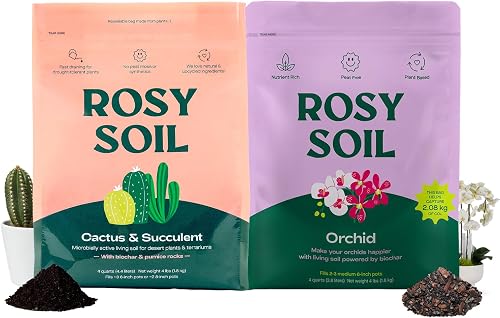
Cactus and Succulent Potting Mix and Orchid Potting Mix
This bundle pairs a cactus and succulent potting mix with an orchid potting mix, providing four quarts of each medium. Both mixes feature a peat-free chunky formulation enriched with biochar and mycorrhizae.
- Peat-Free Chunky Soil with Biochar and Mycorrhizae
- 4 Qt Each
Peat-free chunky root environments
View on Amazon (opens in a new tab)
Check current details and price
Read the detailed assessment
What stands out
- Utilizes a peat-free chunky soil formulation incorporating beneficial biochar and mycorrhizae.
- Includes four quarts of cactus and succulent mix alongside four quarts of orchid mix.
- Designed to create airy, chunky root environments for specialized epiphytes and desert plants.
What to consider
- Chunky soil textures allow water to run through very rapidly, requiring adjustments to your watering frequency.
- Splitting the total quantity between cactus and orchid mixes limits the volume available for a single plant type.
The practical verdict
Suits gardeners seeking peat-free, chunky media enriched with mycorrhizae for orchids and cacti. Avoid if you prefer dense, moisture-retentive peat composts that hold water for extended periods. The main trade-off is managing a fast-draining chunky texture that demands more frequent watering checks.

Indoor Plant Soil Bundle, Organic Potting Mix for Succulents,
This indoor plant soil bundle offers organic potting mixes for succulents, cacti, monstera, and tropical plants. Supplied in peat-free four-quart quantities per variety, it addresses diverse indoor container requirements.
- Organic Potting Mix for Succulents
- Tropicals and More
- 4 Qt Each
Organic multi-variety indoor pots
View on Amazon (opens in a new tab)
Check current details and price
Read the detailed assessment
What stands out
- Provides organic potting mixes tailored for succulents, cacti, monstera, and tropical varieties.
- Features a peat-free formulation across the included four-quart component bags.
- Accommodates mixed indoor collections ranging from moisture-loving tropicals to arid cacti.
What to consider
- The four-quart bag size per variety restricts large-scale planting projects without purchasing extra bundles.
- Maintaining different organic mixes for separate plant families requires sorting containers during repotting.
The practical verdict
Best for growers with diverse indoor plant shelves containing both tropical monsteras and arid cacti. Avoid if you want a single massive bag of identical soil for a uniform outdoor garden. The trade-off is sorting through multiple small organic specialty bags instead of relying on a single bulk blend.
How this comparison was prepared
We use the supplied product identities and listing details to compare intended use, stated features and practical trade-offs. Listing claims are not independent performance tests. This page does not claim laboratory testing, personal ownership or an analysis of customer-review counts. The shortlist order is not a numeric test ranking. Confirm model details, compatibility and current terms on the seller or manufacturer page before purchasing.
Buying guide
Evaluating Drainage and Aeration Properties
Understanding how water moves through a container medium is essential for keeping desert plants alive. Cacti and succulents naturally inhabit arid regions where standing water is rare, meaning their root structures quickly rot if left in dense, soggy earth. When shopping for planting mixes, look for ingredient lists that explicitly feature coarse sand, perlite, pumice, or pine bark. These structural components create microscopic air pockets that allow excess moisture to escape through drainage holes rapidly.
Choosing a medium with high porosity ensures oxygen reaches delicate root tips even after a thorough watering. Gardeners should avoid heavy topsoil or standard garden bed dirt for indoor containers, as these options compact easily and retain too much moisture. Selecting an appropriately aerated blend minimizes the risk of fungal issues and root decay, giving your indoor desert plants a stable environment to establish themselves over time.
Comparing Organic Versus Inorganic Ingredients
Plant growing media rely on different combinations of organic matter and inorganic minerals to achieve optimal texture. Organic elements like peat moss, coco coir, and composted pine bark provide initial structure and hold trace nutrients for growing roots. However, excessive organic matter can break down over time and hold onto water longer than desert plants prefer. Balancing these components with inorganic materials like calcined clay or coarse sand prevents the soil from packing down too tightly.
Many modern specialty formulations utilize peat-free alternatives or biochar to support sustainable gardening practices while maintaining necessary porosity. When selecting a mix, consider whether your watering routine aligns with the organic retention level of the soil. Drier indoor environments with frequent heating might benefit from slight organic moisture buffers, whereas humid spaces demand maximum inorganic drainage components to keep root zones healthy.
Sizing Volumes for Container Collections
Calculating the correct soil volume prevents frustrating shortages midway through a major repotting project. Small indoor pots holding miniature succulents or starter cacti often require only a few quarts of media, making multi-pack bags of two to four quarts exceptionally practical. Conversely, large ceramic planters or extensive collections of mature houseplants demand substantial bulk volumes ranging from 24 quarts to full cubic-foot bags to complete the task properly.
Purchasing appropriately sized bags also reduces storage clutter in closets, garages, or utility rooms. If you maintain a diverse collection of different plant families, bundles featuring various specialty mixes in smaller quantities offer great versatility without forcing you to store massive unused bags of a single formula. Always measure your container dimensions and estimate total soil capacity before finalizing your purchase decision.
Matching Soil to Specific Plant Families
Different indoor plant species have evolved distinct root adaptations that dictate their preferred growing environments. While desert cacti and lithops require extremely lean, rocky, and fast-draining soils, tropical houseplants like monsteras prefer richer, moisture-retentive organic matter. Using a generic garden soil across all indoor species often leads to poor plant health because the physical properties fail to match natural habitat conditions.
Specialized ready-to-use potting blends take the guesswork out of formulation by proportioning ingredients like perlite, peat, and bark for targeted plant types. Reviewing manufacturer listings for specific plant compatibility ensures your ferns, succulents, or orchids receive an appropriate balance of nutrients and drainage. Investing in the correct specialized mix supports steady root development and reduces long-term maintenance difficulties.
Understanding Amendments and Soil Enhancements
Soil amendments such as biochar, mycorrhizae, and concentrated plant foods allow gardeners to customize basic potting mixes for enhanced performance. Biochar helps maintain structural integrity and supports beneficial microbial activity within the container over extended periods. Meanwhile, mycorrhizal fungi establish symbiotic relationships with plant roots, assisting in nutrient and water uptake under varying indoor conditions.
When evaluating products that include separate nutrient or amendment components, consider whether you prefer an all-in-one bundle or a simple standalone soil bag. Bundles that pair growing media with active plant food provide convenient nutritional support for growing seasons, though they require careful application. Assessing your current fertilizer routine helps you determine whether these extra amendment components add practical value to your indoor setup.
Practical Storage and Handling Considerations
Managing bags of potting soil involves practical factors like package weight, resealability, and storage stability. Heavy cubic-foot bags offer high volume for large outdoor or ground projects but can be cumbersome to maneuver inside narrow indoor hallways or apartment spaces. Smaller packaged quantities or multi-pack bags provide easier handling and simpler portion control for tabletop repotting tasks.
Properly storing leftover soil in sealed containers prevents moisture loss, contamination, or pest intrusion between planting sessions. Selecting packaging that suits your available storage space ensures your extra medium remains ready for future propagation or transplanting work. Evaluating these logistical aspects keeps your gardening workspace clean and organized throughout the year.
Frequently asked questions
What makes cactus soil different from regular potting soil?
Cactus soil is specifically formulated with high-porosity materials like perlite, coarse sand, pine bark, or calcined clay to ensure rapid drainage. Regular potting soil often retains too much moisture for desert plants, which can lead to root rot.
Can I use cactus potting mix for my tropical indoor houseplants?
Using pure cactus mix for tropical houseplants is generally discouraged because tropical species prefer moisture-retentive organic matter. However, some bundle packages provide separate mixes tailored for both tropicals and cacti to accommodate mixed indoor plant collections properly.
How do I know what soil volume to buy for my pots?
Measuring the diameter and depth of your containers helps estimate the required soil volume in quarts or cubic feet. Smaller starter pots typically require just a few quarts of media, whereas large floor containers need bulk bags exceeding twenty quarts.
Are peat-free soil options effective for indoor container gardening?
Peat-free soil options utilize alternative organic or structural components like coco coir, biochar, or chunky bark to support root growth. These mixes provide comparable aeration and drainage while supporting sustainable gardening practices without relying on traditional peat bogs.
Why do some soil mixes include perlite and pine bark?
Perlite and pine bark create microscopic air channels and spaces within the soil matrix, which prevents compaction and speeds up water drainage. This improved aeration ensures essential oxygen reaches plant roots after every watering session.
Final thoughts
Selecting the appropriate growing medium for desert plants and indoor containers significantly influences long-term plant health and maintenance ease. By focusing on essential physical properties like drainage speed, particle structure, and organic content, gardeners can avoid common issues associated with soggy roots. Whether you manage a single windowsill succulent or a diverse indoor collection, matching the soil composition to your plant's natural habitat ensures a stable foundation.
Taking time to evaluate bag sizes, bundle contents, and specialized ingredients helps you find a practical product without unnecessary complications. Reviewing the detailed specifications and trade-offs of each available mix guides you toward an informed purchasing decision tailored to your specific indoor gardening space and routine.