Discover practical methods to identify, remove, and prevent white mold in your container gardens. Protect your houseplants using proper watering and airflow techniques.
Key Takeaway:
White mold on soil is usually harmless saprophytic fungi thriving in damp environments. Scrape away the surface layer and increase ambient air circulation to resolve the issue.
Quick-Reference Guide
| Factor / Scenario | Recommended Target | Why It Matters |
|---|---|---|
| Soil Moisture | Allow top 2 inches to dry | Prevents surface fungal colonization |
| Ambient Humidity | 40 percent to 50 percent | Discourages airborne spore germination |
| Air Circulation | Gentle, continuous breeze | Accelerates surface evaporation rates |
| Drainage Material | Porous terracotta or plastic with holes | Prevents perched water tables |
| Organic Content | Balanced peat and perlite mix | Reduces decomposing matter for fungi |
| Surface Treatment | Cinnamon or hydrogen peroxide | Inhibits fungal growth naturally |
Understanding White Mold and Fungal Growth in Containers
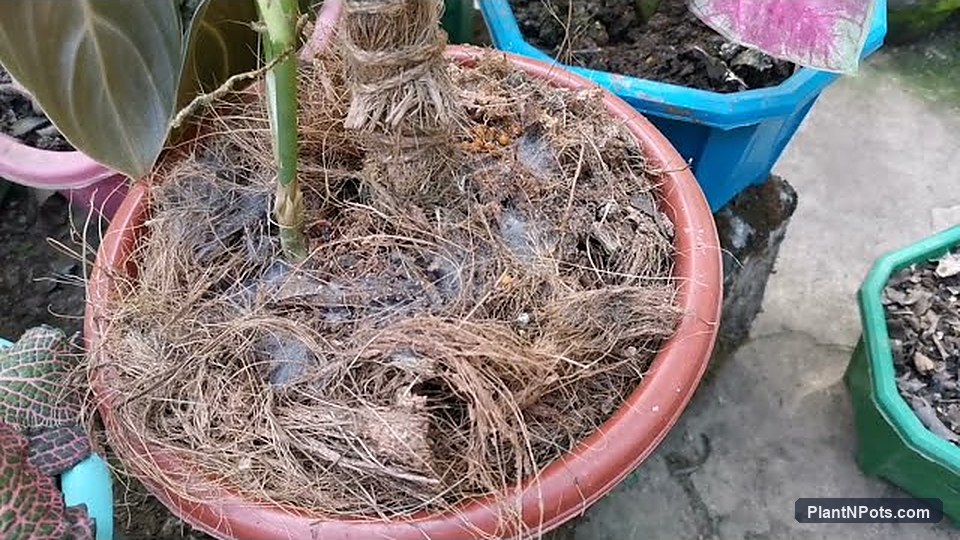
Container gardeners frequently encounter a powdery white coating resting across their potting mix. This common phenomenon stems from microscopic fungal spores entering your indoor living space through open windows or HVAC vents.
These organisms belong to saprophytic fungi families that actively break down decaying organic matter. Unlike parasitic plant diseases, they typically feed on dead bark fragments or decomposing compost within your container substrate.
Recognizing the nature of these organisms helps prevent unnecessary panic among enthusiastic indoor plant collectors. While unsightly, standard surface molds rarely threaten established root systems unless underlying cultural conditions remain chronically damp.
Assessing your specific indoor microclimate provides vital clues regarding why these fungal colonies establish themselves. High ambient humidity combined with stagnant air creates an ideal breeding ground for microscopic spores floating indoors.
- Identify white fuzzy patches on the soil surface early.
- Understand that saprophytic fungi consume dead organic material.
- Evaluate indoor humidity levels near your container displays.
- Distinguish between harmless surface mold and root rot pathogens.
Natural Organic Breakdown Processes
Composted bark and peat moss naturally harbor dormant fungal spores waiting for moisture. When you water frequently, these dormant structures awaken and rapidly colonize the uppermost soil layer exposed to oxygen.
Understanding this natural cycle allows you to manage expectations without relying on harsh chemical treatments. Routine surface maintenance usually resolves minor outbreaks before they can negatively impact overall plant health.
- Bark amendments encourage natural fungal activity.
- Frequent irrigation awakens dormant microscopic spores.
- Oxygen exposure triggers rapid surface colonization.
Root Causes Behind Fungal Development on Container Soil
Excessive moisture retention stands as the primary culprit behind unwanted fungal blooms in containers. When potting mix remains saturated for extended periods, oxygen depletion encourages specialized microorganisms to proliferate rapidly.
Using breathable vessels like the [best small clay flower pots](https://plantnpots.com/?p=1087) significantly reduces chronic moisture retention issues. Their porous material allows excess water to evaporate steadily through the container walls.
Poor indoor ventilation restricts the natural evaporation of moisture from the topsoil surface. Stagnant air pockets trap humidity right above the container rim, allowing fungal hyphae to spread across the substrate.
Overly dense potting mediums lacking coarse amendments hold too much water around root zones. Heavy garden soils or old degraded compost restrict airflow through the root ball, promoting persistent mold outbreaks.
- Check pots for blocked or missing drainage holes.
- Avoid compacting dense potting soil during planting.
- Ensure room air moves freely around container edges.
- Modify watering schedules during cooler winter months.
The Impact of Low Light and Cool Temperatures
Reduced winter sunlight slows down plant transpiration rates significantly across indoor collections. Because plants drink less water, soil stays wet longer, giving opportunistic fungi ample time to establish colonies.
Cooler ambient room temperatures further reduce moisture evaporation rates from the container surface. Combining low light with chilly drafts creates the ultimate environment for persistent white fuzzy mold.
- Plants absorb less moisture during shorter winter days.
- Slower evaporation keeps topsoil damp for days longer.
- Cool room temperatures favor fungal spore development.
Video Walkthrough: White Mold on top of soil on houseplants and is it Harmful ?
Visual Identification of Harmless Fuzz Versus Harmful Pathogens
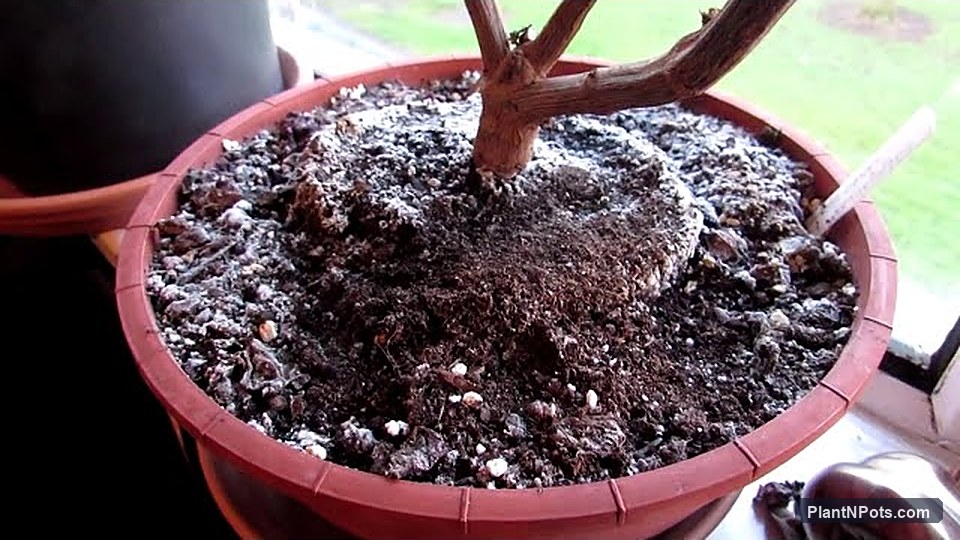
Accurately identifying white mold helps you choose the correct remediation strategy for your houseplants. Harmless saprophytic mold typically appears as a dry, powdery, or cottony white film strictly confined to the soil surface.
In contrast, dangerous root pathogens often attack the actual root system before showing visible above-ground symptoms. Plants suffering from severe root rot display yellowing leaves, wilting stems, and a distinctly foul odor.
Mineral crusts resulting from hard tap water frequently get mistaken for organic white mold. Unlike fluffy fungal growth, mineral salt deposits feel hard, brittle, and crystalline when touched gently with a fingertip.
Examining the texture with a magnifying glass reveals the true nature of the substance. Fungal hyphae show thread-like branching filaments, whereas mineral buildup forms flat, chalky crusts around container rims.
- Look for fluffy or powdery textures on the soil.
- Check if white deposits are hard mineral salt crusts.
- Inspect plant foliage for unexpected wilting or yellowing.
- Smell the potting mix for musty versus rotting odors.
Distinguishing Mineral Salt Buildup from Fungi
Tap water contains dissolved minerals that accumulate on soil surfaces as moisture evaporates. These white crusts are completely inorganic and pose zero biological threat to your indoor container plants.
Flushing pots periodically with distilled water dissolves accumulated mineral salts effectively. You can easily scrape away leftover residue without worrying about treating active biological fungal infections.
- Tap water minerals leave hard white crusts behind.
- Inorganic salt deposits do not spread like living mold.
- Flush pots regularly to prevent heavy mineral scaling.
Immediate Eradication Techniques for Surface Mold
Removing mold from your best white ceramic indoor pot prevents spores from releasing into indoor air. Carefully scoop away the contaminated top layer of soil before discarding it safely.
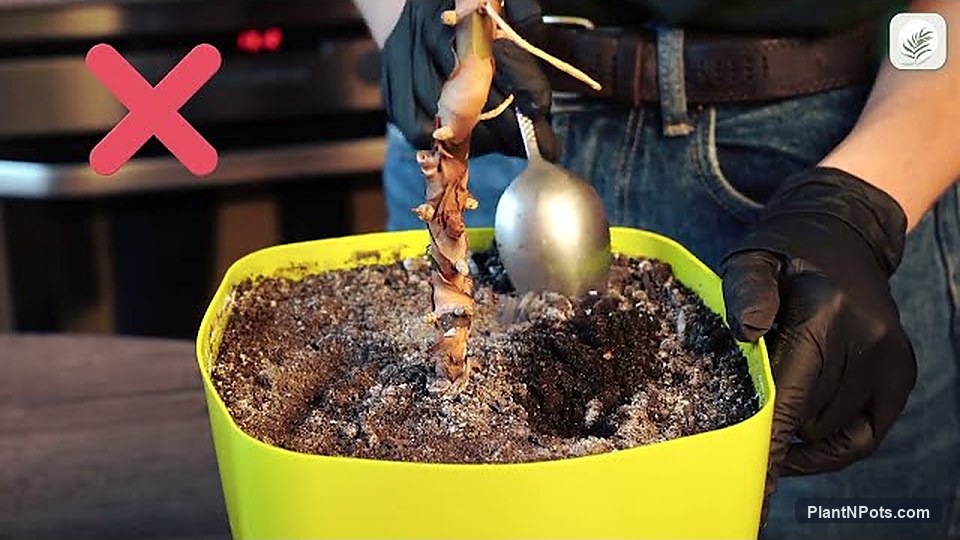
Discard the infested soil securely outside your home to avoid spreading spores to nearby plants. Replacing the removed substrate with fresh, dry potting mix restores a clean barrier at the surface.
Dusting the exposed soil surface with plain ground cinnamon provides a natural antifungal remedy. Cinnamon contains active organic compounds that inhibit fungal growth without harming your valuable container plants.
Diluted hydrogen peroxide solutions offer another effective contact treatment for stubborn surface outbreaks. Mix one part household hydrogen peroxide with four parts water and spray lightly over the affected soil.
- Scoop away visible white surface mold immediately.
- Apply ground cinnamon as a natural antifungal powder.
- Spray diluted hydrogen peroxide to kill remaining spores.
- Replace removed topsoil with fresh dry substrate.
Applying Natural Antifungal Household Treatments
Baking soda solutions can neutralize acidic soil conditions favored by certain molds. Dissolve a small pinch of baking soda in water and mist the surface sparingly to discourage recurrence.
Always test natural treatments on a tiny section of soil first. Monitoring your plant for a few days ensures the remedy does not cause unexpected leaf drop or root stress.
- Baking soda neutralizes acidic fungal environments.
- Test mild solutions on a small soil area first.
- Avoid saturating soil when applying liquid remedies.
Adjusting Watering Habits to Starve Fungal Spores
Mastering your irrigation routine remains the single most effective defense against recurring mold. Always allow the top one to two inches of potting mix to dry completely before watering again.
Adopt the soak-and-drain method rather than giving plants frequent light sips of water. Thorough saturation followed by complete gravity drainage encourages deep root growth while keeping the surface dry.
Insert your finger deep into the container soil to assess internal moisture levels accurately. Never rely solely on the appearance of the topsoil layer, which dries out much faster than deeper zones.
Empty saucers promptly after watering to prevent containers from sitting in standing moisture. Trapped water in saucers reabsorbs into the pot, maintaining high soil humidity levels that foster mold.
- Let topsoil dry thoroughly between watering sessions.
- Water deeply until liquid drains from bottom holes.
- Empty saucers within minutes of irrigation completion.
- Test internal soil moisture with a wooden chopstick.
Using Bottom Watering Methods Safely
Bottom watering lets root systems absorb moisture upward without dampening the soil surface. Place your potted plant in a basin of water for twenty minutes until moisture wicks upward.
This technique keeps the topsoil completely dry, denying fungal spores the moisture they need to germinate. Remember to flush the pot from above occasionally to prevent mineral salt buildup.
- Bottom watering keeps topsoil dry and mold-free.
- Allow pots to absorb water for twenty minutes.
- Flush from top periodically to remove mineral salts.
Video Walkthrough: Introduction
Enhancing Ventilation and Ambient Airflow Indoors
Stagnant indoor air creates microscopic pockets of high humidity right around container plants. Introducing gentle, continuous air movement disperses trapped moisture and discourages airborne fungal spores from settling.
Positioning small oscillating fans near dense indoor plant displays improves ambient air exchange dramatically. Operating these fans on a low speed keeps foliage and soil surfaces dry and refreshed.
Opening windows when weather permits allows fresh outdoor air to circulate through your rooms. Natural breezes quickly lower indoor humidity levels and reduce overall mold pressure across your home.
Spacing your container plants adequately prevents humid microclimates from forming between pots. Crowded foliage traps moisture against container rims, creating ideal conditions for stubborn white mold colonies.
- Use small oscillating fans to circulate indoor air.
- Space potted plants apart to improve cross-ventilation.
- Open windows regularly to freshen indoor spaces.
- Avoid placing containers in dark, unventilated corners.
Managing Indoor Humidity in Enclosed Spaces
Bathrooms and kitchens often feature higher humidity levels that promote container mold growth. Consider relocating sensitive plants to drier, brighter rooms if mold problems persist despite adjustments.
Running portable dehumidifiers in plant-heavy rooms helps maintain optimal ambient moisture levels. Keeping room humidity below fifty percent stops most household fungal spores from germinating.
- Relocate mold-prone plants away from damp bathrooms.
- Use portable dehumidifiers in crowded plant rooms.
- Target ambient indoor humidity below fifty percent.
Repotting Strategies for Severely Affected Container Plants
Severe mold infestations extending deep into the root ball require complete repotting. Start by gently removing the plant from its container and shaking away old, contaminated potting soil.
Inspect the root system carefully for mushy decay. Trim away rotting tissue and transfer the plant into a [best eva solo orchid pot](https://plantnpots.com/?p=2890) designed to enhance overall oxygen circulation.
Wash the existing container thoroughly with a mild bleach solution to kill lingering spores. Rinse the pot completely before adding fresh, well-draining potting mix blended with perlite and bark.
Repot your plant at the exact same soil depth as before, pressing gently to stabilize roots. Water lightly to settle the fresh medium and place the container in a well-ventilated spot.
- Repot plants when mold penetrates deep into soil.
- Wash and sterilize pots before reusing them.
- Trim away any decaying or damaged root tissue.
- Use fresh, coarse, well-draining potting mixes.
Selecting Superior Porous Potting Materials
Terracotta and unglazed ceramic pots allow moisture to evaporate through container walls naturally. This breathability prevents stagnant soil conditions that typically invite stubborn white mold outbreaks.
Avoid using non-porous plastic pots without adequate drainage holes for moisture-sensitive species. Proper container material choice makes long-term soil health management significantly easier for growers.
- Terracotta pots allow natural moisture evaporation.
- Unglazed ceramics prevent soggy soil conditions.
- Match container breathability to plant water needs.
Long-Term Prevention Protocols for Healthy Potted Plants
Establishing consistent preventive habits ensures your indoor container gardens remain completely mold-free. Monitor your watering routines, lighting conditions, and ambient air circulation throughout every changing season.
Sterilize all new bags of potting mix before use by baking them or wetting them thoroughly. Pre-treatment eliminates dormant fungal spores and insect eggs hiding inside commercial soil packages.
Prune away dead leaves and fallen organic debris from the soil surface immediately. Decomposing plant matter serves as the primary food source for saprophytic fungi lurking in your containers.
Inspect your indoor plant collection weekly to catch early warning signs of mold development. Quick intervention stops minor surface fuzz from turning into a widespread container management issue.
- Monitor watering and ventilation habits year-round.
- Remove fallen dead leaves from soil surfaces daily.
- Sterilize new potting soil before planting projects.
- Inspect container collections on a weekly basis.
Creating a Seasonal Plant Maintenance Calendar
Adjust your plant care routines to match seasonal shifts in temperature and light. Reduce watering frequency during dark winter months when soil drying rates slow down considerably.
Clean and dust plant leaves regularly to maintain efficient photosynthesis and transpiration. Healthy plants resist environmental stressors and fungal challenges much more effectively.
- Adapt plant care routines to seasonal climate shifts.
- Reduce irrigation frequency during dark winter weeks.
- Clean foliage regularly to support plant vigor.
Frequently Asked Questions
Is white mold on potting soil dangerous to humans or pets?
Most saprophytic surface molds are harmless to healthy individuals and pets. Sensitive individuals with severe allergies or asthma might experience mild respiratory irritation from airborne spores.
Can I simply mix the white mold back into the soil?
Mixing mold into the potting mix is discouraged because it distributes spores throughout the root zone. Scoop the contaminated surface layer out completely and discard it instead.
Why does white mold return even after I scrape it off?
Mold returns when underlying cultural issues like poor drainage and high humidity persist. Improve ambient air circulation and allow the topsoil to dry out thoroughly.
Does cinnamon really kill mold on houseplant soil?
Ground cinnamon acts as a natural antifungal agent that inhibits fungal spore germination effectively. Dust a thin layer across the affected topsoil after removing the initial mold.
How can I prevent mold when starting seeds indoors?
Seedlings require high humidity, which unfortunately encourages stubborn fungal damping-off diseases. Use gentle oscillating fans and sterile seed-starting mix to protect delicate sprouts.

