Discover the precise container dimensions needed to keep aggressive mint roots contained while promoting lush, flavorful herb growth in your home garden.
Key Takeaway:
Mint requires a minimum 10-inch diameter pot with a shallow, wide profile to successfully accommodate aggressive horizontal runners and prevent premature root binding.
Quick-Reference Guide
| Factor / Scenario | Recommended Target | Why It Matters |
|---|---|---|
| Single Mint Starter | 10 to 12 inches wide | Provides adequate space for initial runner spread without overcrowding. |
| Mature Plant Division | 14 to 16 inches wide | Accommodates multiple established root clusters and prevents frequent repotting. |
| Pot Depth | 6 to 8 inches deep | Matches shallow root systems and avoids soggy lower soil layers. |
| Drainage Requirements | Multiple wide bottom holes | Prevents root rot by ensuring excess irrigation water escapes quickly. |
| Material Choice | Glazed ceramic or plastic | Retains essential moisture better than porous unsealed terracotta. |
| Containment Check | Annual spring pruning | Controls runaway growth without requiring massive container upgrades. |
Understanding Mint Root Habits and Growth Patterns
Mint plants belong to the Lamiaceae family and possess vigorous underground stems known as rhizomes or runners. These specialized structures allow the herb to spread rapidly across available soil surfaces.
Because these roots travel horizontally rather than vertically, traditional deep containers fail to satisfy their habits. Utilizing sturdy windowsill herb pots provides the necessary horizontal space.
Ignoring this biological reality usually results in stunted top growth and tangled root mats that choke out the plant. Selecting proper containers guarantees long-term vitality for your culinary herbs.
Gardeners often underestimate how quickly a small nursery starter can dominate an entire container. Recognizing this aggressive nature helps you choose adequately sized vessels right from the start.
Mint produces aggressive underground stems known as rhizomes. These horizontal runners spread rapidly beneath the soil surface, seeking out new space to establish dense root systems in compact containers.
Unlike plants with taproot structures, mint relies on a shallow, widespread network. This horizontal expansion demands a wider container footprint rather than deep vertical clearance to support healthy foliage growth.
During active spring growth phases, these underground runners can double their mass within weeks. Managing this rapid underground expansion requires careful monitoring of surface soil and adequate room for lateral root spread.
Ignoring these natural botanical tendencies often leads to root-bound plants. When rhizomes circle tightly against pot walls, nutrient uptake drops sharply, causing visible leaf yellowing and stunted overall development above ground.
- Rhizomes travel just beneath the topsoil layer.
- Horizontal spread outpaces vertical root depth significantly.
- Small starter pots restrict growth within weeks.
- Aggressive expansion demands intentional container sizing.
Recognizing Rhizome Expansion
Rhizomes actively seek out weak spots in container walls and drainage holes during peak growing seasons. Inspecting your container base regularly prevents unexpected garden invasions.
Understanding this rapid expansion rate ensures you never accidentally plant mint directly into open garden soil alongside weaker perennial companions that cannot defend themselves against aggressive runners.
- Check drainage holes monthly for escaping roots.
- Keep containers elevated on pot feet for safety.
Selecting the Optimal Container Width Over Depth
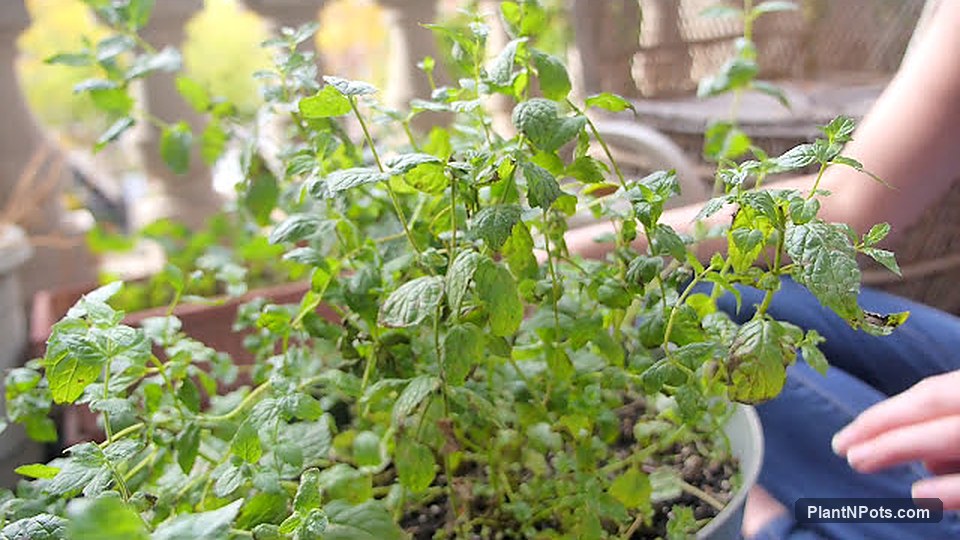
When shopping for mint containers, prioritize surface width over pot depth. A wide bowl-style planter allows runners to circle the perimeter rather than tangling in tight vertical circles.
Standard pots that taper sharply toward the bottom squeeze developing rhizomes and accelerate root binding. Straight-sided containers or wide resin bowls offer superior internal volume distribution.
Aim for a starting diameter of at least ten inches for a single young plant. Anything smaller forces you into constant emergency repotting cycles throughout the warm summer months.
Deep urns waste valuable soil volume at the bottom where mint roots rarely venture. Shallow, expansive window boxes or wide patio bowls maximize usable real estate for foliage.
Selecting containers with a minimum width of twelve inches ensures your mint has ample lateral space. Shallow bowls or wide window boxes outperform deep cylindrical pots by accommodating natural horizontal runner expansion.
Standard nursery pots measuring eight to ten inches deep provide more than enough vertical clearance. Focus your purchasing decisions on surface area metrics rather than deep soil volume to match botanical requirements.
Wide pots also improve overall structural stability against heavy wind gusts. As dense foliage cascades over container edges, a broad base prevents top-heavy tipping during outdoor placement on patios or balconies.
Verify that your chosen container incorporates multiple drainage holes across the broad base. Proper width means little if stagnant water pools underneath the expansive root mat, leading directly to fatal root rot.
- Choose wide bowls over tall cylindrical pots.
- Avoid steep bottom tapers that restrict rhizomes.
- Target ten to twelve inches for young starts.
- Maximize surface area for optimal runner expansion.
Evaluating Planter Profiles
Cylindrical nursery containers force roots downward before they can spread horizontally. Transferring your mint into a wider vessel immediately unlocks accelerated vegetative growth.
Shallow planters keep moisture levels uniform across the root zone, preventing the stagnant lower soil conditions common in oversized, deep garden urns.
- Match pot geometry to root behavior.
- Ensure uniform soil moisture across shallow profiles.
Video Walkthrough: GreenStalk Mini Tier First Look: A $10 Mini Planter for Houseplants \u0026 Herbs
Why Solo Housing is Mandatory for Mint
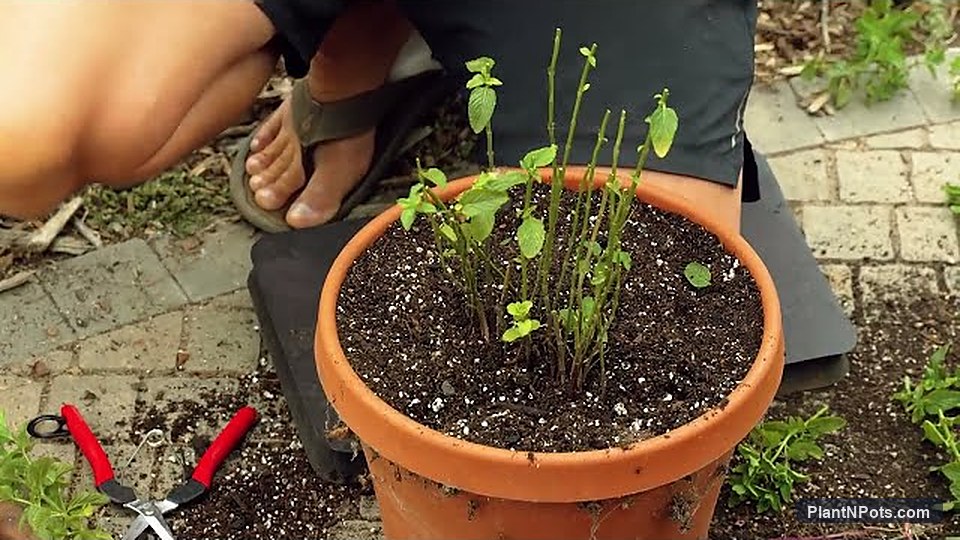
Never plant mint alongside basil, parsley, or thyme in a shared multi-herb container garden. Mint acts as an aggressive botanical bully that quickly starves neighboring plants of water.
The vigorous root network will completely colonize shared potting mix within a single season. Companion herbs stand zero chance against this relentless underground invasion.
Isolating your mint in its own dedicated container protects your other culinary favorites from being choked out. Dedicated housing also simplifies targeted watering and fertilizing routines.
Creating a strict boundary keeps garden maintenance straightforward and stress-free. Your container herb arrangement will thrive only when aggressive species remain securely separated.
Planting mint alongside other herbs in a shared container is a critical gardening mistake. The aggressive rhizome system will aggressively choke out companion roots, starving neighboring species of vital water and soil nutrients.
Even robust herbs like rosemary or thyme cannot compete against mint's relentless underground expansion. Within a single growing season, the aggressive runner network will completely colonize the shared soil volume without mercy.
Dedicated solo containers keep aggressive growth safely isolated from garden beds and mixed planters. This single-pot strategy simplifies targeted watering schedules and makes routine seasonal maintenance significantly easier to manage.
If you prefer a diverse herb garden, use [reliable terracotta pots with drainage holes](https://plantnpots.com/?p=1313) placed side by side. Maintaining strict physical separation prevents aggressive runners from escaping into adjacent soil mixes.
- Never mix mint with gentle herbs like parsley.
- Rhizomes rapidly hijack shared potting soil.
- Dedicated pots simplify targeted plant care.
- Isolating varieties prevents accidental garden takeover.
The Danger of Shared Planters
Communal window boxes look charming initially, but mint runners will quietly breach root barriers. Within months, your other prized culinary herbs will mysteriously yellow and wither away.
Maintaining strict separation preserves root health for every single plant species housed on your sunny patio or kitchen windowsill.
- Root barriers often fail against determined runners.
- Protect delicate herbs by using standalone pots.
Containment Strategies and Preventing Drainage Escapes
Container gardening with mint requires vigilance because runners routinely escape through bottom drainage holes. Elevated plant stands or solid saucers stop wandering roots from reaching surrounding soil.
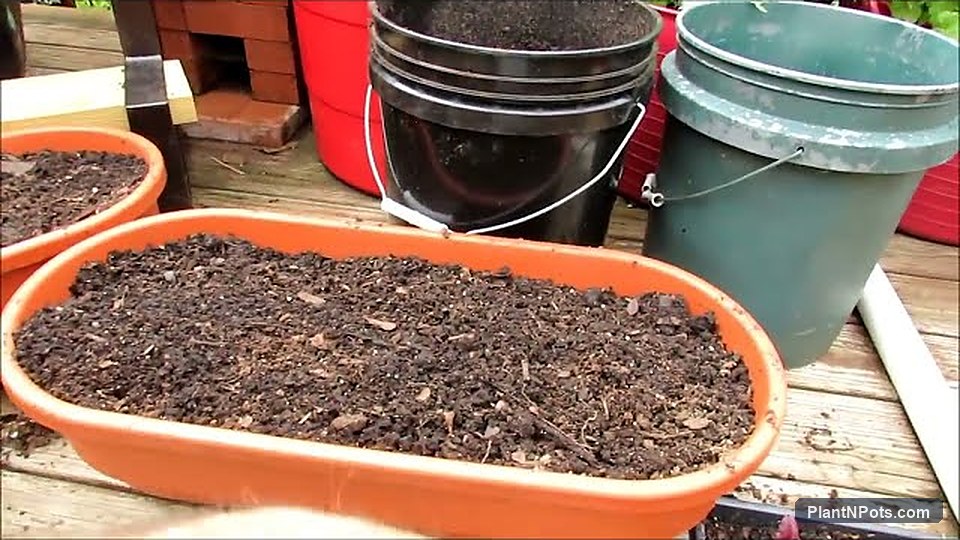
Inspect the underside of your container every few weeks during the active growing season. Snipping away escaping root tips maintains absolute containment without harming the parent plant.
Choosing pots with fine mesh drainage screens prevents opportunistic rhizomes from tunneling outward. This simple physical barrier saves you from unwanted landscape weed situations.
Always place containers on hard surfaces like concrete patios rather than bare garden beds. Escaped runners touching bare dirt will root instantly and launch a hostile takeover.
Mint roots are remarkably persistent and will actively seek out drainage holes to escape. Inspect the bottom of your containers monthly to clip any rogue rhizomes attempting to breach the drainage mesh.
Elevating pots on ceramic feet or plant risers improves airflow and discourages root exploration. When roots hit open air rather than moist garden soil, they naturally air-prune instead of rooting downward.
Placing fine hardware cloth or mesh over interior drainage holes adds another protective barrier. This physical intervention blocks thick rhizomes from pushing through while still allowing excess irrigation water to escape freely.
Never place uncontained pots directly on bare soil surfaces in your yard. Escaping runners will effortlessly burrow through drainage apertures into the ground, instantly establishing a permanent, hard-to-eradicate garden patch.
- Elevate pots on sturdy stands or pot feet.
- Inspect drainage holes during routine watering sessions.
- Use mesh screens to block underground escape routes.
- Position planters away from unpaved garden soil.
Managing Patio Escapes
Even on paved balconies, mint runners can find cracks in mortar or expansion joints. Keep pots swept clean of fallen stems that might touch soil and root.
Proactive boundary management ensures your container garden remains an orderly culinary collection rather than an untamed jungle.
- Sweep balcony surfaces regularly.
- Discard stray stem cuttings immediately.
Annual Root Pruning Versus Upsizing Containers
Instead of moving your mint into progressively massive pots every year, practice annual root pruning. This technique keeps the plant vigorous while maintaining a manageable container size.
Tip the plant out of its pot each spring, slice away the outer third of the root ball, and replenish with fresh potting mix. This mimics natural renewal and curbs runaway expansion.
Upsizing infinitely leads to impossibly heavy planters that become difficult to move or maintain. Controlled root pruning preserves a manageable footprint on your deck or patio.
Combine root pruning with stem harvesting to encourage bushier leaf production throughout the upcoming growing season. Your mint will reward this simple maintenance with vibrant new growth.
Overcrowded containers require annual root pruning to maintain plant vigor without upgrading to massive pots. Remove the plant in early spring, slicing away outer root mass using a sterile garden knife.
Alternatively, upgrading your vessel every two years accommodates natural expansion. When you [choose the right pot size](https://plantnpots.com/?p=6664), refresh the potting mix entirely to restore vital depleted soil nutrients and support healthy roots.
Pruning back both roots and foliage encourages fresh, aromatic leaf production. Neglecting this essential maintenance causes woody stems, diminished flavor profiles, and eventual decline as soil compaction chokes out air pockets.
Always sterilize your cutting tools with isopropyl alcohol before trimming root systems. This simple hygiene step prevents fungal pathogens from entering fresh cuts and infecting your recovering culinary herb collection.
- Perform root maintenance every spring season.
- Slice away outer root zones to control size.
- Replenish depleted soil with fresh organic mix.
- Avoid endless container upgrades to save effort.
Executing Spring Renovation
Gently tease apart tangled root masses using a clean cultivator or your gloved hands. Pruning back old growth stimulates fresh, tender culinary leaves for your kitchen recipes.
Repot the trimmed root clump back into its original cleaned container using nutrient-rich potting soil for optimal performance.
- Tease apart dense, compacted root circles.
- Replant in sanitized containers with fresh soil.
Soil, Moisture, and Drainage Essentials for Containers
Mint thrives in consistently damp soil that drains freely without becoming waterlogged. High-quality soilless potting mix enriched with organic compost provides the ideal structural foundation.
Avoid heavy garden dirt because it compacts severely inside confined containers, suffocating delicate roots. Lightweight commercial potting blends maintain essential air pockets for robust root respiration.
Water your container mint deeply whenever the top inch of soil feels dry to the touch. Consistent hydration prevents bitter leaf flavors and keeps foliage lush and tender.
Ensure your chosen planter features at least one generous drainage hole to prevent standing water. Soggy conditions quickly invite fungal diseases and root rot into your herb garden.
Mint thrives in loamy, well-draining potting mix enriched with organic compost. Heavy garden soils retain too much moisture, compacting tightly inside containers and suffocating the shallow root network over time.
Maintain consistent soil moisture by watering whenever the top inch feels dry. Container-grown mint demands frequent hydration during hot summer months, but standing water in saucers must be emptied promptly.
Incorporating perlite or coarse horticultural sand improves internal aeration and drainage rates. These amendments prevent the soil from turning into a dense sludge during prolonged periods of heavy seasonal rainfall.
Feeding potted mint with a balanced, water-soluble organic fertilizer every four weeks supports rapid growth. Avoid excessive nitrogen applications, which produce abundant weak stems at the expense of rich essential oils.
- Use lightweight, organic-rich potting mixes.
- Water deeply when surface soil dries out.
- Ensure reliable drainage to prevent root rot.
- Avoid dense garden soil in all containers.
Maintaining Ideal Moisture Levels
Container-grown mint dries out faster than garden-planted herbs during peak summer heat waves. Monitor moisture daily to prevent sudden wilting and leaf drop.
Applying a light layer of organic mulch across the soil surface helps retain vital moisture between scheduled watering sessions.
- Check soil moisture daily in summer.
- Apply surface mulch to reduce evaporation rates.
Frequently Asked Questions
Can I grow mint in a small windowsill pot?
Small pots restrict aggressive rhizome expansion and cause rapid root binding. You should use a container at least ten inches wide for healthy growth.
Why is my potted mint turning yellow and dying?
Yellow leaves usually indicate either severe root crowding or waterlogged soil conditions. Check your drainage holes and consider dividing the overgrown root mass.
How deep should a mint container be?
Mint prefers horizontal space over vertical depth, so a pot six to eight inches deep is ideal. Focus on wider bowls rather than deep cylindrical urns.
Can I plant different mint varieties in one pot?
Mixing peppermint and spearmint in a single planter leads to aggressive root competition. Isolate each variety in its own separate wide container to prevent choking.
How often should I repot or prune my mint?
Perform annual spring root pruning by slicing away outer roots and refreshing the soil. This eliminates the need for progressively larger, heavy containers every year.

