Selecting the correct container ensures your garden yields healthy harvests. This guide details exact dimensions and soil volumes for container-grown tomatoes.
Key Takeaway:
Most standard indeterminate varieties require at least a five-gallon container to support extensive root networks and sustain heavy summer fruit production without experiencing severe moisture stress or nutrient lockout.
Quick-Reference Guide
| Factor / Scenario | Recommended Target | Why It Matters |
|---|---|---|
| Determinate Tomatoes | 3 to 5 Gallons | Compact bush growth requires moderate root space. |
| Indeterminate Tomatoes | 10 to 15 Gallons | Vining habits demand expansive root volume. |
| Dwarf Tomato Varieties | 2 to 3 Gallons | Small root systems thrive in tighter spaces. |
| Container Depth | 12 to 18 Inches Minimum | Allows deep vertical taproot penetration. |
| Drainage Holes | Minimum 3 to 5 Openings | Prevents fatal root rot and waterlogging. |
| Growing Medium | Soilless Potting Mix | Ensures optimal aeration and moisture retention. |
Understanding Root Volume and Tomato Container Biology
Tomatoes possess aggressive root systems that rapidly fill available soil space. When constrained, plants stall out, drop blossoms, and exhibit classic signs of early nutrient deficiencies despite regular feeding routines.
A container that is too small forces roots to circle the interior repeatedly. Upgrading your setup or utilizing a best white ceramic indoor pot selection prevents severe root-bound stress.
Providing adequate root volume ensures a steady supply of moisture and essential minerals. Larger volumes buffer daily temperature fluctuations, protecting delicate root hairs from extreme thermal shock during peak afternoon sunlight.
Container gardening removes natural soil buffering capacities entirely. Therefore, matching your container capacity to the specific physiological maturity of your chosen tomato variety remains critical for long-term survival and yield.
- Inspect root expansion rates weekly during peak summer growing seasons.
- Choose wider containers over narrow, deep vessels for better stability.
- Calculate soil volume needs before filling containers with heavy potting mixes.
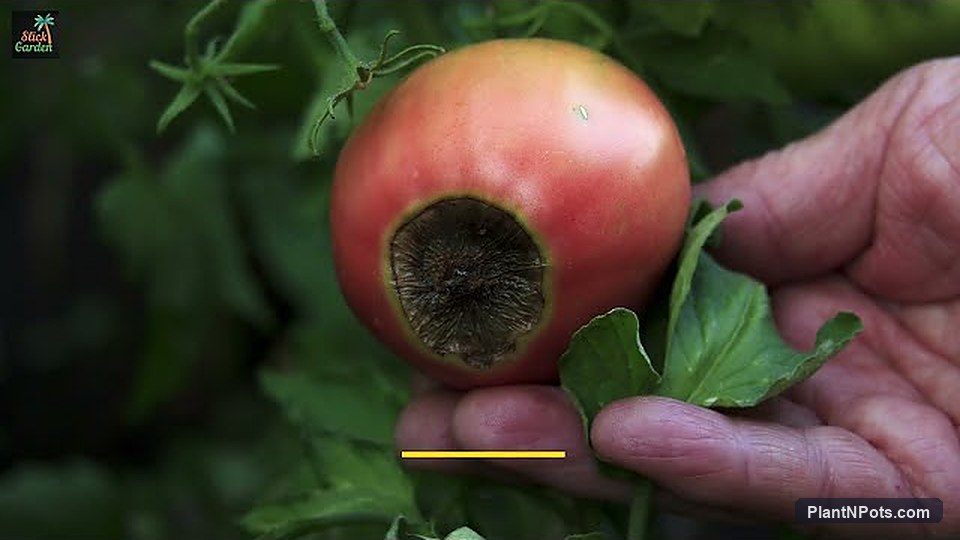
- Maintain consistent moisture levels to prevent blossom end rot in fruits.
The Science of Soil Moisture Buffering
Larger pots hold greater volumes of moisture, preventing the rapid dry-down cycles that plague small containers. This stability keeps nutrient uptake running smoothly throughout the entire fruiting cycle.
Small pots dry out within hours on hot days, causing severe cellular damage. Maintaining ample soil mass protects your harvest from erratic watering schedules and sudden environmental shifts.
- Monitor soil moisture daily using finger depth tests.
- Apply organic mulch to slow surface evaporation rates.
Sizing Containers by Specific Tomato Plant Varieties
Dwarf tomato varieties require minimal root space among edible types. Display these compact selections securely on a best plant stand for living room layout while utilizing two to three gallons of soil.
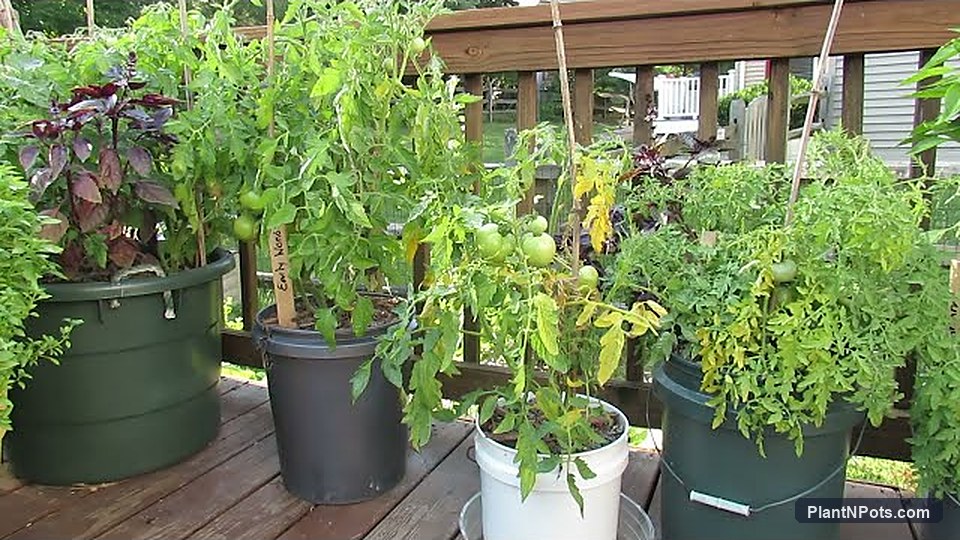
Determinate or bush tomatoes stop growing once flowers set on terminal shoots. These productive plants perform exceptionally well in standard five-gallon buckets or containers matching that specific volumetric capacity.
Indeterminate vining tomatoes continue growing and producing fruit until autumn frost arrives. These vigorous plants demand massive containers holding at least ten to fifteen gallons to support their extensive vine architecture.
Matching container size to plant habit prevents overcrowding and eliminates unnecessary maintenance labor. Assessing your chosen seed packet labels before planting ensures you never select an undersized vessel.
- Measure mature plant spread before selecting your final container layout.
- Dedicate larger pots exclusively to indeterminate vining tomato cultivars.
- Use medium-sized pots for determinate patio and bush tomato types.
- Avoid planting multiple full-size tomatoes in a single container.
Managing Vigorous Indeterminate Cultivars
Indeterminate varieties require heavy structural staking alongside massive root zones. Installing heavy-duty tomato cages inside large containers prevents tipping during heavy wind and rainstorms.
Pruning excess suckers helps balance the immense top growth with restricted container root systems. Keep air circulation high around lower branches to prevent common fungal disease outbreaks.
- Install sturdy stakes early before vines become heavy.
- Prune lower foliage to improve airflow and hygiene.
Video Walkthrough: The Best Pot Size for Growing Tomatoes??? (Big or Small)
Gallons, Inches, and Depth: Decoding Dimensions
Gardeners often confuse surface diameter with actual usable soil depth when evaluating containers. Tomato roots need significant vertical clearance to anchor heavy vines and absorb deep moisture reserves efficiently.
Aim for a minimum container depth of twelve to eighteen inches for any standard-sized fruiting tomato plant. Shallow bowls or wide seedling trays stunt vertical taproot development almost immediately.
Gallon measurements refer to volumetric capacity rather than physical shape dimensions. A tall, narrow pot might hold five gallons, but a wider pot provides superior stability against tipping hazards.
Always measure your pot's internal dimensions before purchasing growing supplies online or locally. Manufacturers sometimes list outer rim measurements that misrepresent the actual internal soil volume available.
- Verify interior depth measurements using a reliable metal measuring tape.
- Prioritize wide bases to support heavy top-heavy fruit clusters.
- Convert gallon ratings to cubic inches to understand exact soil needs.
- Avoid decorative pots lacking adequate vertical depth specifications.
Calculating True Soil Volume
Converting container dimensions into dry gallons helps prevent purchasing insufficient soil blends. Standard formulas require multiplying radius squared by depth and dividing by specific conversion constants.
Remember that settling occurs naturally after initial watering sessions. Always fill containers to within one inch of the rim to account for natural soil compaction over time.
- Calculate volume requirements before heading to garden centers.
- Account for soil settling during initial heavy waterings.
Comparing Material Impacts on Container Selection
Plastic containers retain moisture efficiently but degrade rapidly under intense ultraviolet solar radiation. These lightweight vessels work well for gardeners who need to rearrange patio layouts frequently.
Terracotta and unglazed ceramic pots provide exceptional breathability and heavy stabilizing weight. However, they dry out extremely fast, requiring daily irrigation during peak summer heat waves.
Fabric grow bags promote exceptional root pruning through natural air pruning mechanisms. This process prevents root circling and encourages dense fibrous root structures across diverse tomato cultivars.
Wooden containers offer great insulation against temperature swings but eventually rot over time. Selecting rot-resistant cedar or redwood extends the functional lifespan of handmade wooden planter boxes.
- Select lightweight plastics for easy seasonal container mobility on decks.
- Use fabric grow bags to eliminate root circling in large tomatoes.
- Shield porous terracotta pots from freezing winter temperatures outdoors.
- Line wooden planters with heavy-duty liners to prevent premature decay.
Evaluating Fabric Grow Bags
Fabric bags allow air to penetrate root zones, fostering superior oxygen exchange. This aeration prevents anaerobic soil conditions but demands more frequent watering due to rapid evaporation rates.
Ensure your fabric containers feature reinforced stitched handles for safe seasonal relocation. Placing saucers underneath fabric bags indoors protects delicate flooring surfaces from moisture damage.
- Place saucers under fabric pots on indoor or patio floors.
- Inspect stitching integrity before filling bags with wet soil.
Identifying Root Restriction and Undersized Pots
Undersized pots display distinct warning signs long before plants succumb entirely. Watch for stunted overall growth, pale yellow foliage, and fruit development that halts abruptly mid-season.
When plants outgrow their vessels, upgrade to best tomato pots with reservoir options. These specialized containers prevent rapid drying and maintain stable moisture levels for heavy-feeding crops.
Inspect drainage holes at the bottom of your container for escaping roots. Thick roots protruding from these openings signal an urgent need for container scaling or careful root pruning.
Attempting to rescue severely root-bound tomatoes requires moving them up to larger vessels. Gently tease apart circling roots before repotting to encourage outward radial growth into fresh soil.
- Monitor daily water consumption rates to detect root crowding early.
- Check drainage holes monthly for escaping roots seeking expansion.
- Repot stressed plants immediately into adequately sized container setups.
- Provide balanced liquid fertilizers to support recovering root systems.
Correcting Severe Root Bound Stress
Relieving root compaction involves gently slicing through tightly bound outer root loops. This minor trauma stimulates dormant root tips to branch out into fresh potting soil.
Water thoroughly immediately following any emergency repotting or root disturbance procedure. Keep plants in partial shade for forty-eight hours to minimize transplant shock and encourage recovery.
- Tease circling roots gently before placing in fresh soil.
- Provide temporary shade after repotting to reduce stress.
Video Walkthrough: Never plant tomatoes without this. For large fruits and more tomatoes, follow this
Essential Drainage and Substrate Management Setup
Proper drainage is non-negotiable for successful container tomato production and disease prevention. Containers lacking adequate exit holes trap excess water, leading rapidly to fatal root rot pathogens.
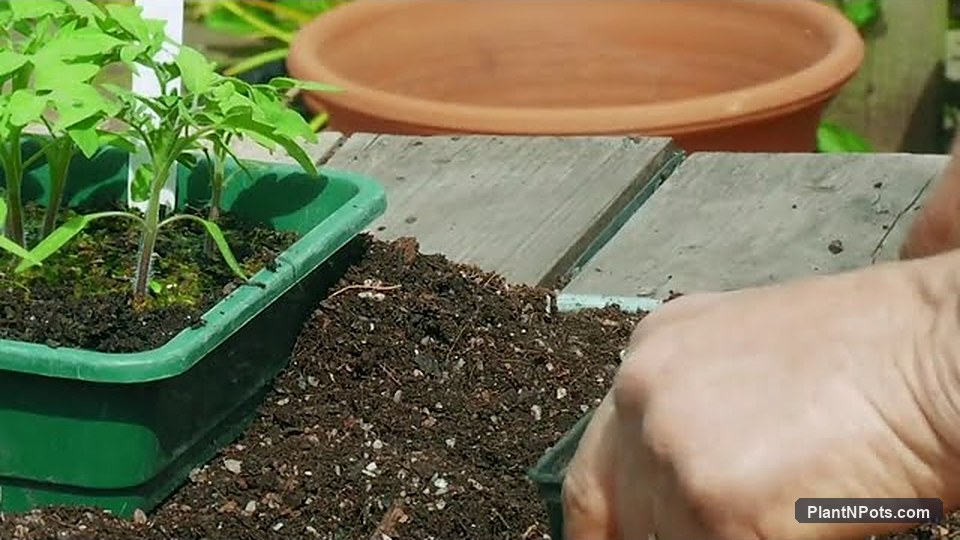
Drill multiple holes into custom containers if manufacturer defaults prove insufficient for heavy rainfall. Cover large drainage openings with porous mesh screens to retain soil while letting water escape.
Never use heavy garden soil from native landscape beds inside containers. Native earth compacts heavily in pots, suffocating roots and halting crucial water drainage pathways entirely.
Invest in professional soilless potting mixes containing peat, perlite, and compost components. These specialized blends provide optimal aeration, moisture retention, and structural stability for vigorous container crops.
- Confirm every container has at least three distinct drainage openings.
- Use porous mesh squares to prevent soil loss through drainage holes.
- Avoid dense native garden soils in favor of light potting mixes.
- Incorporate organic compost to boost nutrient availability naturally over time.
Optimizing Substrate Aeration
Perlite and vermiculite amendments keep potting mixes light and oxygen-rich. This loose physical structure allows delicate tomato root hairs to expand rapidly without experiencing mechanical resistance.
Refresh surface soil layers annually to restore lost organic matter and nutrients. Adding fresh compost maintains ideal soil chemistry throughout long multi-month container growing cycles.
- Mix perlite thoroughly into dense potting formulations.
- Top-dress containers with fresh compost during mid-season.
Frequently Asked Questions
Can I plant two tomato plants in one five-gallon bucket?
Planting two tomatoes in a five-gallon bucket causes severe root competition and nutrient starvation. Each standard tomato plant requires its own dedicated container space to thrive and produce successfully.
What happens if my tomato pot is too small?
Undersized pots cause stunted growth, rapid wilting, and poor fruit yields due to lack of moisture storage. You must upgrade to a larger container immediately to save the stressed plant.
Are fabric grow bags better than traditional plastic pots?
Fabric bags promote air pruning which prevents root circling and encourages healthier fibrous root development. However, they dry out much faster and require more frequent watering schedules during summer.
How deep should a tomato container be at minimum?
Tomato containers must be at least twelve to eighteen inches deep to accommodate deep vertical taproots. Shallow containers restrict root expansion and make plants vulnerable to heat stress and tipping.
Do I need to put rocks at the bottom of my tomato pot?
Adding rocks at the bottom of pots actually impedes drainage due to perched water table physics. Modern container gardening science recommends filling the entire pot with uniform potting mix instead.

