Selecting the correct container is essential for culinary success. This comprehensive editorial guide helps you match pot dimensions to plant maturity perfectly.
Key Takeaway:
Always start young rosemary in a modest 8-to-10-inch container to prevent root rot. Transition mature specimens into stable 3-to-5-gallon pots for long-term survival.
Quick-Reference Guide
| Factor / Scenario | Recommended Target | Why It Matters |
|---|---|---|
| Young Plant Starter | 8 to 10 Inches | Prevents severe soil saturation. |
| Mature Specimen | 12 to 14 Inches (3-5 Gal) | Accommodates woody root mass. |
| Pot Material | Terracotta or Clay | Enhances essential root zone evaporation. |
| Soil Profile | Gritty, Fast-Draining Mix | Mimics native rocky Mediterranean slopes. |
| Repotting Window | Early Spring | Minimizes seasonal transplant shock. |
| Drainage Holes | Multiple Large Openings | Eliminates standing water risk permanently. |
Understanding Rosemary Container Requirements and Growth Cycles

Rosemary operates on a multi-year clock as a woody evergreen shrub. Unlike annual herbs, it requires steady structural support and deep root space to thrive over several productive seasons outdoors.
Gardeners must anticipate this expansive growth trajectory when initially selecting a container. Planting a tiny starter sprig into a massive vessel guarantees moisture retention issues and subsequent fungal root decline.
Proper container sizing dictates both top-growth vigor and root health. Review [our window box guide](https://plantnpots.com/?p=6238) to ensure matching vessel diameters prevent soil compaction while promoting a sturdy, upright architectural form.
Neglecting these natural biological rhythms leads to stunted branches and yellowing foliage. Respecting the plant's timeline ensures decades of fragrant needle harvest right from your sunny patio deck.
- Monitor root emergence through base drainage holes annually.
- Expect mature shrubs to require heavy, wide-rimmed planters.
- Avoid sudden leaps from small starters to oversized tubs.
- Prune outer branches lightly to maintain balanced canopy weight.
The Multi-Year Shrub Development
Young rosemary plants dedicate their first year to establishing strong root anchors. Container gardeners should support this phase by providing restrained soil volumes rather than oversized permanent display planters.
As stems thicken into woody bark, root systems demand wider horizontal circumferences. Upgrading container size incrementally every two years accommodates natural development without overwhelming the delicate balance.
- Track seasonal stem thickening closely.
- Provide gradual container upgrades over time.
Avoiding the Dangers of the Over-Potting Trap
Novice gardeners frequently commit the fatal error of over-potting young herbs. Applying [suitable pot selection](https://plantnpots.com/?p=5982) principles prevents introducing excess wet soil that remains uncolonized by delicate root systems.
This surplus moisture stays trapped away from surface evaporation channels, suffocating delicate root hairs. Without sufficient oxygen exchange, root rot rapidly destroys the entire vascular system from below.
Soil volume management is a critical discipline in container gardening. Always scale container dimensions incrementally, increasing diameter by just two inches during each scheduled transplanting operation.
Patience preserves plant health far better than ambitious initial container choices. Let the root mass thoroughly fill its current home before graduating to a slightly larger vessel size.
- Never place a 4-inch nursery pot straight into a 14-inch tub.
- Match soil mass directly to active root density.
- Inspect inner root balls for early signs of sour soil.
- Prioritize breathable containers to accelerate internal dry-down times.
Soil Volume and Moisture Retention
Large volumes of standard potting soil hold immense amounts of water. Rosemary roots despise sitting in stagnant moisture pockets, making restricted soil volumes a mandatory safety precaution.
Dense clay soils compound this danger by locking moisture inside the pot interior. Utilizing appropriate container proportions protects against accidental overwatering during extended rainy weather periods.
- Monitor soil dry-down rates after rainfall.
- Avoid dense moisture-retentive organic mixes.
Video Walkthrough: How to Grow Rosemary, In the Ground or Containers || DHBG
Why Woody Mediterranean Herbs Demand Superior Drainage
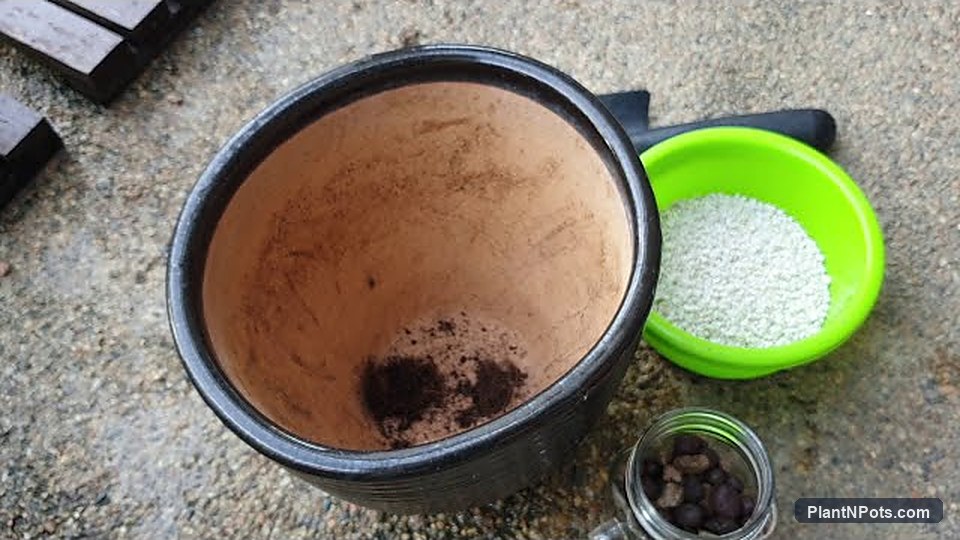
Native to rocky coastal cliffs, rosemary evolved alongside rapid soil drainage. Replicating this arid environment in containers requires intentional engineering of both pot features and substrate composition.
Sealed plastic buckets trap water unless heavily modified with supplemental drill holes. Opt for containers featuring multiple large drainage ports at the absolute base to prevent perched water tables.
Saucers left standing with runoff water spell certain doom for Mediterranean specimens. Empty collection trays within minutes of watering to safeguard roots against prolonged chemical saturation and root rot.
Elevating planters slightly on pot feet guarantees unimpeded airflow underneath. This simple mechanical adjustment prevents surface suction from blocking critical lower drainage channels during heavy rainstorms.
- Drill auxiliary holes if factory containers lack adequate openings.
- Use terracotta for naturally humid or rainy microclimates.
- Empty saucers promptly to eliminate stagnant standing water.
- Elevate pots on feet to ensure continuous bottom ventilation.
Selecting Porous Terracotta Versus Sealed Plastics
Terracotta pots provide superior vapor permeability compared to glazed ceramics or plastics. Unglazed clay allows moisture to evaporate directly through container walls, protecting sensitive root zones effectively.
Plastic alternatives retain internal moisture significantly longer, requiring reduced watering frequencies. Growers must adjust irrigation habits carefully when switching container materials to prevent accidental root suffocation.
- Account for faster evaporation in clay pots.
- Inspect plastic containers for adequate bottom venting.
Determining the Ideal Pot Size for Every Growth Stage
Sizing container dimensions correctly depends entirely upon the plant's current life stage. Starter plants purchased in small nursery liners require a modest stepping stone before reaching maturity.
Transitioning a young specimen into an 8-inch pot provides adequate breathing room. Maintain this intermediate container for roughly twelve to twenty-four months while the root system builds density.
Mature rosemary bushes eventually demand a permanent 12-to-14-inch container holding approximately three gallons. Consult our [ideal container dimensions](https://plantnpots.com/?p=6664) guide to ensure proper stability for top-heavy woody branches.
Avoid exceeding a 14-inch diameter unless managing an exceptionally old specimen. Excessively massive containers become impossible to maneuver indoors when winter weather demands protective shelter relocation.
- Start young cuttings in compact 6-to-8-inch vessels.
- Graduate established plants to 10-inch pots next.
- Anchor full-grown shrubs in sturdy 3-to-5-gallon containers.
- Limit maximum pot sizes to maintain mobility.
Scaling Up from Nursery Liners to Final Homes
Incremental upgrades prevent root shock and soil souring problems. Move plants upward through gradual diameter steps rather than attempting a single massive leap to a final tub.
Check the root system by gently tipping the plant sideways annually. Dense circling roots indicate an immediate need for a container upgrade before seasonal growth stalls.
- Inspect root balls during early spring.
- Avoid skipping intermediate pot sizes.
Timing Your Repotting Schedule Without Causing Root Shock
Timing dictates whether a transplanted rosemary recovers quickly or languishes indefinitely. Schedule all major container upgrades during early spring as day lengths lengthen and active growth resumes.
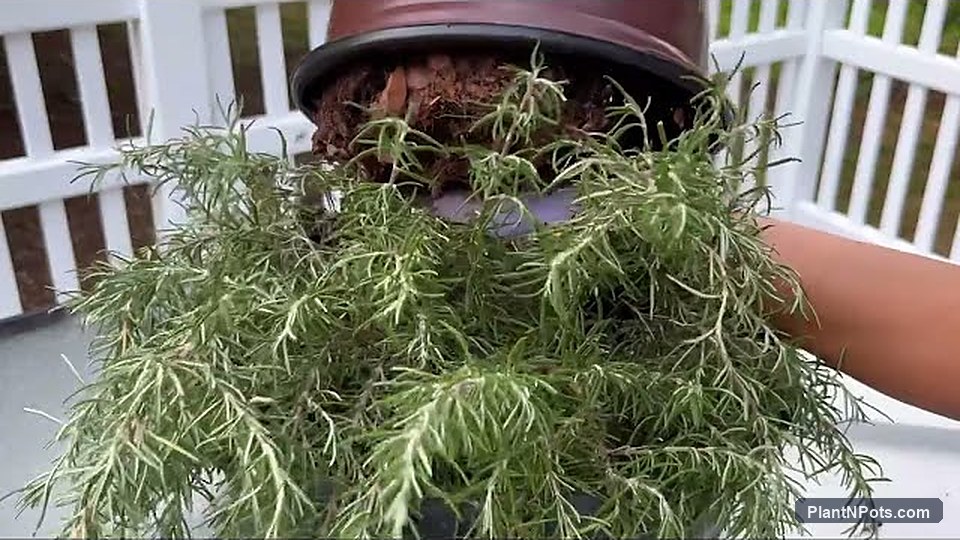
Avoid repotting during the dormant winter months when metabolic rates slow down drastically. Cold, wet soil combined with root disturbance almost guarantees terminal fungal decline for established shrubs.
Summer heat waves also create hostile conditions for delicate transplant operations. High ambient temperatures stress recovering root systems, causing rapid wilting and extensive needle drop across branches.
Prepare all fresh potting media and new containers before unpotting the specimen. Minimizing air exposure time for naked roots preserves vital moisture and drastically reduces transplant shock severity.
- Execute repotting tasks exclusively in warm spring weather.
- Water thoroughly immediately after completing container transitions.
- Shade newly repotted plants for forty-eight hours.
- Withhold heavy fertilizers until new growth appears.
Navigating Autumn Repotting Pitfalls
Autumn repotting often traps vulnerable plants in cold, unestablished soil. Dropping temperatures prevent root regeneration, leaving the specimen incapable of absorbing moisture efficiently before winter arrives.
Always defer late-season container upgrades until the following spring season begins. Patience protects root integrity, ensuring your culinary herbs survive seasonal transitions without unnecessary setback risks.
- Halt container shifts once summer ends.
- Protect late-season root zones from chilling.
Crafting the Perfect Gritty Potting Mix for Containers
Standard garden soil compacts heavily inside restricted container boundaries, crushing roots. Formulate an open, fast-draining substrate using coarse sand, perlite, and high-quality organic compost ingredients.
Heavy organic peat moss retains excessive moisture and should be used sparingly. Substitute coco coir or aged bark fines to maintain structural porosity throughout multi-year growing cycles.
Incorporating coarse horticultural grit mimics natural rocky Mediterranean hillside conditions. This gritty texture ensures oxygen reaches deep root zones even after heavy watering sessions or rainstorms.
Avoid layering gravel at the bottom of containers for drainage purposes. Physics dictates that perched water tables simply shift upward into the soil profile above gravel layers.
- Mix coarse perlite or pumice for enhanced aeration.
- Omit heavy garden dirt to prevent severe compaction.
- Avoid placing stone layers at container bases.
- Refresh topsoil layers annually to restore depleted minerals.
Incorporating Inorganic Amendments for Aeration
Pumice and expanded shale provide permanent structural stability within potting substrates. Unlike organic materials, these inorganic rocks never decompose or compress over extended cultivation periods.
Blend twenty to thirty percent inorganic grit directly into your baseline potting mix. This exact ratio guarantees optimal drainage performance across varied weather conditions and watering schedules.
- Use pumice for long-term structural integrity.
- Maintain correct mineral ratios in mixes.
Overwintering Container Rosemary in Freezing Climates
Container-grown rosemary faces heightened vulnerability during freezing winter weather conditions. While ground plants endure chill, pot-bound root systems lack earth insulation and freeze solid rapidly outdoors.
Relocate portable containers indoors before hard frosts threaten local temperature drops. Place plants in bright, unheated sunrooms or near south-facing windows receiving maximum daily illumination hours.
Indoor heating vents dry out evergreen foliage rapidly during winter months. Mist surrounding air or use physical grouping strategies to maintain adequate humidity without encouraging fungal diseases.
Reduce watering frequencies substantially while plants rest indoors during winter. Wet soil combined with low indoor light levels creates a disaster for dormant Mediterranean herb varieties.
- Move pots indoors before freezing night temperatures arrive.
- Provide bright southern exposure or artificial lighting.
- Withhold high-nitrogen fertilizers throughout winter dormancy.
- Water sparingly only when topsoil feels completely dry.
Managing Indoor Light and Humidity Stress
Insufficient indoor light causes weak, spindly stem elongation and needle drop. Supplement natural window illumination using specialized full-spectrum grow lights positioned directly above the canopy.
Circulate indoor air gently with oscillating fans to prevent stagnant microclimates. Good airflow keeps fungal pathogens like powdery mildew away from dense evergreen inner branch structures.
- Install auxiliary grow lights for dark rooms.
- Maintain gentle airflow around indoor foliage.
Frequently Asked Questions
Can I plant rosemary in a pot that is too big?
Planting young rosemary in an oversized container introduces excess moisture that causes fatal root rot. Always scale pot dimensions upward gradually as the root system expands.
What is the best pot material for growing rosemary?
Unglazed terracotta is ideal because porous clay walls allow moisture to evaporate rapidly. This prevents the stagnant root zone conditions that woody Mediterranean herbs naturally despise.
How often should I repot my container-grown rosemary?
Repot mature plants every two to three years during early spring. Check for circling roots near the drainage holes to confirm when a larger container is required.
Do I need to put gravel at the bottom of the pot?
Never place gravel at the bottom of containers because it raises the water table. Use a homogeneous, gritty potting mix with multiple drainage holes instead.
How do I protect my potted rosemary from winter frost?
Move containers indoors to a bright, cool room before freezing temperatures hit. Reduce watering frequencies significantly while the plant rests through the dark winter months.

