Master container gardening techniques for lush, productive blueberries. Learn precise pot sizing, soil formulation, and seasonal care requirements.
Key Takeaway:
Always start young blueberries in a 10 to 15-gallon container measuring at least 18 inches wide to accommodate root expansion and acidic soil needs. Proper sizing guarantees long-term plant health.
Quick-Reference Guide
| Factor / Scenario | Recommended Target | Why It Matters |
|---|---|---|
| Initial Pot Size | 10-15 Gallons | Accommodates young root growth without saturating soil. |
| Mature Pot Size | 20 Gallons | Supports large root masses and heavy fruit yields. |
| Target Soil pH | 4.5 to 5.5 | Prevents iron chlorosis and nutrient lockout. |
| Sunlight Exposure | 6 to 8 Hours | Maximizes blossom counts and berry sweetness. |
| Irrigation Frequency | When top inch is dry | Prevents drought stress in shallow root systems. |
| Pruning Schedule | Late Winter | Encourages vigorous new shoots and open canopies. |
Determining Ideal Container Dimensions for Shrubs
Blueberry roots grow shallow and wide, requiring containers that prioritize width over extreme depth. Selecting an undersized vessel restricts root expansion, leading to stunted foliage and poor fruit yields every single season.
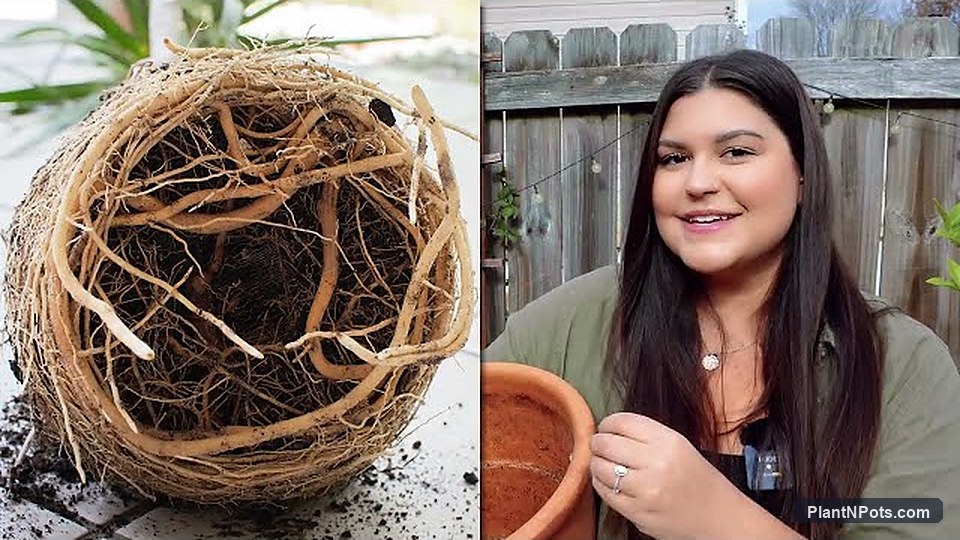
Young starter plants require a minimum 10-gallon pot to establish a robust root system during their first two years. As the shrub matures, transitioning it into a 20-gallon container ensures long-term vitality.
Ensure your chosen container measures at least 18 to 24 inches in diameter across the top rim. This generous surface area provides enough space for lateral root networks to absorb adequate moisture efficiently.
Drainage holes are non-negotiable when housing blueberries because standing water quickly causes fatal root rot. Inspect the base of your chosen planter before adding any soil mix to guarantee proper water release.
Selecting the correct pot dimensions prevents root circling and ensures adequate moisture retention for healthy bushes. Review our guide on [best container dimensions](https://plantnpots.com/?p=6664) to support mature root systems effectively.
Diameter matters just as much as depth when selecting nursery pots for acid-loving berry plants. Aim for a wide rim measuring at least eighteen inches across to accommodate shallow, spreading root networks without restriction.
Dwarf varieties thrive in smaller vessels, often needing only a ten-gallon container during their first few productive growing seasons. Upgrading pot sizes gradually prevents soil souring and minimizes transplant shock during early developmental phases.
Ensure your chosen container features multiple drainage holes measuring at least one-half inch wide to prevent standing water. Standing water rapidly induces root rot, which proves fatal for sensitive blueberry root systems in containers.
- Use containers with a minimum eighteen-inch diameter.
- Avoid tall, narrow pots that restrict lateral root growth.
- Verify that drainage holes are unobstructed and numerous.
- Plan for eventual repotting into larger twenty-gallon vessels.
Managing Initial Growth Phases
Starting with oversized pots can saturate the soil since young roots cannot drink fast enough. Begin with moderate sizes and scale up gradually as root masses expand firmly into the medium.
Monitor root bound conditions every spring by gently sliding the plant outward to check root density. If roots form a tight circle around the edge, immediate container scaling is clearly required.
- Scale pot sizes up gradually as plants mature.
- Inspect root balls annually for circling patterns.
Comparing Container Materials for Acid-Loving Plants
Material choice directly impacts soil temperature and moisture retention within your setup. Plastic and fiberglass pots retain moisture exceptionally well, much like containers used for various [potted greenery options](https://plantnpots.com/?p=3525) during peak summer heat waves.
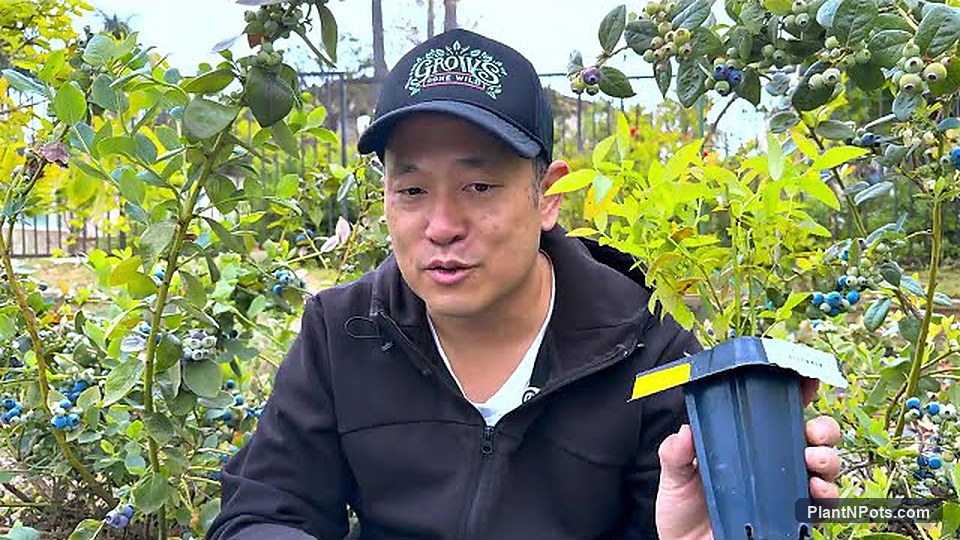
Traditional unglazed terracotta containers allow rapid evaporation through porous walls, which can quickly dry out acid-sensitive root systems. If you prefer clay, line the interior with plastic to preserve essential moisture levels.
Fabric grow bags offer superior aeration that naturally prunes roots, preventing circling and promoting fibrous networks. However, fabric containers dry out much faster, demanding daily irrigation during hot weather conditions.
Wooden half-barrels provide insulation against extreme temperature fluctuations while offering a rustic aesthetic. Ensure the wood is untreated to prevent toxic chemicals from leaching into your acidic soil blend.
Unglazed terracotta pots offer superior breathability, allowing oxygen to reach delicate roots while preventing heat buildup during peak summer temperatures. However, porous clay also accelerates soil drying, requiring frequent daily watering schedules.
Plastic containers retain moisture efficiently, reducing irrigation frequency during scorching summer afternoons when berry bushes experience peak transpiration rates. Select UV-resistant polyethylene pots to prevent cracking under intense, prolonged direct sunlight exposure.
Wooden half-barrels provide excellent insulation against sudden temperature fluctuations, protecting sensitive root zones from unexpected early autumn frosts. Ensure the wood is untreated to avoid leaching harmful chemicals into your acidic soil mix.
Fabric containers promote natural root pruning by exposing lateral roots to ambient air, preventing them from circling the pot interior. This breathable design enhances overall root health while eliminating the risk of waterlogged substrate.
- Select plastic or fiberglass for superior moisture retention.
- Line terracotta pots with plastic to slow evaporation.
- Utilize fabric grow bags for natural root pruning benefits.
- Choose untreated wooden barrels for excellent thermal insulation.
Video Walkthrough: Grow Blueberries In Containers the RIGHT Way!
Formulating the Perfect Acidic Soil Blend
Blueberries thrive exclusively in highly acidic soil with a target pH range between 4.5 and 5.5. Standard garden dirt will quickly cause iron chlorosis, turning leaves yellow and halting all fruit production.
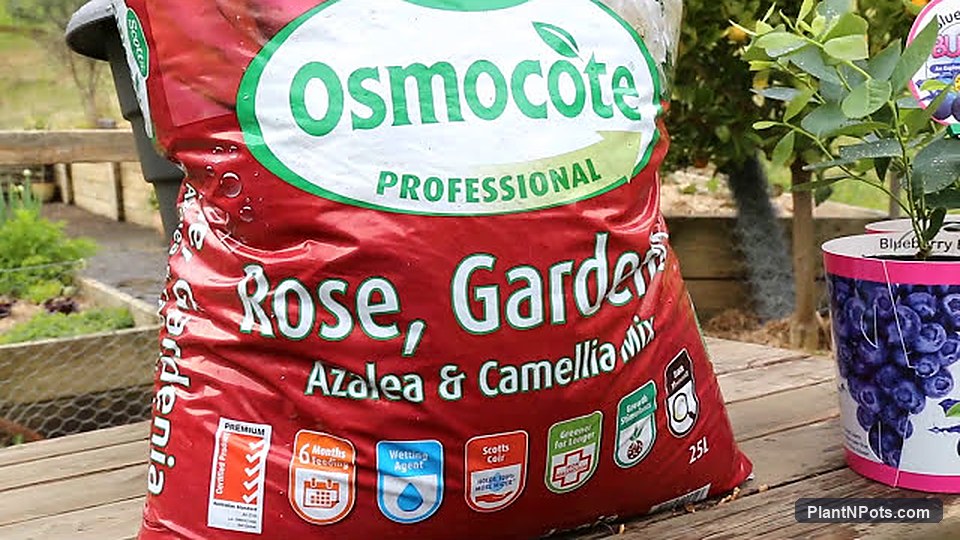
Create a custom potting mix using equal parts peat moss, coarse perlite, and pine bark. This specific combination retains necessary moisture while maintaining the high acidity required by these specialized plants.
Avoid using standard garden compost or alkaline fertilizers that elevate pH levels above the safe threshold. Incorporate elemental sulfur granules into your potting mix months before planting to lower alkalinity gradually.
Top-dress your container surface with a thick layer of pine needle mulch to suppress weeds and retain acidity. This organic layer mimics conditions required for successful [outdoor container gardening](https://plantnpots.com/?p=3109) while continuously reinforcing the acidic environment.
Blueberries demand an extremely acidic growing medium with a target pH range between 4.5 and 5.5 for optimal nutrient uptake. Standard garden soil lacks the necessary acidity, causing iron chlorosis and stunted vegetative growth.
Combine equal parts coarse peat moss and aged pine bark to create a light, well-draining substrate rich in organic matter. This specific blend mimics natural forest floors, providing the ideal moisture retention blueberries require.
Avoid using standard potting soils containing added lime or composted manure, as these ingredients raise pH levels and harm plants. Incorporate elemental sulfur months in advance if you need to lower soil pH safely.
Refresh the top layer of your container substrate every spring by adding fresh, acidic organic mulch like pine needles. This continuous amendment maintains long-term soil acidity without disrupting the established root system below.
- Maintain soil pH strictly between 4.5 and 5.5.
- Blend equal parts peat moss, perlite, and pine bark.
- Never use alkaline compost or standard garden topsoil.
- Apply thick pine needle mulch for ongoing acidification.
Sunlight Exposure and Irrigation Fundamentals
Place your potted blueberry bushes in a location that receives full sun, meaning at least six to eight hours of direct sunlight daily. Insufficient light drastically reduces blossom counts and overall fruit sweetness.
Container plants dry out much faster than garden beds, requiring consistent monitoring during warm weather. Water deeply until liquid flows from the base drainage holes whenever the top inch feels dry.
Always utilize rainwater or filtered water when possible, as hard tap water contains minerals that raise soil pH. High mineral content neutralizes soil acidity over time, leading to severe nutrient deficiencies.
Avoid overhead watering late in the evening because damp foliage invites fungal diseases like powdery mildew. Direct your watering wand straight to the soil surface to keep leaves completely dry and healthy.
Position your potted blueberry bushes in a location that receives at least six to eight hours of direct sunlight daily for maximum fruit production. Inadequate light significantly reduces sugar accumulation within ripening berries.
Use consistently acidic water with a neutral or slightly lowered pH to irrigate your container-grown shrubs throughout the growing season. Tap water with high mineral content will gradually neutralize soil acidity over time.
Check soil moisture daily by inserting your index finger two inches deep into the peat-based substrate. Maintain even moisture without creating soggy conditions, as consistent hydration prevents fruit splitting during hot weather spells.
Implement drip irrigation systems with a timer to deliver measured water volumes directly to the root zone during peak summer months. Automated watering prevents drought stress and ensures optimal fruit sizing across all branches.
- Provide six to eight hours of direct daily sunlight.
- Water deeply whenever the top inch of soil dries.
- Use rainwater to prevent unwanted soil pH elevation.
- Direct moisture to the soil rather than foliage.
Selecting Compact Varieties for Container Success
Highbush and rabbiteye varieties often grow too large for standard patio containers, requiring dwarf selections. Look for compact cultivars bred specifically for confined spaces to ensure manageable long-term maintenance requirements.
The Top Hat variety forms a dense, attractive bush reaching only two feet tall while producing abundant fruit. It fits effortlessly on sunny balconies or patios without demanding excessive container space.
Northblue and Blueberry Glaze offer excellent cold hardiness alongside high yields of sweet, flavorful berries. These compact cultivars adapt remarkably well to medium-sized pots while maintaining robust structural integrity.
Planting two different compatible varieties side by side significantly improves cross-pollination and overall harvest sizes. Even self-fertile dwarf cultivars produce larger, more numerous berries when cross-pollinated by insect activity.
Compact cultivars like 'Tophat' or 'Northblue' are specifically bred for restricted spaces, yielding abundant fruit on manageable bushes. These dwarf varieties rarely exceed three feet in height, fitting easily on patios and balconies.
Half-high varieties represent a natural cross between northern highbush and lowbush species, offering exceptional cold hardiness and sturdy frames. They thrive effortlessly in medium containers while producing exceptionally sweet, medium-sized berries.
Ornamental varieties provide dual functionality by displaying brilliant autumn foliage alongside delicious summer harvests in decorative pots. Selecting patented cultivars guarantees true-to-type fruit production and reliable disease resistance for home gardeners.
Always purchase certified disease-free nursery stock from reputable growers to prevent introducing soil-borne pathogens into your container garden. Healthy young plants establish robust root systems much faster in fresh acidic substrates.
- Choose dwarf cultivars engineered specifically for containers.
- Grow Top Hat for compact, patio-friendly production.
- Select Northblue for exceptional cold hardiness and flavor.
- Pair two compatible varieties to boost fruit yields.
Video Walkthrough: How to Grow Blueberries in Pots |Simple and Easy Care Tips|
Essential Maintenance Practices and Pruning Schedules
Annual pruning is vital for maintaining plant vigor and encouraging large, sweet fruit clusters. Perform this task in late winter before spring growth begins, focusing entirely on removing dead or crossing branches.
Cut away older, woody stems that exceed four years of age to encourage vigorous new fruiting shoots. Keeping the canopy open allows sunlight to penetrate deep inside, ripening berries evenly across branches.
Feed your potted blueberries in early spring using a specialized fertilizer formulated for acid-loving plants. Apply granular or water-soluble formulas carefully according to package instructions to prevent sudden fertilizer burn.
Repot container-grown bushes every three to four years to refresh exhausted soil and inspect root health. Gently tease apart circling roots before placing the plant into a slightly larger container with fresh medium.
Prune your container blueberries annually during late winter when the plants are fully dormant and leafless. Remove dead wood and twiggy growth to encourage vigorous new canes that will bear fruit next season.
Fertilize sparingly in early spring using a granular, slow-release fertilizer formulated specifically for acid-loving evergreen and berry crops. Avoid over-fertilizing, because excess salts can easily burn sensitive roots confined within restricted container spaces.
Remove flower blossoms entirely during the first planting year to redirect plant energy toward root establishment and structural growth. This practice ensures stronger future harvests and prevents premature stunting of young shrubs.
Repot container bushes every three to four years to refresh exhausted soil and prune away any circling roots. Choose a vessel just two inches wider than the previous pot to maintain steady growth.
- Prune in late winter before spring budding begins.
- Remove old woody stems older than four years.
- Apply specialized acid-loving fertilizers in early spring.
- Repot every three to four years with fresh soil.
Protecting Developing Fruit from Common Pests
Sweet blueberries frequently attract local wildlife, making physical protection essential for a successful harvest. Drape fine bird netting securely over your container bushes as soon as berries start changing color from green.
Secure the bottom edges of the netting tightly around the container base to prevent clever birds from sneaking underneath. Check the netting regularly to ensure local wildlife does not become tangled in the mesh.
Inspect foliage frequently for signs of insect pests like aphids or Japanese beetles that damage developing leaves. Handpick larger insects or treat minor infestations safely with organic horticultural soaps or neem oil.
Prevent fungal issues by maintaining good airflow around your containers and avoiding excessive overhead moisture retention. Spacing pots adequately apart protects your entire harvest from spreading blights and diseases.
Drape fine bird netting securely over your fruiting bushes once berries begin transitioning from green to a deep blue color. This physical barrier stops local wildlife from devouring your entire annual harvest in minutes.
Monitor lower leaves frequently for signs of aphids or scale insects thriving in the humid microclimate of dense foliage. Treat minor infestations immediately with insecticidal soap sprays applied during the cool morning hours.
Prevent fungal leaf spot diseases by watering the substrate directly rather than wetting the foliage overhead during humid weather. Good air circulation around branches significantly reduces pathogen spore germination rates.
Inspect container drainage trays regularly to ensure stagnant water does not attract fungus gnats or other opportunistic garden pests. Clean surroundings promote superior plant health throughout the entire productive growing season.
- Install bird netting before berries change color.
- Secure mesh tightly around the base of containers.
- Monitor leaves frequently for common insect pests.
- Maintain adequate spacing between pots for airflow.
Frequently Asked Questions
What size pot for blueberry plant is best?
Start young plants in a 10-gallon container measuring at least 18 inches wide. Mature bushes ultimately require a 20-gallon pot to support their expanding root systems properly.
Can I grow blueberries in standard potting soil?
No, standard potting soil is far too alkaline and lacks proper drainage. Always use a specialized mix of peat moss, perlite, and pine bark to maintain acidity.
How often should I water potted blueberries?
Water deeply whenever the top inch of soil feels dry to the touch. Container plants dry out rapidly during hot summer weather, requiring frequent irrigation sessions.
Do I need two blueberry plants for fruit?
While many container varieties are technically self-fertile, planting two compatible varieties dramatically increases fruit size. Cross-pollination by insects significantly boosts overall harvest quantities every season.
When should I fertilize my container blueberries?
Apply a specialized acid-loving fertilizer in early spring just before new growth emerges. Avoid heavy fertilizing late in the season to prevent tender new shoots from winter damage.

