Discover practical techniques to safely identify, remove, and prevent fungal growth in your indoor containers. Maintain healthy root zones using professional horticultural methods.
Key Takeaway:
White mold on potted plant soil is usually harmless saprophytic fungus thriving in damp organic media. Improve airflow and let topsoil dry completely between watering sessions to eliminate it.
Quick-Reference Guide
| Factor / Scenario | Recommended Target | Why It Matters |
|---|---|---|
| Topsoil Drying | Top 2-3 inches dry | Prevents fungal spore germination |
| Indoor Humidity | 40% to 50% relative | Reduces ambient moisture accumulation |
| Air Circulation | Continuous gentle breeze | Accelerates surface evaporation rates |
| Pot Drainage | Unobstructed drainage holes | Stops standing water in root zones |
| Soil Amendment | Porous perlite or pumice | Enhances overall aeration capacity |
| Removal Method | Physical scraping and cinnamon | Inhibits recurrent fungal colony spread |
Identifying Fungal Growth in Container Gardens
Spotting fuzzy white patches across container substrates often causes unnecessary panic among indoor gardeners. This common phenomenon represents harmless saprophytic fungi breaking down organic matter within the potting mix.
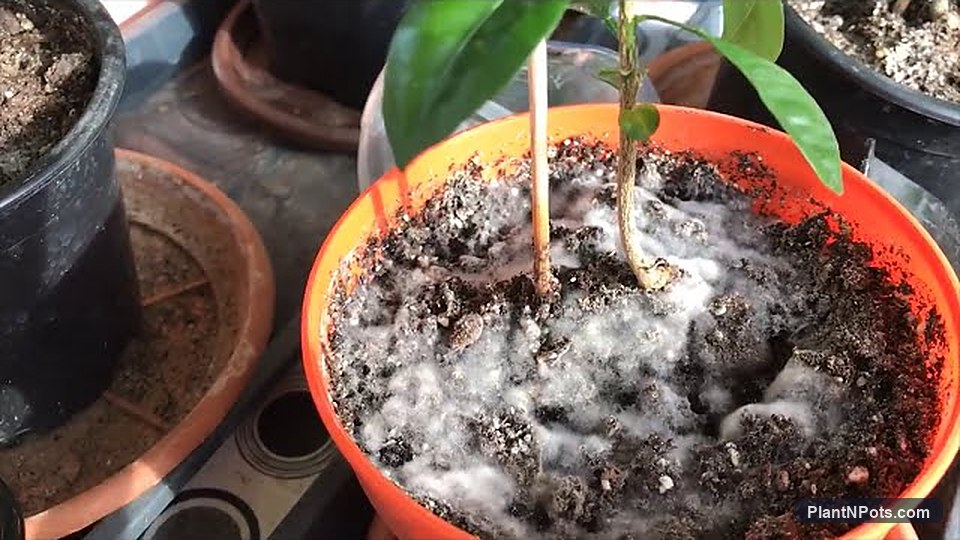
Unlike parasitic plant pathogens that attack living root systems, these surface organisms feed exclusively on decaying peat, bark, or compost. Distinguishing between harmless mold and dangerous root rot preserves plant health.
Housing sensitive plants inside a best white ceramic indoor pot reduces surface moisture risks. Examine the fuzzy texture closely to confirm whether saprophytic spores sit strictly on top of damp potting soil.
High ambient humidity combined with stagnant indoor air creates an ideal microclimate for spores to germinate rapidly. Recognizing these environmental triggers allows growers to adjust their daily maintenance routines effectively.
- Inspect the surface texture under bright daylight.
- Check whether the white growth is fluffy or brittle.
- Assess overall container moisture and room ventilation.
- Verify that lower plant roots remain firm and white.
Differentiating Mold From Mineral Salt Deposits
Mineral crusts form when hard tap water evaporates and leaves behind solid calcium and magnesium deposits. These white accumulations feel hard and brittle when touched with a clean garden trowel.
Fungal mold always feels soft, velvety, or spongy under gentle fingertip pressure during inspection. Scraping away the top layer reveals whether the substance has a living organic root structure.
- Mineral crusts dissolve when fresh distilled water is applied.
- Mold resists water drops and retains its velvety texture.
Environmental Triggers Behind Surface Fungi
Overwatering remains the single biggest contributor to unwanted fungal outbreaks in residential container gardening setups. When potting media stays perpetually saturated, oxygen levels plummet and beneficial microbes suffer greatly.
Inadequate lighting inside modern residential spaces drastically slows down plant transpiration rates and soil drying cycles. Without sufficient natural light, moisture lingers in the root zone for extended periods.
Dense potting mixes lacking adequate structural perlite or coarse sand trap excessive moisture near the rim. Selecting breathable containers made from unglazed terracotta helps mitigate these chronic humidity retention issues.
Choosing the [best size pot for monstera](https://plantnpots.com/?p=6664) improves vital airflow around damp soil surfaces. Poor indoor ventilation traps humid air directly above the container, encouraging stubborn fungal spore colonies to thrive.
- Monitor indoor humidity levels across different seasons.
- Ensure containers receive adequate indirect sunlight daily.
- Avoid heavy garden soils that lack sufficient porosity.
- Keep plant foliage dry during routine evening watering.
The Role of Organic Matter in Soil Mixes
Commercially packaged potting soils rich in uncomposted forest products provide abundant food sources for fungi. As these organic particles slowly break down, saprophytic organisms naturally colonize the rich damp surfaces.
Sterilizing custom soil blends using thermal methods before planting eliminates dormant spores before containers are filled. Balancing organic richness with inorganic aeration materials prevents excessive fungal activity.
- Choose high-grade potting soils with balanced compost ratios.
- Mix in coarse perlite to improve internal soil aeration.
Video Walkthrough: White Mold on top of soil on houseplants and is it Harmful ?
Safe Mechanical Removal Techniques
Begin remediation by physically scraping away the visible white mold layer using a spoon or clean trowel. Discard this contaminated topsoil directly into an outdoor waste bin to prevent widespread indoor dispersal.
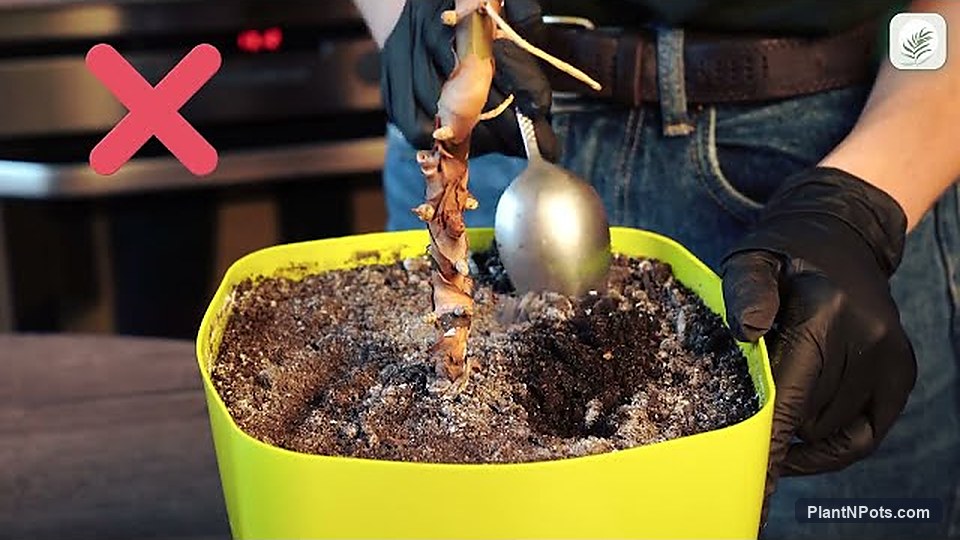
Avoid disturbing delicate lower root structures while removing the upper surface layer of affected potting media. Taking your time prevents unnecessary plant stress during routine container sanitation and maintenance procedures.
Dust the newly exposed soil surface lightly with ordinary ground cinnamon to inhibit further fungal growth. This natural spice contains powerful antifungal compounds that safely discourage microscopic spores from returning.
Wash all gardening tools thoroughly in warm soapy water immediately after completing your soil remediation tasks. Proper sanitation stops cross-contamination between multiple indoor plant pots located within your home.
- Use a clean spoon to lift away topsoil safely.
- Bag discarded moldy soil securely before disposal.
- Apply kitchen cinnamon evenly across bare areas.
- Sanitize all metal tools with rubbing alcohol.
Adjusting Watering Habits and Drainage Systems
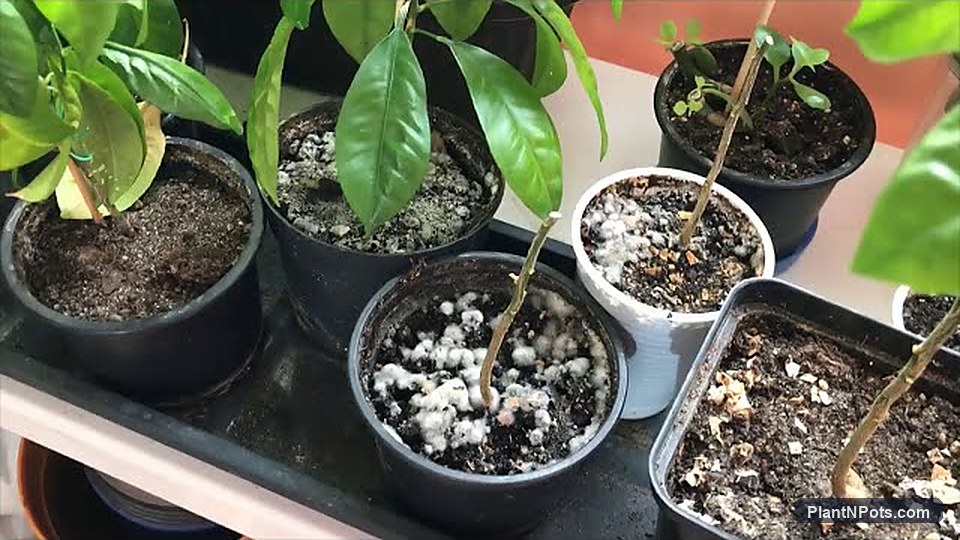
Modify your irrigation schedule by allowing the top two to three inches of soil to dry completely. Insert your index finger deep into the container media to test moisture levels accurately.
Always empty standing water from decorative cachepots within fifteen minutes after completing a thorough watering session. Letting pots sit in stagnant drainage water guarantees saturated soil and fungal outbreaks.
Upgrading to the best extra large terracotta pots ensures superior container drainage. Inspect bottom holes regularly to prevent clogging, maintaining essential aerobic root zone conditions before your next watering session.
Switch from frequent light sips to deep, infrequent watering cycles that encourage strong downward root development. This proven method lets upper soil layers dry out fully between individual watering events.
- Test soil dampness deeply before adding fresh water.
- Empty saucers promptly after every irrigation session.
- Clear blocked container drainage holes immediately.
- Water thoroughly until liquid escapes the bottom.
Improving Airflow and Indoor Microclimates
Stagnant indoor air allows fungal spores to settle easily across damp container surfaces in residential living areas. Placing a small desk fan nearby keeps ambient air moving continuously across your plants.
Space your indoor planters sufficiently apart to allow unobstructed air circulation around every single leafy canopy. Crowded container arrangements trap high humidity levels between pots, fostering stubborn mold growth.
Utilize a reliable digital hygrometer to monitor relative humidity levels in rooms housing sensitive containerized plants. Aiming for forty to fifty percent humidity prevents unwanted mold proliferation effectively.
Open windows during mild weather days to introduce fresh outdoor breezes and reduce indoor moisture buildup. Proper home ventilation benefits both human occupants and containerized indoor botanical specimens alike.
- Position oscillating fans away from direct cold drafts.
- Maintain generous spacing between individual planters.
- Track room moisture with a digital humidity gauge.
- Air out enclosed indoor spaces whenever weather permits.
Natural and Chemical Treatment Options
Horticultural neem oil sprays applied to the soil surface offer an effective organic defense against stubborn fungi. Always dilute concentrated solutions carefully according to manufacturer instructions before treating indoor plants.
Hydrogen peroxide diluted with water creates an immediate bubbling reaction that oxidizes fungal cell walls safely. Mix one part three percent peroxide with four parts water for a gentle soil drench.
Baking soda solutions provide another traditional remedy by raising soil pH levels beyond comfortable fungal thresholds. Dissolve one teaspoon of baking soda in a quart of water for safe application.
Avoid harsh synthetic fungicides unless dealing with severe parasitic infections that threaten overall plant survival. Most surface molds resolve quickly through simple environmental adjustments and mechanical topsoil removal.
- Dilute neem oil thoroughly prior to soil application.
- Test mild peroxide mixtures on a single pot first.
- Spray baking soda solutions evenly over affected areas.
- Prioritize cultural controls over chemical treatments.
Long-Term Prevention Strategies for Containers
Repot overgrown specimens into fresh, high-quality potting mix during the active spring growing season annually. Upgrading to slightly larger pots with adequate drainage holes prevents chronic soil compaction and moisture retention.
Incorporate porous amendments like coarse horticultural perlite, pumice, or calcined clay into your custom soil blends. These inorganic materials maximize internal container aeration and accelerate daily moisture evaporation rates.
Select breathable container materials such as unglazed terracotta or fabric grow bags for moisture-sensitive plant species. These permeable walls allow excess water to evaporate laterally through the container sides.
Establish a consistent seasonal maintenance routine focused on pruning dead foliage and clearing surface debris promptly. Removing decaying organic matter starves opportunistic saprophytic fungi of their preferred food sources.
- Repot rootbound plants into fresh porous soil annually.
- Blend inorganic perlite into heavy commercial mixes.
- Choose unglazed terracotta pots for improved airflow.
- Clear fallen leaves and plant debris from surfaces.
Frequently Asked Questions
Is white mold on potted plant soil dangerous to humans?
Most surface molds are harmless saprophytic fungi, but they can occasionally trigger allergic reactions or asthma flare-ups in sensitive individuals. Keep heavily affected plants away from bedrooms if household members experience respiratory discomfort.
Can I just mix the white mold back into the soil?
Mixing active surface mold back down into the root zone only redistributes fungal spores throughout the entire container. Always scrape the contaminated top layer off and discard it completely instead of churning it inward.
Why does white mold keep returning after I remove it?
Persistent mold indicates that underlying environmental conditions like excessive moisture and poor ventilation remain unresolved. You must fix the root cause by letting soil dry out and increasing ambient airflow nearby.
Does white mold mean my houseplant is dying?
Surface mold feeds exclusively on decaying organic matter in the potting mix and rarely harms healthy living roots. Your plant will likely thrive once you improve soil aeration and adjust your watering frequency.
What is the fastest way to get rid of container mold?
Physically scrape away the fuzzy top layer with a spoon, dust the exposed media with cinnamon, and let the soil dry out. Running a small fan nearby will accelerate evaporation and stop new spores from growing.

