Discover exact measurements and professional container strategies for selecting the ideal pot size to keep your pothos healthy.
Key Takeaway:
Always select a new container that exceeds the current root ball by one to two inches in diameter to prevent root rot.
Pothos Pot Sizing Quick-Reference Guide
| Current Root Mass | Recommended New Pot Size | Core Management Goal |
|---|---|---|
| Rooted cutting or 2-inch nursery pot | 4-inch container | Establish initial root network safely |
| Root-bound 4-inch nursery pot | 6-inch container | Support vigorous juvenile foliage growth |
| Crowded 6-inch hanging basket | 8-inch container | Accommodate mature trailing vine systems |
| Dense, heavy 8-inch container | 10-inch container | Provide structural stability for large plants |
| Mature specimen with thick root mass | 12-inch container | Manage very large, established indoor vines |
| Extremely root-bound specimen | Prune roots and reuse same size | Control plant size without container upgrade |
Understanding Pothos Root Systems and Growth Rates
Epipremnum aureum features vigorous, fleshy root systems that develop rapidly under optimal indoor lighting and consistent moisture conditions.
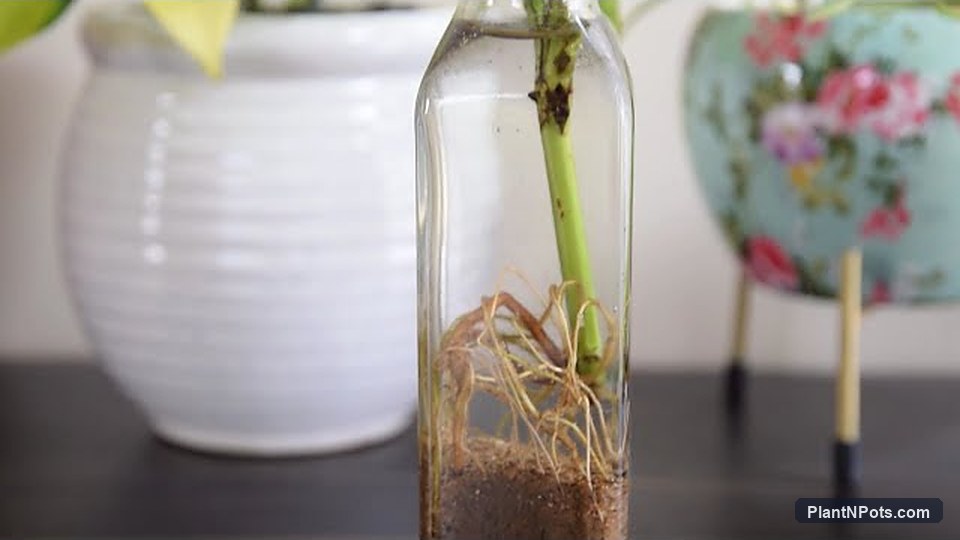
Knowing how these tropical climbers expand helps you anticipate when an upgrade is genuinely necessary for long-term health.
Epiphytic pothos plants feature thick, fleshy root structures designed to cling to jungle trees. In indoor containers, they require well-aerated soil to prevent root rot and ensure steady foliage expansion throughout the growing season.
Fast-growing cultivars like Marble Queen produce aggressive root networks during spring and summer months. Maintaining optimal temperatures between 65 to 85 degrees Fahrenheit maximizes their metabolic rate and supports rapid, healthy root development.
- Pothos roots store vital moisture and nutrients effectively.
- Rapid spring growth often triggers sudden container crowding.
- Fleshy roots are highly susceptible to prolonged soil compaction.
- Healthy root tips appear light, firm, and creamy white.
Evaluating Juvenile Versus Mature Root Development
Young plants require modest containers to avoid waterlogged soil zones that quickly suffocate delicate root tips.
Mature specimens develop thick, woody anchor roots needing wider, deeper vessels for structural balance.
- Match container volume precisely to existing root mass density.
- Avoid oversized pots that retain excessive moisture around roots.
Choosing the Right Pot Dimensions for Your Pothos
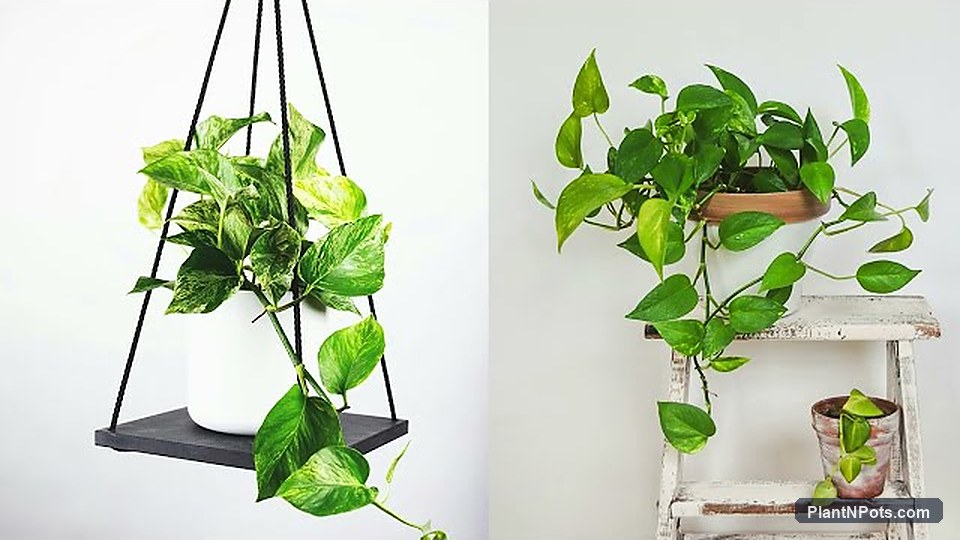
Selecting the correct container diameter prevents severe moisture retention issues that frequently lead to fatal root decay.
The golden rule of container gardening dictates stepping up by precisely one to two inches in diameter. Finding the right [best pot for golden pothos](https://plantnpots.com/?p=4180) ensures your vining plants thrive without suffering from root rot.
Selecting a container that is too large often leads to chronic soil moisture retention and fungal diseases. Always restrict your upgrade increments to just two inches wider than the current root ball diameter.
Standard nursery pots measuring six to eight inches across accommodate most mature trailing varieties comfortably. Verify that the depth matches the width to prevent surface compaction and allow downward root extension without restrictions.
- Jump from a four-inch pot directly to a six-inch container.
- Oversized pots hold stagnant water in uncolonized potting mix.
- Measure the widest part of the root ball before shopping.
- Ensure pot depth matches the natural vertical root length.
The Dangers of Upgrading to Excessively Large Pots
Placing a small root system into a massive twelve-inch pot creates chronic soil saturation zones.
Uncolonized potting soil stays wet too long, starving roots of necessary oxygen and inviting fungal pathogens.
- Excess soil dries slowly in indoor low-light environments.
- Root rot develops rapidly in sour, poorly aerated potting mix.
Video Walkthrough: Temperature \u0026 Humidity
Evaluating Container Materials for Healthy Epiphytic Roots
Container composition directly dictates how fast the potting medium dries out between regular watering maintenance sessions.
Porous terracotta allows moisture to evaporate through walls, while glazed ceramics retain internal humidity much longer. Selecting the [best terracotta pots with drainage holes](https://plantnpots.com/?p=1313) ensures optimal oxygen exchange for sensitive plant root systems.
Unglazed terra cotta pots offer superior breathability because their porous walls allow moisture and air to exchange freely. This prevents soggy potting mixes, though it requires slightly more frequent watering schedules during warm summer months.
Plastic and glazed ceramic containers retain water significantly longer, making them ideal for homes with dry indoor air. Ensure you use a fast-draining substrate like bark and perlite mixes to avoid suffocating the root system.
- Terracotta pots prevent accidental overwatering for beginners.
- Plastic containers maintain uniform moisture in dry indoor climates.
- Glazed ceramic pots offer heavy decorative stability for trailers.
- Always verify material durability against freezing indoor drafts.
Weighing Breathable Terracotta Against Sealed Plastics
Unglazed clay allows superior air exchange around the root ball, mimicking natural tropical environments.
Lightweight plastics reduce overall hanging basket weight but require more careful monitoring of moisture levels.
- Clay pots dry out much faster than plastic alternatives.
- Plastic containers prevent rapid salt accumulation on exterior walls.
Essential Drainage Requirements and Saucer Management
Adequate drainage holes are non-negotiable features for preventing standing water from drowning your indoor houseplants.
Every container must feature at least one unobstructed bottom aperture to flush out accumulated mineral salts.
Every container must feature at least one bottom drainage hole to let excess irrigation water escape safely. Trapped water quickly causes anaerobic conditions, leading to root death and severe leaf yellowing across the entire plant.
Empty collection saucers within fifteen minutes after watering to prevent roots from reabsorbing stagnant liquid. Never allow your decorative cachepot to hold standing water at the base of the inner nursery container.
- Drill supplemental holes in decorative pots lacking drainage.
- Empty saucers within fifteen minutes after thorough watering.
- Elevate containers slightly on pot feet for better airflow.
- Never allow bottom roots to sit in stagnant drainage water.
Managing Excess Water Without Compromising Floors
Pairing a drainage-enabled inner grower pot with a decorative outer cachepot protects indoor furniture surfaces.
Always remove the inner pot during watering sessions to drain completely before returning it.
- Use gravel layers inside cachepots to lift inner pots.
- Discard collected runoff immediately to prevent pest breeding.
Step-by-Step Repotting Method for Growing Pothos
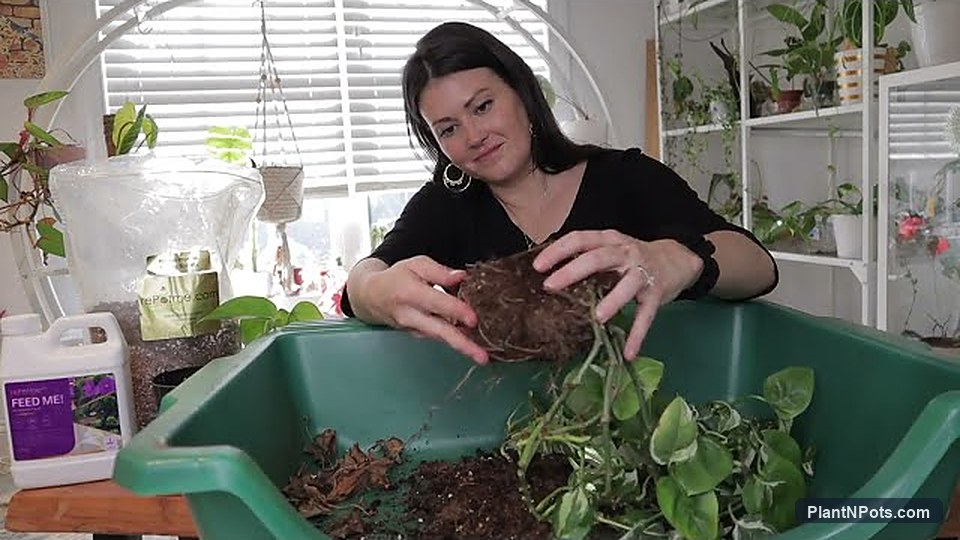
Repotting your established pothos during active spring growth minimizes transplant shock and encourages rapid recovery.
Prepare fresh, well-draining potting mix containing peat, perlite, and orchid bark before starting the process.
Begin by gently massaging the old pot to loosen compacted roots before sliding the plant free. Carefully brush away old soil and inspect for damaged roots, trimming away any soft or discolored tissue using sterilized shears.
Position fresh potting mix at the base of the new container, place your pothos centrally, and fill remaining gaps. Firm the soil lightly to eliminate air pockets while avoiding excessive pressure that damages delicate root tips.
- Gently massage the root ball to loosen tightly bound roots.
- Trim away any dark, mushy, or decaying root segments.
- Position the plant at the exact previous soil depth.
- Water thoroughly after repotting to settle the fresh mix.
Mixing the Ideal Porous Soil Blend
Pothos thrive in loose, aerated substrates that retain moderate moisture without packing down tightly.
Combine standard potting soil with coarse perlite and chunky bark to replicate tropical forest floors.
- Incorporate perlite to maximize internal oxygen diffusion.
- Avoid heavy garden dirt that harbors pests and disease.
Video Walkthrough: How To Repot POTHOS 3 Ways! Pothos Soil, Pot Size, Fertilizer, Watering – Houseplant Care 101
Identifying Signs Your Pothos Has Outgrown Its Pot
Recognizing root-bound symptoms early prevents severe nutrient deficiencies and stunted vine development indoors.
Visible roots emerging from bottom drainage holes indicate an urgent need for a larger container.
When thick roots begin emerging visibly through bottom drainage holes, your pothos urgently requires a larger vessel. Another clear indicator is rapid water runoff, where moisture flows straight through without dampening the dry soil.
Stunted leaf growth and frequent wilting despite consistent watering schedules point directly to severe root binding. Choosing the [best size pot for monstera](https://plantnpots.com/?p=6664) and other aroids prevents mineral depletion and supports healthy foliage.
- Water runs straight through the pot without soaking soil.
- Vines stop growing despite receiving adequate light and food.
- Roots circle tightly inside the outer soil boundary layer.
- Soil dries out completely within a day of watering.
Troubleshooting Sudden Leaf Yellowing and Dropping
Depleted potting nutrients and extreme root crowding frequently manifest as widespread lower leaf yellowing.
Upgrading container size restores access to vital nitrogen, phosphorus, and potassium required for vigor.
- Inspect root balls immediately when unexplained yellowing occurs.
- Trim dead foliage after moving plants into fresh containers.
Preventing Common Container Gardening Mistakes
Avoiding novice pitfalls ensures your container-grown pothos maintains vibrant foliage year after year.
Never press potting mix down with excessive force, as compaction destroys vital air pockets around roots.
Avoid using standard garden dirt inside indoor pots because it lacks proper aeration and introduces outdoor pests. Always select a soilless potting mix formulated specifically for tropical aroids to guarantee healthy growth conditions.
Never repot your pothos during the dormant winter months when metabolic activity slows to a crawl. Schedule upgrades during early spring to help the plant recover quickly from transplant shock during its active growth phase.
- Avoid skipping drainage holes in decorative cachepots.
- Refrain from fertilizing newly repotted stressed plants.
- Do not step up pot size by more than two inches.
- Never use heavy outdoor garden soil for indoor pots.
Long-Term Maintenance and Periodic Soil Refreshing
Top-dressing pots with fresh compost every spring provides nutrients without requiring a complete container upgrade.
Monitor watering habits seasonally as indoor heating and cooling systems alter interior humidity levels.
- Flush accumulated fertilizer salts from soil twice yearly.
- Inspect container bases regularly for pest infestations.
Frequently Asked Questions
Can I plant a small pothos cutting directly into a large pot?
Planting small cuttings in massive containers almost always causes fatal root rot due to prolonged soil saturation. Always start with a small four-inch pot to encourage healthy root establishment.
How often should I repot a mature pothos plant?
Most healthy pothos specimens require repotting every one to two years during the spring season. Watch for roots emerging from drainage holes to confirm the timing.
What happens if I put my pothos in a pot that is too big?
Oversized pots retain excessive moisture in uncolonized soil zones, leading to oxygen deprivation. This common mistake frequently causes severe fungal root decay and leaf drop.
Should I choose plastic or terracotta for my indoor pothos?
Terracotta is excellent for preventing overwatering because its porous walls allow rapid evaporation. Plastic containers retain moisture longer, making them ideal for lower-maintenance indoor watering schedules.
Do decorative pots need drainage holes for pothos?
Decorative cachepots without drainage holes trap runoff water, which quickly suffocates plant roots. Always use a plastic grower pot with holes inside decorative outer containers.

