Learn how to eliminate pesky fungus gnats from your container garden using proven moisture control and natural deterrent methods.
Key Takeaway:
Fungus gnats thrive in overly saturated potting mixes, so letting the top layer dry out completely is your most effective control strategy.
Quick-Reference Guide
| Factor / Scenario | Recommended Target | Why It Matters |
|---|---|---|
| Soil Moisture | Top 2 inches dry | Stops larvae feeding |
| Watering Frequency | Allow dry down | Kills developing eggs |
| Drainage Holes | 10% container base | Prevents standing water |
| Organic Matter | Fully composted | Reduces food sources |
| Yellow Sticky Traps | 1 per container | Catches adult flyers |
| Beneficial Nematodes | Apply via watering | Eliminates soil larvae |
Identifying Root Causes of Indoor Soil Gnats
Fungus gnats are small flying insects that inhabit moist container soil inside any standard indoor planter. Adult gnats cause little direct harm, but their larvae feed on fine roots and organic matter.
Identifying these pests early prevents severe root damage. You will often notice tiny black flies scurrying across the soil surface or hovering near your favorite indoor houseplants after watering.
Overwatering remains the primary trigger for indoor gnat populations. When potting mix stays consistently wet, it creates an ideal breeding environment for female gnats to lay hundreds of eggs.
Inspecting your container collection regularly helps isolate affected plants before pests spread. Quarantine new purchases immediately to prevent introducing dormant eggs or active larvae into your established indoor garden.
- Look for erratic flying insects near pot bases.
- Inspect lower foliage and surface media regularly.
- Check saucer basins for stagnant water accumulation.
- Isolate infested containers immediately from healthy plants.
Recognizing Larval Damage
While adults feast on fungi, translucent larvae consume vital root hairs. This underground feeding stunts plant vigor, causing unexpected yellowing leaves and wilting despite adequate watering schedules.
Severe infestations can compromise young root systems entirely. Monitor your plants for sudden decline, and gently check the upper soil layer for tiny white translucent worms with black heads.
- Watch for sudden unexplainable leaf drop.
- Check root health during routine maintenance.
Moisture Management and Drainage Adjustments
Proper moisture management is essential when caring for [potted greenery](https://plantnpots.com/?p=3525) to prevent gnat outbreaks. Allowing the top two inches of container soil to dry completely starves developing larvae of necessary moisture.
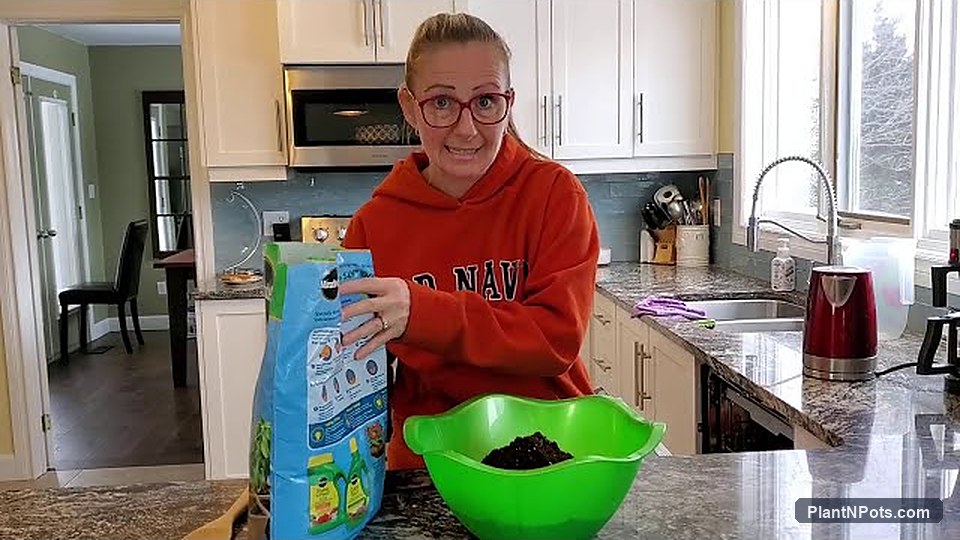
Ensure your planters feature adequate drainage holes at the base. Trapped water creates anaerobic pockets and a perpetually damp surface that attracts adult fungus gnats looking for nesting sites.
Empty saucer trays promptly after every watering session. Allowing pots to sit in standing runoff encourages root rot and maintains the high humidity levels required by gnat eggs.
Adjust your watering technique by switching to bottom watering. Placing pots in a water basin for twenty minutes lets roots drink while keeping the surface soil completely dry.
- Let topsoil dry between watering cycles.
- Verify functional drainage holes in every pot.
- Empty saucer runoff trays within minutes.
- Consider bottom-watering to keep surfaces dry.
Improving Container Drainage
Heavy potting soils retain moisture far too long for indoor container plants. Incorporating coarse perlite or pumice improves soil aeration and accelerates dry-out times significantly across all container types.
Avoid placing gravel at the bottom of pots, as this creates a perched water table. Instead, use a well-formulated soil blend that balances water retention with rapid internal drainage.
- Mix perlite into dense potting soils.
- Avoid adding gravel layers in containers.
Video Walkthrough: How I Eliminated Fungus Gnats on My Houseplants
Physical Barriers and Surface Topdressings
Creating physical surface barriers stops adult gnats from accessing soil. Layering a half-inch of horticultural sand or fine gravel over the potting mix prevents egg-laying entirely.
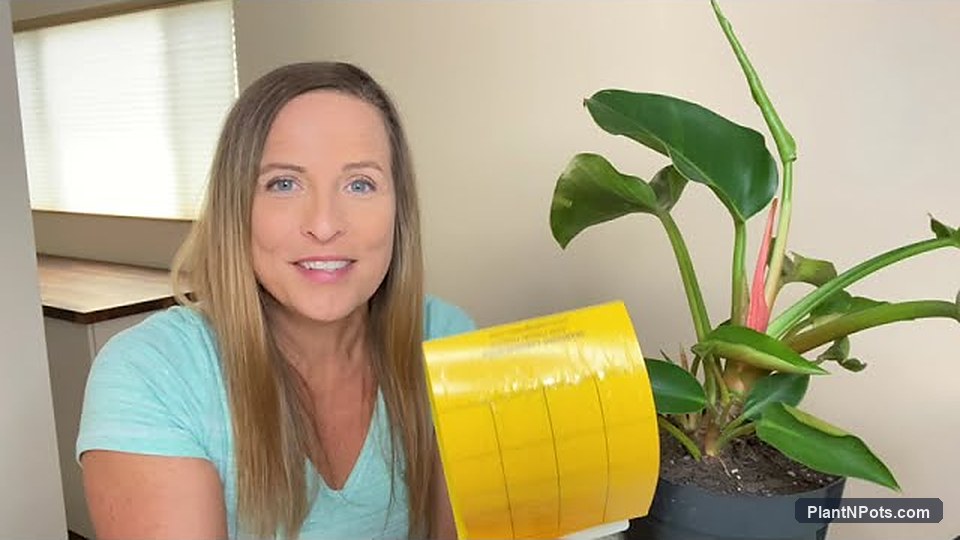
Smooth sands dry out rapidly after watering, deterring adult insects from landing. Ensure you use coarse sand rather than fine beach sand to maintain proper surface evaporation and air exchange.
Decorative stones and pebbles also work effectively as surface mulches. These materials deny pests access to damp organic matter while adding a clean, polished aesthetic to your indoor planters.
Yellow sticky cards placed near the soil surface capture flying adults. Monitoring and trapping adult females breaks the reproductive cycle and reduces the overall population count over time.
- Apply horticultural sand as a top layer.
- Use coarse sand to maintain airflow.
- Place yellow sticky traps near pot bases.
- Replace sticky cards when fully covered.
Using Lightweight Expanded Clay
Lightweight expanded clay aggregates make excellent decorative topdressings. These porous clay balls dry quickly, denying pests the moisture needed for successful egg incubation on the container surface.
Scatter a thin layer evenly across the entire potting mix surface. This physical barrier stops adults instantly while permitting normal gas exchange and watering through the clay layer.
- Spread clay aggregates evenly.
- Ensure complete surface coverage.
Biological Controls for Subsurface Larvae
Biological controls offer an eco-friendly method for managing subsurface larval populations. Introducing beneficial nematodes into your container soil targets and eliminates immature gnat stages without harming plant roots.
These microscopic organisms seek out and consume gnat larvae within the potting mix. Mix the nematodes into lukewarm water and apply the solution directly to moist container soil immediately.
Another microbial option involves using specific bacterial strains formulated for pest control. This naturally occurring bacterium produces proteins that destroy larval gut linings when ingested within the soil.
Reapply biological treatments every two weeks until the infestation clears completely. Consistency is vital because hatching eggs can produce successive generations of pests if treatments stop prematurely.
- Apply beneficial nematodes via watering cans.
- Use targeted microbial soil drench treatments.
- Maintain consistent treatment schedules biweekly.
- Keep biological products cool before mixing.
Deploying Beneficial Nematodes Safely
Timing matters significantly when applying living nematodes to your planters. Apply the solution during evening hours or on cloudy days to protect fragile organisms from harmful ultraviolet light.
Ensure the potting mix is pre-moistened before application. Dry soil prevents nematodes from moving freely through the container to locate and eliminate larvae.
- Apply treatments during low-light hours.
- Pre-moisten soil before nematode application.
Repotting Techniques for Severe Infestations
Severe infestations sometimes require a complete repotting process when maintaining a [terracotta pot](https://plantnpots.com/?p=5046). Gently remove the plant and shake away contaminated soil from the delicate root system.
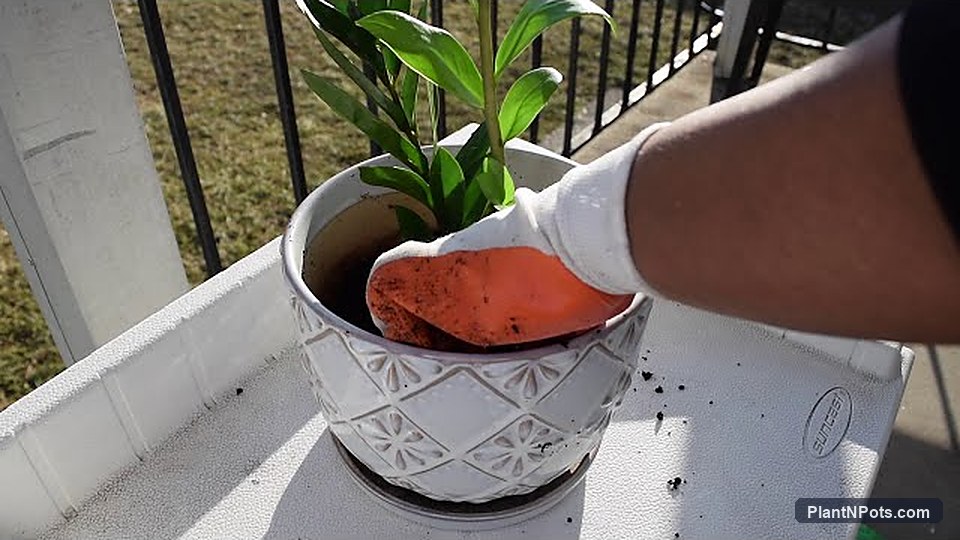
Rinse the roots gently under lukewarm water to wash away lingering eggs. Inspect the root ball carefully for any signs of rot or physical damage before transferring to fresh media.
Clean and sanitize your original container thoroughly using a mild bleach solution. Thorough sterilization eliminates residual eggs and pathogens that could reinfect your freshly repotted houseplant specimen.
Plant your cleaned specimen in a fresh, high-quality potting mix formulated for indoor containers. Avoid using garden soil from outdoors, which often harbors dime-store pests and weed seeds.
- Shake old soil completely from roots.
- Wash root systems under running water.
- Sanitize containers with bleach solutions.
- Use fresh, sterilized indoor potting mix.
Selecting Fresh Growing Media
Premium commercial potting mixes undergo sterilization processes to eliminate pests. Look for soil blends featuring peat moss, coco coir, and perlite for optimal drainage and aeration.
Avoid reusing old potting soil from infested containers unless sterilized. Baking or solarizing old media destroys pests, but starting fresh guarantees a pest-free growing environment.
- Choose sterile commercial potting soils.
- Avoid unsterilized garden bed soil.
Organic Washes and Natural Drench Treatments
Natural household drenches offer accessible remedies for mild indoor plant infestations. Diluted hydrogen peroxide solutions create an effervescent reaction that destroys soft-bodied larvae upon direct contact in the soil.
Mix one part household hydrogen peroxide with four parts water thoroughly. Pour the mixture over your potting soil, listening for the fizzing action that signals active pest elimination.
Neem oil drenches provide another reliable organic intervention method. Emulsify cold-pressed neem oil with water and mild soap, then drench the soil to disrupt larval feeding and development.
Test any homemade drench on a single leaf before full application. This precaution prevents unexpected chemical burns on sensitive houseplants sensitive to concentrated organic compounds.
- Dilute hydrogen peroxide with water.
- Listen for fizzing during soil application.
- Use emulsified neem oil root drenches.
- Test sensitive plants before full treatment.
Dilution Ratios for Safety
Precision matters when mixing homemade organic drenches for container plants. Using overly concentrated solutions can shock delicate root systems and cause sudden foliage drop across your houseplants.
Stick strictly to recommended proportions for every treatment application. Patience yields better results than aggressive chemical strength when managing delicate indoor container gardens.
- Measure ingredients accurately every time.
- Never exceed recommended dilution rates.
Preventing Future Outbreaks in Container Gardens
Preventing future gnat outbreaks requires disciplined ongoing container garden maintenance. Establish a reliable watering routine that prioritizes dry spells and prevents continuous surface dampness in all indoor pots.
Inspect organic fertilizers and compost before adding them to indoor planters. Unfinished organic matter attracts adult gnats looking for ideal sites to initiate new reproductive cycles.
Clean fallen leaves and plant debris from the soil surface promptly. Decomposing organic matter provides a ready food source that sustains larvae and encourages persistent pest populations.
Quarantine new botanical acquisitions in a separate room for two weeks. This simple habit safeguards your entire indoor collection against introducing hidden insect pests and diseases.
- Maintain consistent dry-out watering cycles.
- Clear fallen leaves from pot surfaces.
- Quarantine newly purchased plants indoors.
- Inspect organic fertilizers before use.
Monitoring Strategies for Success
Install permanent yellow sticky traps near your most vulnerable houseplants. Catching stray adults early alerts you to rising populations before an outbreak becomes severe.
Examine your collection weekly under bright lighting conditions. Early detection keeps management efforts simple, requiring only minor adjustments to watering habits rather than intensive treatments.
- Keep sticky cards deployed permanently.
- Inspect plants under bright light.
Frequently Asked Questions
What causes fungus gnats to appear in potted plant soil?
Fungus gnats appear primarily due to excessive moisture and damp organic material within your indoor potting mix. Overwatering creates the ideal humid breeding ground for adult insects to deposit hundreds of eggs.
Are fungus gnats harmful to my established houseplants?
Adult fungus gnats cause minimal direct harm to mature foliage, but their voracious underground larvae consume vital fine root hairs. This hidden feeding stunts plant vigor and causes unexpected wilting despite proper moisture levels.
How long does it take to eliminate a gnat infestation?
Eliminating an active gnat infestation typically takes two to four weeks of consistent moisture management and targeted treatments. Because eggs hatch sequentially over time, you must maintain your control measures long enough to break the entire reproductive cycle.
Can I use regular garden soil to pot my indoor plants?
You should never use unsterilized outdoor garden soil for indoor potted plants because outdoor dirt frequently harbors numerous insect pests, weed seeds, and fungal pathogens. Always select commercial, sterile potting mixes designed specifically for indoor container gardening.
What is the best way to prevent future gnat problems?
The best prevention method is maintaining a strict watering schedule that lets the top soil dry out completely between sessions. Ensuring proper container drainage and applying horticultural sand surface barriers also stops future outbreaks.

