Mastering 10 gallon plant pot dimensions ensures proper root development and structural stability for large specimens. This technical reference clarifies sizing, soil volume, and drainage requirements.
Key Takeaway:
Standard 10 gallon containers typically measure roughly 15 to 18 inches in diameter and 14 to 16 inches in height. Always verify actual manufacturer specifications before purchasing soil.
Quick-Reference Guide
| Factor / Scenario | Recommended Target | Why It Matters |
|---|---|---|
| Top Diameter | 15 to 18 Inches | Accommodates spreading root systems comfortably. |
| Container Height | 14 to 16 Inches | Supports deep taproot growth for large plants. |
| Soil Volume | 1.34 Cubic Feet | Ensures accurate substrate purchasing calculations. |
| Headspace Gap | 2 Inches | Prevents irrigation overflow during heavy watering. |
| Saturated Weight | 70+ Pounds | Informs safe mobility and placement decisions. |
| Drainage Holes | Multiple 1/2-Inch Openings | Prevents root rot from standing moisture. |
Understanding True 10 Gallon Plant Pot Dimensions
Navigating 10 gallon plant pot dimensions requires understanding that manufacturers measure volume rather than precise physical geometry. Variations exist between injection-molded nursery containers and decorative ceramic or wooden planters.
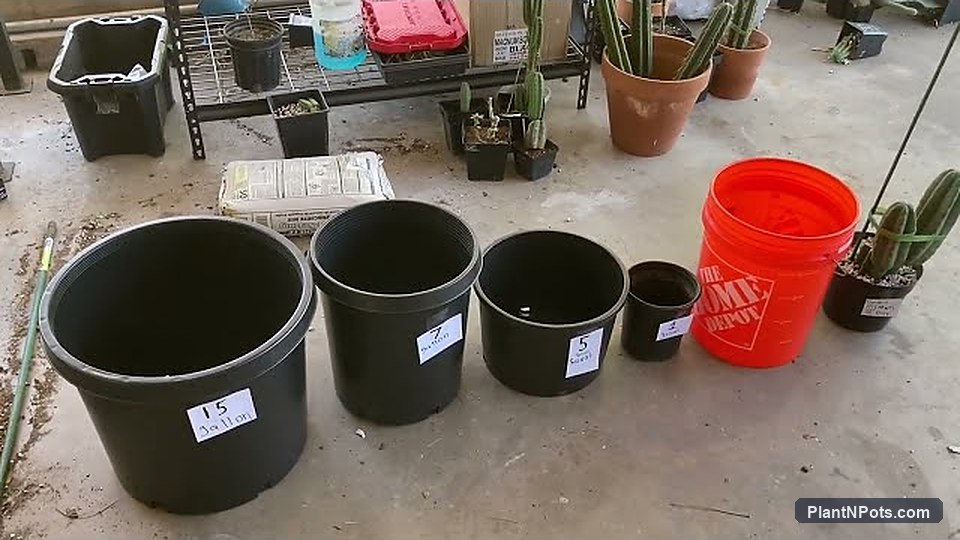
Most standard plastic nursery pots hold exactly 10 US liquid gallons, translating to roughly 2,310 cubic inches of internal space. Measuring your specific vessel prevents miscalculations when purchasing growing media or amendments.
Height and top diameter directly influence root zoning behavior. Utilizing [10 gallon grow bags](https://plantnpots.com/?p=1005) changes these dynamics, because flexible breathable walls accommodate spreading root systems while preventing circular root binding effectively.
Checking the base diameter is equally critical to prevent tipping hazards once heavy plants mature. A narrow base combined with heavy top growth creates severe structural instability during high wind events outdoors.
Navigating container gardening requires knowing that a nominal ten gallon container rarely holds exactly ten liquid units. Standard manufacturing tolerances mean actual volumes frequently fluctuate between 8.5 and 9.5 dry gallons depending on the specific wall taper.
When measuring your vessel at home, always check the internal diameter across the top rim rather than the outer edge. Subtract the lip thickness to determine the true planting width available for your root system's outward expansion.
Depth is equally critical for successful cultivation, with standard ten-gallon round buckets typically measuring fifteen inches deep. This vertical clearance accommodates deep-rooting crops like indeterminate tomatoes, peppers, and small perennial shrubs without causing premature root circling.
Manufacturers often stamp nominal sizes on the bottom, but checking physical metrics prevents costly soil miscalculations. Always measure the base diameter because a narrow bottom drastically reduces overall stability outdoors during heavy windstorms.
- Measure internal diameter across the top rim.
- Confirm base width for outdoor wind stability.
- Account for tapered walls reducing bottom volume.
- Verify actual liquid capacity via bucket tests.
Material Variations Across Standard Manufacturing
Different manufacturing materials alter physical 10 gallon plant pot dimensions significantly due to wall thickness. Heavy-duty clay or ceramic pots feature thick walls that reduce internal planting space compared to thin plastics.
Lightweight fiberglass composites maintain strict dimensional consistency while offering superior freeze resistance outdoors. Selecting the right material balances portability, moisture retention, and insulation properties across shifting seasonal temperature ranges.
Wooden half-barrels and custom planters often deviate from standard liquid capacities despite holding nominal volumes. Inspecting inner dimensions manually prevents underestimating bulk substrate needs during your initial container setup phase.
Plastic injection-molded containers offer exceptional moisture retention compared to porous alternatives, making them ideal for thirsty crops. However, dark plastic variants absorb intense solar radiation, which can potentially overheat delicate root zones during summer afternoons.
Fabric aeration pots promote healthy roots by air pruning circling edges. When selecting smaller vessels like a [lucky bamboo plant holder](https://plantnpots.com/?p=2884), porous evaporation rates differ significantly from heavy ceramic options.
Traditional terra cotta and ceramic vessels provide outstanding physical structural stability for heavy top-heavy plants against high winds. Their extreme weight makes them exceptionally difficult to reposition once fully saturated with wet soil and mature root masses.
- Plastic nursery pots offer exact volume consistency.
- Ceramic vessels feature thick, space-reducing walls.
- Fiberglass combines rigidity with moderate weight profiles.
- Wooden barrels require manual inner capacity checks.
Fabric Versus Plastic Dimensional Behavior
Fabric aeration containers flex outward when filled with wet substrate, altering their resting dimensions. This dynamic expansion provides superior oxygen exchange for root networks.
Rigid plastic pots maintain fixed physical boundaries, making them ideal for precise spacing layouts. Understanding these structural differences prevents layout errors on tight patios.
- Fabric pots bulge outward under soil weight.
- Rigid plastics maintain fixed outer dimensions.
Video Walkthrough: Nursery trade Pots comparison, Brief trade gallons explanation.
Soil Volume Calculations and Fill Requirements
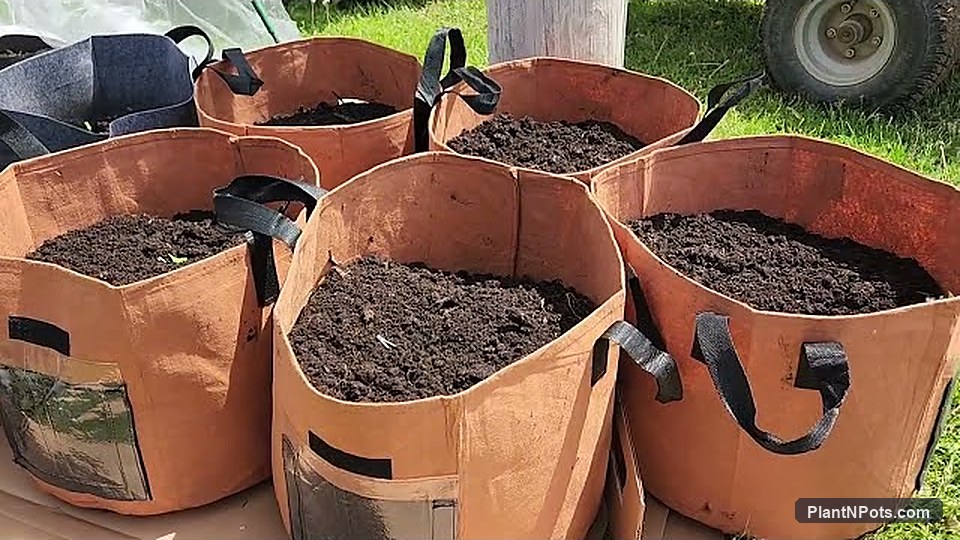
Filling large containers accurately demands calculating cubic footage. If you are downsizing to an [eva solo orchid pot](https://plantnpots.com/?p=2890), substrate calculations change completely, requiring specialized bark mixes instead of standard dense soils.
Commercial potting soil bags are commonly sold by cubic foot measurements rather than liquid gallons. Purchasing 1.5 cubic feet of quality substrate ensures you have sufficient material to fill the container completely.
Always leave a two-inch gap between the soil surface and the container rim to capture irrigation water. This headspace prevents overflow and nutrient runoff during heavy watering sessions or sudden summer downpours.
Tamp down the potting mix gently during filling to eliminate massive air pockets without compacting roots. Proper settling ensures your plant maintains adequate structural support as it establishes within the container environment.
Calculating precise soil requirements prevents purchasing unnecessary bags of growing media while ensuring adequate root space. A true ten-gallon container typically requires roughly 1.25 cubic feet of potting mix to fill properly to the rim.
Never compress your potting mix aggressively when filling large containers because dense soil destroys crucial pore space needed for oxygen exchange. Instead, gently settle the medium by tapping the container sides and watering lightly during the layering process.
Leave approximately two inches of clearance between the soil surface and the pot rim to prevent water overflow during irrigation. This crucial headspace ensures fertilizers and water stay inside the container rather than washing over the edges.
Incorporating slow-release organic amendments directly into the lower soil layers establishes a robust nutritional foundation for heavy-feeding crops. Always mix amendments thoroughly to avoid concentrated hot spots that might chemically burn developing root tips.
- Calculate 1.34 cubic feet for true 10-gallon capacity.
- Purchase slightly extra soil to account for settling.
- Maintain a two-inch watering headspace at the top.
- Eliminate large air pockets during the filling process.
Drainage Essentials for Large Container Systems
Proper drainage prevents root rot within large 10 gallon plant pot dimensions where moisture accumulates deeply. Inspect the bottom of your chosen container to verify that multiple factory-drilled drainage holes are present.
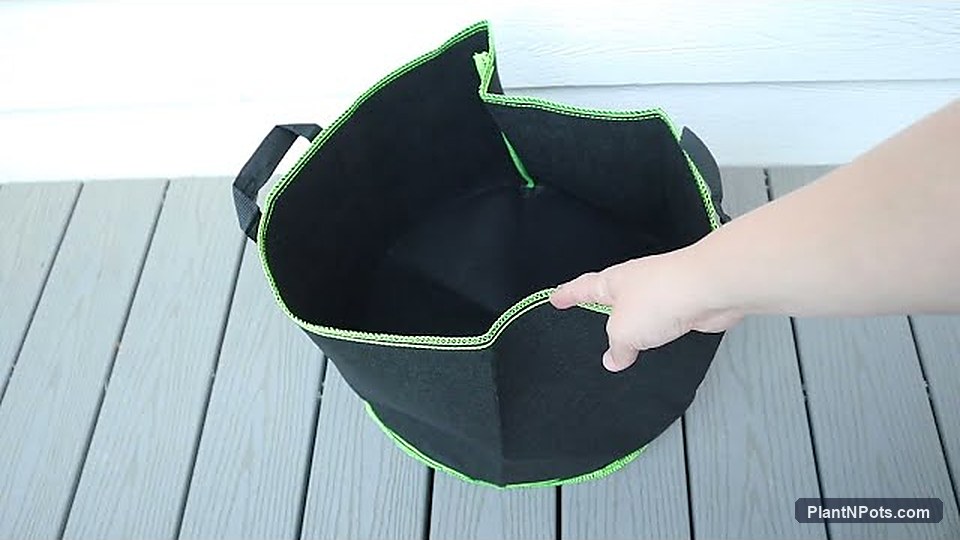
For containers lacking adequate drainage, drill additional half-inch holes strategically across the base. Elevating the pot on pot feet or bricks ensures water escapes freely without blocking oxygen exchange channels underneath.
Avoid placing heavy gravel layers at the bottom of containers, as perched water tables actually rise. Modern soil science proves that uniform potting mixes promote better downward water movement than layered coarse materials.
Protect drainage holes with porous landscape fabric to retain soil while letting excess moisture drain out. This simple preventative step keeps pests from entering through the bottom holes during outdoor growing seasons.
Proper drainage prevents root rot and anaerobic conditions by allowing excess irrigation water to escape quickly. Ensure your container features multiple pre-drilled holes distributed evenly across the bottom perimeter rather than a single central opening.
Elevating large vessels slightly using pot feet or wooden blocks prevents drainage holes from becoming clogged by mud. Unrestricted airflow beneath the container also discourages pests from nesting in the damp environment underneath your pots.
Avoid placing heavy layers of gravel at the bottom of containers, as physics dictates this actually impedes water movement into lower strata. Instead, use a porous mesh screen over drainage holes to retain soil while letting moisture drain freely.
During prolonged autumn rains, monitor your outdoor containers closely to ensure drainage paths remain entirely clear of fallen leaves. Stagnant water sitting in the bottom strata rapidly suffocates root systems and invites destructive fungal pathogens into the vessel.
- Verify multiple factory drainage holes before planting.
- Elevate containers using sturdy pot feet or bricks.
- Skip gravel layers to prevent perched water tables.
- Use landscape fabric patches to block crawling pests.
Plant Selections Suited for Ten-Gallon Vessels
Managing 10 gallon plant pot dimensions effectively requires choosing species matching available root space. Dwarf fruit trees, indeterminate tomatoes, blueberries, and large ornamental grasses thrive within this specific soil volume range.
Avoid planting overly aggressive large trees or sprawling vines that quickly outgrow ten-gallon boundaries. Root-bound conditions in oversized specimens lead to rapid nutrient depletion and severe drought stress during peak summer months.
Companion planting works exceptionally well within spacious 10 gallon containers when pairing shallow root crops. Combining dwarf herbs or leafy greens around a central vegetable plant maximizes surface space efficiently.
Assess mature plant weights alongside container dimensions to ensure overall mobility remains manageable. Heavy plants combined with moist soil can exceed fifty pounds, requiring wheeled caddies for safe relocation indoors.
Ten-gallon containers provide ample root volume for heavy-yielding indeterminate tomatoes, aggressive zucchini plants, and compact fruit trees. Selecting properly sized companion crops maximizes your yield without creating aggressive nutrient competition within the single vessel.
Culinary herbs like rosemary and thyme thrive in these large dimensions, developing extensive root networks over multiple seasons. Ensure your perennial plantings receive adequate winter protection if temperatures drop below their specific zone hardiness tolerance thresholds.
Root vegetables such as standard carrots and large bulb onions perform exceptionally well given the generous fifteen-inch depth. Loose, well-draining soil mixes are vital here to prevent misshapen roots and ensure straight vertical development.
Ornamental shrubs like dwarf conifers and compact hydrangeas add year-round architectural interest to patios and decks. Select heavy-duty materials for these permanent installations to withstand weather shifts and prevent tipping during severe storms.
- Select dwarf fruit trees or large patio tomatoes.
- Avoid overly aggressive species needing massive root zones.
- Incorporate shallow-rooted herbs as beneficial companions.
- Use wheeled caddies for heavy established plant specimens.
Video Walkthrough: Easy Gardening with 10 Gallon Potato Grow Bags | RealMamaWins Garden Finds
Ergonomics, Mobility, and Long-Term Maintenance
Moving containers matching typical 10 gallon plant pot dimensions requires careful ergonomic planning to prevent injury. A fully saturated ten-gallon planter often weighs over seventy pounds, necessitating mechanical lifting aids or dollies.
Position your containers in permanent or semi-permanent locations before adding heavy soil and plants. Planning sun exposure paths early prevents the grueling task of relocating heavy pots across hardscaped patio surfaces.
Inspect container walls annually for structural fatigue, especially when utilizing untreated plastics outdoors. Ultraviolet radiation degrades standard nursery plastics over time, leading to sudden cracks during seasonal temperature drops.
Refresh the top layer of potting mix each spring by replacing depleted nutrients with compost. This maintenance routine sustains vigorous plant growth without requiring total root disturbance or full container soil replacement.
A fully saturated ten-gallon pot filled with damp soil and mature plants weighs well over seventy pounds. Attempting to lift these heavy vessels manually risks severe back injury, making proper mechanical lifting techniques essential for gardeners.
Equip your large containers with heavy-duty wheeled plant caddies before filling them with heavy soil and plants. This simple addition makes routine seasonal repositioning and patio cleaning significantly easier on your physical ergonomics.
Annual container maintenance involves completely emptying spent soil, washing the vessel with mild soap, and inspecting for structural cracks. Thoroughly sanitizing containers prevents lingering pathogens and insect eggs from infecting your fresh spring plantings.
Check your containers periodically for UV degradation, especially if using lightweight plastic pots exposed to intense summer sunlight. Replacing compromised vessels proactively prevents sudden structural failures during critical stages of crop fruit development.
- Anticipate total saturated weights exceeding seventy pounds.
- Position pots permanently before adding heavy wet soil.
- Inspect plastic containers annually for ultraviolet degradation.
- Refresh topsoil layers with compost each spring season.
Frequently Asked Questions
What are the typical dimensions of a 10 gallon plant pot?
Standard 10 gallon plant pot dimensions generally range from 15 to 18 inches in diameter and 14 to 16 inches in height. Actual measurements vary slightly depending on manufacturer designs and fabrication materials.
How much soil do I need to fill a 10 gallon pot?
A ten-gallon container requires approximately 1.34 cubic feet of dry potting mix. Purchasing 1.5 cubic feet ensures you have enough substrate to account for settling and proper top headspace.
Can I grow small fruit trees in a 10 gallon container?
Yes, dwarf fruit trees like citrus, figs, and compact apples thrive within ten-gallon vessels. Ensure you prune roots periodically and provide adequate fertilization throughout the active growing season for best results.
Why are my fabric pot dimensions different from plastic ones?
Fabric aeration containers flex outward under soil weight, resulting in slightly wider physical profiles compared to rigid plastics. This flexibility enhances root pruning and promotes overall container breathability during warm weather.
How do I ensure proper drainage in large plant pots?
Always verify that your container features multiple bottom drainage holes and elevate it on pot feet. Avoid adding gravel layers, as uniform soil encourages better downward water drainage across the root zone.

