Surface mold on container plants signals excess moisture and poor aeration. This guide details practical steps to eliminate fungal growth and protect your indoor garden.
Key Takeaway:
Eliminate white surface mold by scraping away topsoil and improving airflow. Allow soil to dry between watering cycles to prevent fungal spores from returning.
Quick-Reference Guide
| Factor / Scenario | Recommended Target | Why It Matters |
|---|---|---|
| Soil Moisture | Top 2 inches dry | Prevents surface fungal growth |
| Air Circulation | Constant gentle breeze | Accelerates evaporation rates |
| Drainage Holes | At least 15% base area | Stops water pooling at roots |
| Natural Fungicide | Diluted cinnamon or neem | Inhibits mold spore germination |
| Indoor Humidity | 40% to 50% relative | Reduces ambient moisture levels |
| Light Exposure | Bright indirect light | Inhibits damp surface fungus |
Understanding the Causes of Fungal Growth
Potted plant mold typically appears as a fluffy white crust on the potting mix surface. Saprophytic fungi feed on decaying organic matter rather than living roots.
High indoor humidity combined with stagnant air creates ideal conditions for spores to germinate. Overwatering compounds this issue by keeping the topsoil constantly damp and unventilated.
Using heavy, non-porous soil mixes without perlite or bark restricts oxygen flow. When roots cannot breathe and moisture stays trapped, mold thrives rapidly across the container surface.
Understanding these environmental triggers helps you modify your plant care routine permanently. Simple adjustments to watering frequency and soil composition eliminate recurring fungal outbreaks effectively.
Fungal spores thrive indoors when relative humidity exceeds 60 percent and ambient temperatures remain between 70 and 85 degrees Fahrenheit. Stagnant indoor air accelerates this unwanted surface colonization significantly.
Overwatering remains the primary catalyst for saprophytic fungi development in containers. When soil stays saturated for more than 72 hours, oxygen depletes rapidly, creating an anaerobic breeding ground for microscopic spores.
Dense potting mixes containing heavy peat or fine compost retain moisture excessively. Incorporating perlite or coarse horticultural grit improves overall soil porosity, allowing the root zone to dry out evenly between watering cycles.
Low light conditions further compound fungal issues by slowing plant metabolism and transpiration rates. Placing sensitive houseplants in bright, indirect sunlight naturally reduces lingering surface dampness and inhibits rapid mycelium expansion.
- Check topsoil moisture before every watering session.
- Use well-draining soil amendments like perlite or pumice.
- Avoid keeping saucer reservoirs filled with standing water.
- Maintain moderate indoor humidity levels using ventilation fans.
Identifying Harmless Saprophytic Mold vs. Harmful Root Rot
Harmless surface mold stays entirely on top of the potting mix without damaging plant tissue. Selecting [best evergreen shrubs for pots](https://plantnpots.com/?p=3525) helps avoid chronic dampness, while root rot attacks underground structures, causing mushy stems.
Distinguishing between these conditions ensures you apply the correct remedy immediately. Surface mold requires environmental changes, while root rot demands emergency repotting and root trimming.
- Inspect the root ball for brown, foul-smelling sections.
- Scrape surface mold to see if underlying soil smells fresh.
Step-by-Step Removal of Surface Fungal Crust
Begin remediation by physically removing the visible mold layer using a clean spoon or trowel. Discard contaminated soil in an outdoor trash bin to prevent indoor spore dispersal.
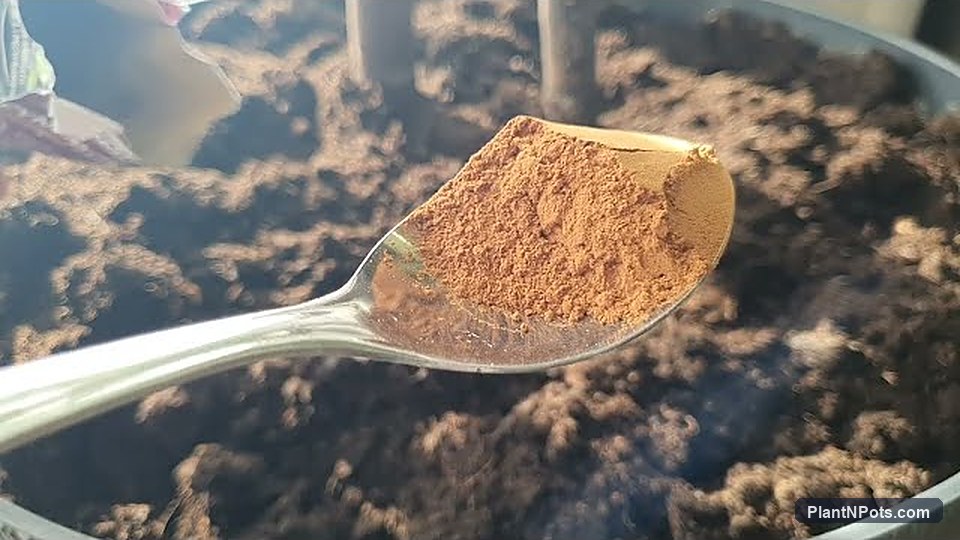
Take care not to disturb the delicate root system sitting just beneath the upper soil line. Scrape away the top half-inch of potting mix completely from the container.
After removing the affected medium, sprinkle a light dusting of ground cinnamon across the exposed soil surface. Cinnamon acts as a natural, non-toxic antifungal agent against spores.
Expose the container to bright, indirect sunlight to naturally dry out remaining microscopic spores. Fresh air circulation will discourage any residual fungal growth from reappearing on the surface.
Begin remediation by gently scraping away the visible crust using a clean metal spoon. When upgrading containers like the [best plastic planters for outside](https://plantnpots.com/?p=1112), dispose of contaminated top soil immediately into a sealed bag.
After removing the surface layer, treat the remaining soil exposed underneath. Dusting the area lightly with pure cinnamon powder provides a natural antifungal barrier that discourages secondary microbial growth without harming delicate roots.
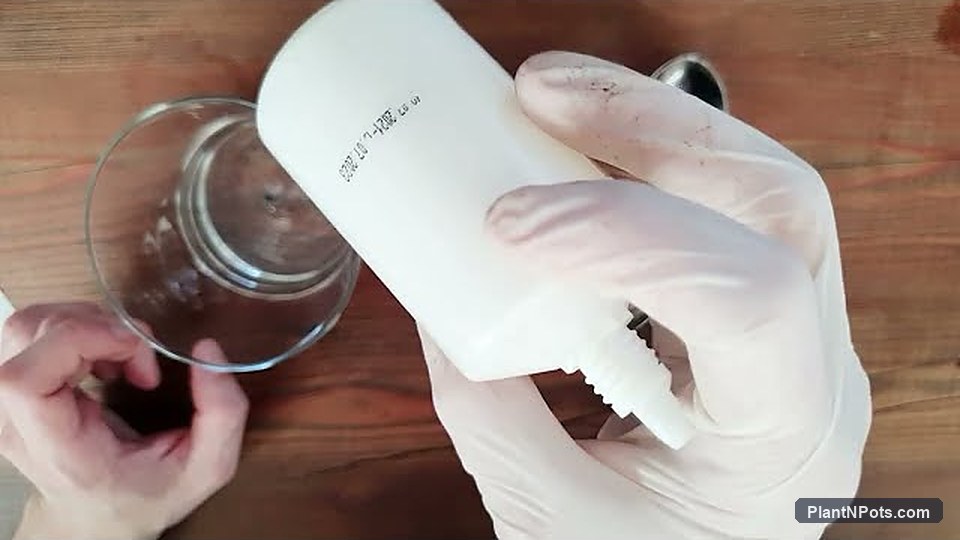
Alternatively, spray the exposed soil surface with a diluted solution of hydrogen peroxide mixed at a three percent concentration. Allow the mixture to fizz briefly before rinsing thoroughly with clean, lukewarm water.
Wash all gardening tools thoroughly in hot soapy water immediately following treatment procedures. This prevents cross-contamination across other indoor houseplants sharing the same interior growing space or maintenance routine.
- Wear a dust mask if you have severe mold allergies.
- Sanitize garden tools with rubbing alcohol afterward.
- Replace removed soil with fresh, sterile potting mix.
- Wash hands thoroughly after handling contaminated container surfaces.
Video Walkthrough: EFFECTIVELY KILL Moldy Top Soil | Treating Mold On Plant Soil | Houseplant Care Tips | Plant Care
Optimizing Drainage and Container Selection
Inadequate drainage stands as a primary culprit behind persistent indoor plant mold issues. Containers must feature functional bottom drainage holes to allow excess irrigation water to escape freely.
Plastic and glazed ceramic pots retain moisture longer than unglazed containers, making the [best way to seal terracotta pots](https://plantnpots.com/?p=4370) vital for controlling evaporation. Select materials matching your indoor drying speeds.
Elevate potted plants on plant stands or pot feet to improve airflow underneath drainage ports. Never let the bottom of the container sit directly in stagnant runoff water.
Layering coarse gravel at the bottom of containers is an outdated practice that impedes drainage physics. Instead, use a uniform, porous potting mix throughout the entire internal volume.
Selecting the right container is critical for long-term fungal prevention. Terracotta pots feature porous clay walls that facilitate rapid moisture evaporation from the soil profile compared to sealed plastic or glazed ceramic alternatives.
Every plant container must include at least one functional drainage hole at the base. Without adequate exit pathways, water pools at the bottom, creating prime conditions for anaerobic rot and surface mold colonies.
Elevating pots on small plant feet or saucers with pebbles prevents drainage ports from becoming blocked. This simple setup ensures unrestricted water outflow after every scheduled irrigation session throughout the growing season.
Avoid placing decorative catch saucers directly flush against the pot base without clearance. Standing water left in saucers for more than 15 minutes gets wicked back upward, saturating lower soil layers.
- Drill extra drainage holes in plastic pots if needed.
- Empty decorative cachepots within minutes after watering.
- Use unglazed clay for plants that prefer dry soil.
- Ensure saucer surfaces remain completely dry between irrigations.
Adjusting Watering Habits and Environmental Airflow
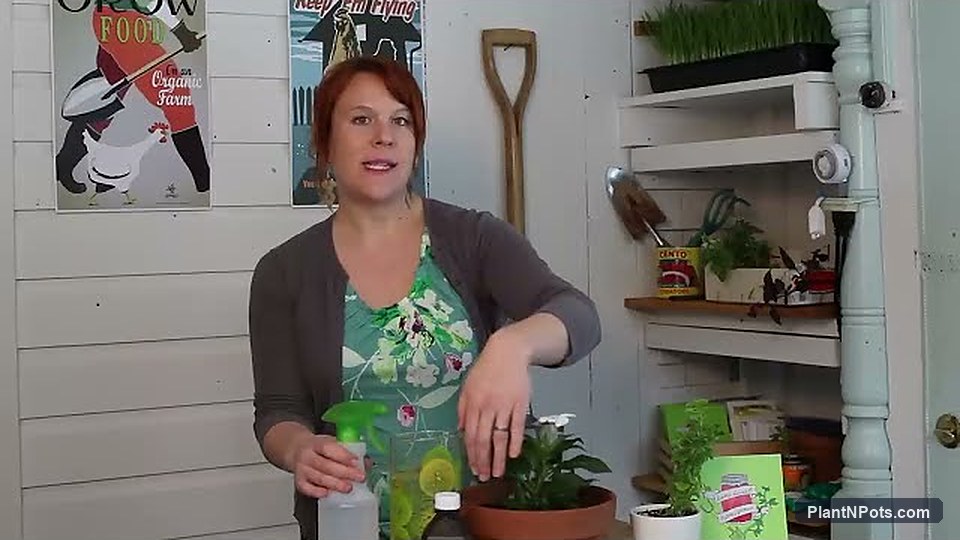
Incorrect watering frequency keeps the topsoil wet, inviting continuous fungal colonization. Adopt the soak-and-dry method, ensuring the upper two inches of soil dry completely between watering sessions.
Water deeply until liquid runs out of the drainage holes, then discard all runoff immediately. Avoid frequent, shallow sips that only moisten the very top layer of soil.
Stagnant indoor air trapped around foliage and pots accelerates mold spore germination rates. Place a small oscillating fan nearby to keep air moving gently across your container collection.
Opening windows on mild days introduces fresh outdoor air and reduces indoor humidity effectively. Good ventilation dries out damp soil surfaces before fungal spores can establish colonies.
Adopt the soak-and-dry method to minimize surface moisture accumulation. Always check soil dryness down to two inches deep using your finger before applying fresh water to potted houseplants.
Water plants during early morning hours so foliage and soil surfaces dry quickly under natural warmth. Never water late in the evening when cooler night temperatures slow evaporation rates substantially.
Enhance indoor air circulation by running small oscillating fans near dense plant groupings. Consistent airflow disrupts stagnant microclimates, preventing spore germination on damp soil surfaces across your indoor garden.
Maintain indoor relative humidity levels between 40 and 50 percent using dehumidifiers during damp seasonal shifts. Proper ambient humidity control stops recurring fungal outbreaks before they damage vulnerable specimens.
- Insert a moisture meter deep into the root zone.
- Use room-temperature water for all indoor plant irrigation.
- Water early in the morning so surfaces dry faster.
- Group plants with adequate spacing to promote air exchange.
Repotting Methods for Severe Fungal Infestations
When mold continually returns despite surface scraping, a full repotting session becomes necessary. Gently slide the plant out of its current container and brush away old soil.
Inspect the root system carefully for any signs of decay, rot, or lingering fungal mycelium. Rinse the roots gently under lukewarm water to remove microscopic spores clinging to tissues.
Wash the original container thoroughly with a solution of dish soap and household bleach. Rinse the pot completely before adding fresh, sterile potting mix to prevent reinfection.
Settle the plant into its clean pot at the exact same depth it grew previously. Press the fresh soil lightly around the base to eliminate large air pockets safely.
Severe mold penetrations reaching deep into the root ball require complete repotting. Gently extract the plant and shake away contaminated old soil from the root system entirely outdoors.
Rinse the exposed root structure under lukewarm running water to wash away residual fungal spores. Inspect roots carefully, using sterile pruning shears to snip away any mushy, decayed, or foul-smelling sections.
Sanitize the original container thoroughly using a solution of one part household bleach mixed with nine parts water. Soak the vessel for at least 30 minutes before rinsing and drying completely.
Repot the cleansed plant into fresh, well-aerated potting mix formulated for your specific plant type. Avoid packing the medium too tightly, ensuring optimal gas exchange around newly developing root tips.
- Choose a commercial potting mix containing peat, perlite, and bark.
- Discard old soil outdoors rather than reusing it indoors.
- Water the freshly repotted plant lightly to settle mix.
- Keep repotted plants in shaded recovery spots for days.
Preventive Maintenance and Long-Term Fungal Control
Preventing future mold outbreaks relies on consistent monitoring and proactive environmental management. Inspect your potted plants weekly for early signs of white crust or musty odors.
Scrape away fallen dead leaves and organic debris from the soil surface promptly. Decaying plant matter serves as an immediate food source for saprophytic fungi lingering in pots.
Adjust your indoor climate control to keep relative humidity below recommended maximum thresholds. Dehumidifiers work wonders in damp rooms during rainy seasons or humid summer months.
Applying a thin top-dressing of horticultural sand or fine gravel can also discourage mold. These mineral layers dry out rapidly, preventing fungal spores from finding purchase.
Establish a consistent seasonal maintenance schedule to keep indoor fungal growth permanently at bay. Routinely inspect topsoil layers every two weeks during autumn and winter when indoor heating creates stagnant conditions.
Topdress vulnerable houseplants with a thin layer of horticultural sand or fine gravel. This physical barrier stops organic debris from contacting wet soil, starving potential saprophytic fungi of necessary nutrients.
Avoid over-fertilizing houseplants with high-nitrogen liquid feeds, which stimulate weak, succulent growth susceptible to infections. Feed sparingly during active growth periods using balanced, slow-release organic fertilizers formulated for indoor safety.
Promptly remove fallen leaves and fading blossoms from the soil surface before they decompose. Maintaining absolute surface cleanliness eliminates the primary organic fuel sources required by unwanted indoor molds to proliferate.
- Remove yellowing or fallen leaves from soil daily.
- Clean decorative pot exteriors during routine plant maintenance.
- Rotate indoor pots periodically for even light exposure.
- Monitor seasonal humidity shifts with a digital hygrometer.
Frequently Asked Questions
Is white mold on my potted plant harmful to humans or pets?
Saprophytic surface mold is generally harmless to healthy individuals, but it can easily trigger allergies or asthma flare-ups in sensitive people. When disturbed, these airborne fungal spores may cause respiratory irritation for both indoor pets and their owners.
Ensure you wear a protective mask when scraping away severe infestations indoors.
Can I use chemical fungicides to get rid of mold in potting soil?
Commercial chemical fungicides are rarely necessary for indoor container plants because modifying environmental conditions solves the root issue. Improving air circulation and letting the topsoil dry out will naturally eradicate fungal growth without toxic chemicals.
Safe household alternatives like cinnamon or diluted neem oil work exceptionally well on stubborn indoor patches.
Why does mold keep returning to my indoor plant pot after I remove it?
Persistent high humidity, organic debris, and damp soil create a continuous breeding ground for microscopic spores. To permanently break this frustrating cycle, you must modify your watering schedule and significantly increase room ventilation.
Does sunlight kill mold on the surface of potted plant soil?
Direct sunlight can help dry out damp soil surfaces, but standard indoor light levels rarely kill mold outright. Bright indirect light combined with dry air discourages fungal growth, though physical removal is still required.
Moving susceptible plants outdoors for a few hours of gentle morning sun can also assist natural drying.
What type of soil is least likely to grow mold in containers?
Well-draining soil mixes containing high amounts of inorganic materials like perlite, pumice, and coarse sand resist mold best. Sterile potting mixes featuring bark and peat maintain better aeration than dense garden soil.
Always select fresh, high-quality media packaged specifically for indoor container gardening to prevent fungal introductions.

