Selecting the right container volume is essential for a thriving container garden. This manual explains precise measurements and root requirements for maximum fruit yields.
Key Takeaway:
Determinate varieties generally thrive in five-gallon containers, while indeterminate types demand at least ten gallons of rich potting mix to support their aggressive root structures.
Tomato Container Sizing Reference
| Tomato Variety Type | Minimum Pot Volume | Recommended Soil Depth |
|---|---|---|
| Dwarf / Micro-Tomatoes | 2 to 3 Gallons | 10 to 12 Inches |
| Determinate Bush Types | 5 Gallons | 14 to 16 Inches |
| Indeterminate Vining Types | 10 to 15 Gallons | 18+ Inches |
| Cherry Tomato Varieties | 7 to 10 Gallons | 16 Inches |
| Paste / Roma Cultivars | 10 Gallons | 16 to 18 Inches |
| Beefsteak Varieties | 15 to 20 Gallons | 20 Inches |
Understanding Root Systems and Volume Requirements
Tomato roots grow exceptionally deep and wide when given proper conditions. A cramped root zone instantly stunts overall plant vigor, drastically reducing seasonal fruit production and overall harvest quality.
Commercial container gardeners rely on specific volume thresholds to sustain heavy fruit loads. Choosing inadequate container sizes leads to rapid moisture depletion, severe nutrient lockout, and premature foliage yellowing.
Container gardening success depends heavily on replicating natural soil dynamics within a confined space. Providing adequate soil volume ensures stable temperatures and consistent access to vital macro-nutrients.
Water retention improves drastically when soil mass increases proportionately with plant canopy size. Larger volumes buffer against extreme heat fluctuations during peak summer afternoons.
Choosing the best tomato pots with reservoir prevents root crowding while sustaining heavy fruit yields. These large vessels give plants ample room to establish deep root networks without suffering moisture stress.
Standard indeterminate varieties demand at least ten gallons of soil volume to support their massive green architecture. Miniature bush types thrive comfortably in smaller five-gallon spaces without sacrificing total fruit yields.
Soil temperatures heavily dictate root expansion rates during early spring planting phases. Maintaining a stable root zone between sixty and seventy degrees Fahrenheit ensures optimal uptake of vital macro-nutrients.
Providing adequate root space prevents premature binding that triggers early seasonal senescence. Selecting proper container depth allows vertical anchoring needed to balance heavy fruit loads later in summer.
- Mature tomato root systems can easily penetrate eighteen inches deep.
- Restricted roots trigger premature plant senescence and reduced yields.
- Larger soil volumes provide a crucial thermal buffer against heat shock.
- Adequate root space prevents chronic calcium deficiency and blossom end rot.
Determinate Versus Indeterminate Growth Habits
Determinate tomato cultivars grow into compact, bush-like shapes with predictable harvest windows. These smaller plants require significantly less root space than sprawling, vine-like varieties that produce continuously.
Indeterminate tomatoes continue climbing and setting fruit until autumn frost arrives. Their extensive underground networks require massive soil reserves to maintain continuous water transport and heavy nutrient uptake.
- Bush tomatoes stop growing once flowers form at shoot tips.
- Vining tomatoes demand sturdy staking alongside large containers.
Evaluating Gallons Versus Inches for Container Selection
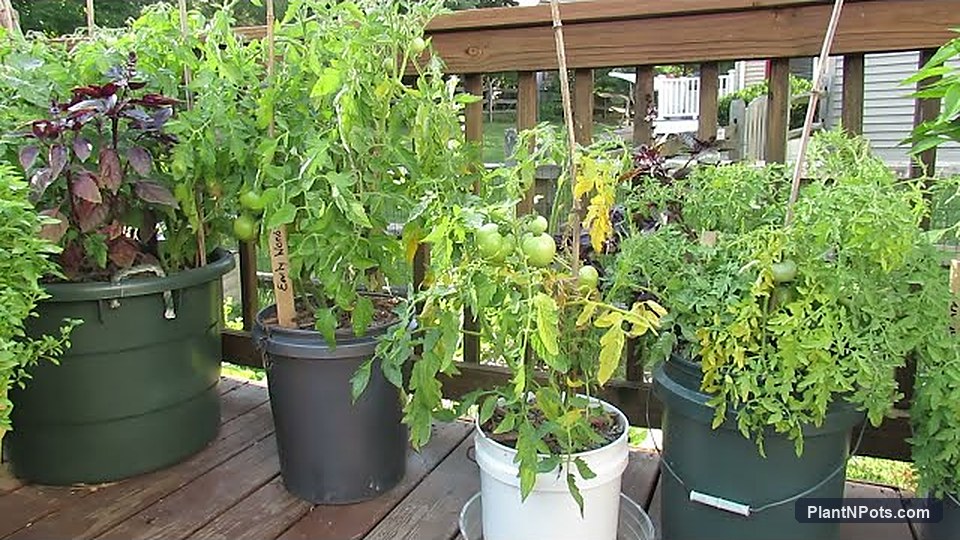
Gardeners often confuse linear pot dimensions with actual soil volume capacity. Calculating true container gallons ensures your tomato plants receive the exact cubic root space required for optimal health.
Selecting proper deep indoor plant containers guarantees adequate soil capacity for vigorous growth. Measuring internal dimensions ensures your crops have sufficient cubic space to mature successfully.
Depth is far more critical for tomatoes than surface area width. Deep containers encourage downward root elongation, which anchors heavy vines and taps into deeper moisture reservoirs.
Checking manufacturer specifications prevents underestimating soil capacity when transitioning seedlings into final production vessels during late spring hardening-off phases.
Translating nominal pot diameters into actual growing volume often confuses novice gardeners. A standard twelve-inch diameter pot typically holds roughly three gallons, falling short for large vining tomato cultivars.
Measuring your container by liquid capacity rather than top-rim width guarantees accurate soil calculations. Look for pots providing adequate soil depth measuring at least fourteen inches from drainage holes upward.
Wide, shallow bowls restrict essential downward root penetration despite offering impressive surface areas. True tomato success requires cylindrical vessels maximizing both depth and width to sustain heavy vegetative loads.
Calculating volume helps you purchase exact quantities of premium potting mix without costly waste. Always verify manufacturer capacity specifications before transplanting fragile seedlings into their permanent summer homes.
- Always calculate internal volume rather than relying on external marketing labels.
- Prioritize vertical depth over wide, shallow container profiles.
- Ensure base diameters are at least twelve inches to prevent tipping hazards.
- Verify drainage hole configurations before filling containers with heavy potting mix.
Calculating Cubic Inches to Liquid Gallons
Converting container dimensions to gallons requires multiplying the radius squared by depth and pi. One US liquid gallon equals approximately two hundred thirty-one cubic inches of space.
Using standard nursery trade measurements simplifies this math since most commercial pots list nominal gallon capacities directly on their molded plastic rims.
- Divide total cubic inches by 231 to find exact gallon capacity.
- Account for space left at the top for watering clearance.
Video Walkthrough: The Best Pot Size for Growing Tomatoes??? (Big or Small)
Material Choices and Their Impact on Root Health
Container material directly influences root zone temperature, soil moisture retention, and overall oxygen exchange. Plastic pots retain moisture effectively but can overheat rapidly in direct sunlight.
Terra cotta and unglazed ceramic vessels offer excellent breathability and stability. However, porous clay walls wick moisture away quickly, requiring much more frequent irrigation during hot summer days.
Fabric grow bags promote natural root pruning through air exposure. This prevents root circling and stimulates dense, fibrous root branches that absorb nutrients with exceptional efficiency.
Wooden half-barrels provide fantastic insulation for root systems in northern climates. Selecting rot-resistant cedar or redwood ensures these heavy planters endure multiple seasons outdoors.
Pairing your wooden containers with the [best soil for large planters](https://plantnpots.com/?p=3571) optimizes moisture regulation. Premium organic potting mixes retain vital hydration while maintaining excellent root aeration throughout hot summer weather.
Traditional terracotta vessels offer exceptional breathability but dry out rapidly under direct sunlight. Gardeners utilizing porous clay pots must commit to frequent daily watering schedules during peak summer heatwaves.
Plastic containers retain moisture efficiently, reducing labor, but can overheat dark surfaces in southern climates. Selecting light-colored plastics reflects harmful solar radiation, keeping delicate root zones safely below thermal stress thresholds.
Heavy-duty glazed ceramic or stone containers provide unmatched stability against fierce autumn wind gusts. Their impermeable interior walls require careful drainage management to prevent stagnant water pooling near the base.
- Plastic containers reduce watering frequency during intense heat waves.
- Fabric aeration bags eliminate root-bound syndromes entirely.
- Unglazed clay pots provide heavy ballast for tall indeterminate varieties.
- Wooden containers require food-safe sealants to prevent chemical leaching.
The Advantages of Breathable Fabric Containers
Flexible fabric grow bags revolutionize patio tomato cultivation through superior air permeability. Roots encountering container walls naturally stop growing outward, forming a dense, efficient fibrous mat.
Excess water drains instantly through porous fabric walls, virtually eliminating catastrophic root rot issues caused by accidental overwatering or heavy prolonged rainstorms.
- Air pruning creates robust, non-circling root architectures.
- Fabric walls keep root zone temperatures cooler on hot patios.
Recognizing Signs of Restricted Container Growth
Tomato plants trapped in undersized containers display distinct distress signals early in the growing season. Chronic wilting despite adequate soil moisture often points directly to severe root congestion.
Stunted canopy growth paired with pale lower leaves indicates nutrient lockout. When roots fill every cubic inch of soil, feeding channels collapse and fertilizer absorption drops significantly.
Frequent daily watering requirements indicate that the root mass has completely displaced the soil medium. Water simply runs straight through without finding any spongy substrate to saturate.
Inspect container drainage holes periodically for escaping root tips. Protruding roots confirm that the plant has outgrown its current vessel and urgently requires intervention.
Spotting root restriction early saves your harvest from catastrophic mid-season decline and sudden wilting. Watch for rapid moisture depletion, requiring multiple daily waterings even after thorough morning irrigation sessions.
Nutrient deficiencies manifest as lower yellowing leaves despite regular, balanced fertilizer application routines. When roots are severely bound, they fail to absorb essential nitrogen and trace minerals efficiently.
Stunted upper canopy development accompanied by premature blossom drop signals critical underground spatial limitations. Check drainage holes for protruding root tips, which confirm your plant has completely outgrown its vessel.
Correcting a root-bound tomato requires careful up-potting into a substantially larger growing container immediately. Gently tease circling roots outward to encourage outward expansion into fresh, nutrient-dense potting soil.
- Watch for leaves turning yellow from bottom to top prematurely.
- Daily midday wilting despite damp soil signals root restriction.
- Rapid drying cycles mean root mass outweighs soil volume.
- Visible roots emerging from drainage holes demand immediate action.
Emergency Remediation for Root-Bound Tomatoes
Upgrading to a larger container mid-season can rescue distressed tomato plants. Carefully slide the root ball out, gently tease circling roots apart, and replant in rich media.
Pruning back excessive foliage temporarily reduces moisture demand while recovering root systems establish themselves in their newly expanded underground environment.
- Handle delicate root systems with extreme care during transfers.
- Water thoroughly immediately following any emergency container upgrade.
Soil Substrates, Drainage Layers, and Structural Stability
Container success relies entirely on utilizing a high-porosity potting mix rather than dense garden soil. Heavy backyard dirt compacts inside pots, suffocating roots and halting drainage completely.
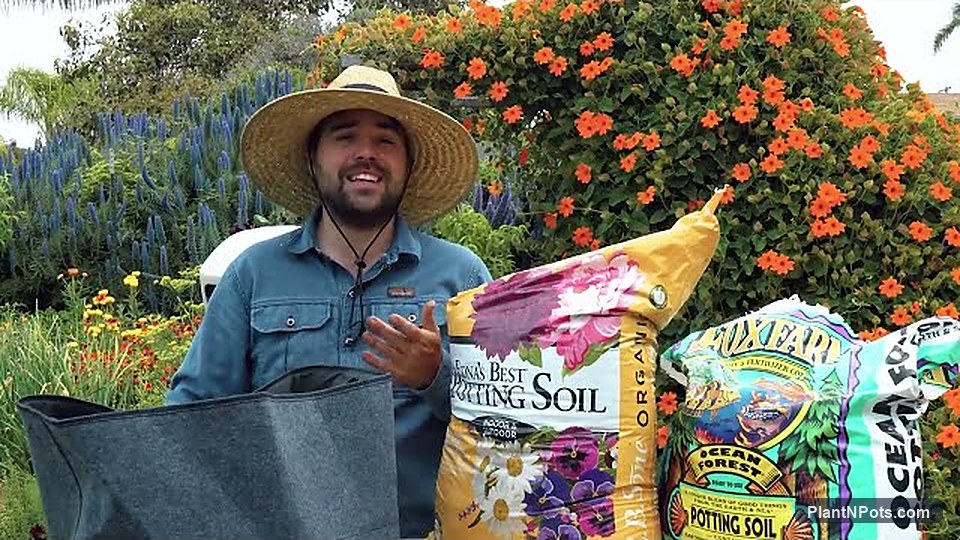
Adding compost, perlite, and peat moss creates an ideal structural matrix for tomato roots. This custom blend retains necessary moisture while maintaining abundant internal air pockets.
Proper bottom drainage is non-negotiable for healthy container tomatoes. Elevate pots slightly using pot feet to ensure water escapes freely without blocking lower aeration holes.
Top-heavy indeterminate cultivars require sturdy support structures anchored securely outside the pot. Heavy fruit loads can easily topple tall containers during sudden summer windstorms.
Successful container gardening demands specialized soil mixes rather than heavy earth from backyard garden beds. Premium soilless potting mixes provide optimal aeration, moisture retention, and disease-free structural integrity for tomatoes.
Never place gravel or pot shards at the bottom of containers, as this actually impedes drainage. Modern percolation physics demonstrates that perched water tables form higher when coarse layers interrupt fine soil.
Heavy top growth requires robust counterweights to prevent tip-overs during fierce afternoon thunderstorms. Add heavy bottom ballast stones or anchor stakes securely when cultivating massive indeterminate varieties in containers.
Incorporating organic compost into your potting medium supplies slow-release fertility throughout the growing season. Maintain optimal soil porosity by refreshing one-third of your container substrate annually during spring prep.
- Never use native garden soil inside enclosed containers.
- Incorporate perlite or pumice to enhance soil aeration.
- Elevate pots on pot feet to guarantee uninhibited drainage.
- Anchor tomato cages deeply into soil to prevent wind blowovers.
The Truth About Gravel Drainage Layers
Placing gravel at the bottom of a pot does not improve drainage as commonly believed. Perched water tables actually form higher up, creating a soggy zone near roots.
Fill the entire container uniformly with your quality soilless potting mix to maintain consistent capillary action and optimal moisture distribution throughout the profile.
- Gravel layers raise the saturation zone closer to roots.
- Use uniform potting mix from top to bottom for best results.
Video Walkthrough: Pot Up (Repot) Your Tomato Seedlings for Stronger Roots and Bigger Harvests
Managing Moisture and Nutrients in Confined Spaces
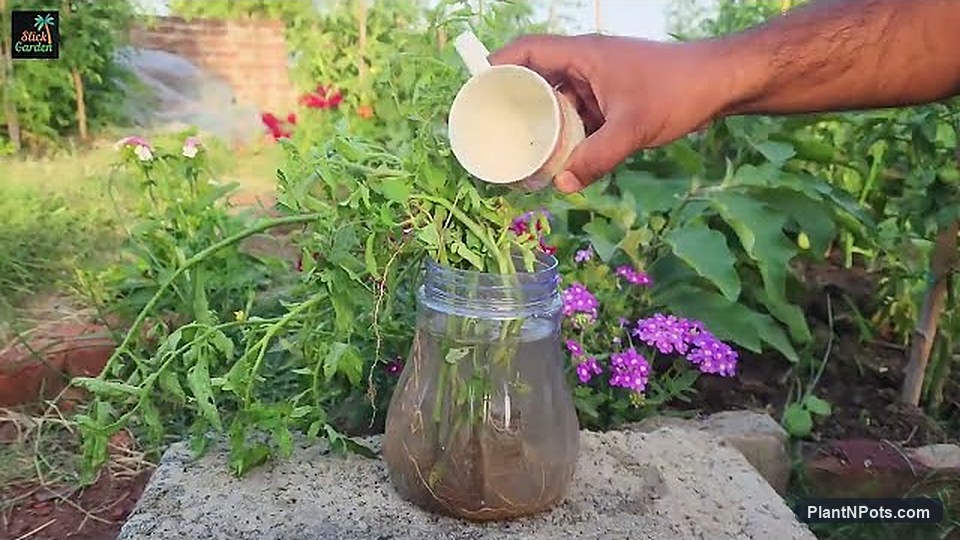
Container-grown tomatoes demand rigorous watering schedules during warm summer months. Restricted soil volumes dry out rapidly, requiring daily or even twice-daily irrigation cycles.
Leaching occurs frequently in pots due to heavy watering and porous soil mixes. Essential soluble nutrients wash away quickly, necessitating regular applications of balanced liquid fertilizers.
Applying organic mulch across the container surface drastically reduces surface evaporation rates. Materials like straw or shredded bark keep root zones cool and retain moisture efficiently.
Install drip irrigation emitters on timers to maintain consistent soil moisture levels. Erratic watering schedules directly trigger blossom end rot and fruit splitting problems.
Confined container environments experience rapid leaching of essential minerals during routine watering cycles. Implement a consistent feeding schedule using balanced, water-soluble fertilizers every week once fruit set begins.
Inconsistent moisture delivery directly causes blossom end rot, ruining prized red harvesting fruits. Utilize drip irrigation systems or self-watering containers to maintain stable soil hydration levels through scorching July afternoons.
Test soil moisture two inches beneath the surface before applying supplemental water to prevent root rot. Maintaining proper moisture balance keeps tomato foliage turgid and prevents splitting skin on ripening fruits.
Flush accumulated fertilizer salts from the root zone monthly by thoroughly drenching until water escapes freely. This preventative leaching practice protects delicate root hairs from chemical burn and nutrient lockout.
- Check soil moisture daily by inserting a finger two inches deep.
- Feed container plants weekly with diluted organic liquid fertilizer.
- Apply organic surface mulch to minimize rapid soil evaporation.
- Maintain consistent watering habits to prevent fruit splitting.
Preventing Blossom End Rot Through Consistent Watering
Blossom end rot ruins fruit quality when calcium uptake fails due to irregular watering. Keeping soil moisture perfectly stable allows roots to transport calcium continuously.
Adding agricultural lime or calcium supplements to your potting mix before planting provides a foundational reserve for developing fruit clusters throughout summer.
- Irregular watering halts calcium transport to developing fruit.
- Pre-amend potting mix with calcium sources for insurance.
Avoiding Critical Container Sizing Errors During Tomato Cultivation
Avoid using oversized pots for tiny seedlings during early spring. Planting a small starter in a massive twenty-gallon container often leads to waterlogged soil and root rot.
Gradually stepping up container sizes as the tomato plant matures prevents soil from staying wet too long. Start seedlings in small pots before moving them outdoors.
Neglecting to clean and sterilize reused containers invites soil-borne diseases. Wash old pots thoroughly with a mild soapy solution and rinse before planting new crops.
Ignoring maximum weight limits on elevated balconies or wooden decks creates structural risks. A large ten-gallon pot filled with wet soil and mature vines weighs over seventy pounds easily.
Starting dwarf tomatoes in oversized vats wastes valuable soil and invites fungal root diseases. Conversely, planting giant indeterminate cultivars in tiny pots guarantees miserable failure and stunted, fruitless vines.
Avoid skipping transition sizes when stepping up young seedlings into larger permanent containers. Moving plants gradually through sizes prevents soil souring that occurs when massive wet earth lacks active roots.
Never underestimate the mature weight of a fully loaded, heavily watered tomato plant container. Ensure your chosen resting spot can support hundreds of pounds without collapsing deck structures or patio tables.
Plan your spacing carefully to allow adequate airflow between distinct containers on crowded patios. Proper horizontal spacing prevents fungal spores from spreading rapidly across humid, overlapping tomato foliage canopies.
- Step up pot sizes gradually rather than planting tiny starts in huge vessels.
- Sanitize all reused containers before starting a new growing season.
- Calculate total saturated weight before placing heavy pots on elevated decks.
- Position containers where they receive at least six to eight hours of sun.
Balancing Sunlight Requirements with Container Placement
Tomatoes require intense solar radiation to produce sweet, flavorful fruit. Position your containers in south-facing locations that receive unobstructed sunlight throughout the day.
Moveable pots on rolling plant caddies allow gardeners to chase optimal sunlight patterns or protect vulnerable plants from sudden severe weather events.
- Ensure at least six hours of direct daily sunlight exposure.
- Use rolling caddies to easily maneuver heavy containers.
Frequently Asked Questions
Can I grow a full-size tomato plant in a 5-gallon bucket?
Yes, determinate and bush varieties thrive in five-gallon buckets if you drill adequate drainage holes. However, sprawling indeterminate types require larger volumes for best results.
What happens if my tomato pot is too small?
Undersized containers stunt root development, causing chronic wilting, nutrient deficiencies, and lower yields. The plant quickly exhausts available water and minerals.
Are fabric grow bags better than traditional plastic pots?
Fabric bags promote healthy air-pruned root systems and superior drainage. Plastic pots retain moisture longer but can overheat sensitive root zones during hot weather.
How deep should a tomato container be?
Tomato containers should ideally be at least fourteen to eighteen inches deep. Deep soil encourages strong vertical root growth and anchors heavy vines securely.
How often should I water container-grown tomatoes?
Container tomatoes need watering whenever the top two inches of soil feel dry. During peak summer heat, mature plants may require daily or twice-daily irrigation.

