Learn professional techniques for securing overhead botanical displays safely in any room. Discover essential hardware options, weight limits, and step-by-step installation instructions for secure everyday container gardening.
Key Takeaway:
Always anchor heavy hanging planters directly into ceiling joists or use rated toggle bolts to prevent structural failure and protect your living space from costly property damage.
Quick-Reference Guide
| Factor / Scenario | Recommended Target | Why It Matters |
|---|---|---|
| Drywall Installation | Spring Toggle Bolt | Spreads weight securely behind panels. |
| Wood Joist Anchor | Heavy Screw Hook | Provides maximum structural load capacity. |
| Maximum Weight | Under 25 lbs standard | Prevents unexpected hardware fatigue over time. |
| Drainage Layer | Perlite or saucers | Stops water drips onto interior floors. |
| Hanging Height | Eye level or above | Ensures safe clearance for daily room traffic. |
| Grid Ceilings | Specialty ceiling clips | Avoids damaging suspended tile frameworks. |
Assessing Structural Capacity and Ceiling Types
Before installing any hardware, you must accurately identify your ceiling construction material. Plaster, drywall, and concrete require completely different fastening strategies to support heavy suspended plant loads safely.
Locate hidden ceiling joists using an electronic stud finder. Securing your planter into a solid wooden framing member guarantees superior stability compared to anchoring into hollow drywall alone.
Evaluate the total weight of your saturated planter, including damp soil and water. When choosing the [best pot for golden pothos](https://plantnpots.com/?p=4180), remember that a wet container easily doubles your total load.
Never underestimate the importance of dynamic load limits in older homes. Plaster ceilings can crumble under sudden stress, so spreading weight distribution is critical for long-term safety.
- Test ceiling strength before mounting heavy containers.
- Use an electronic stud finder to locate framing.
- Account for saturated soil weight in calculations.
- Inspect plaster surfaces for pre-existing hairline cracks.
Identifying Plaster Versus Drywall Surfaces
Plaster ceilings are significantly denser and more brittle than modern drywall boards. Drilling into plaster requires masonry bits and careful pace to prevent unsightly chipping or crumbling.
Always wear protective eyewear when drilling overhead into aged plaster materials. Fine dust and falling debris can cause severe irritation during standard DIY installation procedures.
- Differentiate brittle plaster from modern drywall.
- Wear safety glasses during overhead drilling tasks.
Essential Hardware Selection for Overhead Planters
Choosing the correct hanging hardware determines whether your indoor jungle remains securely suspended. Standard cup hooks often fail under sustained lateral tension and plant swaying motions.

Select forged steel plant hooks featuring a deep loop design. This hardware securely anchors your best large self-watering planters and prevents macramé cords from slipping off during routine watering.
Verify that your chosen fastener carries a manufacturer-certified weight rating that exceeds your planter's total wet weight by at least fifty percent for safety.
Inspect all threaded components for galvanization or corrosion resistance if you plan to hang botanical specimens in humid indoor environments like kitchens or bathrooms.
- Avoid standard open cup hooks for heavy pots.
- Choose deep-loop forged steel plant hangers.
- Verify manufacturer certified weight limits.
- Select corrosion-resistant hardware for humid rooms.
Toggle Bolts Versus Direct Screw Hooks
Spring toggle bolts feature collapsible metal wings that distribute weight across a wide surface behind drywall. They are essential when joists are unavailable.
Direct screw hooks provide unmatched strength when driven deep into wooden ceiling joists. Always pre-drill a pilot hole to prevent splitting the structural timber.
- Use toggle bolts in hollow drywall spaces.
- Drive direct screws into solid wood joists.
Video Walkthrough: How To Hang Indoor Plants From the Ceiling – Bunnings Warehouse
Step-by-Step Ceiling Anchor Installation Guide
Begin your installation by marking the exact hanging spot with a pencil. Double-check room traffic patterns to ensure nobody will bump their head against the suspended planter.
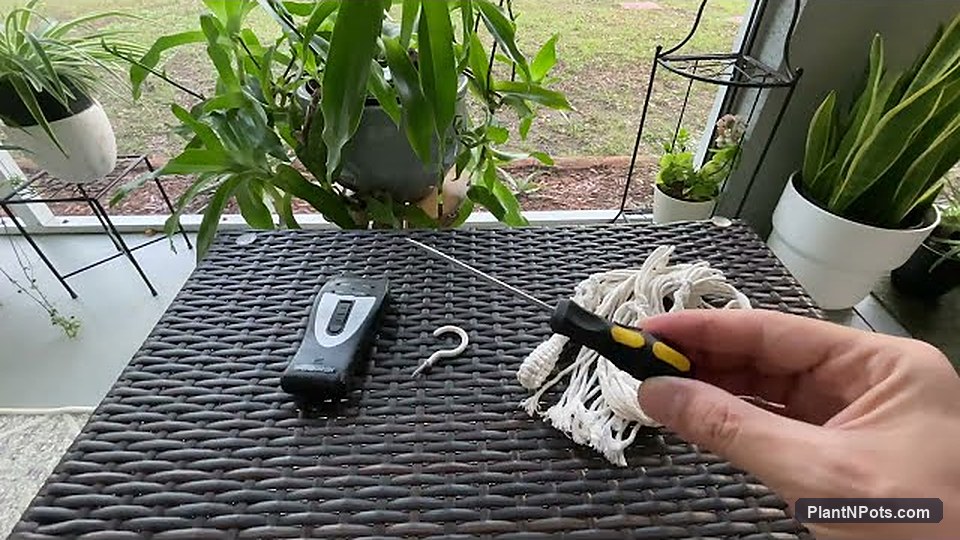
Drill an appropriately sized pilot hole matching your chosen hardware specifications. Clean away any residual dust using a damp cloth or a small handheld vacuum.
Insert your toggle bolt or thread your heavy-duty screw hook clockwise into the opening. Rotate the fastener firmly until the base sits flush against the ceiling.
Before you [hang pots from ceiling](https://plantnpots.com/?p=4434), test the newly installed anchor by applying firm downward pressure. Never suspend an expensive ceramic planter until the hardware passes this manual stress test.
- Mark hanging spots and check room traffic.
- Drill clean pilot holes for secure mounting.
- Drive fasteners flush against the ceiling surface.
- Perform a manual weight test before hanging.
Handling Toggle Bolt Assemblies Overhead
Slide the toggle wings through your pre-drilled hole while holding the decorative hook. Ensure the spring mechanism snaps open fully behind the interior drywall layer.
Pull downward gently on the hook while tightening the machine screw. This secures the metal wings flat against the back of the ceiling board.
- Ensure toggle wings expand fully inside the cavity.
- Pull downward while tightening machine screws.
Alternative Non-Drilling Hanging Solutions
Renters and homeowners wishing to avoid drilling holes can utilize innovative tension systems. Heavy-duty tension rods placed inside window frames offer excellent support for lightweight botanical displays.
Floor-to-ceiling tension plant poles wedge securely between surfaces without permanent fasteners. These vertical metal columns feature adjustable arms for multiple trailing pothos or philodendrons.
Clamp-on plant hangers attach firmly to sturdy bookcase tops or exposed structural beams. They provide versatile placement options that can be easily repositioned whenever needed.
Adhesive ceiling hooks rated for lightweight items work well for small plastic pots. Always clean the mounting surface thoroughly with rubbing alcohol before applying adhesive pads.
- Utilize tension rods inside sturdy window frames.
- Install floor-to-ceiling tension plant poles.
- Attach clamp-on hangers to solid bookcases.
- Clean surfaces thoroughly before using adhesive hooks.
Using Tension Rods and Grid Panels
Position a spring-loaded tension rod firmly across a narrow hallway or deep window recess. Hang lightweight trailing vines using matching S-hooks or decorative ribbons.
Freestanding wire grid panels offer modular vertical hanging spaces without touching your ceiling structure. Secure them against walls for maximum stability and safety.
- Place tension rods in narrow window recesses.
- Use freestanding wire grid panels for stability.
Managing Drainage and Weight in Suspended Containers
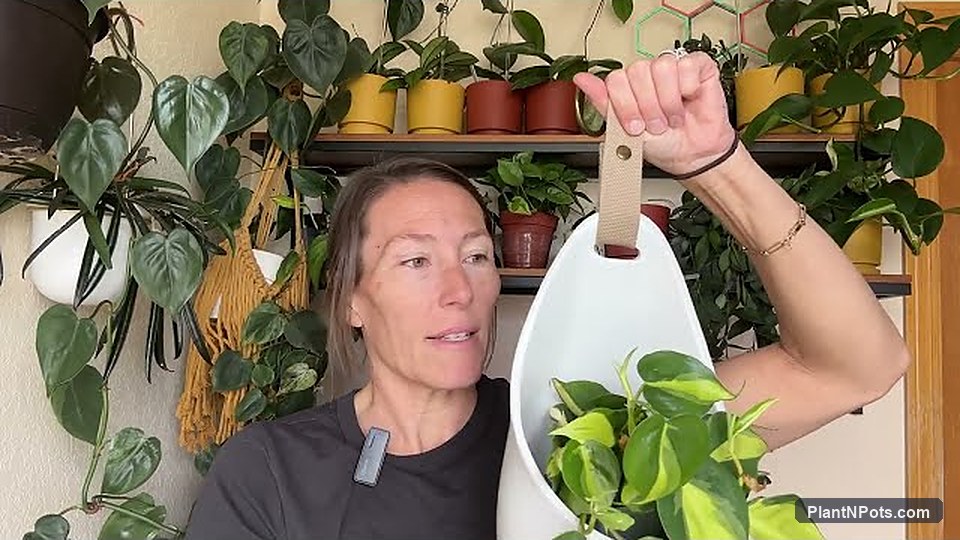
Managing irrigation runoff in hanging pots requires careful planning to protect your flooring. Many gardeners mistakenly place heavy rocks at the bottom, which actually impedes proper drainage.
Instead of heavy stones, use lightweight perlite or bark chips to improve aeration. Always select planters featuring integrated drainage saucers to catch excess water drips.
Remove the inner nursery pot from your decorative cachepot during watering sessions. Allow the soil to drain completely in a sink before rehanging the container overhead.
Keep total container weights reasonable to prevent structural strain. Lightweight fiberglass or plastic pots are vastly superior to heavy terra cotta for overhead locations.
- Avoid placing heavy rocks at pot bottoms.
- Use perlite and integrated drainage saucers.
- Drain nursery pots fully before rehanging.
- Choose lightweight fiberglass or plastic planters.
Preventing Water Damage on Indoor Flooring
Attach clear plastic saucer inserts to the bottom of your hanging baskets. These invisible catch basins trap stray droplets before they reach hardwood floors or carpets.
Use a watering wand with an extended reach nozzle to deliver water directly to the soil surface. This minimizes splashing over the outer rim of the container.
- Attach clear plastic saucers to catch drips.
- Use extended watering wands to prevent splashes.
Video Walkthrough: Hanging Plants From Our Ceiling 🌿 Orchids \u0026 Ferns
Choosing the Right Room Placement and Lighting
Successful container gardening depends heavily on matching plant species with appropriate indoor light levels. Hang sun-loving specimens directly in front of south-facing windows.
Keep delicate tropical ferns away from harsh direct sunbeams and cold drafts. Low-light trailing varieties thrive happily in interior living rooms and dining areas.
Ensure hanging plants maintain adequate clearance from ceiling fans and swinging doors. Moving blades can easily snag trailing vines and damage delicate foliage.
Rotate your suspended containers every week to promote even growth patterns. Plants naturally lean toward light sources, causing lopsided growth if left stationary.
- Match plant species with indoor light levels.
- Keep delicate ferns away from cold drafts.
- Maintain clearance from ceiling fans and doors.
- Rotate containers weekly for even growth.
Optimizing Heights for Daily Room Traffic
Hang your botanical displays high enough to clear head height for tall household members. A minimum clearance of seven feet from the floor is ideal for walkways.
Lower adjustable pulley hooks allow you to pull containers down for effortless watering. This ergonomic accessory prevents strain during routine plant maintenance routines.
- Maintain seven feet of floor clearance in walkways.
- Use adjustable pulley hooks for easy watering.
Routine Maintenance and Watering Safety
Establish a regular inspection routine to check your ceiling anchors for signs of wear. Check that screws remain tight and that macramé cords show no fraying.
Unclip heavy hanging baskets during deep watering routines to relieve stress on overhead hardware. Let excess moisture drain away completely before hanging containers back up.
Prune dead foliage and trim trailing vines regularly to keep your suspended displays looking neat. Good airflow around leaves prevents common indoor fungal diseases.
Dust plant leaves monthly with a damp cloth to maintain optimal photosynthetic efficiency. Clean foliage absorbs bright interior light much more effectively than dusty leaves.
- Inspect ceiling anchors regularly for wear.
- Unclip heavy pots during deep watering tasks.
- Prune dead foliage to maintain good airflow.
- Dust plant leaves monthly for better light absorption.
Seasonal Checks for Ceiling Fasteners
Perform a comprehensive hardware audit twice a year during seasonal climate changes. Temperature shifts can cause building materials to expand and contract.
Tighten any loose screws gently without stripping the surrounding drywall or wood fibers. Replace worn macramé hangers immediately at the first sign of fiber wear.
- Audit hardware twice a year during seasonal shifts.
- Tighten loose screws and replace worn hangers.
Frequently Asked Questions
How much weight can a standard ceiling hook hold?
A standard screw hook anchored directly into a wooden joist typically supports up to 50 pounds safely. Always verify the specific manufacturer weight rating before hanging any heavy ceramic planter.
Should I put rocks at the bottom of a hanging planter?
No, putting rocks at the bottom does not improve drainage and adds unnecessary weight. Use lightweight perlite or bark chips to aerate soil without straining your ceiling hardware.
Can I hang plants from a ceiling without drilling holes?
Yes, you can use tension rods in windows, clamp-on brackets on bookshelves, or tension plant poles. Adhesive hooks work for very lightweight plastic pots in low-risk areas.
What is the best anchor for hanging plants in drywall?
A spring toggle bolt is the best choice for hollow drywall ceilings. It opens behind the panel to distribute the container weight across a wider surface area.
How high should I hang my indoor planters?
Hang planters at least seven feet above the floor in high-traffic pathways. This ensures adequate head clearance while keeping trailing foliage within reach for watering.

