Learn how to diagnose and eradicate annoying fungus gnats in your container gardens using proven physical, biological, and cultural control methods.
Key Takeaway:
Eliminating fungus gnats requires breaking their life cycle by drying out topsoil and introducing beneficial nematodes or biological larvicides.
Quick-Reference Guide for Fungus Gnat Control
| Factor / Scenario | Recommended Target | Why It Matters |
|---|---|---|
| Topsoil Dryness | Top 2 inches bone dry | Prevents larvae from feeding and surviving. |
| Yellow Sticky Traps | 1 trap per potted plant | Captures and monitors flying adult gnats. |
| BTI Application | Every 7 to 14 days | Targets and kills soil-dwelling larvae safely. |
| Soil Drainage | Perlite or pumice amendment | Reduces standing moisture in root zones. |
| Watering Schedule | Bottom-water or space out | Keeps surface dry while hydrating roots. |
| Neem Application | Diluted root drench | Disrupts pest feeding and development cycles. |
Diagnosing Fungus Gnats in Potted Plants
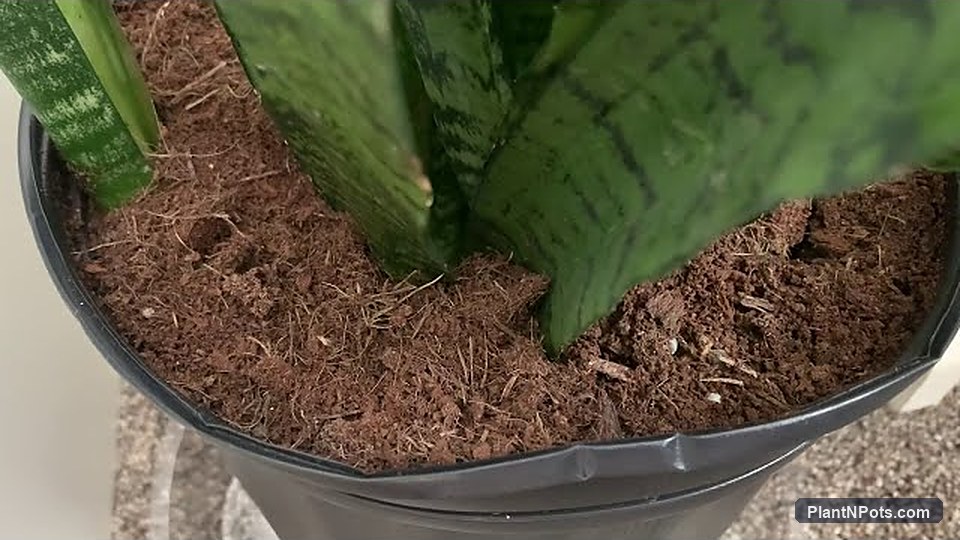
Spotting tiny black flies hovering around your indoor containers usually indicates an active fungus gnat infestation. These small insects thrive in damp organic potting mixes rich in decomposing matter.
Adult gnats do not harm established plant foliage directly, but their voracious larvae feed on delicate root hairs. Heavy infestations stunt young seedling growth and weaken mature container plants significantly.
Inspect the soil surface closely for scurrying translucent larvae with shiny black heads. Gently tapping the rim of the container often startles adult gnats into short, erratic flight patterns.
Distinguish fungus gnats from fruit flies by checking their preferred habitat. Fungus gnats stay near damp soil, while fruit flies swarm around decaying kitchen produce and open sugary liquids.
Identifying adult fungus gnats requires checking the soil surface for tiny, weak-flying insects. They measure about two to three millimeters in length and scurry quickly across damp potting mix when disturbed by touch.
Inspect the lower foliage and drainage holes for translucent, legless larvae with shiny black heads. These immature pests feed primarily on decaying organic matter and delicate root hairs within the warm, moist soil profile.
Use yellow sticky cards placed horizontally near the soil line to trap flying adults and monitor population density. Check these traps every forty-eight hours to gauge whether your current remediation steps are effectively reducing overall numbers.
Gently probe the top two inches of soil to check moisture. If you select resilient options from our [best evergreen shrubs for pots](https://plantnpots.com/?p=3525) guide, proper drainage remains essential.
- Look for tiny black flying insects near soil
- Check for stunted plant growth and wilted stems
- Observe translucent larvae wriggling in wet dirt
- Tap pot edges to reveal hiding adult gnats
Recognizing Damage Versus Other Pests
Differentiating gnat damage from root rot or nutrient deficiencies ensures correct treatment. Yellowing lower leaves often accompany severe root damage caused by hungry gnat larvae.
Inspect root balls during repotting to check for brown, damaged tissue alongside physical pest presence. Eliminating guesswork saves your valuable container plants from unnecessary chemical burns.
- Check root health during minor soil checks
- Rule out overfertilization before treating pests
Root Causes of Infestations in Container Soil
Excessive moisture retention inside poor-quality potting mixes creates ideal breeding grounds for fungus gnats. Dense peat-heavy soils hold water too long, encouraging fungal spores that larvae eat.
Overwatering remains the single biggest contributor to chronic indoor pest outbreaks. Keeping potting soil continuously saturated provides a constant food supply for developing gnat generations.
Contaminated bag soils stored outdoors often harbor dormant gnat eggs or larvae before you even open them. Purchasing pasteurized potting mixes minimizes accidental introduction into your indoor garden.
Poor drainage holes in inferior containers trap stagnant water underneath root systems. Upgrading to breathable options from our [best decorative terra cotta flower pots](https://plantnpots.com/?p=3313) collection significantly improves moisture evaporation rates.
Overwatering remains the primary catalyst for fungus gnat outbreaks in indoor potted plants. Consistently saturated topsoil creates an ideal breeding ground where female gnats deposit up to two hundred eggs in decaying organic matter.
Poorly draining commercial potting mixes containing excessive peat moss retain moisture far too long. Incorporating coarse perlite or horticultural pumice improves aeration rates and ensures the root zone dries out adequately between irrigation cycles.
Bringing outdoor container plants inside during seasonal transitions often introduces pests hitchhiking in the root ball. Always isolate new botanical acquisitions for at least two weeks before placing them near your established indoor collection.
Using unsterilized garden compost or yard soil introduces native insect eggs straight into your indoor planters. Select commercially packaged, heat-treated substrates to eliminate dormant pests and fungal spores before potting your prized houseplants.
- Avoid keeping potting soil constantly saturated
- Store opened soil bags in sealed containers
- Ensure planters feature functioning drainage holes
- Select chunky, well-aerating soil amendments
Soil Mix Selection and Porosity
Standard indoor potting soils benefit greatly from added coarse perlite, orchid bark, or horticultural pumice. These porous amendments improve oxygen flow and speed up topsoil drying times.
Avoid using untreated garden soil in indoor containers because it compacts easily. Heavy garden dirt drains poorly and invites outdoor pests straight into your indoor living spaces.
- Mix perlite into dense peat substrates
- Never use dense native yard soil indoors
Video Walkthrough: How to Get Rid of Fungus Gnats in 4 Simple Steps
Physical Barriers and Drainage Improvements
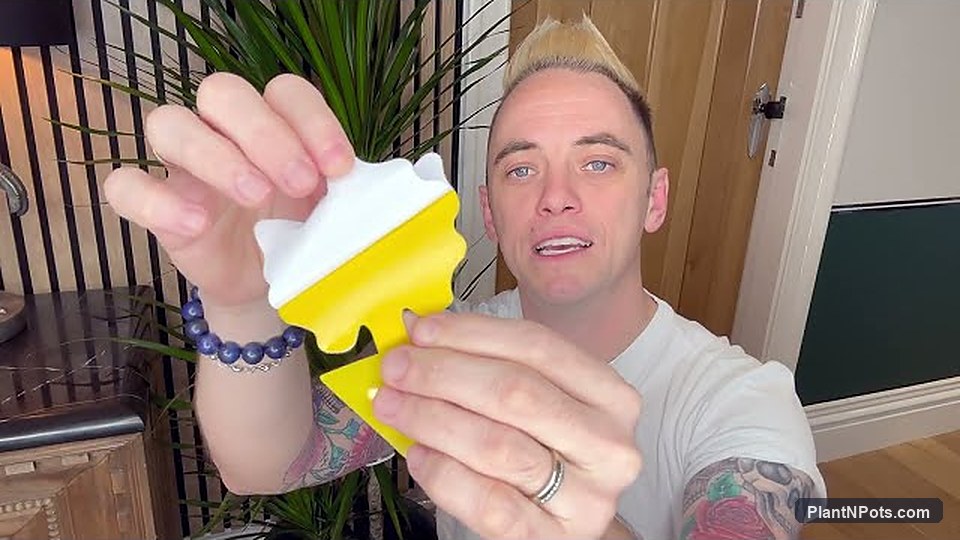
Applying a physical top dressing prevents adult gnats from laying eggs in moist media. When housing tropical greenery, consult our [best pot for a peace lily](https://plantnpots.com/?p=2903) overview for proper sizing.
Expanded clay pebbles or decorative gravel also work well as dry protective top barriers. These mineral layers dry out rapidly between watering sessions, deterring egg-laying female pests.
Unclog container drainage holes immediately if you notice water pooling in saucers underneath pots. Stagnant tray water attracts flying insects and starves plant roots of vital oxygen.
Elevate potted plants on pot feet to ensure unimpeded airflow beneath drainage holes. Good bottom ventilation prevents moisture buildup and discourages soil-dwelling pests from congregating.
Applying a quarter-inch layer of fine horticultural sand or Gnat Nics across the soil surface blocks adult access. This abrasive physical barrier prevents female gnats from laying new eggs directly into the moist potting mix.
Cover the topsoil with a decorative layer of expanded clay pebbles or coarse gravel to accelerate evaporation. These inorganic materials dry rapidly, creating an inhospitable microclimate that deters pest reproduction in container gardening setups.
Clear any standing water from saucers within ten minutes of watering your potted houseplants. Stagnant moisture in drainage trays encourages root rot and provides a secondary hydration source for adult fungus gnats lingering nearby.
Elevate your containers using ceramic pot feet or wire plant stands to maximize airflow underneath drainage holes. Enhanced bottom ventilation promotes rapid moisture dissipation and prevents the lower root zone from remaining perpetually waterlogged.
- Cover soil with horticultural sand barriers
- Empty saucers within minutes of watering
- Elevate containers using sturdy ceramic feet
- Use gravel mulch to dry out top layers
Installing Sand and Gravel Mulches
Coarse builder's sand creates a sharp barrier that pests cannot burrow through easily. Ensure the sand layer dries out completely before applying any moisture to the pot.
Avoid using fine beach sand because it packs down tightly and restricts air exchange. Always select washed, coarse mineral sands designed specifically for horticultural container gardening.
- Choose coarse builder sand over fine sand
- Maintain a dry top barrier consistently
Biological and Organic Remediation Methods
Introduce Bacillus thuringiensis israelensis to kill soil-dwelling larvae safely and effectively. This natural soil bacterium targets gnat larvae without harming earthworms, pets, or humans.
Yellow sticky cards placed right at soil level capture flying adult gnats before reproduction occurs. Monitor and replace these bright adhesive traps weekly as part of your routine.
Beneficial nematodes applied as a soil drench hunt down and consume pest larvae actively. These microscopic roundworms offer exceptional organic control for severe container infestations.
Neem cake powder mixed into topsoil disrupts the feeding patterns of developing insect larvae. Regular organic treatments keep populations under control without harsh synthetic chemical pesticides.
Water your infested plants with a solution containing Bacillus thuringiensis israelensis granules or liquid concentrate. This naturally occurring soil bacterium specifically targets and destroys gnat larvae without harming beneficial earthworms or your household pets.
Apply beneficial nematodes like Steinernema feltiae to the soil using a standard watering can. These microscopic roundworms actively hunt down and parasitize gnat larvae, eradicating the subterranean pest population within seven to ten days.
Drench the soil mixture with cold-pressed neem oil diluted according to manufacturer safety instructions. Neem oil disrupts the hormonal development of immature pests while providing a mild fungicidal effect against surface mold spores.
Dilute food-grade hydrogen peroxide with water at a one-to-four ratio for a quick larval knockdown. The effervescent bubbling action oxidizes organic matter and kills gnat larvae instantly upon contact in the topsoil layer.
- Apply BTI drench to eradicate soil larvae
- Set out bright yellow sticky insect traps
- Release beneficial nematodes for heavy outbreaks
- Incorporate neem cake into topsoil layers
Preparing and Applying BTI Treatments
Dissolve concentrated BTI mosquito dunks or granules into your regular watering can. Saturate the potting mix thoroughly to ensure the active biological agents reach all active larvae.
Repeat the BTI application every seven to ten days to catch newly hatched pests. Persistence breaks the multi-stage gnat life cycle completely within a few weeks.
- Soak BTI dunks in water before application
- Treat weekly until adult populations vanish
Watering Regimens to Prevent Larval Growth
Adopt a thorough drought-cycle watering technique to starve vulnerable pest larvae. Allow the top two inches of potting mix to dry out completely between hydration cycles.
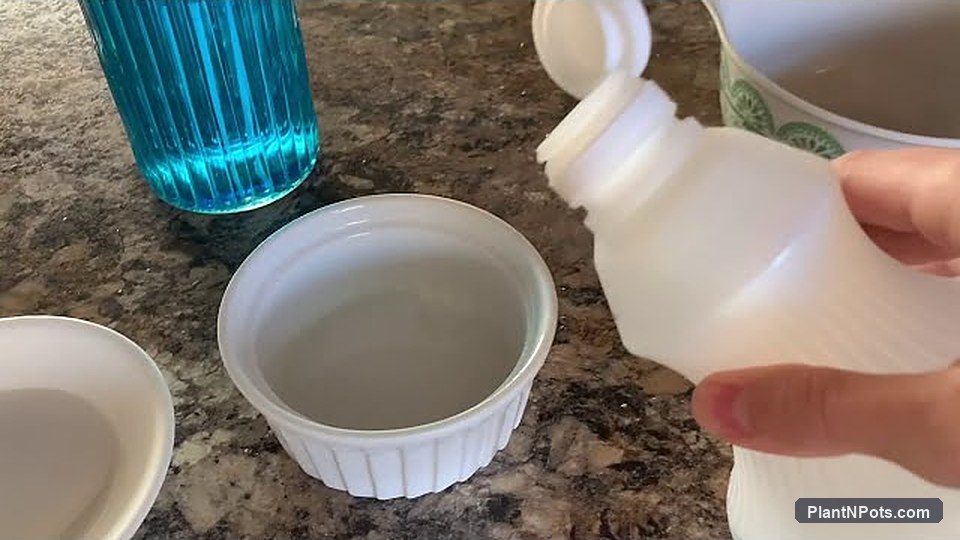
Bottom-watering containers from drainage saucers keeps the soil surface consistently dry and unappealing. Pour water into the saucer and let roots draw moisture upward via capillary action.
Reduce overall watering frequency during cooler winter months when plant metabolism slows down. Over-saturation during dormant periods creates prime conditions for lingering pest population booms.
Check soil moisture levels with your finger before grabbing your watering can every time. Never water on a rigid calendar schedule that ignores actual container dryness.
Adopt a strict dry-down schedule allowing the top two to three inches of soil to dehydrate completely between waterings. Depriving the soil of continuous moisture starves developing larvae of the humidity they need to survive.
Switch from traditional top-watering to bottom-watering by placing your nursery pots in a basin of water. This technique hydrates the root zone from below while keeping the surface layer dry, preventing adult gnats from ovipositing.
Utilize a calibrated soil moisture meter to test root-ball hydration before applying water. Ensure readings drop into the dry zone before initiating your next irrigation cycle to maintain unfavorable conditions for recurring pest infestations.
Water plants during early morning hours so excess moisture evaporates rapidly under ambient daytime temperatures. Avoid evening watering sessions that leave the soil surface damp throughout the dark, humid overnight hours when gnats actively breed.
- Let topsoil dry thoroughly between waterings
- Water from the bottom via saucers
- Scale back irrigation during winter months
- Test soil depth manually prior to watering
Mastering Bottom-Watering Techniques
Place your potted plant inside a basin filled with a few inches of water. Allow the container to absorb moisture for thirty minutes before removing and draining it.
Discard any remaining water left in the basin to prevent root rot and pests. This method hydrates deep root systems while starving surface-dwelling gnat eggs.
- Soak pots for thirty minutes max
- Always drain excess saucer standing water
Video Walkthrough: Introduction
Long-Term Container Management and Prevention
Inspect all newly purchased houseplants carefully before placing them near your indoor collection. Quarantining new green additions prevents cross-contamination across your entire indoor garden space.
Sanitize empty ceramic and plastic planters thoroughly with a diluted bleach solution before repotting. Cleaning removes lingering pest eggs and fungal spores from previous growing seasons.
Clean up fallen dead leaves and organic debris from soil surfaces on a weekly basis. Removing decaying matter eliminates the primary food source that attracts wandering adult fungus gnats.
Maintain good indoor air circulation using oscillating fans to reduce localized humidity around pots. Moving air naturally discourages flying insects from settling down on damp soil.
Repot chronic infestation victims using a fresh, well-draining substrate blend tailored to your specific plant species. Thoroughly rinse old root systems to remove lingering eggs before transferring specimens into sterilized containers.
Clean and disinfect decorative cachepots and saucers regularly using a ten percent household bleach solution. Eliminating residual organic debris prevents unseen pests from cycling back into your newly treated indoor plant collection.
Inspect all houseplants weekly under good lighting conditions to catch emerging pest pressures before they escalate. Early detection combined with preventive sticky cards keeps your indoor ecosystem balanced and thriving year-round.
Maintain indoor humidity levels between forty and sixty percent using directional fans or room humidifiers rather than wet pebble trays. Proper air circulation deters fungus gnats while supporting optimal physiological health for your greenery.
- Quarantine new houseplants for two weeks
- Scrub and sanitize pots between repotting
- Clear away fallen dead foliage promptly
- Improve indoor room ventilation with fans
Sanitizing Used Pots and Planters
Wash terracotta and plastic pots in warm soapy water to remove crusty mineral buildup. Scrub away stubborn residue using a stiff bristle brush before final disinfection.
Submerge cleaned containers in a mild bleach solution for ten minutes to kill pathogens. Rinse thoroughly with clean water and let them air-dry completely before planting.
- Scrub mineral crusts off old pots
- Soak containers in mild bleach rinse
Frequently Asked Questions
What causes fungus gnats in potted plants?
Fungus gnats appear when potting soil remains excessively damp for long periods. Decaying organic matter and poor drainage create ideal conditions for eggs.
How do I get rid of fungus gnat larvae in soil?
Apply a biological larvicide containing Bacillus thuringiensis israelensis directly to the soil. Letting the topsoil dry out completely also starves developing larvae.
Will fungus gnats damage my indoor houseplants?
Adult gnats do not harm plants, but large populations of hungry larvae feed on tender roots. This root damage stunts growth and weakens overall plant health.
Are yellow sticky traps effective for gnat control?
Yellow sticky traps successfully catch flying adult gnats to stop reproduction. However, you must combine them with soil treatments to eliminate underground larvae.
Can bottom-watering prevent future gnat infestations?
Bottom-watering keeps the topsoil dry, which prevents adult gnats from laying eggs. Roots absorb moisture from below while surface layers stay inhospitable to pests.

