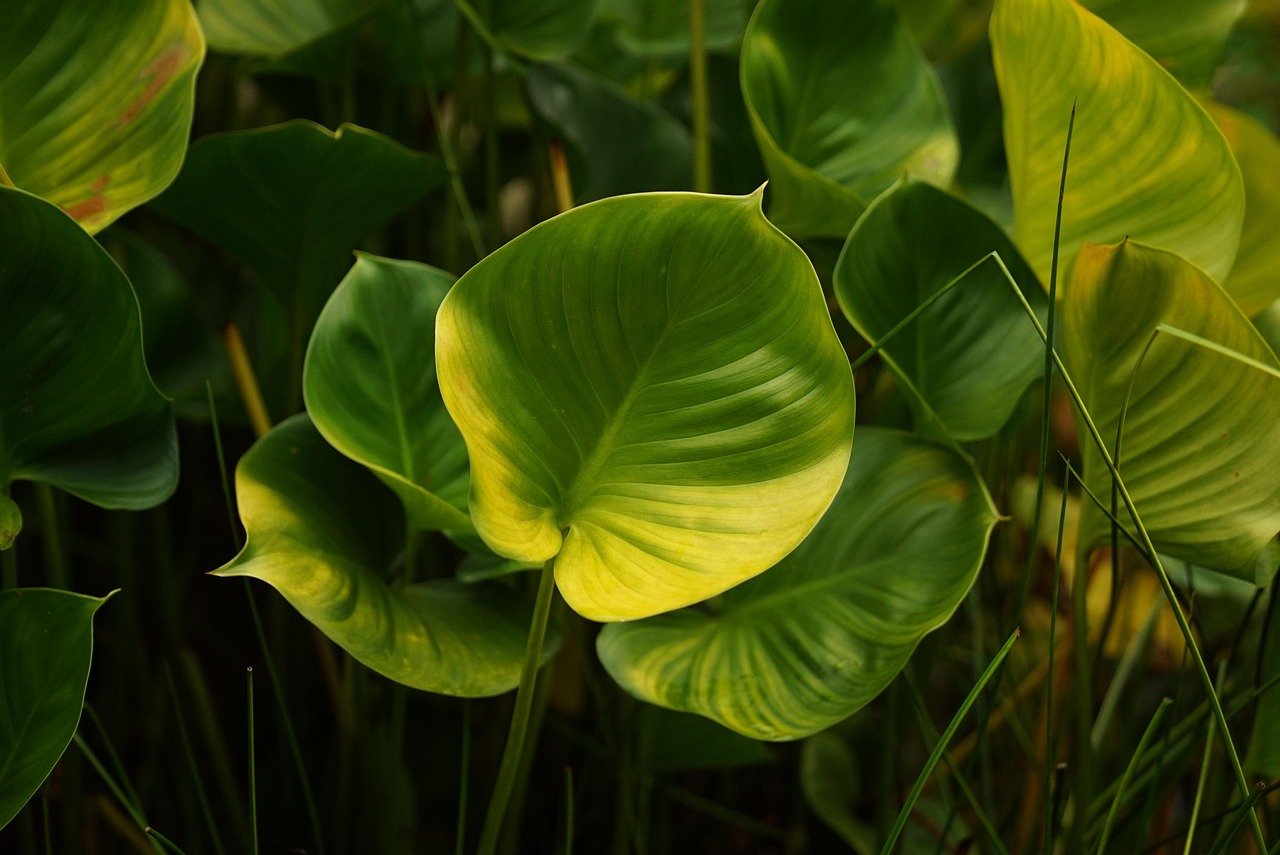
When you notice new philodendron brasil leaves turning yellow, it is often a sign that the plant is experiencing environmental stress, moisture imbalance, or nutritional deficiency. Because this cultivar is prized for its vibrant green and lime-striped variegation, any unexpected yellowing on emerging foliage can be alarming for indoor gardeners. Understanding the underlying mechanisms of plant chlorosis helps you diagnose whether the issue stems from watering habits, lighting conditions, or soil composition.
Addressing this issue promptly requires a systematic evaluation of your care routine rather than guesswork. By examining root health, checking drainage efficiency, and observing how new shoots develop compared to mature vines, you can isolate the primary stress factor. Maintaining stable indoor conditions ensures your tropical climber continues to produce healthy, brightly colored foliage without premature discoloration.
Understanding Chlorosis in Philodendron Brasil New Growth
Differentiating New vs. Old Leaf Yellowing
The location of yellow leaves on a Philodendron Brasil provides critical diagnostic clues. When older, lower leaves turn yellow and drop, it is often part of the natural aging process as the plant reabsorbs nutrients. However, when new philodendron brasil leaves turn yellow, the problem is typically acute and active.
Active chlorosis in emerging shoots indicates that the plant is currently struggling to transport essential compounds to its newest growing tips. This distinction helps you rule out normal leaf senescence and focus your efforts on immediate environmental or nutritional corrections.
The Role of Nitrogen and Mobile Nutrients
Nutrient availability directly influences leaf coloration in aroid species. Nitrogen, magnesium, and iron play vital roles in chlorophyll production. When the potting mix lacks sufficient mobile nutrients, the plant prioritizes older foliage, leaving new emerging leaves pale, yellowish, or stunted.
Supplementing with a balanced, water-soluble fertilizer during the active growing season often resolves minor nutritional deficiencies. Always follow package dilution rates to prevent fertilizer burn, which can paradoxically cause root damage and subsequent yellowing.
Natural Variegation Versus Nutrient Stress
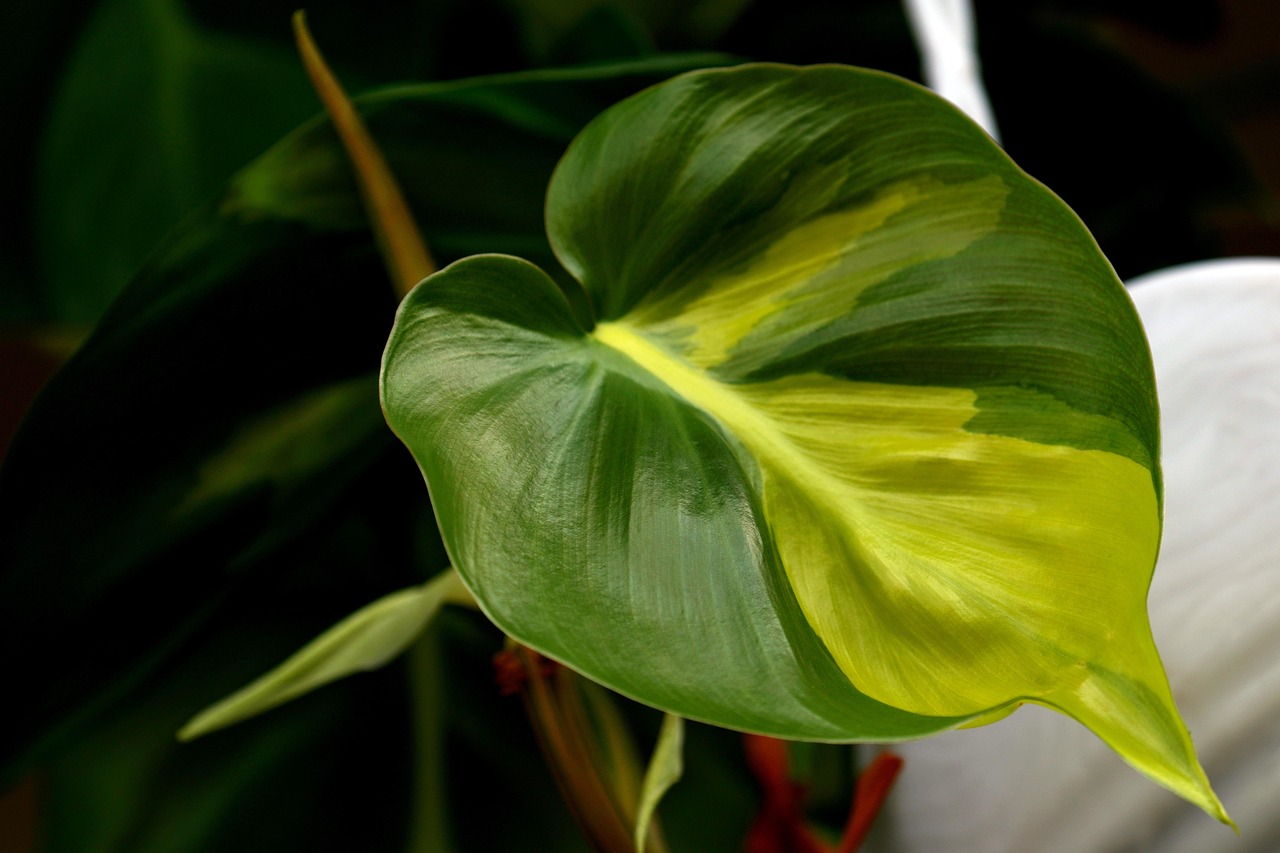
Philodendron Brasil naturally exhibits variable leaf patterns, ranging from dark green to chartreuse and cream. Sometimes, owners mistake normal, highly variegated new growth for unhealthy chlorosis. True variegation maintains firm tissue texture and crisp color boundaries.
In contrast, stress-induced yellowing usually appears washed out, uneven, and is accompanied by limp or translucent tissue. Learning to recognize your specific plant’s natural variegation pattern prevents unnecessary interventions when a new lime-colored leaf unfurls.
When evaluating foliage discoloration, you might also compare your plant to issues found with heart shaped philodendron yellow leaves during regular maintenance.
Similar discoloration patterns can sometimes appear as philodendron erubescens yellow leaves when care routines are disrupted.
link”>If you notice similar issues on other varieties, check out our guide on heart shaped philodendron yellow leaves for more tips.
Watering Habits and Root Health Impacts
Overwatering and Oxygen Deprivation in Potted Mixes
Overwatering remains the most common catalyst when new philodendron brasil leaves turn yellow. When potting soil remains perpetually saturated, air pockets collapse, depriving roots of the oxygen they require to function and absorb water efficiently.
Without functional roots, the plant cannot push moisture and nutrients up to the emerging stems. This root suffocation quickly manifests as soft, yellowing new leaves that may eventually turn brown or translucent if the moisture excess persists.
Underwatering Symptoms and Leaf Curing
While overwatering is frequent, severe underwatering also causes stress that impacts new foliage. When a Philodendron Brasil goes too long without moisture, it enters a drought-response state where it conserves water by withholding resources from new growth tips.
Underwatered leaves often feel dry, crisp at the edges, or curl inward before turning yellow. Restoring a consistent watering schedule—allowing the top few inches of soil to dry out between waterings—typically prevents this moisture-deficit chlorosis.
Drainage Integrity and Saucer Management
Container drainage plays a foundational role in preventing root-zone water stagnation. Pots without functional drainage holes trap excess irrigation water at the base, creating a perched water table that rots lower roots while starving upper growth.
Always ensure your container features active drainage holes and empty decorative saucers promptly after watering. Standing water left in contact with the pot base continuously re-saturates the potting mix, defeating the purpose of well-draining soil.
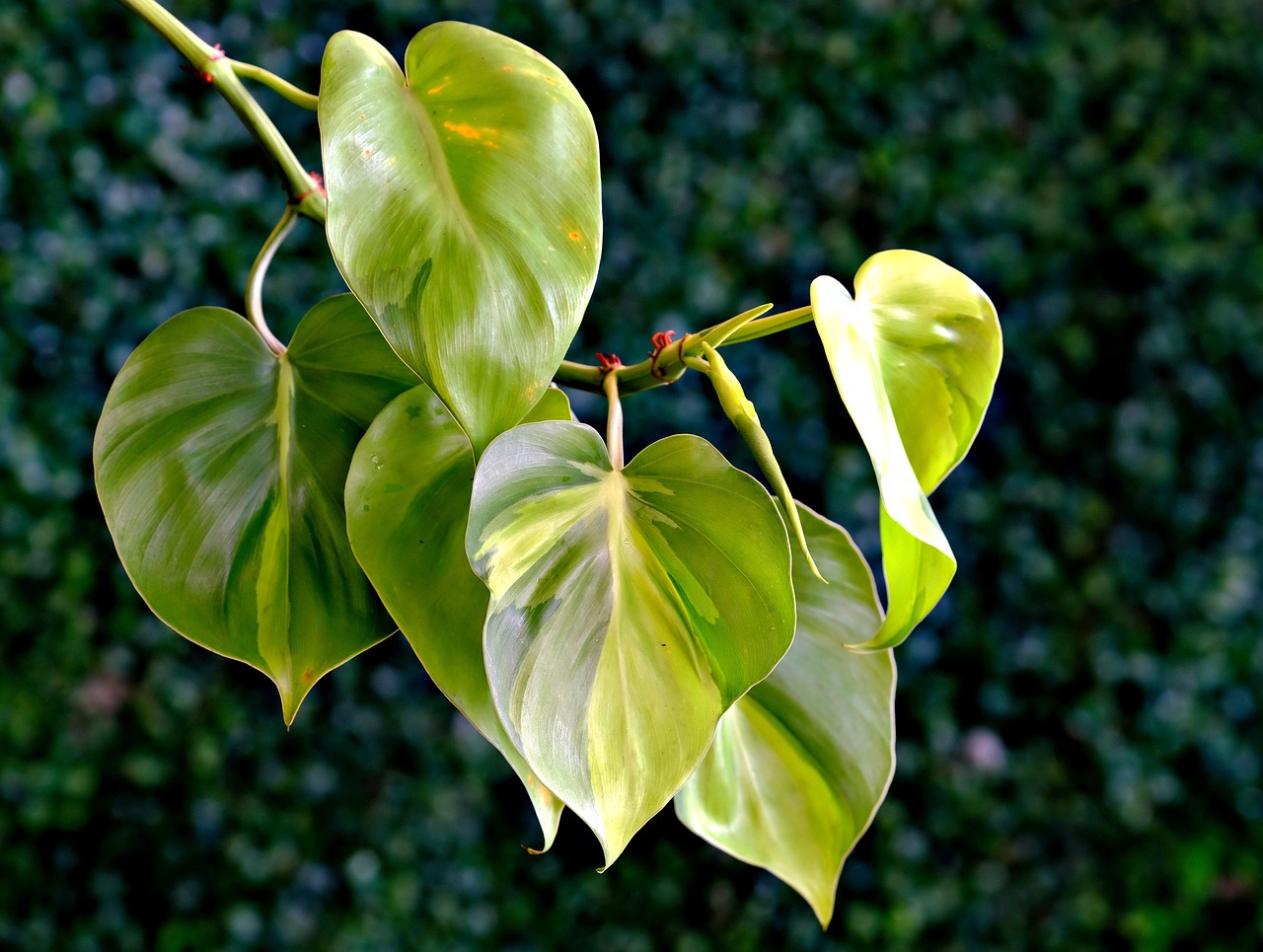
It is common to observe how leaves turn yellow on houseplants when watering schedules become inconsistent.
Light Exposure and Photosynthetic Strain
Low Light Adaptation and Pale Foliage
Insufficient light intensity can cause new philodendron brasil leaves to turn yellow as the plant struggles to sustain adequate photosynthesis. While these tropical climbers tolerate moderate indoor shade, extreme low light causes weak, spindly stems and pale leaves.
When light levels are too low, the plant lacks the energy required to produce rich chlorophyll pigments in new tissue. Relocating the plant to a brighter spot with indirect light usually encourages darker, healthier green pigmentation.
Direct Sunburn and Bleached New Shoots
Conversely, excessive direct sunlight causes thermal stress and photobleaching. When delicate new philodendron brasil leaves are exposed to harsh afternoon rays, the intense heat and ultraviolet radiation scorch the tender cell walls.
Sunburned leaves often appear washed out, yellow-white, or develop crisp brown patches where chlorophyll has broken down. Providing filtered light through a sheer curtain protects developing shoots from solar damage.
Optimizing Indoor Placement for Variegated Vines
Finding the ideal balance of light ensures your Philodendron Brasil maintains its striking coloration without heat stress. Bright, indirect light near an east- or north-facing window is generally optimal for indoor tropical vining plants.
If natural light is limited during winter months, supplementing with full-spectrum LED grow lights for a designated period helps maintain consistent photosynthetic activity and prevents seasonal leaf yellowing.
Similar discoloration issues can also affect other species, as detailed in our post on philodendron xanadu yellow spots.
Potting Media Composition and Root Aeration
Selecting Well-Draining Araceae Soil Mixes
The physical structure of your potting medium directly influences root health and foliage color. Epiphytic and hemiepiphytic aroids like Philodendron Brasil thrive in chunky, porous substrates that mimic their natural forest-floor habitats.
A standard mix combining high-quality peat or coir with perlite, orchid bark, and horticultural charcoal provides ideal aeration. This loose texture allows excess water to escape quickly while retaining necessary moisture.
Soil Compaction and Perishability Over Time
Over months and years, organic potting components break down and compact into a dense mass. Compacted soil restricts root expansion and eliminates the air pockets essential for healthy root respiration, leading to unexpected nutrient lockout and yellow leaves.
If your soil remains wet for weeks after watering or pulls away from the edges of the pot, it is time to refresh the medium. Routine repotting prevents compaction-related stress and revitalizes stagnant root zones.
Container Sizing and Root-Bound Conditions
While philodendrons tolerate being slightly root-bound, extreme crowding restricts the root mass to a point where it can no longer support the foliage canopy. When roots completely fill the container, watering becomes ineffective because soil volume is minimal.
Upgrading to a container just one size larger during spring repotting provides the root system with sufficient room, nutrients, and moisture retention capacity to support vibrant new vine growth.
Diagnostic Steps and Corrective Interventions
Inspecting Root Systems During Active Growth
When troubleshooting persistent chlorosis, gently slide the plant out of its pot to inspect the root system. Healthy philodendron roots are firm, light-colored, and plump, while damaged roots appear brown, mushy, or hollow.
Pruning away decayed roots with sterilized shears prevents fungal pathogens from spreading through the root ball. Replanting the remaining healthy root structure into fresh, airy potting mix resets the plant’s recovery trajectory.
Adjusting Fertilizer Regimes Safely
Nutrient management requires careful observation of seasonal growth patterns. During spring and summer, feed your plant monthly with a diluted balanced houseplant fertilizer. Withhold feeding entirely during autumn and winter dormancy.
Over-fertilization salts accumulate in the soil, causing root burn that manifests as yellowing leaves. Flushing the pot periodically with plain water helps leach excess mineral buildup from the root zone.
Pruning Damaged Stems to Encourage Recovery
Leaves that have turned completely yellow will not revert to green. Once you have corrected the underlying environmental or watering issue, use clean scissors to snip away severely damaged foliage at the stem junction.
Pruning directs the plant’s remaining energy toward healthy nodes, stimulating the production of new, vigorous vines that display the characteristic dark green and lime-striped patterns typical of a healthy Philodendron Brasil.
Reviewing similar symptoms like philodendron xanadu yellow spots can help refine your overall plant care diagnosis.
Frequently Asked Questions
Should I cut off yellow leaves on my Philodendron Brasil?
You can safely remove completely yellow leaves using clean, sharp scissors once the underlying stress factor has been addressed. Severely yellowed or necrotic leaves will not recover their green color, and pruning them improves the visual appearance of the plant while redirecting its energy toward healthy, unblemished growing tips.
Can too much fertilizer cause new leaves to turn yellow?
Excessive fertilizer application can indeed cause new leaves to turn yellow by creating high salt concentrations in the potting mix. These mineral salts burn delicate root tips, impairing water and nutrient uptake. If you suspect fertilizer burn, flush the soil thoroughly with clean water or repot the plant into fresh substrate.
How do I know if my yellow leaves are caused by overwatering?
Overwatering typically causes lower or new leaves to turn yellow while feeling soft, limp, or waterlogged rather than dry and crisp. If the potting mix remains damp days after watering and the pot feels heavy, root suffocation is likely the primary culprit behind the yellowing foliage.
Does low humidity make Philodendron Brasil leaves turn yellow?
Low indoor humidity primarily causes brown, crispy tips and leaf margins rather than widespread yellowing. However, extreme dryness combined with warm indoor temperatures can accelerate moisture loss, stressing the plant and indirectly contributing to pale or yellowing new growth shoots over time.
Why are only the very newest leaves emerging pale or yellow?
When only the newest emerging leaves appear pale or yellowish, it often points to a mobile nutrient deficiency, such as a lack of nitrogen, or insufficient light intensity during active shoot development. The plant prioritizes older leaves, leaving emerging tissue undernourished or lacking adequate chlorophyll pigments.
Can pest infestations cause yellowing on new Philodendron shoots?
Pests such as spider mites, thrips, and mealybugs frequently target tender new growth shoots because they are rich in sap and nutrients. Their feeding activity damages plant cells, resulting in stippling, discoloration, and yellowing on newly unfurled leaves. Inspect the undersides of leaves and stem junctions closely for signs of pests.