Master standard container dimensions for successful gardening. Learn exact measurements and practical selection methods.
Key Takeaway:
A standard 5 gallon container typically measures 12 inches across and 11 inches deep. Always verify volume since manufacturer designs vary.
Quick-Reference Guide
| Factor / Scenario | Recommended Target | Why It Matters |
|---|---|---|
| Container Volume | 231 cu in per gallon | Determines total root space |
| Top Diameter | 12 inches standard | Accommodates wide root spread |
| Vertical Depth | 11 inches typical | Supports deep root crops |
| Soil Moisture | Check 2 inches deep | Prevents overwatering and rot |
| Crown Placement | 1 inch below rim | Protects stem from moisture |
| Drainage Ports | Multiple bottom holes | Prevents stagnant water buildup |
Demystifying Standard Container Volumes and Dimensions
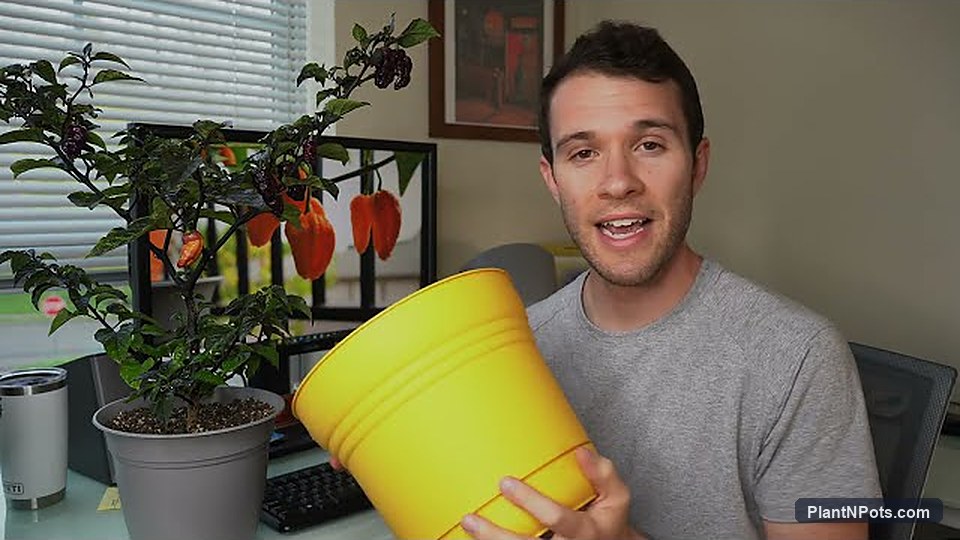
Gardeners frequently ask about exact container dimensions when planning spatial layouts. A true five-gallon vessel holds roughly 231 cubic inches per gallon, totaling 1155 cubic inches of internal space.
Standard agricultural models generally measure twelve inches across the top rim. Depth usually spans eleven inches, providing ample vertical clearance for deep-rooting vegetable crops and ornamental shrubs.
Manufacturing variations mean actual physical measurements fluctuate slightly among brands. Rotationally molded nursery containers differ significantly from injection-molded pots regarding wall thickness and internal volume capacity.
Visual inspection during purchase prevents accidental sizing errors in your layout. Side-by-side comparisons reveal that decorative ceramic cylinders often feature narrower bases than utilitarian plastic nursery buckets.
- Verify volume markings stamped on the container base.
- Measure rim diameter using a rigid steel tape.
- Account for tapered walls reducing bottom width.
- Calculate internal volume for specialized soil mixes.
Examining Nursery Trade Standards
Nursery trade sizing does not always match liquid gallon measurements. Horticultural five-gallon containers actually hold closer to four liquid gallons to account for soil displacement.
Recognizing this trade standard prevents underestimating fertilizer and potting mix requirements. Always buy extra substrate to fill your containers properly to the upper rim line.
- Trade gallons reflect industry growing conventions.
- Actual volume equals roughly 3.8 dry gallons.
- Buy extra soil for proper top clearance.
Comparing Plastic, Fabric, and Ceramic Material Profiles
Selecting the right container material dictates moisture retention and thermal regulation. Heavy-duty polyethylene plastic retains water efficiently while remaining lightweight enough for easy seasonal relocation.
Breathable fabric aeration containers encourage lateral root pruning naturally. This prevents plants from becoming root-bound by exposing roots to ambient air at the container perimeter.
Traditional terracotta vessels and [best clay pots for succulents](https://plantnpots.com/?p=1734) offer exceptional stability against strong winds. However, porous clay bodies wick moisture rapidly, requiring frequent irrigation during hot summer months.
Heavy materials demand careful placement before adding damp soil and mature plants. Close-up examination of material thickness helps predict structural durability under harsh outdoor weathering conditions.
- Plastic pots minimize rapid moisture evaporation effectively.
- Fabric bags eliminate circular root development completely.
- Ceramic containers resist tipping from top-heavy foliage.
- Material weight impacts seasonal moving logistics.
Thermal Performance Across Different Substrates
Dark plastic surfaces absorb intense solar radiation, potentially baking delicate root systems. Selecting light-colored or reflective containers protects sensitive plant roots from extreme heat stress.
Fabric walls naturally release excess heat through permeable woven synthetic fibers. This evaporative cooling mechanism maintains stable root zone temperatures throughout scorching summer afternoons.
- Dark plastics elevate internal soil temperatures quickly.
- Fabric provides superior natural thermal regulation.
- Match material color to local climate intensity.
Video Walkthrough: Search filters
Measuring Diameter and Depth for Proper Root Expansion
Understanding dimensional geometry ensures your chosen crops have sufficient physical space. A standard five-gallon profile accommodates vigorous root systems typical of indeterminate tomatoes and peppers.
Measure the top inside rim rather than exterior edges for true capacity. Tapered designs mean bottom diameters frequently measure two to three inches narrower than the top.
Root depth requirements vary substantially between shallow-rooted herbs and deep taproot vegetables. A eleven-inch depth provides adequate clearance for medium-sized root vegetables and flowering perennials.
Avoid cramming multiple large specimens into a single medium container. Overcrowding depletes available nutrients rapidly and restricts necessary lateral root expansion during peak growing seasons.
- Measure top inside diameter carefully with calipers.
- Check vertical depth against specific crop needs.
- Account for bottom taper reducing soil volume.
- Provide adequate spacing for root health.
Sizing Up for Specific Plant Varieties
Tomato plants thrive individually within standard five-gallon dimensional parameters. Bush varieties and heavy producers require this exact soil volume to sustain heavy fruit development.
Shallow-rooted leafy greens can often support multiple plants in identical spaces. Assess mature root mass dimensions before pairing companion plants inside single containers.
- Single large tomatoes per container.
- Pair smaller greens efficiently together.
- Evaluate mature root system size.
Executing Successful Repotting Operations Step by Step
Transitioning plants into larger containers requires careful handling to prevent shock. Gently massage root balls to loosen tightly bound outer roots before placing them inside.
Position a layer of fresh potting mix at the base to establish height. Ensure the crown of the plant sits roughly one inch below the top rim.
Fill surrounding gaps with premium soil blend while tamping down gently. Eliminate large air pockets by settling the medium with a thorough initial watering session.
Practical hands-on technique ensures roots establish firm contact with new substrate. Avoid over-compacting soil, which damages delicate root hairs and impedes vital oxygen circulation.
- Loosen circling roots before final placement.
- Maintain proper crown height below rim.
- Fill gaps evenly with quality potting mix.
- Water thoroughly to settle surrounding soil.
Timing Your Container Upgrades Effectively
Spring represents the ideal window for transplanting established perennial specimens. Active growth phases allow plants to recover quickly from minor root disturbances during upgrades.
Inspect drainage holes for escaping roots before choosing [best 5 gallon cloth pots](https://plantnpots.com/?p=1116) for your spring upgrades. Proper sizing prevents restrictive root binding and supports healthy underground development.
- Transplant during early spring growth phases.
- Check bottom drainage holes for roots.
- Upgrade when watering frequency increases drastically.
Ensuring Optimal Drainage and Soil Aeration Standards
Proper drainage prevents root rot and fatal moisture accumulation in containers. Ensure your five-gallon vessel features adequate drainage hole coverage across the bottom surface.
Never block essential drainage ports with solid gravel layers. Coarse aggregate at the base actually creates a perched water table that elevates moisture levels.
Incorporate perlite or coarse horticultural sand into your potting soil mix. This structural enhancement maintains high air porosity and encourages rapid excess water evacuation.
Elevated container feet allow unobstructed water flow out of bottom ports. Stagnant runoff pooling beneath pots invites fungal pathogens and destructive pest infestations.
- Drill extra holes if original drainage is insufficient.
- Avoid placing solid gravel at container bases.
- Mix perlite thoroughly for enhanced aeration properties.
- Elevate pots slightly using pot feet.
Managing Substrate Compaction Over Time
Frequent watering breaks down organic components, causing heavy soil compaction inside containers. Selecting the [best soil for large planters](https://plantnpots.com/?p=3571) guarantees superior aeration and prevents premature substrate settling over time.
Refresh depleted potting substrates every couple of seasons to maintain optimal porosity. High-quality soil structures prevent waterlogging and support sustained vigorous plant development.
- Cultivate topsoil surfaces to break crusts.
- Replace degraded organic potting media annually.
- Monitor runoff speed during routine waterings.
Preventing Common Root Health and Moisture Mistakes
Overwatering remains the primary cause of container-grown plant failure. Always check soil moisture two inches deep before applying additional irrigation water to your plants.
Irregular watering schedules cause blossom end rot and fruit splitting. Maintain consistent moisture levels by monitoring weather patterns and soil dryness indicators daily.
Nutrient leaching occurs rapidly in porous container soils during heavy rains. Replenish essential minerals regularly using balanced water-soluble fertilizers applied at recommended dilution rates.
Inspect foliage frequently for signs of nutrient deficiencies or pest pressures. Early detection prevents minor issues from escalating into devastating crop losses inside containers.
- Check soil moisture depth before watering.
- Maintain consistent irrigation timing throughout seasons.
- Apply diluted fertilizers to prevent leaching.
- Inspect leaves regularly for pest signs.
Recognizing Signs of Root Stress Early
Wilting despite damp soil indicates severe root rot or suffocation. Immediate intervention involving soil replacement and pruning can sometimes rescue distressed container specimens.
Yellowing lower leaves frequently signal nitrogen depletion caused by excessive drainage. Adjust your feeding schedule to support sustained green foliage development.
- Watch for unexpected daytime wilting symptoms.
- Address yellowing lower leaves with fertilizer.
- Inspect roots if plants stagnate completely.
Seasonal Maintenance and Long-Term Container Preservation
Proper seasonal storage extends the lifespan of your plastic and ceramic pots. Clean used vessels thoroughly with mild disinfectant soap to eliminate lingering fungal spores.
Store rigid plastic containers indoors during freezing winter months. Extreme sub-zero temperatures make brittle plastics vulnerable to cracking and structural failure under pressure.
Inspect structural integrity annually before planting your spring crops. Replace cracked or severely degraded containers to prevent catastrophic failures during peak growing seasons.
Proper hardware maintenance ensures container gardening setups remain productive for years. Clean saucer trays regularly to prevent mineral crust buildup and algae growth.
- Clean used pots with mild soap.
- Store plastics away from freezing conditions.
- Inspect containers yearly for structural damage.
- Scrub mineral deposits from saucer trays.
Winterizing Outdoor Permanent Plant Containers
Large perennial containers left outdoors require adequate insulation protection. Wrap heavy ceramic pots in insulating blankets to prevent frost cracking during deep winter freezes.
Elevate pots off frozen ground using wooden blocks or pot feet. This simple action prevents ice from forming inside bottom drainage holes and blocking runoff.
- Wrap heavy ceramic pots for winter.
- Elevate containers off frozen surfaces.
- Keep drainage paths completely clear.
Frequently Asked Questions
How many inches wide is a standard 5 gallon pot?
A standard agricultural nursery container typically measures approximately twelve inches across the top rim with a gradual structural taper toward the narrow base.
Manufacturers carefully calculate these precise physical dimensions to accommodate vigorous lateral root growth for medium-sized vegetable crops while ensuring reliable balance on flat garden surfaces.
What is the typical vertical depth of a 5 gallon container?
The typical vertical depth of a standard five-gallon container spans roughly eleven inches from the top rim down to the solid bottom surface.
This specific depth provides optimal vertical clearance for robust root systems, preventing premature binding and supporting healthy plant development throughout the entire growing season.
Do five-gallon pots hold exactly five liquid gallons of soil?
Horticultural five-gallon trade pots actually hold closer to four liquid gallons of actual physical volume due to long-standing industry manufacturing standards.
This deliberate sizing offset accounts for standard soil displacement and leaves necessary headroom at the top rim for effective watering without overflowing substrate.
When should you repot a plant out of a 5 gallon container?
Determining when to upgrade involves inspecting bottom drainage holes for escaping roots and closely monitoring daily soil moisture retention rates.
If your plant dries out rapidly and exhibits restricted top growth, transitioning into a larger container immediately restores overall vigor and health.
Why choose fabric over plastic for a 5 gallon container?
Selecting breathable fabric containers promotes natural root pruning by exposing lateral roots to ambient air at the perimeter. This innovative mechanism prevents circular root binding entirely while significantly improving overall oxygen circulation throughout the internal growing medium for superior yields.

