Understand physical sizing, soil capacities, and nursery trade standards before planting. This comprehensive guide helps you select the right large-scale container.
Key Takeaway:
A standard 25-gallon trade pot holds roughly 19 to 21 actual liquid gallons of soil. Always verify physical diameter and height measurements before planning large container arrangements.
Quick-Reference Guide
| Factor / Scenario | Recommended Target | Why It Matters |
|---|---|---|
| Top Diameter | 20 to 24 inches | Accommodates large root spread |
| Pot Height | 18 to 22 inches | Provides deep stabilization zone |
| Dry Soil Weight | 120 to 180 pounds | Determines deck structural limits |
| Water Capacity | 5 to 7 gallons per soak | Prevents drought stress in summer |
| Drainage Holes | 8 to 12 perimeter ports | Staves off root rot issues |
| Ideal Plant Type | Dwarf fruit trees, shrubs | Prevents premature root restriction |
Understanding Nursery Trade Sizing Realities
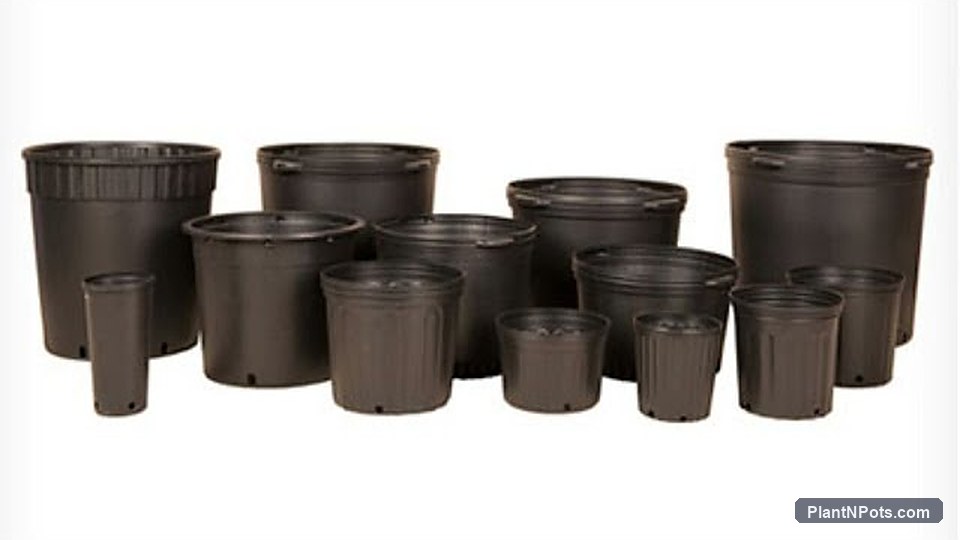
Commercial horticulture relies on trade gallons rather than exact liquid measurements. A labeled twenty-five gallon container actually delivers slightly less volumetric capacity because industry standards scale down manufacturing inputs.
This discrepancy surprises many home gardeners transitioning from indoor pots to outdoor operations. Manufacturers design these large vessels to balance structural integrity, material costs, and efficient greenhouse spacing over pure volume.
Recognizing this industry quirk ensures you purchase adequate potting mix. Always calculate your soil requirements based on usable cubic feet rather than relying strictly on the nominal trade label printed outside.
Horticultural suppliers use standardized designations to streamline wholesale pricing and shipping logistics. Understanding these operational nuances helps you decode manufacturer specifications before buying containers for your yard.
Horticultural trade standards rarely reflect exact liquid measurements. A nominal twenty-five gallon container typically holds roughly twenty actual gallons due to tapered sidewalls and manufacturer engineering optimizations.
When planning layout geometry for commercial setups, integrating sturdy indoor plant stands helps elevate heavy pots, ensuring accurate spacing and preventing flooring damage from standing water.
Understanding these volumetric discrepancies prevents severe fertilizer miscalculations. Liquid feeds applied at standard rates assume true liquid volume, meaning your nutrient saturation levels might drift if unadjusted.
Polyethylene injection-molded pots feature structural ribs that subtly reduce internal capacity. Fabric alternatives bulge outward under pressure, shifting your total growing volume closer to nominal specs when filled.
- Verify true cubic foot capacity.
- Account for trade gallon discrepancies.
- Calculate bulk soil needs early.
- Prioritize plant root space needs.
Physical Dimensions Across Major Manufacturers
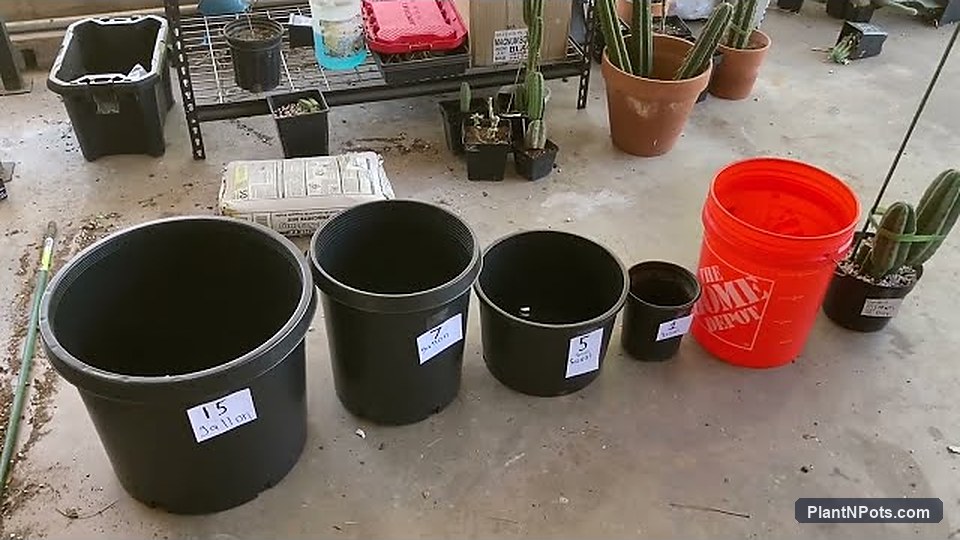
Standardized dimensions fluctuate depending on whether you source blow-molded or injection-molded containers. Most typical units feature top diameters ranging from twenty to twenty-four inches across the opening rim.
Container depth is equally critical for establishing deep root systems in woody ornamentals. Heights generally span from eighteen to twenty-two inches, offering ample vertical clearance for developing taproots and secondary structures.
Base diameters taper downward to improve stability and facilitate easy container removal during transplanting. Bottom widths usually measure sixteen to nineteen inches, preventing the heavy loaded pot from tipping over.
Reviewing exact manufacturer specification sheets helps compare these large vessels against alternatives like small terracotta pots designed for delicate propagation and indoor herb cultivation.
Standard rigid plastic containers from leading horticultural suppliers usually measure roughly twenty-two inches across at the top rim, providing a wide stance for stable heavy planting.
Height dimensions fluctuate between sixteen and eighteen inches depending on whether you choose a squat pot style or a standard tall nursery format optimized for deep taproot development.
Base diameters generally taper down to around sixteen inches. This engineered geometry ensures proper stacking during transit while maintaining a low center of gravity against wind.
Fabric aeration containers often feature slightly wider profiles due to flexible sidewalls, measuring nearly twenty-four inches wide when fully packed with moist growing media and root systems.
- Measure exact rim diameters.
- Verify overall vertical height.
- Check base tapering widths.
- Account for spacing layouts.
Rigid Injection-Molded Containers
Injection-molded models offer thick, rigid sidewalls that resist cracking under intense summer UV radiation. These heavy-duty pots maintain their circular shape even when fully packed with saturated growing media.
Their reinforced upper rims allow safe lifting using mechanical equipment or heavy-duty straps. Gardeners appreciate their longevity across multiple growing seasons despite experiencing harsh outdoor temperature fluctuations.
- Inspect rim reinforcement features.
- Check UV stabilization ratings.
- Verify rigid wall thickness.
Blow-Molded Flexible Poly Pots
Blow-molded alternatives utilize thinner polyethylene plastic that remains surprisingly flexible and lightweight. These economical containers reduce shipping overhead for wholesale nurseries distributing large plant shipments nationwide.
While more pliable, they still provide adequate structural support for multi-year shrub cultivation. Handle them carefully when filled to avoid warping the sidewalls during repositioning tasks.
- Handle carefully when fully loaded.
- Store indoors during freezing winters.
- Inspect for premature cracking.
Video Walkthrough: 1-25 Gallon Plastic Plant Pots Supplier #nurserypots #flowerpots #plasticpots
Soil Volume and Weight Calculations
Filling a massive container requires significant quantities of dense organic potting mix. A true twenty-five gallon vessel typically requires about three to three point five cubic feet of growing media.
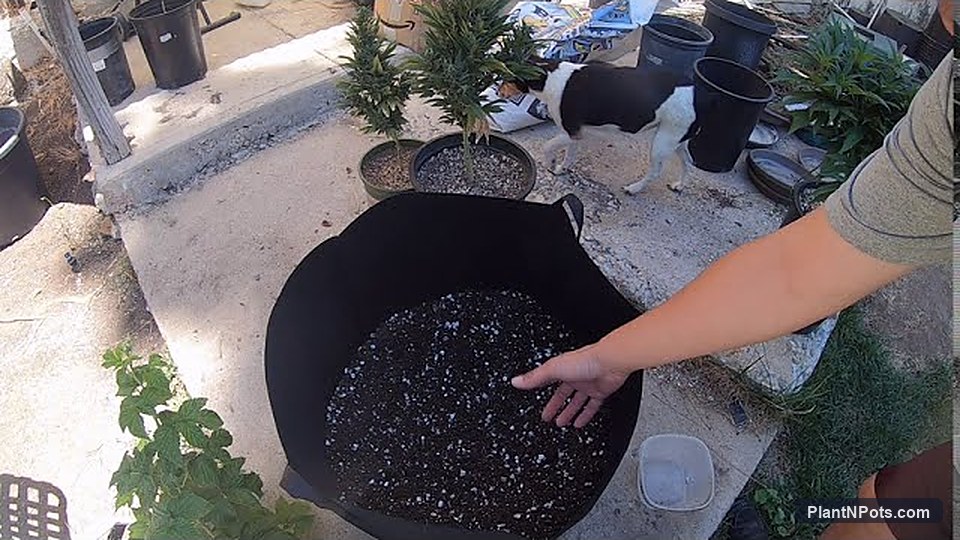
Dry peat-based soil mixes weigh relatively little, but watering transforms the container into a heavy burden. Choosing a reliable [twenty-five gallon terra cotta pot](https://plantnpots.com/?p=3866) ensures your structural foundations manage the immense saturated load safely.
Always evaluate your balcony or deck structural weight limits before placing heavy containers. Distributing weight evenly across joists prevents structural damage and ensures long-term safety for your outdoor living spaces.
Incorporate lightweight amendments like perlite or expanded clay helps reduce overall container mass significantly. These materials improve aeration while keeping heavy structural loads manageable for regular garden maintenance routines.
Filling a massive twenty-five gallon vessel requires substantial raw materials. Standard damp potting mixes weigh roughly seventy-five to one hundred pounds once thoroughly saturated with water.
Factor in the mature plant weight and structural wind load when positioning these vessels on elevated balconies or rooftop decks to meet local structural codes safely.
Avoid using dense garden soil, which compacts terribly in large volumes. Always utilize a porous, well-aerated soilless potting mix containing perlite or bark for optimal drainage.
Purchasing bulk cubic yards is far more economical than buying individual bags when filling multiple containers, saving you significant money on your overall soil budget.
- Calculate cubic feet requirements accurately.
- Weigh structural deck weight limits.
- Incorporate perlite for weight reduction.
- Expect heavy post-watering loads.
Ideal Plant Selection for Massive Containers
Selecting appropriate specimens prevents premature root crowding in large volume growing environments. Dwarf fruit trees like apples, figs, and citrus thrive wonderfully within these spacious circular boundaries for years.
Large ornamental shrubs, evergreen conifers, and sprawling perennial vines also appreciate generous root clearance. These heavy hitters require stable, deep root zones to support expansive canopies against strong seasonal winds.
Avoid planting fast-growing aggressive trees that quickly outgrow even a twenty-five gallon footprint. Annual vegetables rarely need this much volume unless grown as massive multi-plant community containers on patios.
Matching the correct plant species ensures long-term container success and minimizes frequent repotting chores. Consult local extension guides to verify root growth habits before committing large specimens to containers.
Dwarf fruit trees like apples, figs, and citrus thrive wonderfully in this container size, provided you maintain annual root pruning routines to prevent pot-bound root systems.
Large perennial shrubs, including hydrangeas and ornamental grasses, develop magnificent root structures here, creating striking architectural focal points for patios and commercial landscape designs.
Heavy vining vegetables such as indeterminate tomatoes and winter squash require this expansive root zone to sustain heavy fruit production through extended summer growing seasons.
Avoid planting shallow-rooted annual flowers alone, as the excessive soil volume stays wet too long, dramatically increasing the risk of root rot pathogens developing.
- Choose dwarf fruit tree varieties.
- Anchor tall ornamental conifers securely.
- Avoid aggressive taproot species.
- Group compatible companion plants carefully.
Watering Dynamics in Large Volume Vessels
Managing hydration inside massive containers requires understanding deep soil moisture retention properties. These large pots hold substantial water volumes, often demanding five to seven gallons per thorough watering session.
Subsurface root zones can remain damp long after surface soils appear completely dry to touch. Always use a long soil moisture probe to test deep root zones before initiating irrigation cycles.
Inadequate drainage leads directly to root rot and anaerobic conditions deep inside the pot. Ensure your chosen container features numerous factory drainage holes to release excess irrigation water promptly.
Hot summer afternoons cause rapid surface evaporation while lower root zones stay saturated. Balancing watering frequency prevents drought stress while protecting sensitive root hairs from prolonged waterlogging damage.
Deep root zones dry out unevenly compared to small pots. Always verify moisture levels several inches down using a moisture meter before initiating your next irrigation cycle.
Hand watering these massive volumes often wets only the surface layer. Implement drip irrigation emitters or slow soaking methods to achieve thorough root penetration.
Heavy watering leaches essential nutrients over time due to the deep percolation path, necessitating a consistent, diluted liquid fertilizer schedule during peak growing months.
Drainage holes must remain entirely unobstructed by paving stones or dense roots to prevent water stagnation at the absolute bottom of your heavy growing vessel.
- Use moisture probes for testing.
- Deliver five to seven gallons.
- Ensure multiple bottom drainage holes.
- Monitor deep soil saturation levels.
Frequently Asked Questions
How many actual gallons of soil fit into a twenty-five gallon nursery pot?
A standard trade twenty-five gallon container typically holds about nineteen to twenty-one actual liquid gallons of soil due to unique horticultural manufacturing scale variances.
This volumetric capacity translates precisely to roughly three to three point five cubic feet of total porous growing media required for proper plant health.
What is the typical top diameter measurement of a standard heavy-duty twenty-five gallon container?
Most commercial models feature an upper rim diameter spanning between twenty and twenty-four inches across the opening boundary. This generous width provides ample surface area for spreading root systems to expand comfortably over multiple growing seasons.
How much does a fully saturated twenty-five gallon pot weigh during peak summer growing seasons?
A thoroughly watered container filled with damp organic potting mix can easily weigh between one hundred and fifty and one hundred and eighty pounds. Always confirm deck structural weight limits beforehand to prevent unexpected structural damage.
Can I use standard garden dirt from my yard inside a twenty-five gallon planter?
Using native garden soil is strongly discouraged because it compacts severely and inhibits vital drainage pathways inside large vessels. Always select a well-aerated, coarse-textured potting mix specifically formulated for large outdoor container gardening.
What plant varieties thrive best when cultivated inside a twenty-five gallon pot?
Dwarf fruit trees like figs and citrus, large ornamental shrubs, and tall evergreen conifers perform exceptionally well. These specimens appreciate the deep root clearance and structural stability provided by spacious container environments.

