Understanding container measurements ensures your large crops thrive. This guide covers physical dimensions, volume calculations, and material differences.
Key Takeaway:
A standard 20 gallon pot typically measures roughly 18 to 22 inches in diameter and 15 to 18 inches in height. Always check manufacturer specs because dimensions vary by material.
Quick-Reference Guide
| Container Size | Typical Diameter | Common Height | Approximate Volume | Best Use Case | Material Options |
|---|---|---|---|---|---|
| 5 Gallon | 10-12 inches | 9-11 inches | 0.67 cubic feet | Medium shrubs | Plastic / Fabric |
| 10 Gallon | 14-16 inches | 12-14 inches | 1.34 cubic feet | Small fruit trees | Plastic / Fabric |
| 15 Gallon | 16-18 inches | 14-16 inches | 2.01 cubic feet | Large tomatoes | Plastic / Fabric |
| 20 Gallon | 18-22 inches | 15-18 inches | 2.68 cubic feet | Dwarf citrus | Plastic / Fabric |
| 25 Gallon | 22-24 inches | 18-20 inches | 3.35 cubic feet | Small ornamentals | Plastic / Resin |
| 30 Gallon | 24-26 inches | 20-22 inches | 4.02 cubic feet | Full shrubs | Plastic / Fabric |
Understanding True 20 Gallon Pot Dimensions
Working with large containers requires precise physical measurements. A standard 20 gallon pot provides immense root space for heavy-feeding plants, small trees, and vigorous fruiting shrubs.
Selecting the right [best 20 gallon outdoor planter](https://plantnpots.com/?p=4364) requires understanding physical dimensions. Traditional round containers feature a wider top rim and tapered base to simplify annual plant maintenance and repotting.
Standard diameters usually range from 18 to 22 inches across the top rim. Depth measurements typically hover between 15 and 18 inches to accommodate deep root systems.
Bottom diameters are noticeably smaller, often measuring 14 to 17 inches. This taper provides structural stability while allowing efficient drainage toward central outlet holes.
- Measure top rim diameter before buying saucer trays.
- Account for bottom taper when calculating stability.
- Verify interior depth against root ball requirements.
- Leave clearance space for top-dressing organic compost.
Measuring Tapered Versus Straight-Wall Containers
Tapered containers save storage space when stacked empty in warehouses. However, straight-wall planters offer maximum internal volume for root expansion without sacrificing footprint.
Always measure across the widest upper rim for true diameter. Never rely solely on nominal volume labels since different manufacturers use varying geometric formulas.
- Use flexible tape for curved rims.
- Record interior depths accurately.
Comparing Gallon Sizes Across Container Standards
Nursery trade sizes do not always match liquid gallons precisely. A nominal trade gallon actually equals roughly 0.75 of a true US liquid gallon.
Understanding this distinction prevents underestimating your soil needs. When a supplier sells a twenty-gallon container, it might hold less true volume than expected.
Commercial growers rely on standardized trade designations rather than strict fluid measurements. Checking exact cubic dimensions ensures you always purchase enough growing media.
Converting trade volumes to cubic feet helps when buying bulk soil. One true cubic foot equals approximately 7.48 US liquid gallons of capacity.
- Know the difference between trade and liquid gallons.
- Calculate soil requirements using true cubic foot metrics.
- Avoid buying short quantities of potting mix.
- Standardize your container fleet for easy planning.
Video Walkthrough: How I fill 20 gallon Smart pots.
Rigid Plastic Versus Fabric Planter Specs
Rigid injection-molded plastic structures work exceptionally well as [large tropical plant pots](https://plantnpots.com/?p=3425) for sunny patios. They maintain structural geometry, resist harsh UV degradation, and comfortably support heavy automatic irrigation systems.
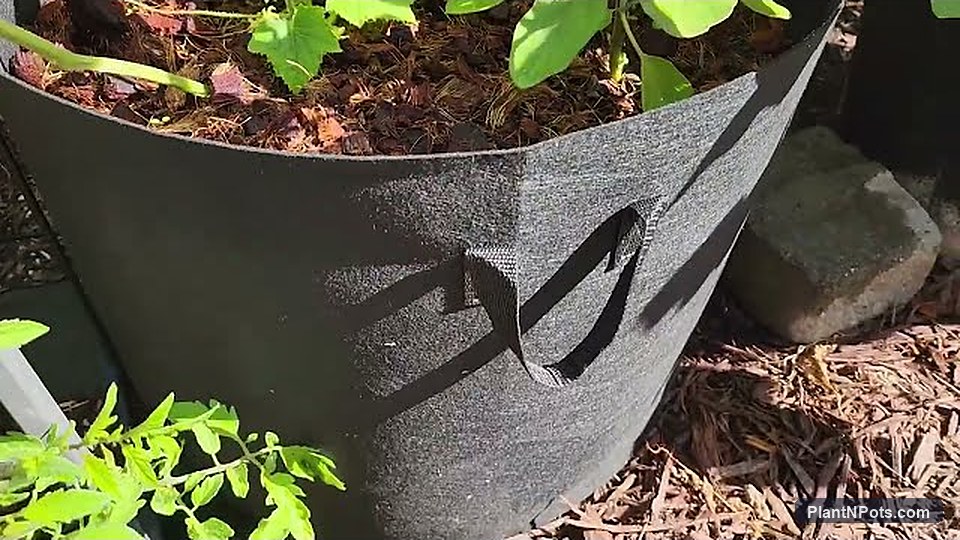
Fabric aeration containers offer distinct thermodynamic advantages for root zones. Flexible breathable walls promote natural root pruning and prevent encircling root balls.
Fabric twenty-gallon sizes often appear slightly wider and shorter than rigid plastic counterparts. This squat profile enhances stability against strong autumn wind gusts.
Selecting your material depends on mobility needs and climate extremes. Plastic retains soil moisture longer, whereas fabric requires more frequent summer watering cycles.
- Plastic pots retain moisture better in hot climates.
- Fabric bags eliminate root circling completely.
- Rigid containers support trellis systems securely.
- Fabric options fold flat for winter storage.
Selecting the Right Pot for Your Crop Type
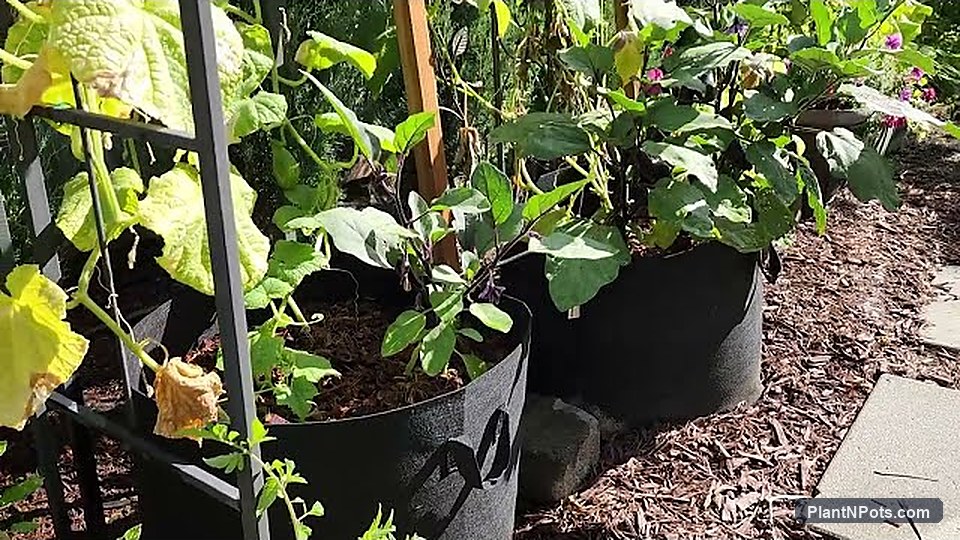
Large twenty-gallon containers suit aggressive crops like indeterminant tomatoes, blueberries, and dwarf fruit trees. Deep-rooting plants demand this substantial vertical and horizontal clearance.
Shallow-rooting herbs or leafy greens will drown in excessive soil volumes. Too much wet media causes root rot because lower layers remain saturated.
Perennial plants grown in cold hardiness zones need thick container walls. Insulated walls protect delicate root crowns from sudden freezing winter temperature fluctuations.
Match your plant's mature canopy spread to the container footprint carefully. A top-heavy shrub requires a heavy base to prevent accidental tipping over.
- Match pot capacity to mature root mass.
- Avoid oversized pots for small juvenile starters.
- Ensure adequate depth for taproot species.
- Consider perennial winter survival requirements.
Calculating Soil Volume for Large Containers
Filling a twenty-gallon container requires substantial amounts of potting mix. You will need roughly 2.7 cubic feet of soil to fill it properly.
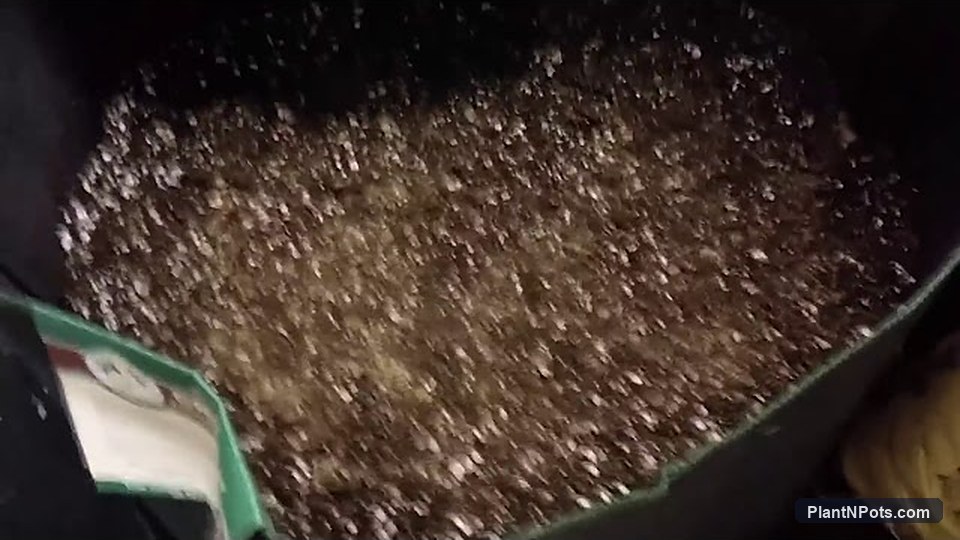
Buying standard retail bags can become expensive and labor-intensive very quickly. Purchasing bulk soil blends saves money when managing multiple large container gardens.
Always incorporate coarse amendments like perlite or pine bark. These materials improve drainage and prevent heavy commercial potting soils from compacting badly.
Leave two inches of headspace below the rim for watering. This prevents mulch and soil from washing over the edges during heavy rainfall.
- Calculate cubic footage before buying amendments.
- Blend organic compost for optimal nutrient retention.
- Add perlite to enhance aeration channels.
- Leave proper clearance at top rim.
Weight Management and Drainage Considerations
Wet soil inside a twenty-gallon pot weighs well over one hundred pounds. Positioning your container before filling it prevents back strain and injury.
Proper physical drainage is non-negotiable for long-term root health when managing large vessels. Choosing reliable [terracotta pots with drainage holes](https://plantnpots.com/?p=1313) ensures unimpeded water flow and prevents root rot on patios.
Heavy containers trap stagnant water against wooden decks or patios. Using rolling plant caddies protects surfaces while maintaining essential mobility for your plants.
Monitor drainage ports regularly during peak growing seasons. Roots can grow through bottom holes, blocking water escape routes and causing root rot.
- Position containers before adding heavy wet soil.
- Elevate pots using durable rubber riser feet.
- Use locking casters for heavy patio mobility.
- Check drainage holes for root blockage.
Commercial Growing and Spacing Guidelines
Commercial operations arrange twenty-gallon containers in strict grid patterns. Proper spacing maximizes light interception while allowing workers easy access for maintenance tasks.
Greenhouse layouts require precise aisle measurements between container rows. Adequate airflow between sprawling plant canopies prevents fungal disease outbreaks in humid environments.
Drip irrigation lines connect efficiently across standardized pot dimensions. Automated emitters deliver precise water volumes to every individual container in the system.
Uniform pot sizes streamline fertilization schedules and pesticide applications. Commercial growers standardize container dimensions to optimize labor efficiency and crop yields.
- Arrange containers in structured grid layouts.
- Maintain wide aisles for equipment access.
- Install automated drip irrigation networks.
- Standardize pot types for efficient labor.
Frequently Asked Questions
How many gallons of soil do I need for a 20 gallon pot?
Filling a twenty-gallon container typically requires approximately 2.7 cubic feet of specialized potting mix, which translates to roughly two large retail bags or one bulk wheelbarrow load.
You should always purchase slightly more media than calculated to account for natural soil compaction over time and to maintain a proper watering headspace at the top rim.
What are the typical physical dimensions of a 20 gallon pot?
A standard twenty-gallon nursery container generally measures between 18 and 22 inches across the top rim and roughly 15 to 18 inches in total vertical depth.
Because various manufacturers use different molds and trade standards, the exact bottom diameter is usually narrower at 14 to 17 inches to provide stable structural support everywhere.
Are fabric pots better than rigid plastic for large plants?
Fabric aeration containers offer distinct biological advantages by promoting natural root pruning and preventing root circling, which supports much healthier and more vigorous plant development overall throughout the season.
However, rigid plastic containers retain soil moisture significantly longer during scorching summer months and provide a much sturdier anchor for heavy trellised crops or dwarf trees.
How much does a full 20 gallon pot weigh?
A fully saturated twenty-gallon container filled with damp potting soil can easily weigh anywhere from 100 to 150 pounds depending on your specific heavy media components.
This substantial total weight makes it critically essential to position your container permanently before adding soil or to place it safely on heavy-duty locking caster caddies.
Can I grow fruit trees in a 20 gallon container?
You can successfully cultivate dwarf fruit trees like citrus, figs, or apples in a twenty-gallon pot if you provide consistent watering and regular balanced organic fertilization.
These substantial containers offer enough deep root volume to support miniature fruit production for several growing seasons before requiring root pruning or complete container repotting procedures.

