Master container gardening with accurate sizing knowledge. Avoid common volume mistakes when transitioning plants to larger permanent outdoor locations.
Key Takeaway:
A standard trade gallon pot holds roughly 11 dry US gallons instead of true liquid measure. Always check physical diameter and depth measurements before purchasing media.
Quick-Reference Guide
| Factor / Scenario | Recommended Target | Why It Matters |
|---|---|---|
| Top Diameter | 17 to 20 inches | Ensures adequate root spread and canopy clearance. |
| Bottom Diameter | 14 to 16 inches | Provides structural stability against tipping in wind. |
| Container Height | 15 to 17 inches | Accommodates deep taproot systems and drainage layers. |
| Soil Volume | 1.5 to 2.0 cubic feet | Determines exact bulk bag purchases for filling. |
| Empty Weight | 3 to 6 pounds | Affects ease of movement and material durability. |
| Saturated Weight | 110 to 140 pounds | Requires permanent placement or heavy-duty rolling bases. |
Decoding True Physical Dimensions of Large Containers
Navigating large container dimensions requires looking beyond nominal volume labels. Most standard 15 gallon containers feature a top outer rim diameter ranging from seventeen to twenty inches across.
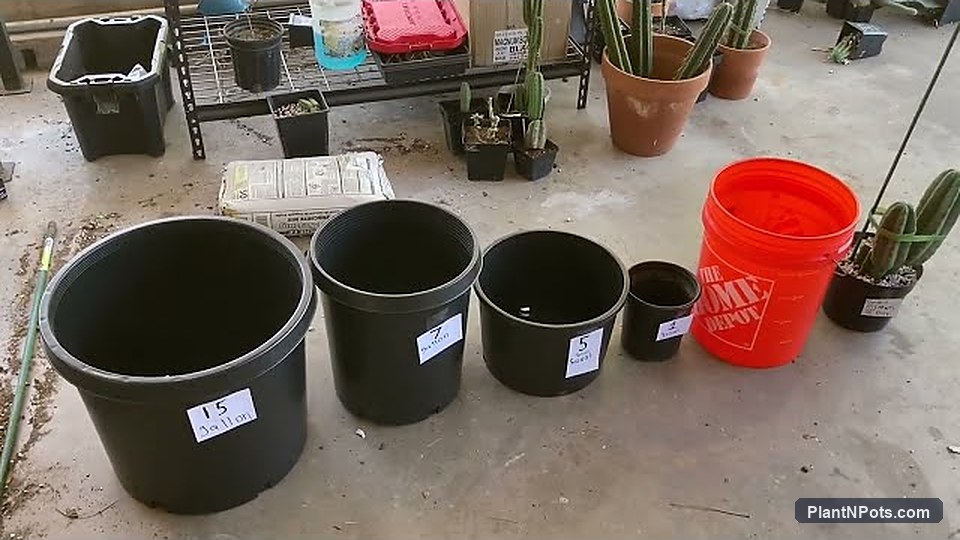
Container depth typically spans fifteen to seventeen inches vertically. This height accommodates extensive root networks, providing deep vertical zones for plants like dwarf fruit trees and large shrubs.
Base diameters generally taper down to fourteen or sixteen inches. This engineered taper prevents the root ball from locking inside the injection-molded plastic during extraction or nursery repotting procedures.
Manufacturers utilize heavy-duty polyethylene polymers to withstand harsh ultraviolet radiation. These UV inhibitors prevent brittle cracking when exposed to intense seasonal sunlight over multiple consecutive growing seasons outdoors.
- Measure the inner rim diameter rather than outer handles for accurate soil calculations.
- Account for sidewall taper when calculating effective planting surface areas.
- Inspect container rims for reinforced structural ribbing to prevent flexing under heavy loads.
- Verify base flatness to ensure stable placement on uneven outdoor patio surfaces.
Material Variations and Wall Thickness
Injection-molded containers offer rigid walls and structured handles. Blow-molded alternatives provide flexible, lightweight bodies that bend slightly under pressure without fracturing permanently.
Choosing between rigid and flexible designs impacts longevity. Rigid structural plastics endure multi-year deployments while flexible variations suit temporary seasonal growing operations.
- Check for molded-in side handles designed for lifting empty units.
- Avoid brittle recycled plastics that degrade rapidly under freezing winter conditions.
Unpacking the Nursery Trade Gallon Volume Reality
Commercial horticulture operates on a specific measurement system known as the trade gallon. A nursery trade gallon equals roughly 0.75 of a true liquid US gallon in actual volume.
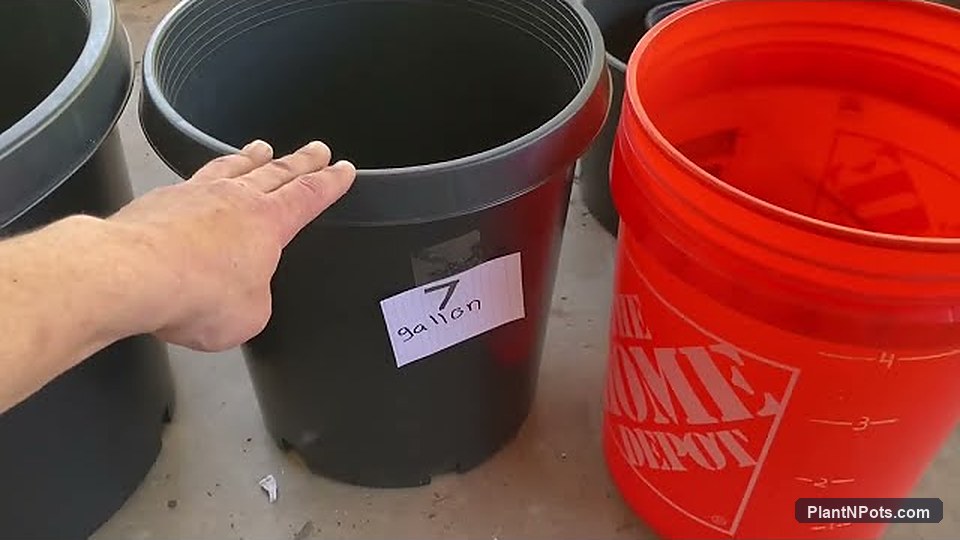
Therefore, a labeled fifteen-gallon container actually holds approximately eleven dry US gallons of physical space. Recognizing this discrepancy prevents miscalculations when purchasing bulk potting soil amendments.
Wholesale nurseries rely on this standardized sizing to streamline plant grading and pricing structures. Understanding this industry metric ensures home gardeners order exact substrate quantities without unexpected shortages.
Mathematical volume conversions use cubic inches to maintain absolute precision for standard vessels like [five gallon containers](https://plantnpots.com/?p=983). Each unit contains roughly two thousand five hundred cubic inches of total internal growing capacity.
- Never assume nominal trade sizes match liquid gallon liquid measurements.
- Calculate soil requirements using cubic feet for accurate bag estimates.
- Expect slight volumetric variations between different manufacturing brands and mold types.
- Use dry volume formulas when mixing custom soil amendments at home.
Standardizing Container Classifications
Nursery trade standards follow strict regional manufacturing guidelines established across North America. These uniform dimensions allow growers to stack empty vessels efficiently during transport operations.
Standardized sizing ensures compatibility with automated drip irrigation systems. Consistent rim diameters allow standard watering rings to fit various container brands seamlessly.
- Verify manufacturer specifications before designing automated irrigation layouts.
- Compare dry volume ratings rather than marketing labels when shopping.
Video Walkthrough: The Best Size Containers You Should Up Pot Your Citrus Trees To!
Calculating Soil Volumes and Substrate Requirements
Filling large containers demands careful calculation of soil volume and weight. A standard fifteen-gallon unit requires approximately one and a half to two cubic feet of dry potting mix.
Standard retail potting soil bags are commonly sold in two-cubic-foot quantities for large displays or [artificial hanging baskets](https://plantnpots.com/?p=4870). Purchasing a single large bag comfortably fills one container with adequate room.
Avoid using dense garden soil from native landscape beds inside enclosed containers. Native earth lacks proper aeration, compacts severely, and restricts essential oxygen flow to delicate root systems.
Select premium commercial substrates formulated with peat moss, perlite, and compost. These soilless potting mixes provide optimal drainage while retaining vital moisture during peak summer heat.
- Calculate total volume using cubic footage measurements found on soil bags.
- Incorporate organic compost to boost long-term nutrient availability for heavy feeders.
- Blend coarse perlite or horticultural pumice to improve internal soil aeration.
- Avoid compacting media down forcefully when filling large nursery containers.
Amending Substrates for Drainage
Heavy clay-based soils retain excessive moisture and cause root rot. Creating an airy, porous medium ensures water flows rapidly through the entire root zone without pooling.
Adding expanded shale or bark fines improves structural integrity over multi-year growing cycles. These dense organic components resist rapid breakdown and compaction in large pots.
- Mix in aged pine bark to maintain long-term structural porosity.
- Test drainage speed by pouring water through newly filled containers.
Managing Total Container Weight and Ergonomics
Large containers present significant physical handling challenges once fully amended and watered. An empty plastic nursery pot weighs only three to six pounds, making initial transport effortless.
Adding dry potting mix increases total weight significantly before planting. Once completely saturated with water, a fifteen-gallon container can weigh between one hundred ten and one hundred forty pounds.
Positioning these massive vessels requires strategic planning before adding heavy soil substrates. Moving a saturated container risks structural damage to the pot and personal injury to the gardener.
Utilize heavy-duty plant caddies equipped with locking caster wheels for mobile arrangements. These rolling plant platforms distribute immense weight evenly while protecting delicate patio surfaces underneath.
- Determine final placement before filling containers with heavy wet soil.
- Enlist a helper or use a hand truck when relocating established plants.
- Install rolling plant caddies underneath pots located on hard surfaces.
- Inspect container handles regularly for stress fractures caused by heavy loads.
Safe Lifting and Positioning Techniques
Proper ergonomics prevent severe back strain during container gardening tasks. Bend at the knees and lift with leg muscles rather than twisting the lower spine awkwardly.
Utilize sliding mats or thick cardboard sheets to reposition heavy empty pots. Reducing surface friction makes shifting containers across wooden decks much easier.
- Lift with your legs while keeping heavy loads close to your chest.
- Clear walking paths of obstacles before moving heavy planted vessels.
Selecting Ideal Plant Varieties for Massive Volumes
Fifteen-gallon containers offer an exceptional middle ground for ambitious home gardeners. This generous capacity accommodates vigorous perennial crops, dwarf fruit trees, and sprawling ornamental shrubs successfully.
Dwarf citrus trees thrive within these dimensions for several productive growing seasons. The ample root zone supports heavy fruit production without inducing premature root-bound stress or decline.
Vigorous vegetable crops like indeterminate tomatoes, peppers, and summer squash flourish here. Large root volumes allow plants to forage extensively for water and nutrients during hot weather.
Perennial ornamental grasses and medium-sized evergreens utilize this space effectively. The substantial soil mass insulates delicate perennial root structures against sudden winter temperature drops.
- Choose dwarf fruit tree cultivars grafted onto vigorous rootstock varieties.
- Plant trailing companion flowers around the perimeter to maximize visual appeal.
- Ensure adequate vertical clearance when positioning under overhangs or balconies.
- Rotate containers periodically to promote even sunlight exposure across foliage.
Vegetable and Herb Production Strategies
Intensive vegetable gardening in large pots requires consistent fertility management. Heavy nutrient demands necessitate regular applications of balanced organic fertilizers throughout the active growing season.
Pairing vertical trellises with large containers supports rambling vining crops. Sturdy support structures prevent heavy fruit-laden branches from tipping containers over unexpectedly.
- Install tomato cages directly into the soil mix during early planting.
- Apply slow-release organic fertilizer granules to sustain continuous seasonal growth.
Optimizing Moisture Retention and Drainage Dynamics
Proper drainage holes are critical for preventing fatal root rot inside [terracotta pots](https://plantnpots.com/?p=1313). Standard nursery vessels feature pre-punched bottom drainage patterns that expel excess irrigation water instantly.
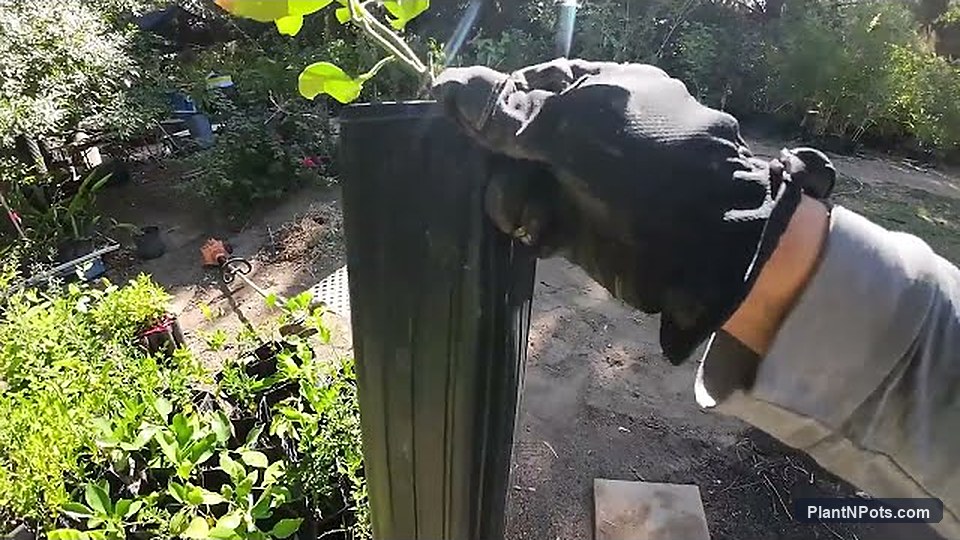
Elevating containers slightly using pot feet improves overall airflow underneath. Unrestricted bottom airflow prevents water from pooling against drainage holes and eliminates stagnant moisture pockets.
Large soil volumes dry out slower than small pots during cooler weather. Monitor internal moisture levels using a physical soil probe rather than relying on surface inspection alone.
Mulching the soil surface with organic bark reduces surface evaporation significantly. This protective layer keeps root zones cool and maintains steady moisture levels during summer heatwaves.
- Clear obstructed drainage holes immediately if water pooling is observed.
- Elevate pots using ceramic feet or bricks to enhance bottom airflow.
- Check deep soil moisture levels using a digital moisture meter.
- Apply a two-inch layer of organic mulch across the exposed surface.
Managing Irrigation Schedules
Large containers require deep, infrequent watering cycles to encourage deep rooting. Shallow, frequent surface watering creates weak, vulnerable root systems concentrated near the top.
Install drip irrigation emitters to deliver water slowly and evenly. Automated drip systems ensure thorough soil saturation without causing surface soil erosion or runoff.
- Water deeply until moisture flows freely from bottom drainage holes.
- Adjust irrigation frequency dynamically based on local weather conditions.
Comparative Analysis Against Alternative Pot Sizes
Comparing container sizes helps gardeners select appropriate vessels for specific plants. A standard seven-gallon pot offers roughly half the volume, suiting smaller shrubs and herbs.
Stepping up to a twenty-five or thirty-gallon container transitions plants into miniature landscape installations. These massive vessels accommodate mature small trees but become virtually impossible to move manually.
The fifteen-gallon size provides the optimal balance between capacity and mobility. It offers enough space for substantial plant growth while remaining manageable with proper equipment.
Evaluating future plant growth rates prevents frequent, disruptive repotting cycles. Selecting the correct container size initially ensures healthy root development for multiple consecutive years.
- Upgrade to larger sizes only when plants outgrow their current root zones.
- Consider future weight implications before committing to massive container sizes.
- Use medium sizes for plants requiring annual indoor overwintering protection.
- Analyze mature root ball dimensions before choosing permanent outdoor vessels.
Planning Container Progression Steps
Stepping plants up gradually prevents soil from souring due to excess moisture. Moving a small starter plant directly into a massive container often leads to chronic root rot.
Follow a progressive sizing strategy as plants mature physically. Gradual container transitions encourage dense, fibrous root ball development without stressing specimens.
- Increase pot size by two to four inches during standard repotting sessions.
- Inspect root systems thoroughly for circling patterns before stepping up sizes.
Frequently Asked Questions
What are the exact physical dimensions of a standard 15 gallon nursery container?
A standard 15 gallon container typically features a top diameter of 17 to 20 inches and a height of 15 to 17 inches. Always verify exact measurements with the specific manufacturer before buying media.
Why does a 15 gallon pot hold less soil than expected?
Commercial nurseries use the trade gallon measurement system, where one trade gallon equals roughly 0.75 of a true liquid gallon. Therefore, a 15 gallon pot holds about 11 actual gallons of dry volume.
How much soil is needed to fill a 15 gallon plant pot?
Filling a standard 15 gallon nursery pot requires approximately 1.5 to 2.0 cubic feet of dry potting mix. Purchasing one large bulk bag easily fills a single container with room for top dressing.
How much does a fully watered 15 gallon container weigh?
A fully saturated 15 gallon container can weigh between 110 and 140 pounds depending on soil density. Position these heavy vessels permanently or use heavy-duty rolling plant caddies.
What types of plants grow best in a 15 gallon nursery pot?
This container size is ideal for dwarf fruit trees, large shrubs, indeterminate tomatoes, and perennial grasses. The generous root zone supports vigorous seasonal growth without premature root-bound stress.

