Finding the best aloe vera soil type is essential for keeping your indoor succulents thriving without root rot. Because aloes store water in their thick leaves, they require porous growing mediums that dry out quickly between waterings. Standard garden dirt often holds too much moisture, which can suffocate the roots and lead to decline. Selecting a specialized formulation ensures proper aeration and prevents water from pooling at the base of the container.
When shopping for suitable growing media, you will encounter various blends containing pinebark, peat, coarse sand, biochar, or coco coir. Each component affects how the substrate holds moisture and allows oxygen to reach plant roots. By understanding your watering habits and the specific needs of desert-adapted plants, you can select a medium that matches your indoor environment and container size, setting the stage for healthy long-term growth.
The product shortlist

Professional Aloe Plant Soil Mix Large 2.2 Quarts Ready
This ready-to-use potting mix comes in a convenient two-pack of 2.2-quart bags, formulated specifically for aloe vera, cacti, and succulents. It features a fast-draining blend of pinebark, peat, and coarse sand, and is manufactured in the United States. The porous composition prevents moisture retention, making it well-suited for indoor containers where proper root aeration is critical.
- Premium Potting Soil for Aloe Vera Cactus Succulent Plants
- Fast Draining Blend Pinebark Peat Course Sand Indoor Made in USA (Pack of 2)
Ready-to-use indoor succulent potting
View on Amazon (opens in a new tab)
Check current details and price
Read the detailed assessment
What stands out
- Formulated specifically for aloe vera, cacti, and succulents to provide a suitable growing environment.
- Combines pinebark, peat, and coarse sand to create a fast-draining medium for indoor potted plants.
- Supplied in a practical two-pack of 2.2-quart bags for immediate use in multiple small containers.
What to consider
- The 2.2-quart bag size may require purchasing multiple packs if you are potting several large aloe vera plants at once.
- Containing peat and pinebark means the mix might require occasional replacement as organic components naturally break down over extended periods.
The practical verdict
Best suited for gardeners seeking a convenient, pre-blended medium specifically designed for indoor aloes and small succulents. Avoid if you require large bulk volumes for extensive garden beds. The main trade-off is the smaller bag capacity balanced against the convenience of a ready-made sand and bark formulation.

The Grow Co Succulents & Cactus Plant Food –
Designed as an alternative to liquid fertilizers, this gentle, long-lasting formula supplies slow-release nutrients for potted succulents, cacti, and aloe vera plants. The product comes in a five-ounce container packaged as a two-pack, providing steady nourishment without the frequent mixing required by standard liquid plant foods.
- Gentle Long Lasting Formula
- Slow Release Fertilizer (Liquid Alternative) for All Potted Succulent
- Cacti & Aloe Vera Plants (5 oz) (Pack of 2)
Nutrient support for potted aloes
View on Amazon (opens in a new tab)
Check current details and price
Read the detailed assessment
What stands out
- Provides a gentle, long-lasting formula designed specifically for potted succulents, cacti, and aloe vera.
- Functions as a slow-release alternative to liquid fertilizers, reducing the frequency of required feedings.
- Offered in a five-ounce size packaged as a two-pack for convenient ongoing plant maintenance.
What to consider
- The five-ounce package size is relatively small, which may necessitate frequent reordering for owners with extensive plant collections.
- As a granular plant food rather than a soil mix, it must be used alongside an appropriate growing medium.
The practical verdict
Best suited for indoor gardeners looking to supplement their existing soil with steady, slow-release nutrients. Avoid if you prefer liquid-based feeding routines or need a complete soil substrate. The main trade-off is the compact five-ounce container size against the convenience of long-lasting, slow-release granule application.

FoxFarm Bush Doctor Coco Loco Potting Mix, 2cu ft
This large two-cubic-foot potting mix helps extend your watering schedule while supporting vigorous plant cultivation. The substrate is triple-washed to reduce salt content, making it a versatile option for various indoor and outdoor growing applications where moisture regulation is important.
- 2cu ft
- Extends Your Watering Schedule
- Triple-Washed to Reduce Salt Content
Large-scale moisture regulation
View on Amazon (opens in a new tab)
Check current details and price
Read the detailed assessment
What stands out
- Generous two-cubic-foot volume accommodates larger containers or multiple repotting projects.
- Engineered to help extend your watering schedule between irrigation sessions for added convenience.
- Triple-washed during production to reduce salt content, creating a cleaner root environment.
What to consider
- The large two-cubic-foot volume can be heavy and difficult to store inside apartments or small living spaces.
- Handling such a large quantity of soil may prove cumbersome if you only need to pot a single tabletop aloe plant.
The practical verdict
Best suited for growers with numerous large pots or ongoing planting projects requiring bulk substrate. Avoid if you have limited storage space or only own a single small aloe vera. The main trade-off is the high-capacity two-cubic-foot volume against the physical challenge of storing and maneuvering heavy bags indoors.

Rosy Soil Indoor Plant Soil Bundle, Organic Potting Mix
This organic potting mix bundle is crafted for succulents, cacti, monsteras, and tropical plants. It features a peat-free formulation across two 4-quart bags, offering an environmentally conscious alternative for indoor container gardening.
- Organic Potting Mix for Succulents
- Tropicals and More
- 4 Qt Each
Organic multi-plant indoor potting
View on Amazon (opens in a new tab)
Check current details and price
Read the detailed assessment
What stands out
- Provides an organic potting mix formulation suitable for succulents, cacti, and tropical houseplants.
- Entirely peat-free construction appeals to gardeners seeking sustainable and eco-friendly growing media.
- Packaged in two 4-quart quantities, offering enough volume for several medium-sized indoor pots.
What to consider
- The 4-quart bag size may fall short if you are repotting very deep or wide containers that demand high soil volume.
- Being formulated for a wide variety of tropical plants as well as cacti means you should verify drainage characteristics for your specific climate.
The practical verdict
Best suited for indoor gardeners seeking organic, peat-free options for a mixed collection of succulents and tropicals. Avoid if you require strictly specialized desert-only sand blends. The main trade-off is the versatile organic formula against the moderate 4-quart volume per bag.

Rosy Soil Indoor Potting Soil Bundle, Organic Houseplant, Aroid
Combining houseplant, aroid, and cactus requirements, this organic potting soil bundle utilizes a peat-free biochar formula. The set includes two 4-quart bags designed to support diverse indoor container environments.
- Organic Houseplant
- Aroid and Cactus Potting Mix Set
- Peat-Free Biochar Formula
Biochar-enhanced indoor potting
View on Amazon (opens in a new tab)
Check current details and price
Read the detailed assessment
What stands out
- Incorporates a peat-free biochar formula to support soil structure and moisture regulation.
- Versatile mix set accommodates houseplants, aroids, and cacti within a single product bundle.
- Supplied in two 4-quart bags, making it easy to handle and store in smaller living areas.
What to consider
- The multi-purpose formulation targets a broad range of species, which may require amendments if your specific aloe demands extreme drainage.
- A total of 8 quarts across two bags might be insufficient for large floor-standing containers.
The practical verdict
Best suited for indoor plant owners managing diverse collections that include both aroids and cacti. Avoid if you need a singular, ultra-coarse sand medium exclusively for desert succulents. The main trade-off is the versatile biochar blend against the fixed 4-quart bag sizes.
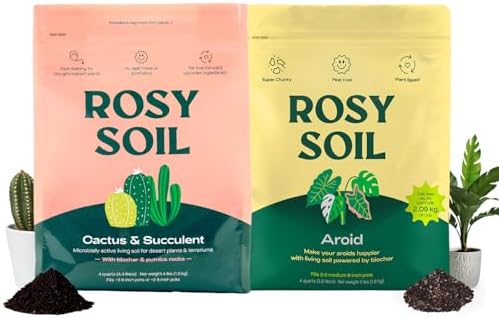
Rosy Soil Cactus and Succulent Potting Mix and Aroid
This indoor plant bundle pairs a cactus and succulent potting mix with an aroid soil mix, totaling two 4-quart bags. The peat-free, chunky, and fast-draining composition helps prevent water accumulation around sensitive roots.
- 4 Qt Each
- Peat-Free Chunky Fast-Draining Indoor Plant Bundle
Chunky fast-draining succulent care
View on Amazon (opens in a new tab)
Check current details and price
Read the detailed assessment
What stands out
- Features a chunky, fast-draining texture that prevents water logging in sensitive succulent roots.
- Peat-free formulation utilizes alternative components for sustainable indoor container gardening.
- Includes two separate 4-quart bags tailored for cactus, succulent, and aroid requirements.
What to consider
- The chunky texture may allow water to run through very quickly, requiring adjustments in watering frequency for dry indoor environments.
- Limited to 4 quarts per bag, which might run out quickly if you maintain a large indoor garden.
The practical verdict
Best suited for growers needing a chunky, fast-draining substrate to protect succulents from over-watering. Avoid if your indoor climate causes soil to dry out too rapidly. The main trade-off is the excellent drainage capability against the potential need for more frequent watering.

THESAEM Jeju Fresh Aloe Soothing Gel 99% – Multi-Purpose
Offering a multi-purpose hydrating and cooling formula, this 99 percent Jeju fresh aloe soothing gel is designed for face and body application. Supplied in a 10.14 fluid ounce container, it provides topical skincare benefits derived from aloe vera.
- Multi-Purpose Hydrating & Cooling Gel for Face
- 10.14 fl oz (300ml)
Topical skin hydration and cooling
View on Amazon (opens in a new tab)
Check current details and price
Read the detailed assessment
What stands out
- Delivers a 99 percent Jeju fresh aloe soothing gel formula for multi-purpose skin hydration.
- Provides a cooling sensation when applied to the face and body for skincare routines.
- Convenient 10.14 fluid ounce (300ml) container size for regular daily use.
What to consider
- This is a topical cosmetic gel for skin application and cannot be used as a growing medium for plants.
- The 10.14 fluid ounce container is intended for personal grooming rather than horticultural applications.
The practical verdict
Best suited for individuals seeking a topical skincare product for body and facial hydration. Avoid if you are searching for horticultural soil, fertilizer, or potting mix for growing plants. The main trade-off is the soothing cosmetic formula against its total unsuitability for gardening use.
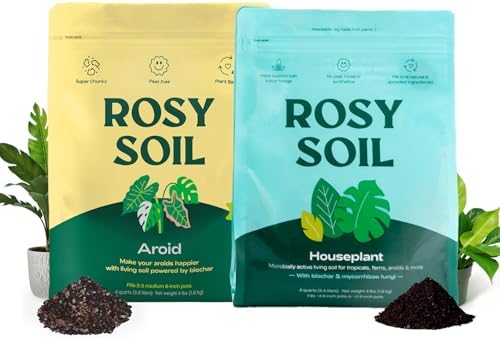
Rosy Soil Aroid Potting Mix and Houseplant Potting Soil
This bundle pairs an aroid potting mix with a houseplant potting soil, offering 4 quarts of peat-free biochar indoor plant soil in each bag. The formulation aims to balance moisture retention with adequate aeration for various indoor species.
- Peat-Free Biochar Indoor Plant Soil
- 4 Quarts Each
Biochar houseplant and aroid potting
View on Amazon (opens in a new tab)
Check current details and price
Read the detailed assessment
What stands out
- Pairs an aroid mix with general houseplant soil to cover multiple indoor growing needs.
- Utilizes a peat-free biochar formulation to support sustainable indoor container gardening.
- Provides two 4-quart bags, allowing for easy handling and portion control during repotting.
What to consider
- Primarily designed for general houseplants and aroids, meaning it may lack the high sand concentration preferred by strict desert cacti.
- The 4-quart per bag capacity requires purchasing multiple bundles if you manage a large collection of potted plants.
The practical verdict
Best suited for indoor gardeners growing a mix of leafy houseplants and aroids who want sustainable biochar soil. Avoid if you specifically require a gritty, sand-heavy cactus substrate. The main trade-off is the eco-friendly biochar composition against its general-purpose drainage profile.
How this comparison was prepared
We use the supplied product identities and listing details to compare intended use, stated features and practical trade-offs. Listing claims are not independent performance tests. This page does not claim laboratory testing, personal ownership or an analysis of customer-review counts. The shortlist order is not a numeric test ranking. Confirm model details, compatibility and current terms on the seller or manufacturer page before purchasing.
Buying guide
Understanding Soil Texture And Drainage Requirements
Aloe vera plants naturally thrive in arid environments where rainfall quickly drains away from their root systems. When cultivated indoors, selecting a growing medium with the right physical texture is crucial to mimicking these natural conditions. Dense garden soils retain moisture for extended periods, which can suffocate roots and promote fungal decay. Opting for a substrate containing coarse sand, perlite, or pinebark ensures that excess irrigation water flows freely out of the drainage holes.
A well-structured potting mix also allows adequate oxygen to reach the root zone, supporting healthy cellular respiration. When evaluating different products, look for terms like fast-draining or chunky, as these characteristics indicate that the medium resists compaction over time. Balancing organic components with inorganic grit creates an environment where your aloe can absorb necessary moisture without sitting in stagnant water.
Evaluating Organic Versus Inorganic Soil Components
Modern potting mixes frequently utilize various organic and inorganic materials to achieve optimal moisture regulation. Organic matter like peat, coco coir, or biochar provides initial structure and helps retain minimal moisture, while inorganic elements such as pumice, coarse sand, and volcanic rock prevent the mix from packing down too tightly. Peat-free alternatives appeal to environmentally conscious growers who prefer sustainable resource management in their indoor gardening supplies.
Understanding what your soil is made of helps you anticipate how often you will need to water and fertilize. While organic matter degrades slowly over the months, inorganic grit remains stable, maintaining the crucial pore space required by succulent roots. Reviewing the ingredient list on a potting mix label gives you clear insight into how the substrate will perform in your specific indoor environment.
Container Size And Volume Considerations
The physical volume of soil you purchase should match the dimensions and quantity of your plant containers. Smaller 2-quart or 4-quart bags are convenient for single houseplants or tabletop arrangements, allowing you to repot without storing large, cumbersome sacks of dirt. Conversely, if you maintain a large collection of floor-standing planters or extensive garden containers, investing in bulk cubic-foot options ensures you do not run out halfway through a project.
Keep in mind that heavier soil bags can be difficult to maneuver inside apartments or multi-level homes. Choosing a manageable bag size simplifies the physical labor of repotting and makes cleanup much easier. Always measure your pots and estimate the total soil volume needed before making a purchase to avoid unexpected shortages.
Nutrient Management And Slow-Release Fertilizers
Aloe vera plants do not heavy-feed, but they do benefit from occasional nutrient supplementation during their active growing season. Slow-release fertilizer granules offer a convenient alternative to liquid plant foods by steadily releasing micronutrients over several months. This approach reduces the risk of accidental over-fertilization, which can burn sensitive succulent roots and cause leaf tip damage.
When incorporating plant food into your routine, ensure the granules are compatible with your chosen soil mix and container size. Slow-release formulas work particularly well in porous, fast-draining substrates because frequent watering washes away water-soluble nutrients quickly. Matching your feeding strategy to your watering habits keeps your aloe nourished without overwhelming its root system.
Adapting Watering Schedules To Soil Characteristics
The specific composition of your potting soil directly dictates how frequently you should water your aloe vera. Fast-draining mixes containing pinebark and coarse sand dry out much faster than dense peat substrates, requiring more regular irrigation checks. Conversely, moisture-retentive formulas mean you must allow extended intervals between waterings to prevent root saturation and subsequent decline.
Monitoring how quickly your container dries out is the best way to establish a reliable watering routine. Stick your finger an inch into the soil; if it feels completely dry, it is generally time to water. Adjusting your habits based on soil performance rather than a strict calendar schedule protects your plant from seasonal environmental shifts.
Managing Soil Salt Buildup And Maintenance
Over time, minerals from tap water and fertilizers can accumulate within indoor potting soils, creating a salt buildup that may harm plant roots. Choosing substrates that have been triple-washed or processed to reduce initial salt content provides a cleaner foundation for your indoor plants. Periodic flushing of the container by running clean water completely through the soil helps leach out accumulated mineral residues.
When organic components like peat and bark break down over several years, soil compaction can occur, reducing the essential air pockets around roots. Repotting your aloe every few years with fresh, coarse mix rejuvenates the root zone and supports continued vigor. Proper ongoing maintenance prevents long-term substrate degradation and keeps your indoor succulents thriving.
Frequently asked questions
What is the best soil type for growing aloe vera indoors?
The best soil type for indoor aloe vera is a fast-draining, porous mix specifically formulated for cacti and succulents. These specialized substrates typically combine organic materials like peat or pinebark with inorganic components such as coarse sand, perlite, or pumice. This porous structure prevents water from pooling around the roots, significantly reducing the risk of root rot while allowing adequate oxygen flow through the container.
Can I use regular garden dirt for my potted aloe vera?
Using regular garden dirt for potted aloe vera is generally discouraged because outdoor soil is often too dense and compacts easily inside containers. Garden dirt tends to retain excessive moisture and lacks the rapid drainage required by desert-adapted succulents. This prolonged wetness can suffocate the roots and lead to fungal issues, making a dedicated lightweight potting mix a much safer choice for indoor plants.
How often should I repot my aloe vera plant into fresh soil?
Aloe vera plants typically benefit from being repotted every two to three years, or when they outgrow their current container. Over time, organic components in the potting soil break down and lose their ability to drain properly, leading to compaction. Transferring your aloe into fresh, coarse potting mix refreshes the root environment and provides renewed aeration and nutrients for continued growth.
Why is fast drainage important for aloe vera soil?
Fast drainage is important because aloe vera stores water in its fleshy leaves and cannot tolerate sitting in soggy soil. If water remains trapped around the root system for too long, the roots begin to rot, which quickly causes the entire plant to decline. A fast-draining blend ensures that excess irrigation water exits the pot quickly, mimicking the arid natural habitat of the species.
Do I need to fertilize my aloe vera plant, and what type should I use?
Aloe vera plants require minimal fertilization and can be fed lightly during their active growing season in spring and summer. Slow-release fertilizer granules or gentle liquid alternatives formulated for cacti and succulents work well to supply steady micronutrients. Avoid heavy or high-nitrogen fertilizers, as excess nutrients can cause weak, spindly leaf growth and potentially burn the root system.
Final thoughts
Selecting the best aloe vera soil type is a foundational step in ensuring your indoor succulents remain healthy and vigorous. By prioritizing fast-draining ingredients like coarse sand, pinebark, and perlite, you protect your plants from the dangers of over-watering and root compaction. Evaluating bag sizes, organic components, and specific drainage properties helps you match the right substrate to your home environment and container collection.
Whether you choose a pre-mixed commercial succulent blend, an organic peat-free biochar formula, or supplement your routine with slow-release plant food, proper substrate management makes all the difference. Keep your watering habits aligned with how quickly your chosen mix dries out, and remember to repot every few years. With the right growing medium in place, your indoor aloe vera will thrive for years to come.