Learning how to cut an aloe vera plant properly involves understanding plant anatomy, knowing which leaves to select, and using clean, sharp tools. Whether you are harvesting leaves for gel extraction, removing dead foliage, or separating pups for propagation, making precise cuts protects the main rosette from infection and decay.
To execute a clean cut on an aloe vera plant, always select mature outer leaves, slice as close to the main stem as possible without damaging it, and allow the cut end to callous over if necessary. This introductory guide outlines the precise mechanical steps required for safe harvesting, pruning, and propagation cutting.
Understanding Aloe Vera Anatomy and Growth Habits
Rosette Structure and Leaf Placement
Aloe vera plants grow in a symmetrical rosette pattern, radiating outward from a central growing point known as the stem. New leaves emerge tightly packed from the center, pushing older leaves downward and outward.
Recognizing this structural growth pattern helps you determine which parts of the plant are safe to manipulate. The oldest leaves reside at the very bottom, while the youngest, most delicate leaves remain protected in the middle of the cluster.
Identifying Mature Versus Immature Leaves
Mature leaves are plump, firm, and typically located on the outer perimeter of the rosette. They possess a deep green or blue-green hue, sometimes featuring faint white spots depending on the specific cultivar and light exposure.
Immature leaves sit closer to the center and feel thinner and more pliable. Cutting immature leaves weakens the plant’s capacity to photosynthesize efficiently and stunts overall development, making outer leaf selection essential for any harvesting task.
The Role of the Central Stem
The central stem anchors the root system and supports the heavy foliage of the aloe vera plant. It stores moisture and nutrients, acting as the life support hub for the entire botanical structure.
When performing any cut, you must take care never to nick, gouge, or sever the central stem. Damage to this core structural element can lead to crown rot, bacterial invasion, and eventual collapse of the entire specimen.
Safe Harvesting Techniques for Lower Leaves
Selecting the Right Outer Leaves for Cutting
When deciding how to cut an aloe vera plant for harvesting gel, target the lowest, outermost leaves that rest near the soil line. These leaves are the oldest, contain the highest concentration of mature gel, and their removal does not harm the younger growth.
Ensure the chosen leaf is at least several inches long and shows no signs of severe scarring, yellowing, or fungal spotting. Healthy, turgid leaves yield cleaner cuts and higher quality translucent interior gel.
Tool Sterilization and Clean Cutting Angles
Always use a sharp utility knife or kitchen shear that has been sterilized with rubbing alcohol or a mild bleach solution. A dull blade crushes plant tissues, creating ragged edges that invite opportunistic pathogens.
Slice downward at a slight angle right against the main stem. Leaving a small stub attached to the stem can lead to rot, while cutting too deeply into the stem damages the structural integrity of the rosette.
Managing Plant Sap and Post-Cut Drainage
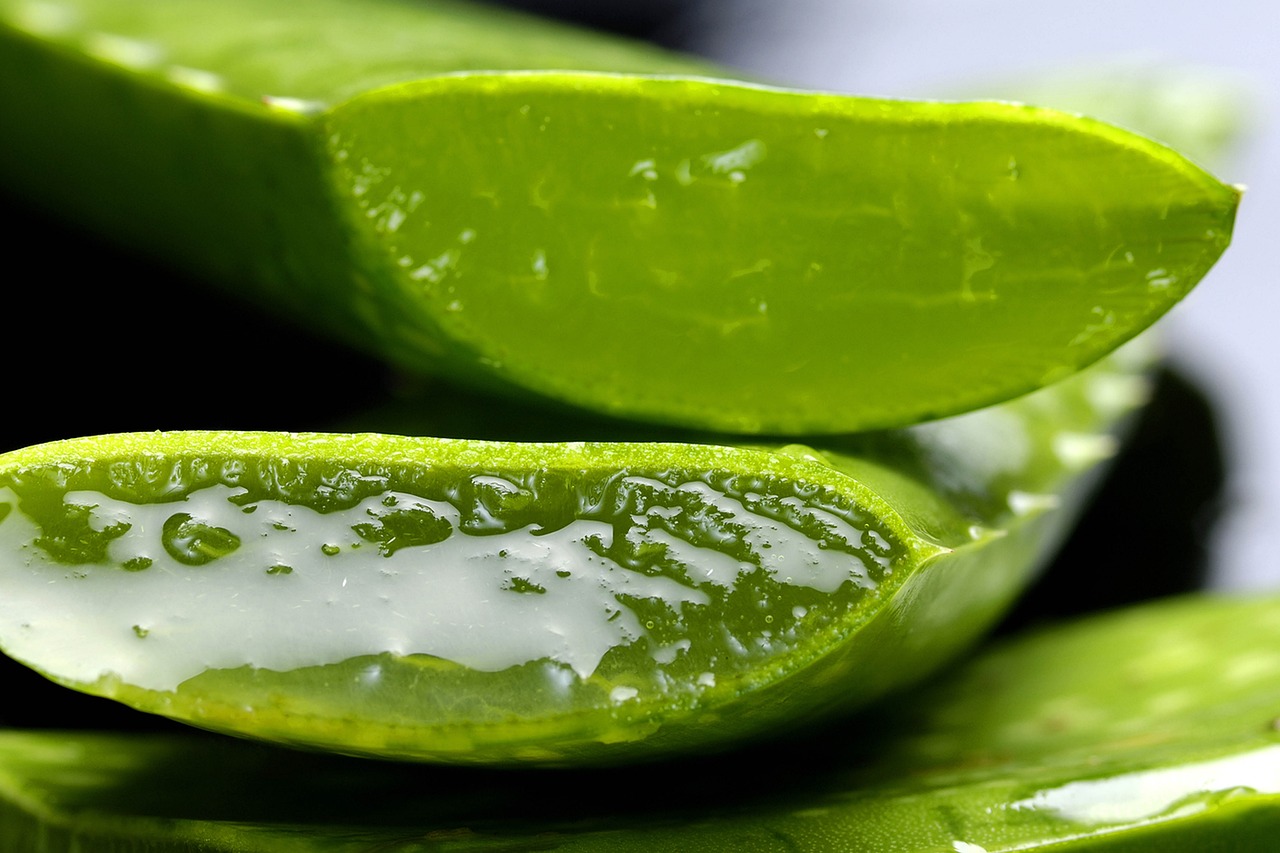
Freshly cut aloe leaves immediately exude a yellowish-brown sap containing latex and aloin, which can act as a skin irritant. Place the cut end downward over a small container or paper towel to let this yellowish fluid drain completely before processing.
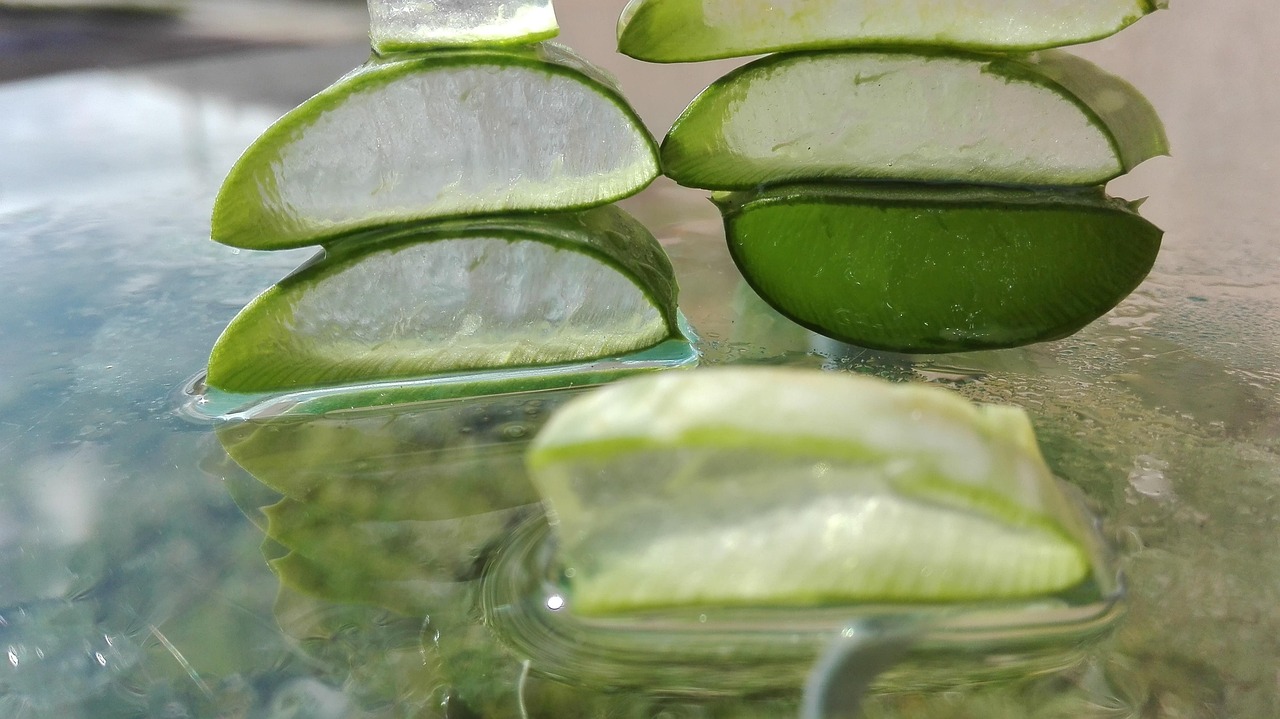
Once the yellow sap drains away, the clear inner leaf gel can be safely exposed by trimming away the thorny margins and slicing open the green outer rind with a clean blade.
Pruning Damaged, Diseased, or Overgrown Foliage
Spotting Rot, Mushiness, and Blemishes
Regular inspection of your potted aloe helps catch physical damage or early signs of rot before they spread through the rosette. Look for translucent, mushy patches, water-soaked tissue, or dark brown lesions near the base of the leaves.
Overwatering or poor drainage is the primary catalyst for basal rot. When tissue turns soft and discolored, immediate pruning is required to halt the spread of decay into the healthy sections of the plant.
Trimming Broken or Bent Tips
Accidental bumps, household pets, or tight spaces can cause long aloe leaves to snap, crease, or break halfway up the blade. These damaged sections cannot heal back into a straight form and often dry out unevenly.
Use clean scissors to trim away the broken portion. You can cut straight across or angle the cut to mimic the natural contour of the leaf tip, allowing the wound to dry and form a protective dry seal.
Disposing of Diseased Plant Material Safely
When pruning away fungal infections, severe rot, or pest-damaged leaves, do not compost the infected debris near other healthy plants. Discard rotting plant parts directly in sealed trash bags.
Sanitize your cutting implements immediately after dealing with diseased tissue to avoid transferring microscopic fungal spores or bacterial agents to other healthy houseplants in your collection.
When managing various indoor tropicals, learning how to cut roots on monstera can help prevent root rot during repotting.
If you are interested in managing other popular indoor greenery, you might also want to learn about cutting roots on monsteras safely.
Propagation Cuts and Offset Separation
Identifying Viable Offsets or Pups
Mature aloe plants naturally produce small offshoot plants, commonly called pups, around their base or along the lower stem. These offsets share the root system of the parent plant but develop their own independent rosettes over time.
To ensure high survival rates during separation, wait until the pup reaches at least three to four inches in height and has developed several independent leaves of its own before attempting a cut.
Severing Pups from the Parent Root System
Gently brush away the top layer of potting mix around the base of the offset to locate where it connects to the main root system or parent stem. Use a sharp, sterilized knife to slice cleanly through the connecting rhizome or tissue.
Try to preserve as many small roots attached to the pup as possible. Cleaner separation points minimize recovery time and help the young offset establish itself quickly in a new container.
Allowing Cuttings and Offsets to Callous
Freshly severed offsets and leaf cuttings possess moist open wounds that are highly vulnerable to soil-borne fungi and bacteria. Place the cut pup in a warm, dry, shaded location for two to seven days.
During this curing period, the cut surface forms a hard, dry callous layer. This protective barrier is essential before placing the offset into dry potting mix to initiate new root growth.
Essential Care Following Cuts: Light, Soil, and Watering
Watering Adjustments After Pruning
Newly cut aloe vera plants require careful moisture management to prevent root and stem rot. Keep the soil completely dry for the first week following any major pruning or offset separation procedure.
Resume very light watering only after the roots have settled or the cut surfaces have fully calloused. Always allow the potting medium to dry out completely between subsequent watering cycles.
Light Requirements for Healing Succulents
Plants recovering from significant pruning require bright, indirect sunlight rather than harsh, direct midday sun. Intense ultraviolet light can stress a weakened or newly cut specimen, increasing moisture loss through transpiration.
Gradually reintroduce the plant to its preferred sunny windowsill after a couple of weeks, ensuring it receives several hours of bright ambient light daily to support steady recovery.
Appropriate Potting Mix and Drainage Considerations
Aloe vera thrives in porous, fast-draining soil formulations designed specifically for cacti and succulents. Standard potting soil retains excessive moisture, which frequently leads to rot following pruning cuts.
Ensure your container features adequate drainage holes at the bottom. Standing water in the saucers or stagnant soil pockets will compromise healing tissues and jeopardize the long-term health of the plant.
Frequently Asked Questions
Can I propagate an aloe vera plant from a single cut leaf?
Unlike some other succulent varieties, aloe vera leaves rarely grow into new plants when cut and placed in soil or water. Most single leaf cuttings simply rot or dry up without generating a central stem or root system. Successful propagation requires separating established basal offsets or pups that already possess their own rudimentary stem structures.
How far down the leaf should I cut when harvesting gel?
You should cut the leaf as close to the main stem as possible without gouging the stem itself. Leaving a long stump on the plant invites fungal decay, while cutting into the stem damages the central rosette. Outer leaves yield the thickest, most mature gel suitable for cosmetic extraction and topical skin application.
What should I do if the cut edge of my aloe starts turning brown?
A slight color change or drying at the cut edge is normal as the plant forms a protective callous layer. However, if the browning turns soft, mushy, or spreads upward toward the main stem, it indicates a rotting infection. In such cases, re-cut the stem higher up into healthy green tissue and let it dry thoroughly.
Is it necessary to use rooting hormone when cutting aloe pups?
Rooting hormone is generally not necessary when separating aloe vera pups because mature offsets naturally generate roots readily once separated and allowed to callous. Keeping the offset in dry, porous succulent soil and providing bright, indirect light is usually sufficient to encourage robust root development without chemical additives.
When is the best time of year to cut and repot aloe vera?
The optimal time for pruning, harvesting, and dividing aloe vera plants is during the active growing season in spring and early summer. During this period, warmer temperatures and increased daylight hours enable the plant to recover quickly from mechanical stress and heal cut surfaces efficiently.
Why is my aloe plant leaking yellow liquid after a cut?
The yellowish liquid that oozes immediately after a cut is natural sap containing aloin and latex compounds, which serve as a natural defense mechanism. This fluid is an irritant to some individuals, so it is recommended to let the leaf drain completely on a paper towel before handling the inner clear gel.