Discover the ideal container dimensions for growing healthy homegrown basil plants successfully. Learn proper sizing rules and depth requirements for abundant culinary harvests on your sunny patio or kitchen windowsill.
Key Takeaway:
A single standard basil plant requires at least an 8-inch container holding 1 gallon of potting mix to maintain healthy root systems and prevent premature bolting during peak summer growth.
Quick-Reference Guide
| Factor / Scenario | Recommended Target | Why It Matters |
|---|---|---|
| Single Plant | 8-inch diameter | Provides 1 gallon of soil volume |
| Multiple Plants | 12-inch diameter | Prevents severe root crowding |
| Soil Depth | At least 8 inches | Accommodates taproot development |
| Drainage Holes | Minimum 3 holes | Prevents fatal root rot issues |
| Material Choice | Terracotta or plastic | Balances moisture retention needs |
| Feeding Schedule | Bi-weekly nutrients | Sustains container nutrient depletion |
Understanding Basil Root Systems and Container Demographics
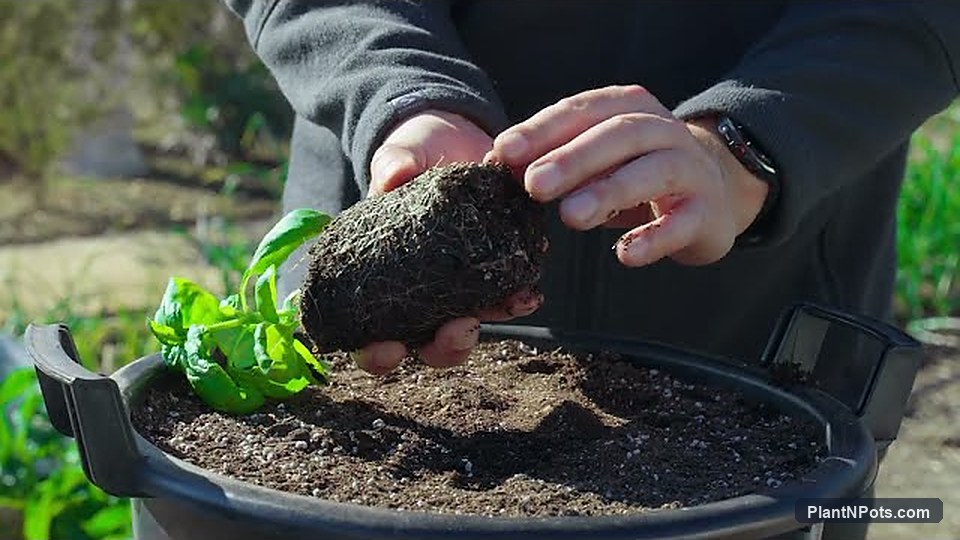
Basil develops a surprisingly deep taproot alongside a robust network of lateral feeder roots. Because of this architectural layout, shallow window boxes frequently stunt growth and trigger early stress responses.
When selecting a suitable container, choosing the right [best pot for indoor basil](https://plantnpots.com/?p=6430) ensures your plants avoid stunted root development while maintaining a steady supply of fresh, aromatic leaves.
Gardeners often underestimate how quickly vigorous herb varieties outgrow nursery starter cells. Upgrading your container at the right time prevents root-bound conditions that ultimately decrease your total aromatic leaf yield.
Commercial potting soil compacts easily over time if containers lack sufficient physical volume. Selecting a 1-gallon minimum capacity guarantees enough structural airspace for optimal oxygen exchange around delicate root hairs.
- Measure container diameter before planting seedlings.
- Avoid extremely wide but shallow bowls.
- Inspect drainage ports for circling roots.
- Prioritize vertical depth over decorative width.
Grouping Multiple Seedlings Together
Planting multiple basil stems in a single pot changes your sizing math significantly. Crowding three plants together demands a 12-inch container to prevent severe underground competition for water and minerals.
Maintaining proper spacing reduces humidity pockets that invite fungal diseases. Give each individual stem at least four inches of breathing room to ensure maximum airflow through dense lower canopies.
- Space stems evenly across the surface.
- Thin weak seedlings early in spring.
Selecting the Right Container Material for Your Herb
Container material heavily influences moisture evaporation rates and root temperature stability. If you plan to [hang pots from ceiling](https://plantnpots.com/?p=4434) brackets, lightweight composite materials prevent excessive structural load while maintaining adequate internal moisture control.
Plastic containers retain moisture far longer than unglazed clay alternatives. While this reduces watering frequency during scorching summer afternoons, it requires diligent monitoring to prevent stagnant, waterlogged soil conditions.
Fabric grow bags offer superior aeration, naturally air-pruning roots to build dense root systems. However, they dry out extremely fast, requiring daily irrigation during extended heatwaves and dry spells.
Glazed ceramic planters combine aesthetic appeal with moderate moisture retention properties. Ensure these decorative vessels feature adequate bottom drainage holes before introducing your sensitive culinary herbs to their new home.
- Match material choice to your local climate.
- Consider weight when moving large planters.
- Clean used containers with mild soap.
- Check for hidden internal glazing layers.
Thermal Mass and Root Protection
Dark-colored plastic pots absorb intense solar radiation, potentially cooking tender root structures during mid-summer heat peaks. Lighter container shades reflect sunlight and maintain safer soil temperatures for active growth.
Insulated double-walled planters shield root zones from extreme thermal fluctuations on concrete balconies. This stabilization prevents sudden shock and encourages continuous, uninterrupted foliage development all season long.
- Elevate pots on pot feet.
- Use light-colored outer wraps.
Video Walkthrough: Potting In
Step-by-Step Repotting Method for Growing Basil
Begin your repotting process by thoroughly watering your basil nursery start an hour beforehand. Hydrated roots experience significantly less transplant shock when transferred into fresh, nutrient-rich container soil mixes.
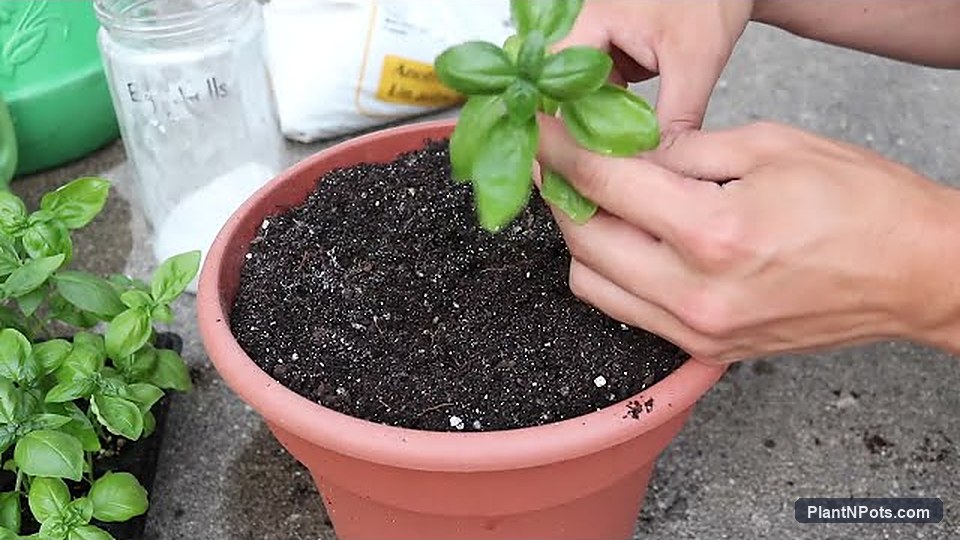
Gently ease the plant from its current container by supporting the main stem base. Loosen tightly wound exterior roots with your fingers to encourage outward growth into the surrounding fresh soil.
Fill your new container partially with a well-draining potting mix. When upgrading beyond standard indoor vessels to [large outdoor flower boxes](https://plantnpots.com/?p=2958), proper soil depth remains vital for robust root establishment.
Backfill carefully around the root mass with additional soil, pressing down gently to eliminate large air pockets. Water the freshly repotted herb deeply until liquid drains freely from the bottom.
- Use loose, peat-free potting mixes.
- Never bury stems below previous levels.
- Water thoroughly immediately after planting.
- Place in partial shade for recovery.
Timing Your Container Upgrades
Spring marks the optimal window for transitioning young plants into permanent summer containers. Transitioning during mild weather allows plants to establish strong root systems before intense summer heat arrives.
Avoid repotting actively flowering basil because energy shifts away from root establishment. Snip off early flower buds to redirect plant resources toward successful container adaptation and recovery.
- Watch for slowed top growth.
- Check bottom drainage holes often.
Drainage Essentials and Soil Moisture Management
Proper drainage remains the single most critical factor for maintaining healthy container basil. Without adequate exit pathways, water accumulates at the bottom, creating anaerobic conditions that quickly cause root rot.
Always verify that your chosen planter features at least three drainage holes before adding soil. Drill extra holes into plastic or fiberglass containers if factory specifications prove insufficient for outdoor use.
Elevate your containers slightly using ceramic pot feet or wooden blocks. This simple action ensures unrestricted water outflow and prevents saucers from reabsorbing expelled moisture back into the soil matrix.
Check soil moisture depth by inserting your index finger two inches deep. Only water when this upper layer feels dry, ensuring your container basil receives consistent yet measured hydration daily.
- Never plug container drainage holes.
- Empty saucer water after thirty minutes.
- Use coarse perlite for aeration.
- Avoid heavy garden dirt compaction.
Troubleshooting Waterlogged Root Zones
Yellowing lower leaves combined with wilted stems usually indicate severe overwatering and poor drainage. Immediately withhold water and inspect the base for clogged exit ports or compacted potting mixes.
Severe root rot requires unpotting the plant, rinsing decayed brown roots, and replanting in sterile media. Trim away damaged sections cleanly with sanitized shears to give surviving roots a chance.
- Sanitize cutting tools before pruning.
- Improve surrounding ambient air circulation.
Long-Term Maintenance and Pruning for Container Herbs
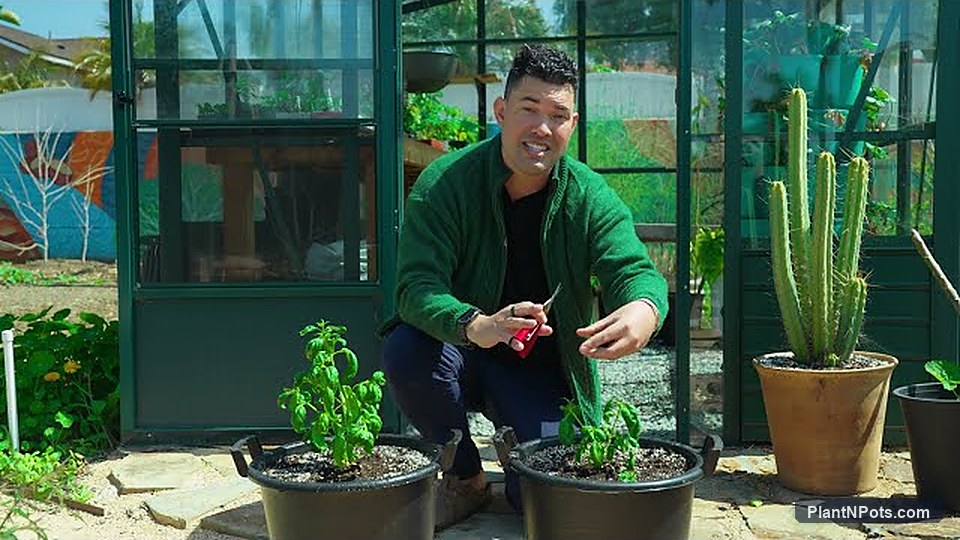
Container-grown basil requires regular fertilizing because watering washes away vital nutrients rapidly. Apply a balanced, water-soluble organic fertilizer every two weeks throughout the active summer growing season.
Frequent harvesting encourages bushier growth rather than tall, spindly stems. Always pinch back main stems just above a pair of lower leaves to stimulate secondary side shoot development efficiently.
Remove any flower spikes immediately upon noticing their appearance to maintain leaf flavor. Flowering causes basil leaves to turn bitter and signals the end of the productive vegetative life cycle.
Rotate your container weekly to ensure even sunlight exposure across all leaf surfaces. Uneven lighting causes lopsided growth patterns and weakens stems on shaded sides of the potted plant.
- Pinch leaves from the top down.
- Remove fallen debris from soil surfaces.
- Inspect undersides for common pest insects.
- Prune aggressively during peak summer.
Managing Seasonal Temperature Shifts
Basil thrives in warm temperatures hovering around 75 degrees Fahrenheit. Bring outdoor containers indoors when nighttime readings drop consistently below fifty degrees to prevent cold shock damage.
Sunny south-facing windowsills provide adequate indoor light during late autumn and winter months. Supplement with full-spectrum grow lights if natural daylight hours fall below six hours daily.
- Keep away from cold drafty doors.
- Monitor indoor humidity levels closely.
Video Walkthrough: How to Grow Basil In Containers – Complete Growing Guide
Common Container Sizing Mistakes and Easy Fixes
Gardeners often select oversized containers, mistakenly believing bigger is always better for herbs. Excess soil volume stays wet too long, suffocating delicate roots before they can establish themselves properly.
Conversely, using tiny decorative containers restricts root expansion and depletes moisture instantly. Scale container size gradually as your plant matures to maintain a healthy balance between root and shoot.
Ignoring the weight of wet potting mix leads to awkward placement on fragile patio shelves. Choose lightweight composite materials for large installations that require frequent seasonal repositioning or indoor relocation.
Skipping the foundational layer of soil preparation results in uneven settling later on. Always firm potting mix gently around root balls to eliminate air pockets and secure sturdy vertical growth.
- Match pot size to plant age.
- Avoid sudden massive container jumps.
- Test lifting weight before watering.
- Keep extra soil supplies on hand.
Correcting Root-Bound Specimens
Root-bound plants push water straight through without absorbing adequate moisture during routine watering. Gently tease matted roots apart and transplant into a slightly larger vessel to restore vitality.
Cut away severely circling roots using sterilized shears if they refuse to untangle. This minor pruning stimulates fresh feeder root growth and rejuvenates stressed, stunted culinary herb specimens.
- Soak root balls before untangling.
- Water deeply after root trimming.
Frequently Asked Questions
Can I plant multiple basil varieties in one pot?
Yes, you can easily combine different basil cultivars within a single 12-inch container to create a diverse culinary herb display.
Just ensure you provide generous spacing of at least six inches and apply balanced liquid fertilizer regularly to support multiple vigorous root systems without causing severe underground competition or nutrient depletion.
What happens if my basil pot is too small?
Using an undersized container severely restricts root expansion, causing your basil to dry out within hours on hot summer days.
This continuous environmental stress quickly triggers premature flowering, turning your aromatic leaves bitter and halting lush foliage production entirely before the season even peaks, forcing you to upgrade containers mid-summer.
Do terracotta pots work well for growing basil?
Terracotta pots work exceptionally well for growing basil because their porous clay walls promote superior aeration and rapid moisture evaporation.
This natural breathability protects sensitive root systems against accidental overwatering and fatal root rot in humid outdoor environments, though you must monitor soil moisture daily during dry spells.
How deep should a basil container be?
A basil container should measure at least eight inches deep to comfortably accommodate the plant's developing taproot and feeder network.
Shallower window boxes or decorative bowls lack the vertical depth required for sustained plant vigor, leading to stunted growth and frequent moisture stress during peak summer heat waves, requiring frequent intervention.
When should I repot my container basil?
You should repot your container basil during the mild spring months when you notice roots emerging from bottom drainage holes or slowing top growth.
Transitioning plants into a larger vessel before summer heat arrives encourages vigorous new stem growth and prevents permanent root-bound stress from ruining your harvest.

