Selecting the correct container prevents root rot and promotes vigorous vine growth. This authoritative guide details exact sizing rules and repotting mechanics.
Key Takeaway:
Always increase your monstera pot diameter by two inches maximum during repotting. Oversizing retains excess moisture, which frequently causes fatal root disease.
Quick-Reference Guide
| Factor / Scenario | Recommended Target | Why It Matters |
|---|---|---|
| Starter Plant | 6 to 8 inches | Prevents soil saturation |
| Juvenile Plant | 10 inches | Accommodates steady growth |
| Mature Specimen | 12 to 16 inches | Provides tipping stability |
| Pot Material | Terra cotta or ceramic | Enhances moisture evaporation |
| Drainage | Mandatory bottom holes | Prevents standing water |
| Repotting Step-Up | 2 inches wider max | Protects root health |
Understanding Monstera Root Systems and Growth Rates
Monstera plants feature thick, fleshy aerial and subterranean roots that demand adequate oxygen flow. Compacted soil or oversized containers quickly suffocate these sensitive structures, leading to rapid decline.
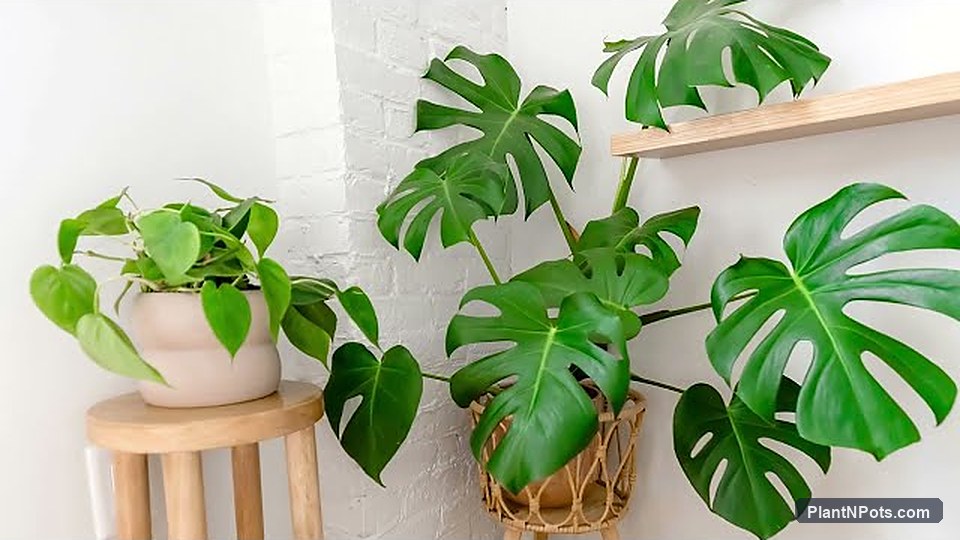
Selecting the [best size pot for monstera](https://plantnpots.com/?p=6664) prevents suffocating sensitive roots while accommodating rapid seasonal growth. Choosing correctly ensures your plant maintains steady vigor without experiencing environmental shock.
Monsteras feature thick, vigorous aerial roots that anchor the plant and absorb ambient moisture, alongside extensive subterranean root networks that demand adequate physical room to prevent severe root circling and soil compaction issues.
During active spring growth phases, healthy specimens can expand their root mass by fifty percent, meaning that selecting an appropriately proportioned container directly prevents premature nutrient depletion and ensures sustained structural development.
- Fleshy roots require exceptional aeration
- Rapid seasonal growth demands space monitoring
- Subterranean systems anchor heavy vines
- Oxygen deprivation causes rapid decay
Root Architecture Fundamentals
Subterranean roots anchor the heavy stem while absorbing essential nutrients and moisture. Meanwhile, upper roots seek surfaces to climb, balancing the overall structural weight.
- Anchor roots support heavy vegetation
- Climbing roots seek vertical mounts
Evaluating Current Container Constraints and Symptoms
Upgrading to quality [best terracotta pots with drainage holes](https://plantnpots.com/?p=1313) lets you easily spot when roots emerge. Checking these exit points confirms your heavy stem needs immediate vessel expansion.
Stunted canopy growth alongside rapid soil drying points directly to root congestion. When watering runs straight through without dampening the medium, the rootball dominates the pot.
Inspect drainage holes regularly to check for thick roots protruding from the bottom, which is a definitive indicator that your tropical houseplant has outgrown its vessel and urgently requires a larger footprint.
If water runs straight through the soil medium without moistening the root ball, or if the foliage wilts rapidly despite frequent watering, the container is likely root-bound and suffocating vital biological processes.
- Check drainage holes for emerging roots
- Monitor soil drying speed after watering
- Look for circling root structures
- Evaluate overall plant canopy vigor
Recognizing Distress Signals
Water running immediately through drainage channels shows the medium is entirely rootbound. Immediate container upgrades restore proper moisture retention and nutrient uptake.
- Rapid water runoff indicates root dominance
- Nutrient deficiencies appear as yellowing leaves
Video Walkthrough: Stop picking the wrong pot size for your Monstera | #CommunityQuestions
Step-by-Step Sizing Guidelines for Young Plants
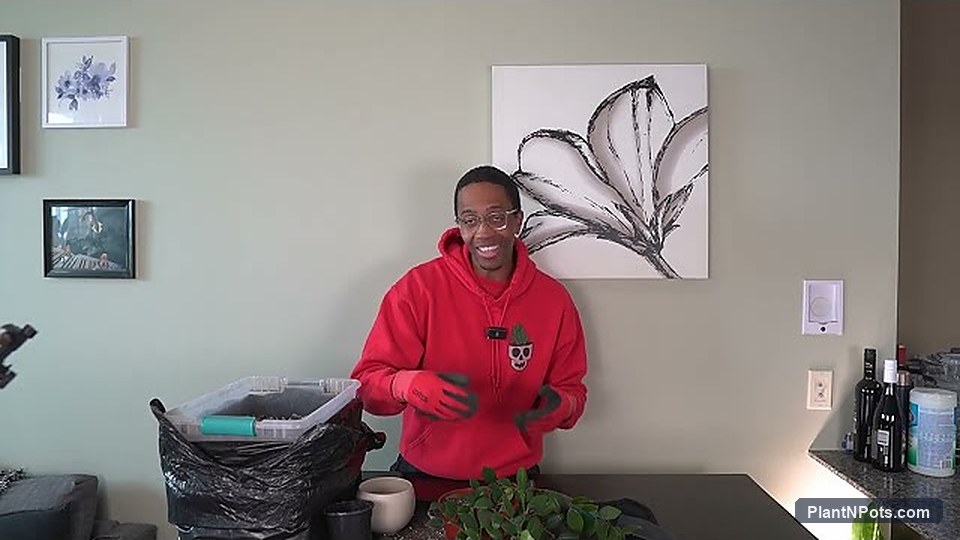
Transitioning juvenile monsteras into the best herb plant pots for kitchen setups or similar sized vessels ensures proper scaling. Keeping increases strictly to two inches prevents dangerous waterlogged zones.
For a six-inch starter plant, immediately stepping up to an eight-inch vessel provides optimal space. Avoid massive leaps that overwhelm the delicate juvenile root infrastructure.
When upgrading juvenile Monsteras, never jump more than two inches in diameter to prevent the excess potting mix from retaining too much moisture, which frequently leads to fatal stem and root rot.
Transitioning a four-inch starter specimen directly into a ten-inch pot creates an aquatic hazard where unused soil sours, so stick to a measured progression utilizing six-inch containers for the next developmental cycle.
- Gradual sizing prevents excess moisture retention
- Two-inch increases protect delicate root zones
- Avoid oversized pots for young specimens
- Match pot volume to root mass
Managing Juvenile Transitions
Young vines double in size quickly under proper lighting and feeding regimens. Regular two-inch container increments support rapid foliage development without shocking the plant.
- Consistent increments support steady foliage
- Protect delicate roots during changes
Managing Mature Monsteras in Large Floor Planters
Mature specimens require sturdy floor planters ranging from twelve to sixteen inches in diameter to prevent tipping. Heavy stems demand substantial bottom-weighted stability features.
Once your monstera reaches mature floor size, you can simply refresh the topsoil annually. This eliminates the need for impossible container upgrades every single season.
Large floor specimens require heavy containers with a wide base to counterbalance their top-heavy foliage, ensuring the entire structural assembly remains stable when vines climb up moss poles or trellises.
Consider utilizing rolling plant caddies beneath massive fourteen-inch or larger planters to facilitate safe relocation during seasonal cleaning routines without straining your back or damaging delicate flooring materials.
- Floor planters provide heavy counterweights
- Annual topsoil refreshing replaces repotting
- Secure tall stems with sturdy stakes
- Select durable materials for large sizes
Heavy Container Strategies
Very large floor vessels become immovable once fully filled with wet potting mix. Position your heavy planter permanently before adding soil and the main plant.
- Position heavy pots prior to filling
- Use rolling plant caddies for mobility
Selecting Ideal Materials for Drainage and Stability
Unglazed terra cotta pots offer superior breathability, allowing moisture to evaporate rapidly through porous clay walls. This material actively prevents chronic root rot in indoor environments.
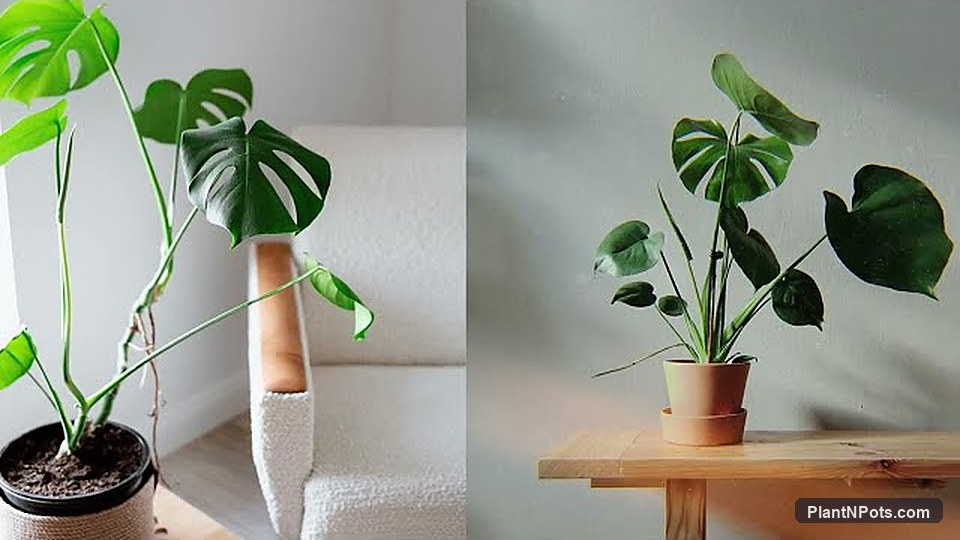
Heavy ceramic or concrete planters provide necessary counterweight for top-heavy climbing vines. Always verify that any chosen decorative vessel features operational bottom drainage holes.
Terracotta containers offer exceptional breathability and porosity, allowing excess moisture to evaporate through the walls while providing the heavy weight needed to anchor fast-growing tropical climbing vines securely.
Plastic and fiberglass options retain moisture much longer and reduce overall lift weight, making them excellent choices for indoor gardeners who prefer frequent restructuring or live in arid climate zones.
- Terra cotta enhances breathability
- Ceramic adds necessary weight
- Always verify operational drainage holes
- Porous walls reduce moisture stress
Evaluating Plastic Versus Clay
Plastic pots retain moisture significantly longer than clay alternatives, altering your watering schedule. Adjust your hydration routines based strictly on your chosen pot material.
- Plastic retains moisture for extended periods
- Clay accelerates soil drying rates
Video Walkthrough: What Size Pot Does a Monstera Need?
Essential Post-Repotting Care and Water Management
After repotting your monstera into a properly sized container, water thoroughly until liquid escapes the base. Allow the top two inches of soil to dry completely before repeating.
Refrain from applying commercial fertilizers for at least six weeks following a container change. Fresh potting mixes contain adequate baseline nutrients for recovering root systems.
Water your newly transplanted Monstera thoroughly until liquid drains freely from the base, settling the fresh soil matrix around the roots and eliminating any large air pockets that could cause stress.
Keep the plant in bright, indirect light for two weeks following the move, withholding all fertilizer applications to protect recovering root systems from chemical burns while they adjust to their new environment.
- Water thoroughly after container changes
- Let topsoil dry between watering sessions
- Delay fertilizing for six weeks
- Monitor for signs of transplant shock
Minimizing Transplant Shock
Keep newly repotted monsteras in bright, indirect light while roots re-establish themselves. Avoid placing stressed plants directly into harsh midday sunbeams.
- Provide bright indirect light initially
- Avoid intense direct sun exposure
Frequently Asked Questions
How do I know if my monstera pot is too small?
Roots circling the interior surface or emerging through drainage holes clearly indicate overcrowding. Slowed leaf development also signals an urgent need for container upgrading.
Can I put a small monstera in a large pot?
Never place small monsteras in oversized containers because excess soil retains moisture too long. This common mistake frequently causes fatal root rot conditions.
Should I remove old soil when repotting?
Gently brush away loose, depleted soil from the outer rootball without damaging delicate structures. Retaining some inner core soil helps minimize transplant shock significantly.
Do monsteras prefer snug or roomy pots?
Monsteras prefer slightly snug pots that restrict rapid soil saturation. Maintaining a tight fit encourages energy allocation toward magnificent leaf fenestrations instead of roots.
What happens if I skip repotting a rootbound monstera?
Severely rootbound plants suffer from nutrient deficiency and stunted growth due to lack of space. Eventually, the plant may topple over from structural top-heaviness.

