Choosing the right container material dictates long-term plant health. This technical guide compares terracotta and ceramic options.
Key Takeaway:
Terracotta breathes while ceramic seals moisture. Match container porosity to your specific watering habits and plant species requirements to prevent root rot or dehydration.
Quick-Reference Guide
| Factor / Scenario | Recommended Target | Why It Matters |
|---|---|---|
| Moisture Control | Terracotta | Porous clay walls speed evaporation for arid lovers. |
| Water Retention | Glazed Ceramic | Sealed glaze locks in moisture for tropical plants. |
| Winter Hardiness | Thick Ceramic | Vitrified finishes resist freeze-thaw cracking cycles. |
| Base Stability | Heavy Clay | Heavy weight prevents top-heavy plants from tipping. |
| Aesthetic Patina | Terracotta | Mineral salts form a rustic chalky exterior finish. |
| Cleaning Ease | Glazed Ceramic | Smooth surfaces wipe clean of dust and algae easily. |
Material Composition and Micro-Porosity
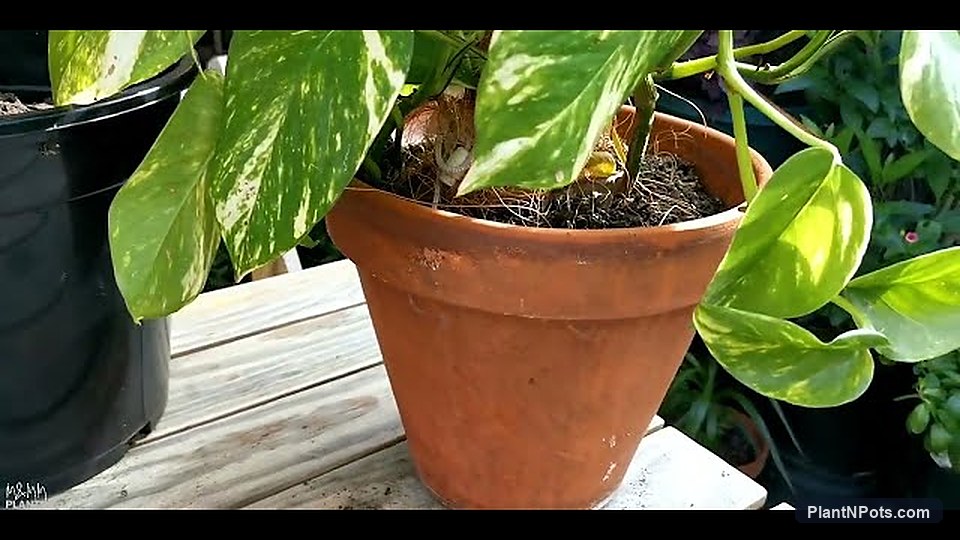
Terracotta containers consist of unglazed, fired porous clay. This natural structure allows air and moisture to pass freely through the container walls, promoting exceptional oxygen exchange around the root zone.
Ceramic planters feature a dense clay body finished with a baked outer glaze. This impermeable barrier completely stops moisture evaporation through the sides, keeping the internal growing medium wet much longer.
Manufacturing temperatures dictate ultimate durability. Terracotta is typically fired at lower kiln settings, leaving microscopic air pockets, whereas ceramics endure higher heat vitrification that closes all internal pores.
Selecting the [best terra cotta urn planter](https://plantnpots.com/?p=1311) requires evaluating these foundational material differences. Manufacturing temperatures dictate ultimate durability, helping you choose containers that align safely with your local climate and daily care routine.
- Terracotta porosity facilitates natural air pruning for roots.
- Glazed ceramics prevent rapid soil drying in hot environments.
- Unfired clay origins give terracotta its classic reddish hue.
- Ceramic glazes offer limitless color and texture variations.
Firing Temperatures and Structural Density
Kiln heat levels directly alter the hardness and absorption rate of finished containers. Low-fire clay remains vulnerable to frost expansion, while fully vitrified ceramics resist winter cracking effectively.
Testing absorption involves placing a water droplet on unglazed surfaces. Terracotta quickly absorbs the drop, whereas ceramic glazes repel water entirely, leaving droplets resting on the slick exterior.
- Check bottom drainage holes for unglazed clay indicators.
- Vitrified ceramics withstand freezing temperatures when thick.
Moisture Retention and Irrigation Dynamics
To manage rapid moisture loss, pairing standard clay with the best planter with water reservoir helps maintain consistent hydration. Unlike porous clay walls that release moisture instantly, these systems actively support thirsty plants.
Ceramic pots trap water efficiently inside the root ball. This characteristic benefits moisture-loving tropical ferns, but it frequently creates dangerous waterlogged conditions for drought-tolerant succulents.
Soil dry-down speeds influence nutrient uptake significantly. Faster drying in terracotta prevents root suffocation, while sustained moisture in ceramics requires careful substrate selection using perlite and bark.
Adjusting your irrigation routine prevents overwatering mistakes. Always check soil moisture several inches deep rather than relying on surface appearance when managing glazed ceramic containers.
- Evaporative cooling lowers root zone temperatures in terracotta.
- Water retention in ceramics reduces weekly watering frequency.
- Moisture meters help track deep soil saturation levels accurately.
- Perched water tables develop faster in non-porous containers.
Substrate Adjustments for Different Materials
Container-grown plants need tailored soil mixes based on pot permeability. Use heavy peat mixes in ceramics, but rely on fast-draining, coarse media blends inside porous terracotta vessels.
Adding expanded clay or pumice improves aeration in heavy ceramic setups. Conversely, standard potting compost works well in terracotta if local humidity remains moderately high year-round.
- Incorporate horticultural charcoal for improved drainage balance.
- Avoid dense garden soil in all indoor containers.
Video Walkthrough: Terracotta or Ceramic: Which is Better for Succulents? #Succulents #CareTips #Terracotta #Ceramic
Weight Profiles, Stability, and Ergonomics
Physical pot weight impacts everyday handling and transport safety. Terracotta units tend to be heavy, providing a sturdy base that prevents tall, top-heavy plants from tipping over easily.
Large ceramic planters can become exceedingly heavy after saturation. Maneuvering them across indoor flooring requires wheeled caddies to protect surfaces and prevent severe lower back strain during maintenance.
Center of gravity calculations matter for outdoor container arrangements on windy balconies. Heavy clay and ceramic pots withstand strong gusts better than lightweight plastic alternatives.
Ergonomic lifting techniques prevent sudden injuries during seasonal repotting sessions. Bend your knees and utilize furniture sliders rather than twisting your torso when shifting large containers indoors.
- Base stability keeps large ornamental trees upright outdoors.
- Pot weight demands careful planning for elevated plant stands.
- Felt pads protect delicate indoor hardwood floors from scratches.
- Wheeled plant caddies simplify repositioning heavy specimen pots.
Safe Transport and Handling Protocols
Lifting heavy planters requires two people for pots exceeding twenty pounds. Never hoist containers by their decorative rims or delicate handles to avoid sudden structural failure and breakage.
Inspect container bottoms regularly for hairline structural fractures before moving them. Damaged pots can shatter unexpectedly when subjected to the added weight of wet soil and plants.
- Support pot bases firmly with both hands during transit.
- Clear pathways of tripping hazards before moving heavy specimens.
Thermal Insulation and Root Protection
Soil temperature fluctuations affect root metabolism and nutrient absorption capacity. Terracotta walls offer moderate thermal insulation, though rapid evaporation can cool root zones faster in breezes.
Dark glazed ceramics absorb intense solar radiation on sunny patios. This trapped heat can warm the internal root zone excessively, cooking delicate feeder roots during peak summer afternoons.
Insulating winter roots requires careful material consideration in freezing zones. Standard terracotta cracks easily when trapped moisture freezes, making thick, frost-proof ceramics a safer cold-weather choice.
Monitoring root zone temperatures prevents hidden stress responses during seasonal shifts. Use light-colored or reflective ceramic containers in hot climates to minimize dangerous solar heat absorption.
- Thermal buffering protects roots from extreme temperature spikes.
- Solar absorption varies widely between light and dark glazes.
- Winter freeze-thaw cycles destroy unsealed porous clay pots.
- Double-potting techniques provide extra thermal insulation outdoors.
Managing Seasonal Temperature Extremes
When upgrading your patio setup, choosing the best extra large terracotta pots ensures proper root insulation. These heavy clay vessels naturally moderate soil temperatures against intense summer heat before winterizing.
Winterizing outdoor containers prevents costly cracking and plant loss. Move vulnerable terracotta indoors before the first hard freeze or wrap them securely in insulating bubble wrap.
- Elevate pots on pot feet to prevent winter ice bonding.
- Store empty terracotta pots in dry indoor locations.
Aesthetic Evolution and Weathering Traits
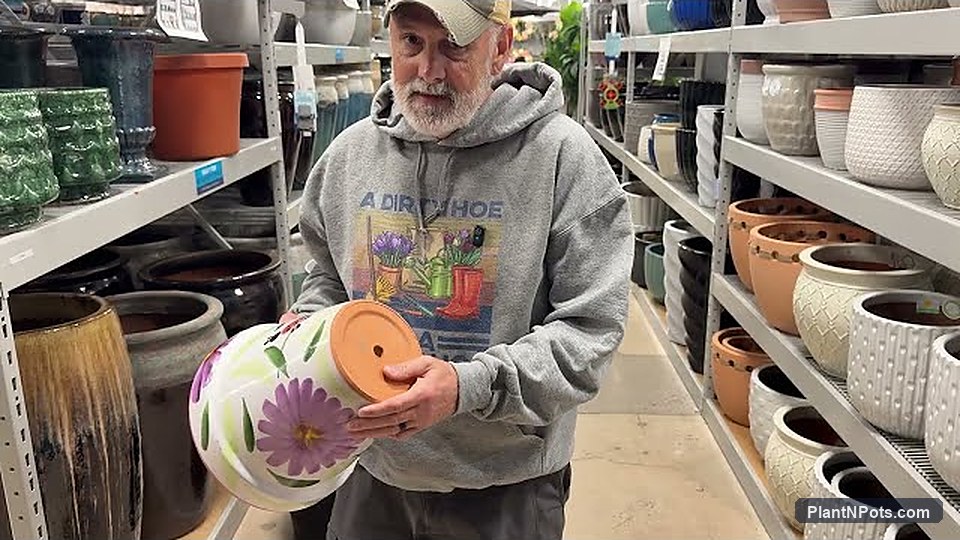
Natural patina development is a hallmark characteristic of traditional terracotta. Mineral salts from water and fertilizers seep through the clay walls, creating a charming, chalky white exterior finish.
Ceramic finishes maintain their pristine appearance for many years. The protective glass glaze prevents mineral salt accumulation, ensuring the color and sheen remain completely unchanged over time.
Cleaning mineral deposits off terracotta requires gentle scrubbing with vinegar solutions. Accept that some weathering is inevitable and often prized by gardeners seeking rustic visual charm.
Matching container aesthetics to interior design themes enhances overall decor harmony. Terracotta complements rustic settings, while glossy ceramics fit modern minimalist living spaces exceptionally well.
- Patina formation adds vintage character to aging clay pots.
- Glaze durability preserves rich colors without fading outside.
- Mineral efflorescence can be scrubbed off with stiff brushes.
- Crackle glazes require gentle handling to prevent staining.
Preserving and Cleaning Container Finishes
Regular pot maintenance keeps container gardens looking neat and vibrant. Wipe glazed ceramic surfaces with a damp cloth to remove dust and maintain their brilliant reflective shine.
Sterilizing used containers between planting cycles prevents pathogen transfer. Wash pots thoroughly in a mild bleach solution, then rinse them completely before adding fresh potting mix.
- Scrub interior walls to remove residual root systems.
- Air-dry washed containers completely in direct sunlight.
Selection Criteria for Specific Plant Groups
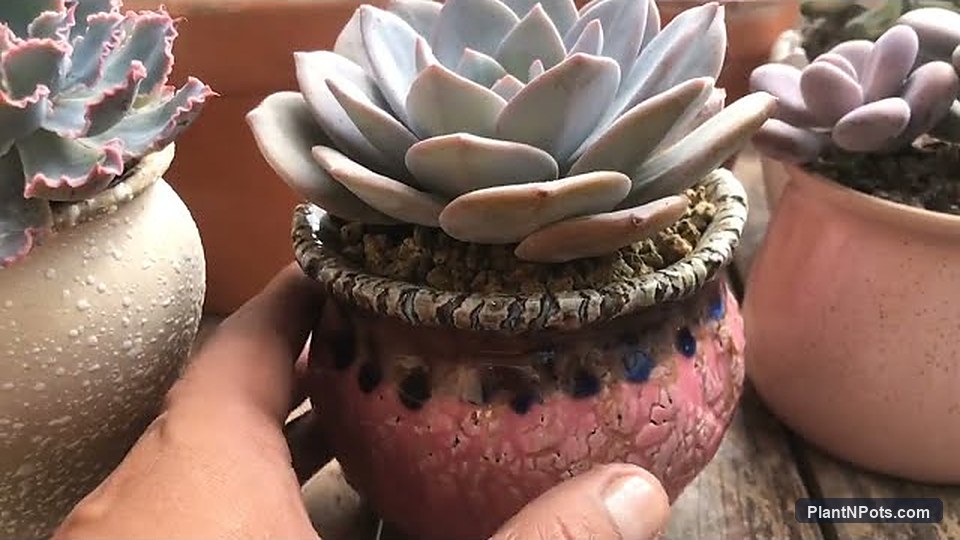
Cacti and succulents thrive inside breathable terracotta containers. The rapid soil drying cycle mimics their native arid environments, successfully preventing fatal root rot and fungal infections.
Tropical indoor foliage plants prefer moisture-retentive ceramic pots. Species like calatheas and ferns appreciate steady hydration levels that glazed non-porous containers provide throughout the week.
Matching plant biology to container physics guarantees long-term cultivation success. Assess your watering habits honestly before choosing between porous clay and sealed ceramic vessels.
Herb gardens perform admirably in breathable rectangular terracotta window boxes. Adequate side aeration prevents stagnant soil conditions that often plague culinary herbs grown indoors.
- Succulent preferences favor unglazed, fast-drying terracotta pots.
- Tropical demands require moisture-holding glazed ceramic planters.
- Mediterranean herbs love sunny spots in porous clay.
- Epiphytic orchids need specialized slotted pots for airflow.
Matching Drainage Needs to Pot Types
Proper drainage holes remain non-negotiable for all healthy container plants. Ensure both terracotta and ceramic pots feature functional bottom apertures to allow excess irrigation water to escape.
Placing mesh screens over drainage holes prevents soil loss during watering. This simple step keeps your plant display clean while maintaining optimal water flow out of the container.
- Drill unglazed ceramic pots carefully with masonry bits.
- Never plug drainage holes with solid rocks or pebbles.
Long-Term Care, Maintenance, and Storage
Off-season pot storage protects fragile vessels from winter damage. Empty soil out of terracotta containers and store them upside down in a dry shed to prevent moisture accumulation.
Inspecting ceramics for hairline cracks prevents sudden structural failures later. Discard compromised pots immediately to avoid unexpected breakage during critical watering or repotting phases.
Reconditioning older pots restores their structural integrity and visual appeal. Soak unglazed clay in clean water before planting to prevent dry walls from pulling moisture from fresh soil.
Practicing good container hygiene minimizes pest and disease outbreaks. Thorough sanitization eliminates dormant insect eggs and fungal spores lurking within microscopic surface textures.
- Winter storage saves unglazed clay from frost shattering.
- Soil prep prevents dry pots from robbing plant moisture.
- Sanitize surfaces using standard household disinfectant dilutions.
- Check saucer trays frequently for standing stagnant water.
Troubleshooting Common Container Issues
White salt crusts on terracotta indicate fertilizer and mineral buildup. Scrub these deposits away gently using a stiff nylon brush and a mild water-vinegar cleaning solution.
Algae growth on damp clay surfaces signals excessive ambient humidity. Improve surrounding air circulation and allow the pot exterior to dry completely between regular irrigation cycles.
- Scrape away surface algae with a dull putty knife.
- Reduce indoor humidity around vulnerable decorative planters.
Frequently Asked Questions
Do terracotta pots dry out soil faster than ceramic pots?
Terracotta breathes through unglazed porous clay walls, causing internal soil moisture to evaporate much faster than in sealed ceramic containers.
Consequently, plant species housed in these breathable terracotta vessels require significantly more frequent irrigation schedules during warm summer months to prevent sudden drought stress, wilting, and foliage desiccation.
Can ceramic pots crack during freezing winter weather?
Vitrified ceramic pots withstand cold temperatures well if they are fully sealed and fired at high temperatures. However, low-fire ceramic pots with unglazed interiors can absorb moisture, freeze, and shatter outdoors during severe winter freeze-thaw cycles.
Which material is best suited for growing delicate succulents?
Ungraded terracotta containers provide the ultimate growing environment for drought-tolerant succulents and cacti. Their porous nature promotes rapid dry-down cycles that prevent standing water from accumulating around sensitive root systems.
How can I remove white mineral buildup from terracotta pots?
Mineral salt crusts form naturally on aging clay pots from fertilizers and hard water. Scrub these chalky deposits away using a stiff nylon brush dipped in a fifty-fifty mixture of water and white vinegar.
Do glazed ceramic pots require different soil mixes than terracotta?
Glazed ceramic planters retain moisture much longer, necessitating fast-draining, coarse substrate formulations rich in perlite and bark. Conversely, terracotta pots accommodate standard peat-based potting composts safely due to their superior sidewall evaporation.

