Master the precise art of shifting your cyclamen into fresh containers. Proper techniques ensure vibrant blooms and healthy tubers.
Key Takeaway:
Always keep the upper third of the cyclamen tuber exposed above the soil line to prevent fungal rot and stem decay during repotting.
Quick-Reference Guide
| Factor / Scenario | Recommended Target | Why It Matters |
|---|---|---|
| Soil pH Range | 6.0 to 6.5 | Ensures optimal nutrient and iron absorption. |
| Pot Sizing | 1 to 2 inches wider | Prevents soil souring and excess moisture. |
| Dormancy Timing | Late summer | Minimizes severe transplant shock. |
| Watering Depth | Around pot edges | Protects central tuber crown from rot. |
| Drainage Features | Multiple bottom holes | Prevents waterlogged root zones. |
| Indoor Light | Bright indirect light | Encourages vigorous floral displays. |
Understanding Cyclamen Growth Cycles and Repotting Timelines
Recognizing your cyclamen's natural cycle is vital before disturbing the root system. Most plants experience dormancy during the hot summer months, making late summer the absolute best window for refreshing containers.
During this resting period, foliage yellows and dies back naturally. Do not panic if your plant appears completely dead; the subterranean tuber remains very much alive beneath the dry potting medium.
Waiting for this specific transition phase minimizes severe transplant shock. Active growth cycles demand uninterrupted energy, so disturbing a blooming plant often causes premature bud drop and structural stress.
Assessing overall plant health before touching the container prevents wasted effort. If roots circle tightly or soil smells sour, plan your repotting session immediately following the natural dormancy break.
- Watch for natural leaf yellowing in late spring.
- Allow foliage to dry out completely before handling.
- Schedule container upgrades during the summer rest.
- Never disturb plants producing active winter blooms.
Recognizing Natural Dormancy Indicators
Spotting early visual cues saves your specimen from accidental destruction. Drooping leaves combined with slower growth signify the plant is preparing for its annual resting phase indoors.
Reduce watering gradually as these signals appear, allowing the root zone to dry. Cutting back moisture triggers the protective dormancy response safely without shocking the sensitive tuber.
- Observe gradual leaf drop closely.
- Withhold heavy fertilizers entirely.
Selecting the Right Container, Pot Size, and Drainage Features
Choosing an appropriate vessel protects your cyclamen from excess moisture retention. Select a container only one to two inches wider than the existing root ball to prevent soil souring.
Terracotta pots provide superior breathability, allowing moisture to evaporate through porous clay walls. This natural evaporation protects the sensitive tuber from prolonged dampness and fungal stem rot.
Plastic and glazed ceramic planters retain water significantly longer than unglazed clay. If you prefer decorative glazed pots, ensure the inner nursery liner features multiple unobstructed drainage holes.
Never skip saucer management or drainage checks when setting up your new container. Stagnant water sitting in saucers invites root diseases, completely undermining your careful repotting efforts.
- Prioritize containers with large bottom drainage holes.
- Match pot size tightly to the root ball.
- Utilize breathable terracotta for humid environments.
- Avoid oversized pots that retain excess moisture.
Evaluating Drainage Requirements
Proper drainage infrastructure prevents waterlogged soil from suffocating delicate roots. Choosing the right planter with a water reservoir ensures your root systems receive consistent hydration without sitting in stagnant pools.
Avoid placing heavy gravel layers at the bottom of containers. Physics dictates that perched water tables actually rise when coarse stones interrupt fine potting soil textures.
- Cover drainage holes with fine mesh.
- Skip useless bottom gravel layers.
Video Walkthrough: Repotting a cyclamen
Formulating the Ideal Soilless Potting Mix for Tubers
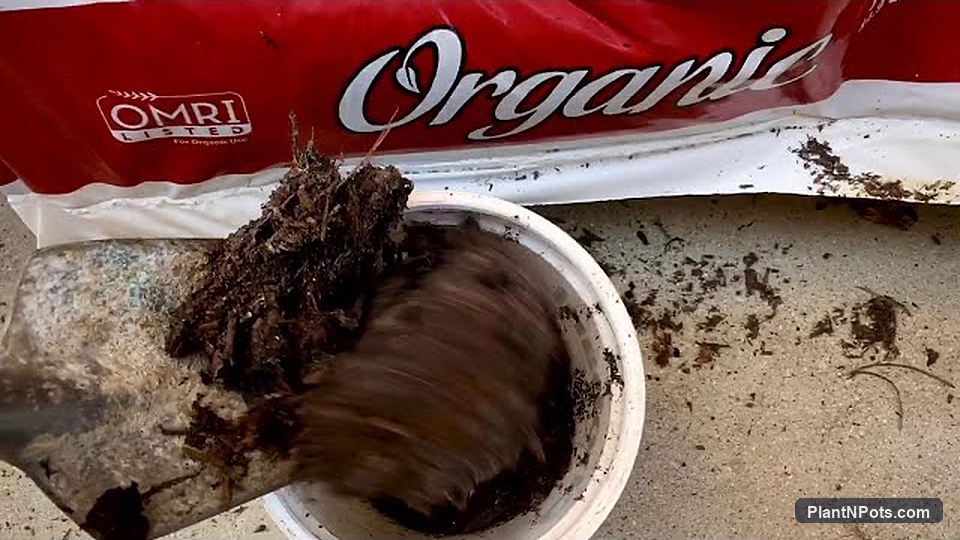
Cyclamen demand a remarkably well-draining, nutrient-rich medium to thrive indoors. Standard heavy garden soil retains far too much moisture, suffocating the tuber and promoting fatal fungal pathogens.
Combine equal parts peat-free compost, coarse perlite, and aged leaf mold. This balanced blend provides essential organic matter while guaranteeing rapid drainage and optimal aeration around the root zone.
Maintain a slightly acidic pH range of 6.0 to 6.5 for optimal nutrient absorption. Testing your custom mix beforehand ensures your cyclamen absorbs iron and micronutrients efficiently.
Sterilize any reused ingredients to eliminate hidden pests, fungal spores, and weed seeds. Clean growing media creates a safe foundation for your newly divided or upgraded cyclamen specimens.
- Mix coarse perlite for enhanced aeration.
- Use peat-free compost for environmental sustainability.
- Target a slightly acidic soil pH.
- Avoid dense native garden soils entirely.
Blending Organic Amendments
Incorporate leaf mold carefully to mimic the natural woodland floor habitat of wild cyclamen. This ingredient enriches the texture without making the final potting medium overly dense.
Inspect all commercial ingredients before combining them into your custom container blend. Freeing your mix of debris prevents root compaction and encourages vigorous root exploration.
- Add leaf mold for natural woodland textures.
- Verify ingredient sterility before mixing.
Step-by-Step Practical Method for Safely Extracting Your Plant
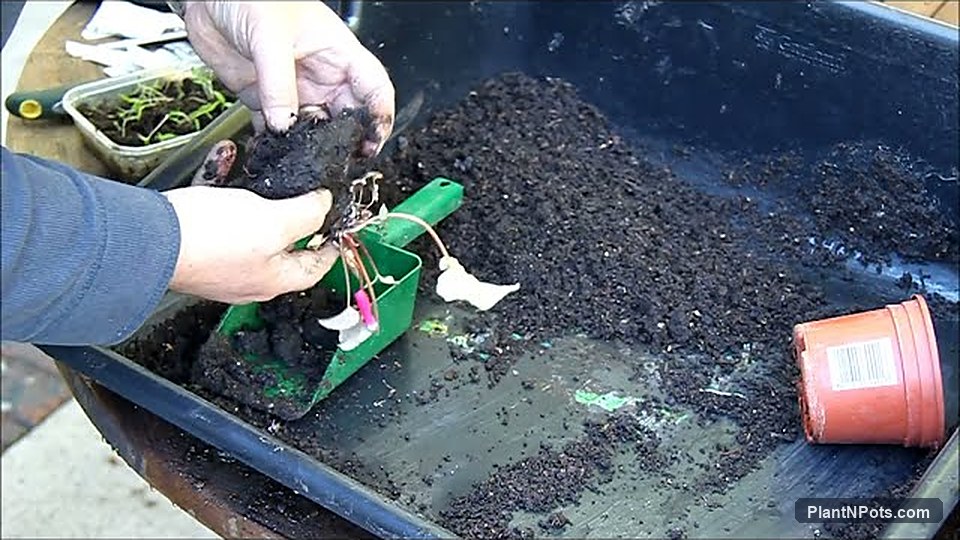
Begin the extraction process by gently tipping your current container sideways. Support the foliage base with one hand while tapping the outer rim firmly to loosen compacted roots.
Slide the root ball outward smoothly without yanking fragile stems or petioles. If the plant resists, run a dull knife around the inner pot edge to break suction safely.
Tease away old, exhausted potting medium using your fingers or a soft brush. Inspect the exposed root system thoroughly for signs of decay, insect damage, or discoloration.
Trim away any dead, mushy, or circling roots using sterilized pruning shears. Transfer your pruned specimen into clean [terracotta pots with drainage holes](https://plantnpots.com/?p=1313) to promote optimal oxygen exchange.
- Tap pot edges to release compacted roots.
- Brush away exhausted old potting soil.
- Snip dead roots with sterile shears.
- Inspect tubers for soft rot spots.
Cleaning and Inspecting Root Health
Wash away stubborn old soil under a gentle lukewarm tap if roots are heavily bound. This clears away accumulated mineral salts that might otherwise burn tender new feeder roots.
Examine the main tuber structure for any soft, discolored, or sunken patches. Promptly excise compromised tissue with a sterile blade before potting up the specimen.
- Rinse roots gently with lukewarm water.
- Cut away all soft or discolored tissue.
Positioning and Setting the Tuber Correctly in Fresh Soil
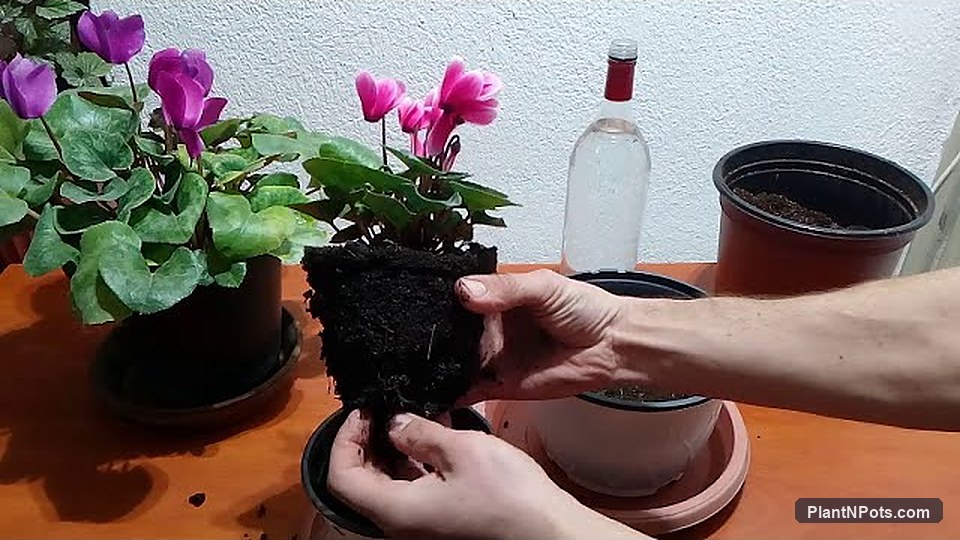
Proper depth placement is the single most critical factor in cyclamen cultivation. Set the tuber so that the upper third remains exposed above the fresh soil surface line.
Burying the crown entirely invites moisture accumulation, leading rapidly to catastrophic stem rot. Keep the top eye level visible to encourage healthy leaf and flower bud emergence.
Fill fresh potting mix around the lower roots, gently firming the medium. Avoid pressing down too aggressively, as delicate root hairs require loose, oxygen-rich pockets to establish.
Tap the container lightly on your workbench to settle loose soil particles naturally. This simple action eliminates large air pockets without compressing the newly formulated potting medium destructively.
- Keep top tuber surface above soil.
- Leave growth eyes completely uncovered.
- Firm potting mix gently around roots.
- Settle soil by tapping pot walls.
Securing Tuber Stability
Anchor top-heavy tubers securely so the plant does not wobble in its container. Unstable specimens struggle to push out new roots and frequently fail to establish properly.
Add a thin layer of decorative gravel around the soil surface if stability remains an issue. This keeps the tuber upright without burying its sensitive central crown.
- Ensure the tuber remains completely stable.
- Use surface gravel sparingly if needed.
Video Walkthrough: Repotting The Cyclamen
Identifying and Correcting Common Repotting Errors
Many growers accidentally bury the tuber too deep beneath the soil line. Correct this mistake immediately by scraping away excess media until the upper crown breathes freely.
Overwatering freshly repotted specimens frequently causes sudden collapse and stem mushiness. Allow the top inch of soil to dry completely before applying any moisture to the roots.
Using overly large pots creates chronic moisture retention issues in the root zone. Downsize the container immediately if your cyclamen shows signs of yellowing from waterlogged soil.
Neglecting tool sterilization introduces harmful pathogens into fresh wounds. Always wipe your pruning blades with rubbing alcohol before trimming roots or removing damaged foliage during repotting.
- Expose buried tubers to prevent rot.
- Withhold heavy watering after container shifts.
- Avoid excessively large replacement pots.
- Disinfect all cutting tools thoroughly.
Troubleshooting Soil Souring
Sour soil smells indicate anaerobic conditions caused by poor drainage and excessive watering. Repot the plant into a fresh, porous medium immediately to save the damaged root system.
Improve ambient airflow around struggling containers to speed up surface evaporation rates. Consistent air movement prevents stagnant microclimates from forming around foliage bases.
- Fix sour soil with a fresh repotting session.
- Increase ambient airflow around pots.
Post-Repotting Water Management and Long-Term Maintenance
Water your newly repotted [cyclamen in hanging baskets](https://plantnpots.com/?p=5105) sparingly until fresh top growth appears. Apply moisture around pot edges rather than directly over the tuber crown to prevent rot.
Place your container in bright, indirect light away from harsh afternoon sun rays. Cool indoor temperatures between 50 and 65 degrees encourage vigorous, long-lasting floral displays.
Feed your established plant with a balanced, diluted liquid fertilizer every month during active growth. Withhold all nutrients entirely when the plant enters its summer resting phase.
Monitor humidity levels carefully, avoiding stagnant air environments that encourage fungal issues. Good air circulation keeps your cyclamen healthy throughout its entire indoor growing lifecycle.
- Water around edges, avoiding crowns.
- Provide cool temperatures and bright light.
- Feed monthly during active growth phases.
- Ensure good indoor air circulation.
Seasonal Care Adjustments
Transition your watering routine as seasons change from active winter growth to summer rest. Lower moisture levels gradually to signal the natural dormancy transition without stressing the plant.
Resume regular watering schedules only after new autumn leaf shoots emerge from the tuber. Patience during this seasonal switch ensures reliable blooms year after year.
- Adjust moisture levels seasonally.
- Wait for autumn shoots before heavy watering.
Frequently Asked Questions
When is the ideal time of year to repot an indoor cyclamen?
You should always repot your cyclamen during its natural summer dormancy period right after the foliage dies back completely. This strategic timing minimizes severe transplant shock and prepares the resting tuber for vigorous autumn growth cycles without risking active blooms.
Why must the top of the cyclamen tuber remain exposed above soil?
Keeping the upper third of the cyclamen tuber exposed prevents moisture from pooling directly around the vital central growth crown.
Burying this sensitive area invites rapid fungal pathogens and fatal stem rot that quickly destroys the entire container specimen over time.
What type of potting mix works best for container-grown cyclamen?
Cyclamen require a remarkably well-draining, slightly acidic soil blend that prevents dangerous waterlogging around the sensitive root structure. Combine equal parts peat-free compost, coarse perlite, and aged leaf mold to create the ultimate custom growing environment indoors.
How should I water my cyclamen immediately after completing a repotting session?
Water your newly repotted plant very sparingly until fresh top growth clearly indicates successful root establishment. Apply moisture carefully around the outer pot edges rather than directly over the tuber crown to prevent destructive fungal infections.
What causes yellow leaves on a cyclamen shortly after repotting?
Yellow leaves typically indicate either overwatering stress or natural adjustment reactions following the container transition. Allow the potting medium to dry out significantly between watering sessions to correct dangerous moisture imbalances quickly.

