Mastering bonsai container dimensions ensures long-term tree health. Use this authoritative reference guide for precise sizing.
Key Takeaway:
Match your container width to two-thirds of the tree height for optimal visual balance. Always ensure proper drainage holes for root health.
Quick-Reference Guide
| Factor / Scenario | Recommended Target | Why It Matters |
|---|---|---|
| Pot Depth Calculation | 1.0x to 1.5x trunk diameter | Prevents root rot and moisture retention |
| Rectangular Pot Width | 2/3 of total tree height | Maintains classic artistic proportions |
| Round Pot Diameter | 1/3 of total tree height | Secures balance for symmetrical trees |
| Conifer Container | Unglazed stoneware | Promotes rapid soil breathability |
| Deciduous Container | Glazed ceramic bowl | Retains consistent moisture for leaves |
| Drainage & Anchoring | Mesh + tie wires | Prevents soil loss and root movement |
Master Bonsai Pot Size Chart Fundamentals
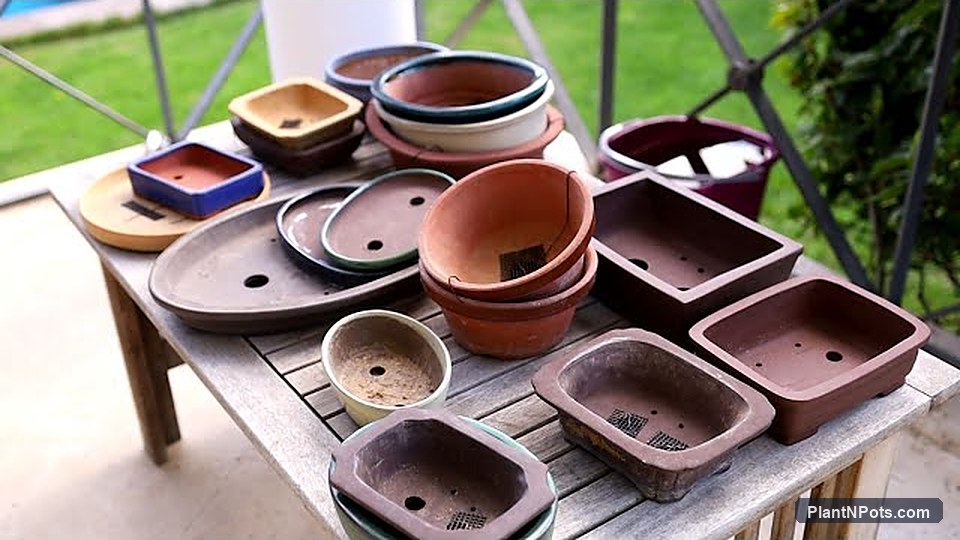
Selecting the correct container requires understanding fundamental proportional relationships between the trunk and the vessel. Trunk thickness dictates the baseline measurement for both depth and width in traditional styling.
Beginners often select containers that are excessively deep, which retains excess moisture. Choosing the right [best clay pot for bonsai](https://plantnpots.com/?p=3254) encourages healthy horizontal root spread rather than unwanted vertical descent.
Ceramic unglazed pots are typically favored for conifers due to superior breathability and moisture evaporation rates. Glazed containers retain moisture longer and suit deciduous species that require consistent hydration throughout the growing season.
Standard commercial rules apply universally across most traditional tree styles, though cascade styles demand significantly deeper vessels. Evaluate your specific species requirements before finalizing your permanent container selection during repotting.
- Measure trunk diameter at the soil line strictly.
- Select unglazed ceramic for heavy moisture-sensitive roots.
- Verify drainage hole placement prior to wiring trees.
- Keep container depth equal to maximum trunk thickness.
Evaluating Container Proportions
Proportional guidelines dictate that oval and rectangular containers should measure approximately two-thirds of the total tree height. Round pots should generally match one-third of the total height for balanced visual aesthetics.
Measure the widest canopy spread to ensure the pot does not look dwarfed by heavy foliage growth. Maintaining these strict geometric ratios prevents structural tipping and preserves classic artistic traditions.
- Compare pot length directly to overall canopy width.
- Use round pots for symmetrical upright tree styles.
Calculating Container Dimensions Using Trunk Diameter
The most reliable mathematical formula relies on measuring the trunk diameter directly above the root flare. Multiply this base measurement by one and a half to determine the minimum container depth required.
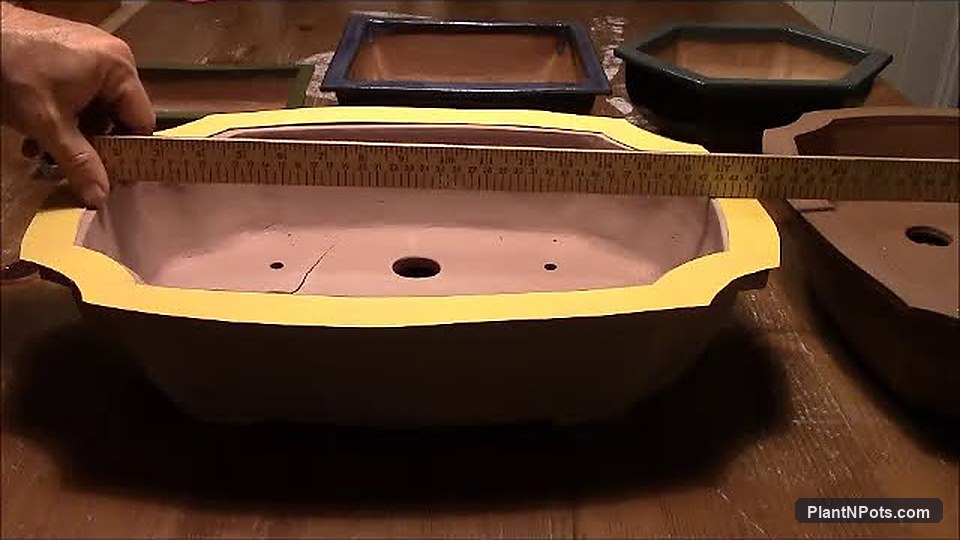
Deciduous trees generally require pot depths that equal the trunk diameter at its thickest point near the base. Conifers and pines often thrive in slightly shallower vessels because they prefer drier root zones.
Width calculations follow a similar strict proportional standard based on the overall mass of the trunk. A mature specimen with a thick trunk demands a wider container to anchor its visual weight.
Avoid guessing dimensions by using precision calipers to record exact millimeter measurements during early spring maintenance. Accurate data collection eliminates costly container mismatch errors during repotting sessions.
- Use precision calipers for exact trunk thickness.
- Multiply trunk diameter by 1.5 for depth.
- Account for vigorous root growth during active seasons.
- Maintain consistent perimeter gaps for tying wire.
Applying Mathematical Ratios
Multiply trunk diameter by six to eight for rectangular pot lengths depending on species vigor. Round containers typically use a diameter calculation equal to two-thirds of the total tree height.
Heavy root systems require minor adjustments to accommodate root ball shaving without crowding the container walls. Always leave a small perimeter gap for fresh soil mix and securing wire.
- Calculate rectangular lengths using trunk multipliers.
- Leave perimeter gaps for fresh soil mixes.
Video Walkthrough: Selecting the right Bonsai Pot
Assessing Root System Mass and Spread
Inspecting underground root structures before container selection prevents severe root cramping. Matching your plant with a proper [best pot for orchids](https://plantnpots.com/?p=2872) ensures a generous perimeter gap filled with fresh soil.
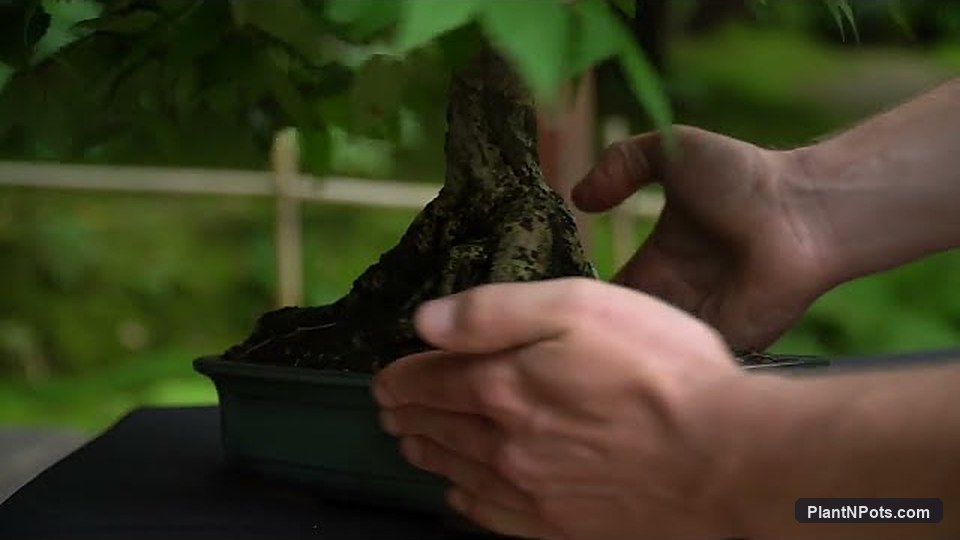
Trim dense radial roots carefully to fit standard sizing charts without causing undue physiological stress to the canopy. Pruning back circling roots encourages fine fibrous growth necessary for sustained nutrient uptake.
Surface roots, known as nebari, influence container placement and dictate the ideal front viewing angle of the specimen. Ensure your chosen vessel accommodates this horizontal root spread without burying the flare.
Deep taproots must be completely removed or redirected horizontally during initial training stages to fit shallow bonsai bowls. Failing to address heavy vertical roots will prevent successful containerization entirely.
- Comb matted root systems with a stainless steel hook.
- Remove circling roots to promote fine branching.
- Position nebari above the final soil surface line.
- Secure root balls tightly with anchored tie wires.
Managing Dense Root Balls
Comb out matted root masses gently using a root hook to expose trapped organic debris and dead tissue. Clean root structures reveal the true volume required for your replacement container.
Soak exposed roots in diluted seaweed solution to reduce transplant shock immediately before placing them into the new pot. Secure the root ball firmly using anodized aluminum tie-down wires.
- Expose trapped debris with a root hook.
- Apply seaweed solution to reduce shock.
Matching Pot Styles to Tree Aesthetics
Aesthetic harmony between container and tree remains a core principle of traditional bonsai cultivation worldwide. Masculine trees with rugged bark look best in unglazed rectangular pots featuring sharp corners.
Delicate deciduous species with smooth bark and refined branching pair well with glazed oval or round vessels. Soft pastel glazes highlight spring foliage colors and autumn leaf transformations effectively.
Color selection should draw inspiration from secondary features like autumn leaf hues, fruit colors, or bud tones. Avoid choosing bright container colors that distract the viewer from the natural tree trunk.
Rim shapes also contribute significantly to the overall psychological weight and visual stability of the planted composition. Flanged rims soften hard lines, while straight rims project strength and unyielding rigidity.
- Match rugged conifers with unglazed dark stoneware.
- Pair smooth deciduous trees with glazed oval bowls.
- Select pot colors based on secondary foliage tones.
- Ensure rim designs complement the tree silhouette.
Balancing Masculine and Feminine Traits
Categorize your specimen by evaluating its structural roughness and branch angles to determine its stylistic classification. Heavy conifers represent masculine energy, requiring heavy, dark, unglazed stoneware pots.
Flowing deciduous trees represent feminine grace, pairing seamlessly with light-colored, shallow, rounded ceramic containers. Matching these energies creates a cohesive artistic display that honors ancient horticultural design principles.
- Classify tree structure by bark and branch angles.
- Pair feminine trees with light rounded ceramics.
Drainage Requirements and Soil Volume Balance
Proper drainage holes are non-negotiable features required to prevent fatal root rot in confined container environments. Large central holes allow excess water to escape rapidly after every heavy watering session.
Cover drainage apertures with convex mesh screens secured tightly using rustproof copper or aluminum wiring loops. This prevents soil washout while keeping unwanted soil pests out of the root zone.
Soil volume must remain sufficient to buffer temperature fluctuations and retain adequate moisture between scheduled irrigations. Extremely shallow pots demand more frequent daily watering during peak summer heat waves.
Use a well-aerated soil mixture comprising akadama and pumice to maximize oxygen exchange rates. Choosing an advanced [eva solo orchid pot](https://plantnpots.com/?p=2890) prevents compacted media from suffocating your delicate root systems.
- Cover all drainage holes with convex mesh screens.
- Anchor mesh securely using aluminum tie wires.
- Add a coarse drainage layer of hard pumice.
- Maintain high porosity with inorganic soil components.
Optimizing Drainage Mesh and Wire
Cut fiberglass or plastic mesh slightly larger than the drainage opening to ensure complete edge coverage. Anchor the mesh securely before adding your foundational coarse drainage layer of pumice.
Thread anchoring wires through the mesh grid carefully to lock the root ball into position. Loose wires allow root movement, which breaks fragile new root hairs and stalls recovery.
- Cut mesh slightly larger than openings.
- Lock root balls firmly with anchor wires.
Avoiding Common Container Sizing Mistakes
Beginners frequently choose overly massive pots in hopes of accelerating trunk growth and canopy development rapidly. This practice results in waterlogged soil conditions and severe root rot during wet seasonal periods.
Conversely, selecting a container that is too small starves the root system of vital nutrients and moisture. Regular root pruning and progressive pot sizing prevent these extreme developmental pitfalls entirely.
Ignoring frost resistance ratings when purchasing ceramic pots for outdoor winter display leads to cracking failures. Always invest in frost-proof stoneware if your local winter temperatures drop below freezing consistently.
Skipping the wire-anchoring step causes unstable trees to wobble, destroying delicate feeder roots before they establish. Secure every specimen firmly to the container bottom using heavy-gauge aluminum wire ties.
- Avoid oversized pots that retain excess soil moisture.
- Purchase frost-proof ceramic containers for cold climates.
- Secure unstable trees with heavy-gauge tie wires.
- Transition pot sizes gradually during scheduled repotting.
Troubleshooting Sizing Errors
Repot immediately into a properly sized container if your current pot retains moisture for excessive durations. Corrective repotting saves stressed specimens from irreversible root collapse and fungal pathogen infections.
Upgrade undersized pots during the early spring window when trees emerge from winter dormancy safely. Gradual scaling prevents shock and maintains steady long-term health across all traditional bonsai species.
- Correct waterlogged soil with prompt repotting.
- Upgrade pot sizes during early spring dormancy.
Final Selection Checklist for Repotting Success
Complete your final container evaluation by reviewing structural proportions, drainage capacity, and stylistic harmony. Double-check that your chosen vessel meets all established sizing guidelines before beginning root work.
Inspect the interior walls for smooth glazing that might prevent proper soil adhesion or root attachment. Unglazed interiors promote better root grip, while glazed surfaces offer easier cleaning during future repotting.
Confirm that tie-down holes are present and properly positioned to secure your specific tree style. Lacking tie holes requires alternative anchoring methods using external pot clips or over-rim bracing wires.
Clean and sanitize used containers thoroughly with a mild bleach solution to eliminate lingering fungal spores safely. Clean equipment protects newly pruned root systems from opportunistic soil-borne plant diseases.
- Sanitize old pots with a mild disinfectant solution.
- Pre-soak unglazed ceramic containers before planting work.
- Verify placement of all integrated tie-down holes.
- Organize tools and soil ingredients before starting.
Pre-Repotting Preparation Steps
Gather all required tools, including root hooks, chopstick soil workers, and fresh inorganic soil components. Organized workstations streamline the repotting process and minimize exposure time for sensitive roots.
Soak unglazed ceramic pots in water overnight to prevent dry walls from absorbing moisture from soil. Proper hydration ensures your fresh soil mix retains its intended water-holding capacity consistently.
- Organize all tools before starting work.
- Soak unglazed pots in water overnight.
Frequently Asked Questions
How do I calculate the correct pot depth for my bonsai tree?
Multiply the trunk diameter measured immediately above the root flare by one and a half to determine your minimum vessel depth requirements.
Deciduous species often require depths equal to their trunk thickness, whereas conifers prefer shallower root zones to prevent excessive moisture retention.
What is the rule of thumb for bonsai pot width and length?
Select a rectangular or oval container measuring approximately two-thirds of the total height of your specimen tree. Round pots should generally match one-third of the total height to maintain balanced visual proportions, stability, and classic aesthetic harmony.
Should I choose glazed or unglazed bonsai pots for my trees?
Unglazed stoneware pots are traditionally recommended for conifers and rugged evergreens because they promote rapid moisture evaporation and superior root breathability.
Glazed containers retain soil moisture longer, making them ideal choices for smooth-barked deciduous species requiring consistent hydration throughout warm summer months.
Why do bonsai pots need drainage holes and wire tie apertures?
Drainage holes prevent fatal water stagnation by allowing excess irrigation water to escape rapidly after every routine watering session. Integrated wire tie apertures are equally essential for anchoring the root ball firmly to prevent micro-movement root damage from tree wobbling.
Can I plant a young bonsai tree directly into a final display pot?
Planting young material directly into a shallow display pot hinders vigorous trunk thickening and rapid canopy development significantly.
Cultivators should utilize larger training pots or standard nursery containers first to build a strong trunk base before transitioning to shallow ceramic bonsai bowls.

