Discover professional methods for optimizing container drainage and preventing root rot. This guide details exact materials and techniques for healthier potted plants.
Key Takeaway:
You should generally avoid placing heavy rocks at the bottom of standard pots because perched water tables actually push moisture higher into the rooting zone.
Quick-Reference Drainage Materials Guide
| Material Choice | Best Container Type | Primary Benefit |
|---|---|---|
| Coffee Filters | Small to Medium Pots | Keeps soil inside while letting water escape easily. |
| Expanded Clay Pebbles | Large Floor Planters | Reduces overall weight without altering soil chemistry. |
| Plastic Mesh or Netting | All Container Sizes | Prevents soil loss through oversized drainage holes. |
| Lump Charcoal | Potted Herbs and Flowers | Improves aeration and absorbs excess organic odors. |
| Landscape Fabric | Deep Outdoor Planters | Separates coarse layers from fine potting mixes. |
| Broken Terracotta Shards | Medium Outdoor Pots | Covers large drainage gaps securely and naturally. |
Physics of Container Water Movement
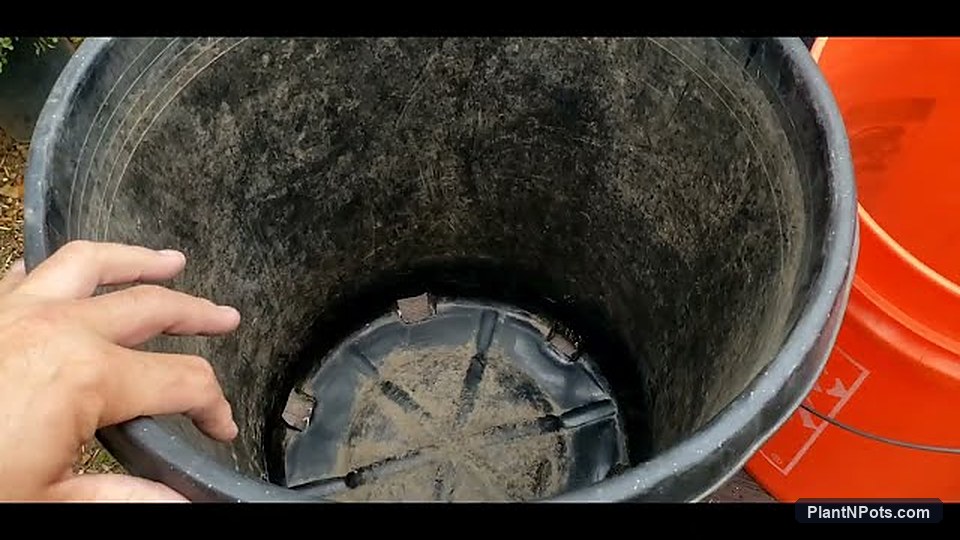
Understanding how water moves through a container is essential for plant health. Gravity pulls moisture downward, but capillary action creates unique saturation zones inside standard potting media.
When water hits a sudden change in material density, like adding gravel beneath soil, saturation actually rises. This physical phenomenon is known as a perched water table in horticulture.
Choosing the right bottom layer prevents soil washout without disrupting natural downward drainage. Modern container gardening favors uniform soil profiles over heterogeneous rock layers for optimal root development.
Always inspect the bottom of your vessel before adding any amendments. Ensuring clear drainage outlets remains the single most important factor for preventing fungal root diseases.
- Inspect container base for pre-drilled holes before filling.
- Understand that heavy rocks do not improve soil drainage.
- Maintain a continuous soil column for natural water movement.
- Prioritize proper aeration over traditional gravel bottom layers.
The Perched Water Table Explained
Water pauses when moving from fine soil pores into large spaces filled with air or stones. This creates a saturated zone directly above the barrier.
Roots sitting constantly in this saturated boundary layer suffer from oxygen deprivation. Removing obstructive rock layers allows excess water to drain freely away from roots.
- Fine soil holds water tightly against gravitational forces.
- Large drainage layers push the saturation zone upward.
Traditional Materials to Avoid or Use Cautiously
Many gardeners traditionally toss broken shards into the bottom of [best flower pots with drainage](https://plantnpots.com/?p=3539). While this covers large holes, it rarely improves overall soil moisture dynamics.
Placing broken ceramic tiles or dishes works well to block soil from washing out. However, you must arrange them carefully to avoid completely blocking vital water exit paths.
Coarse sand is another heavily debated material used in container gardening. Mixing fine sand with dense clay creates concrete-like compaction, so use only coarse horticultural grit instead.
Gravel and river rocks add immense weight to portable containers. Heavy stone layers make moving large patio planters nearly impossible during seasonal weather transitions and heavy storms.
- Use terracotta shards strictly to cover large hole openings.
- Avoid fine construction sand entirely in potted plant soils.
- Weigh the physical burden of adding heavy stone layers.
- Keep drainage pathways clear of dense, compacted barriers.
Working Safely With Broken Pottery
Always wear thick protective gloves when handling shattered ceramic pots or terracotta shards. Sharp edges can easily cause accidental cuts during the container preparation process.
Curve individual shards upward over drainage holes to permit water flow while retaining soil. Never stack too many pieces inside standard medium-sized flower containers.
- Wear heavy gloves to prevent accidental hand injuries.
- Curve shards upward to maintain open drainage paths.
Video Walkthrough: STOP Putting Gravel At The Bottom Of Your Pots!
Lightweight Fillers for Oversized Planters
Filling massive outdoor planters requires strategic material choices to reduce total weight. Expanded clay pebbles provide excellent volume while keeping the entire container remarkably lightweight and portable.
Styrofoam packing peanuts are frequently used by urban gardeners to fill large pot bases. Ensure you use biodegradable plant-based peanuts or secure them inside mesh bags.
Shredded wood or bark chips decompose slowly over time while occupying empty space. This organic filler adds structural volume to deep pots without compacting into dense blocks.
Plastic bottles placed upside down inside large containers save valuable potting soil when you use the [best soil for large planters](https://plantnpots.com/?p=3571). This clever trick creates air pockets and reduces heavy weight.
- Opt for expanded clay pebbles to minimize container weight.
- Use empty plastic bottles as lightweight space fillers safely.
- Incorporate bark chips for slow-decomposing volume in deep pots.
- Secure loose foam peanuts inside mesh bags before burying.
Using Packing Materials Wisely
Styrofoam packing peanuts make exceptionally lightweight fillers for massive decorative pots. Always verify they are securely separated from the root zone by porous fabric.
Never use non-biodegradable packing materials in edible vegetable containers. Chemical residues from certain manufactured plastics can potentially leach into surrounding garden soil mixes.
- Separate synthetic foam fillers using landscape fabric layers.
- Avoid using synthetic packing peanuts in edible vegetable pots.
Porous Amendments and Natural Organic Layers
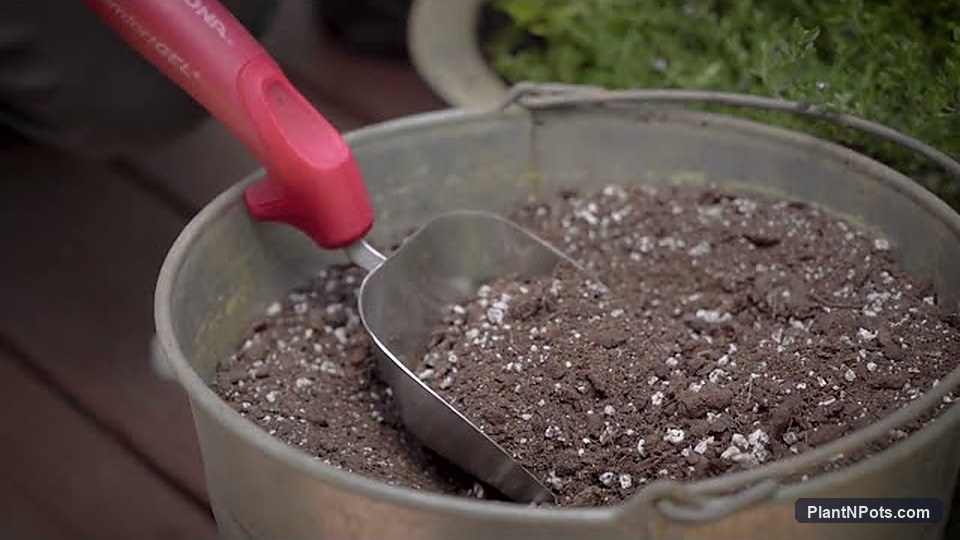
Lump charcoal pieces work wonderfully at the base of moisture-sensitive potted plants. Pure horticultural charcoal sweetens stagnant soil conditions and absorbs excess organic impurities effectively.
Pinecones and bamboo sticks provide natural carbon-rich filler for very deep garden containers. As these materials break down inside the [best clay pot for bonsai](https://plantnpots.com/?p=3254), they provide mild nutrients.
Compost layers should only be added at the bottom of extremely large raised containers. Standard flower pots require balanced potting mix throughout rather than concentrated compost pockets.
Natural materials eventually decompose and settle inside your containers over time. Expect to top off your potted plants with fresh soil annually as organic fillers break down.
- Select pure lump charcoal without chemical lighter fluid additives.
- Layer pinecones at the base of deep outdoor planters.
- Expect organic bottom fillers to settle and compress gradually.
- Replenish topsoil annually to compensate for lower decomposition.
Applying Lump Charcoal Properly
Break large charcoal chunks into manageable pieces before placing them into containers. This ensures even distribution and prevents large air pockets from forming beneath roots.
Charcoal acts as an effective natural filter against soil odors and toxins. It remains stable for years without breaking down into dense, water-retaining sludge.
- Break large charcoal lumps into smaller manageable sizes.
- Avoid charcoal briquettes treated with chemical accelerants.
Fabric Barriers and Netting Solutions
Simple household items often provide the most effective barrier against soil erosion. Placing a standard paper coffee filter over drainage holes prevents soil loss completely.
Landscape fabric or geotextile sheets cut to size offer long-lasting soil retention. These breathable materials allow water to pass freely while keeping soil particles inside.
Plastic mesh or window screen material works exceptionally well for large patio containers. Cut durable screen squares slightly larger than the drainage hole for secure placement.
Synthetic netting prevents pests from entering your pots through bottom holes. Earthworms and crawling insects find it much harder to invade containers protected by fine mesh.
- Place paper coffee filters over small pot drainage holes.
- Use durable landscape fabric for large outdoor planters.
- Cut window screening material to fit custom pot shapes.
- Block crawling pests effectively with fine synthetic netting.
Installing Coffee Filters and Mesh
Coffee filters dissolve slowly over several months, giving plant roots time to establish. They require zero cutting and fit neatly inside standard round nursery pots.
Plastic window screen material lasts indefinitely without rotting or breaking down. Secure the mesh edges with small amounts of non-toxic silicone if necessary.
- Opt for coffee filters in temporary indoor houseplant pots.
- Choose plastic window screening for permanent outdoor containers.
Video Walkthrough: Planting Tips for Big Pots
Managing Moisture in Large Raised Containers
Extra-large outdoor planters demand specialized techniques to manage heavy seasonal rainfall. Installing internal drainage tubes helps route excess water away from deep root zones.
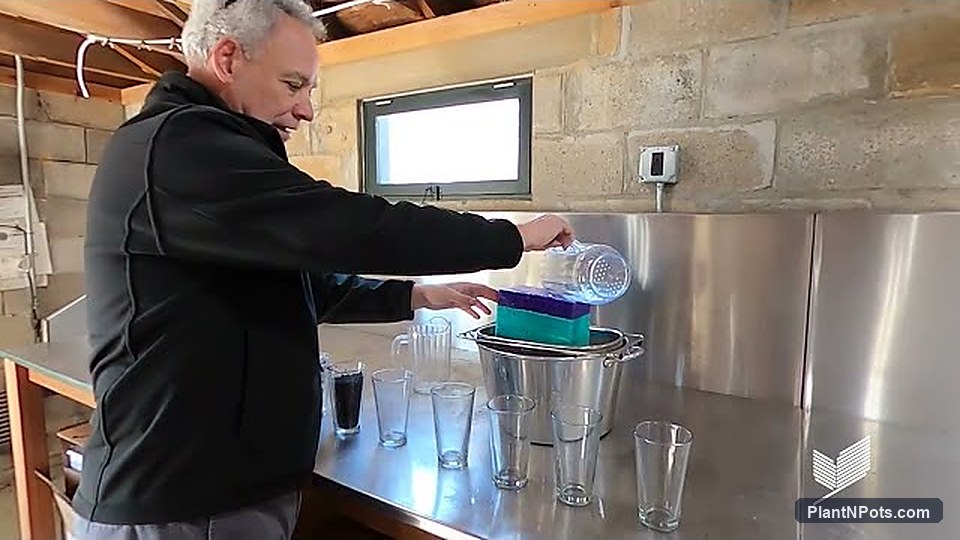
Raised garden containers perform best when filled with uniform, highly porous potting mixes. Avoid layering distinct soil types that interrupt natural vertical water drainage channels.
Perforated corrugated pipes laid horizontally across large planter bases improve water distribution. This advanced setup prevents stagnant pooling in expansive custom wooden garden boxes.
Always elevate heavy outdoor containers slightly using pot feet. Creating an air gap beneath drainage holes prevents suction locks and encourages rapid water runoff.
- Install internal drainage tubes in oversized custom planters.
- Elevate heavy outdoor containers securely using sturdy pot feet.
- Use uniform porous soil mixes instead of distinct layers.
- Prevent suction locks by maintaining open airflow underneath.
Using Pot Feet for Airflow
Pot feet lift containers off damp patios, preventing stains and moisture rings. More importantly, they allow unhindered water evacuation from every single bottom hole.
Choose stone, ceramic, or heavy-duty rubber pot feet matched to container weight. Ensure the weight is evenly distributed across at least three secure contact points.
- Elevate containers to prevent patio surface staining.
- Support heavy planters with at least three robust feet.
Frequently Asked Questions
Should I put rocks in the bottom of my flower pot?
You generally should avoid putting heavy rocks in standard pots because perched water tables push saturation higher. Use a simple coffee filter or mesh screen instead.
What is the best material to stop soil from falling out of drainage holes?
A standard paper coffee filter or piece of landscape fabric works best. These materials retain soil particles while allowing excess water to drain freely away.
How can I make a very large outdoor planter lighter?
You can use expanded clay pebbles, empty plastic bottles, or biodegradable packing peanuts. Always separate lightweight fillers from soil using a breathable landscape fabric layer.
Can I use charcoal pieces at the base of my potted plants?
Yes, pure lump horticultural charcoal sweetens soil conditions and absorbs impurities. Never use treated charcoal briquettes containing chemical lighter fluids or accelerants.
Why do my potted plants develop root rot despite drainage holes?
Root rot usually stems from compacted soil, overwatering, or clogged drainage outlets. Ensure your potting mix has high porosity and aeration for healthy root respiration.

