Protect your furniture and improve moisture retention by mastering the art of sealing unglazed ceramics. This comprehensive guide details safe techniques for indoor and outdoor displays.
Key Takeaway:
Applying a plant-safe polyurethane or epoxy sealer prevents moisture seepage while keeping delicate root systems safe from mineral buildup and sudden freezing temperatures outdoors.
Quick-Reference Guide
| Factor / Scenario | Recommended Target | Why It Matters |
|---|---|---|
| Indoor Tabletop Pots | Full Interior Sealing | Prevents water rings and structural damage to fine furniture. |
| Outdoor Frost Protection | Exterior Only Sealing | Allows breathability while stopping water absorption that causes cracking. |
| Cleaning Agents | Diluted Vinegar Solution | Removes mineral crusts without leaving toxic chemical residues behind. |
| Curing Time | 48 to 72 Hours | Ensures chemical off-gassing finishes completely before adding soil and plants. |
| Sealant Type | Water-Based Polyurethane | Avoids volatile organic compounds that can leach into potting mixes. |
| Moisture Meter | Readings Above Level Four | Indicates when unsealed clay requires immediate watering adjustments. |
Understanding Terra-Cotta Porosity and Moisture Dynamics
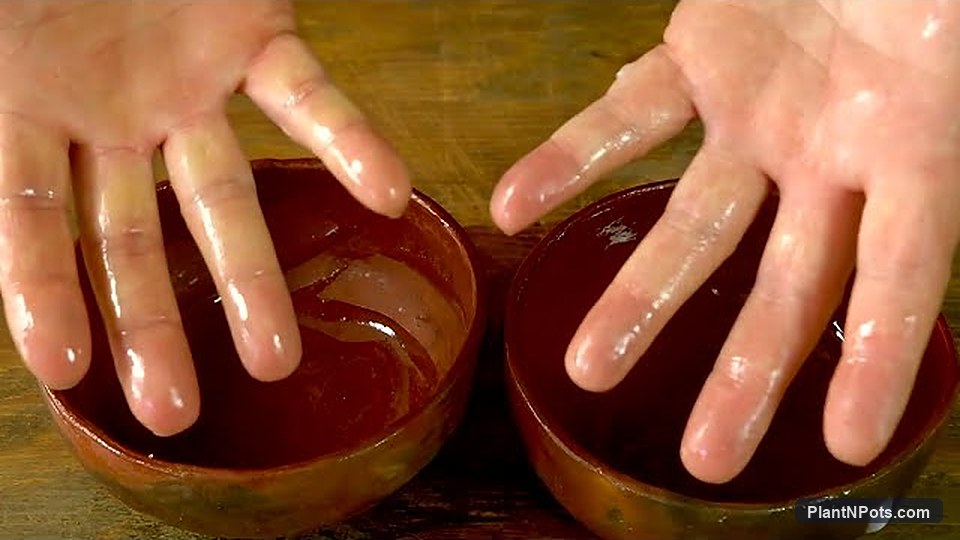
Traditional terra-cotta containers are crafted from porous red clay that readily absorbs water molecules. This natural characteristic promotes superior aeration for root systems by allowing oxygen exchange through pot walls.
However, this same high porosity causes moisture to evaporate rapidly from container edges. Indoor gardeners often struggle with dry soil conditions because water escapes directly through the unglazed clay sides.
Water soluble mineral salts from fertilizers also migrate outward through the clay matrix. These dissolved minerals accumulate as unsightly white crusts along the exterior surface of your favorite containers.
Understanding these foundational physical properties helps you decide whether complete waterproofing benefits your specific gardening goals. Different plant species react uniquely to restricted airflow and altered moisture retention cycles.
- Unglazed clay breathes actively through millions of microscopic pores.
- Rapid evaporation rates demand frequent watering schedules during peak summer.
- Mineral salt buildup indicates extensive internal moisture migration over time.
- Porous walls can wick humidity away from sensitive tropical root systems.
The Science of Clay Absorption
Microscopic channels inside fired earthenware act like capillary tubes pulling water outward. This continuous capillary action maintains a cool root zone through natural evaporative cooling mechanisms.
Blocking these channels alters the internal microclimate drastically. You must balance moisture retention needs against the inherent biological requirement for root oxygenation.
- Capillary tubes drive moisture toward external surfaces constantly.
- Evaporative cooling drops internal soil temperatures noticeably.
Deciding When Sealing Clay Pottery Makes Functional Sense
Choosing the best clay pots for plants helps you evaluate whether sealing is truly necessary. Succulents and cacti genuinely thrive within breathable, unglazed pots that dry out quickly between irrigation cycles.
Conversely, moisture-loving tropical ferns and peace lilies suffer in unglazed terra-cotta pots. Applying a reliable moisture barrier keeps tropical root zones consistently damp without requiring constant daily watering interventions.
Protecting fine indoor wooden furniture represents another primary reason to waterproof your pots. A sealed base prevents damp rings, mold development, and water damage on delicate tabletops and windowsills.
External waterproofing also shields exterior garden pots from freeze-thaw cracking during winter. Stopping water from saturating the clay body prevents ice expansion from shattering your favorite decorative containers.
- Evaluate specific plant water requirements before applying any barrier.
- Moisture-loving species benefit greatly from interior moisture retention layers.
- Furniture protection makes interior pot sealing an essential step.
- Winter frost damage drops significantly when exterior walls are sealed.
Evaluating Indoor Versus Outdoor Needs
Indoor pots require protection against surface staining and moisture rings. Exterior containers face extreme weather fluctuations requiring careful management of freeze-thaw cycles.
Matching your sealant strategy to the specific environment guarantees long-lasting container durability and healthy plant development year-round.
- Indoor applications prioritize surface protection and reduced evaporation.
- Outdoor applications focus on preventing structural frost cracking.
Video Walkthrough: The Best Way To Seal Earthenware Pottery, 4 Methods Compared
Preparing Your Unglazed Containers for Effective Sealing
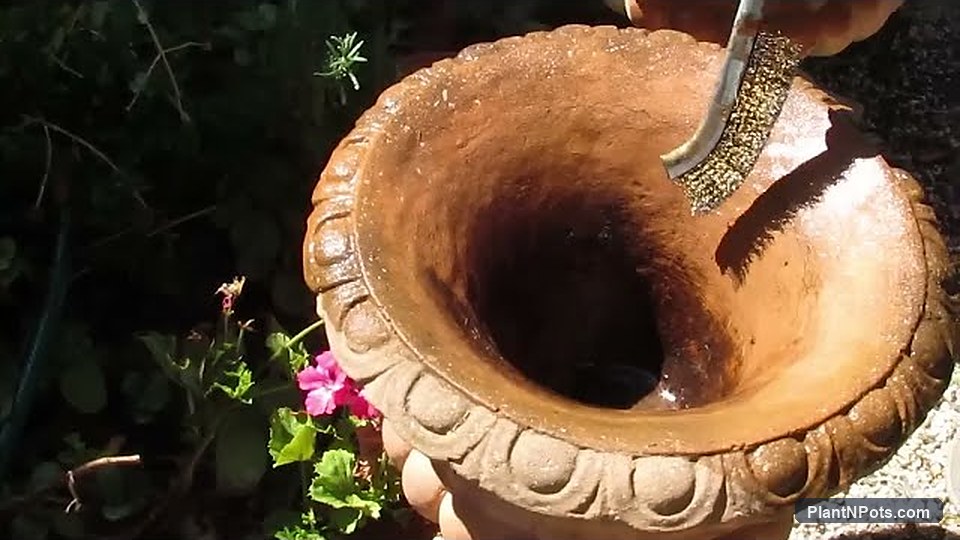
Thorough preparation determines whether your waterproofing coating adheres properly to the clay. Begin by soaking the empty pot in clean water for at least thirty minutes to loosen trapped dirt.
Scrub the interior and exterior surfaces rigorously using a stiff nylon brush. Remove all traces of old potting soil, algae, and mineral crusts that could interfere with bonding.
Rinse the cleaned container thoroughly with fresh water to eliminate any remaining debris. Any residual dust or loose clay particles will prevent sealants from forming a continuous protective film.
Allow the washed terra-cotta pot to dry completely in a warm, well-ventilated space. Trapped moisture inside the porous clay walls will cause bubbling and peeling once you apply your chosen sealant.
- Soak containers initially to loosen stubborn soil and mineral deposits.
- Scrub surfaces using a stiff nylon brush for maximum cleanliness.
- Rinse away all loosened debris to ensure strong chemical bonding.
- Dry pots completely for 48 hours before starting any application.
Removing Stubborn Mineral Crusts
White calcium deposits require an acidic wash to dissolve completely. Scrub the affected areas using a fifty-fifty mixture of white vinegar and water before rinsing.
Neutralize any remaining acid by washing the pot in plain water afterward. This crucial step ensures a chemically stable surface ready for your waterproofing treatment.
- Vinegar solutions dissolve crusty mineral buildup effortlessly.
- Always rinse thoroughly to neutralize lingering acidic residues.
Selecting Non-Toxic Waterproofing Agents for Root Health
Choosing the right sealant is critical because toxic chemicals can leach into root zones. Select water-based polyurethane or specialized masonry sealers labeled safe for plant containers.
Avoid heavy industrial waterproofing tars or chemical wood treatments containing toxic biocides. These harsh substances release harmful compounds that quickly damage delicate root systems and kill foliage.
Placing finished containers on stable best plant stand options showcases your work safely. Epoxy resins create a completely impervious interior barrier suitable for aquatic plant displays.
Clear acrylic sealers provide an invisible protective layer that preserves natural clay aesthetics. Check product specifications carefully to confirm they withstand continuous moisture exposure without degrading.
- Prioritize non-toxic, water-based formulations for edible or decorative plants.
- Avoid industrial chemical preservatives that leach toxins into soil.
- Epoxy resins offer heavy-duty moisture barriers for specialized indoor planters.
- Test small hidden areas to verify finish clarity and color retention.
Understanding Interior Versus Exterior Formulas
Interior sealants prioritize moisture retention and furniture protection above all else. Exterior formulas emphasize UV resistance and flexibility against thermal expansion.
Selecting the correct category prevents premature cracking and peeling under demanding environmental conditions.
- Interior sealers focus on stopping water migration outward.
- Exterior sealers resist ultraviolet breakdown and temperature swings.
Step-by-Step Application Methods for Interior and Exterior Sealants
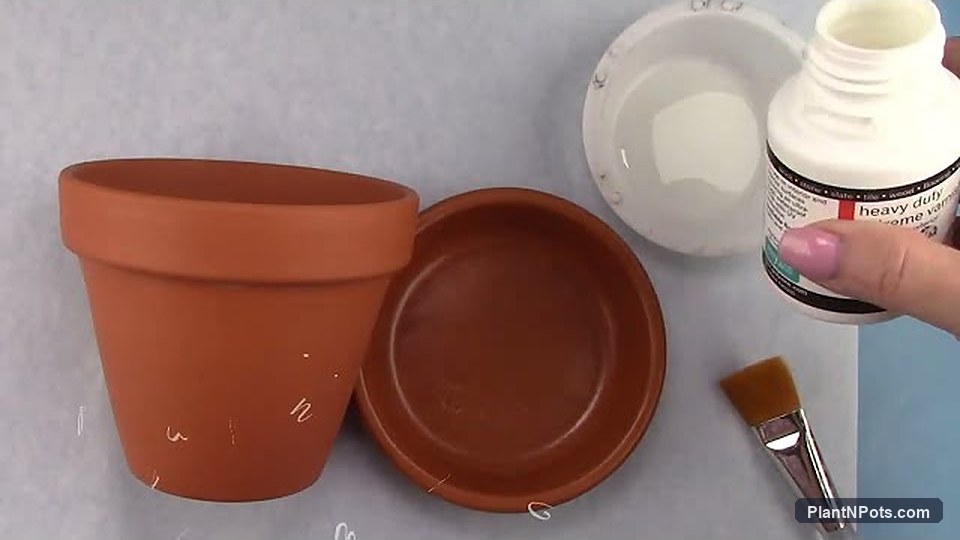
Pour a modest amount of your chosen liquid sealant directly into the clean pot. Swirl the liquid around to coat the interior base completely before painting upward.
Use a clean synthetic paintbrush to apply smooth, even strokes along the interior walls. Avoid thick, pooling drips that take an excessively long time to cure properly.
Apply a second coat perpendicular to the first layer once it dries. This crisscross painting technique ensures complete coverage across every microscopic pore in the clay.
Coat the exterior walls only if you want to prevent weathering and frost cracking. Leave the bottom drainage hole unblocked to maintain essential water drainage capabilities.
- Coat interior walls first using smooth, controlled brush strokes.
- Apply a second perpendicular layer for total microscopic coverage.
- Keep drainage holes clear of thick sealant accumulations.
- Work in a well-ventilated area wearing appropriate protective gloves.
Curing and Off-Gassing Best Practices
Let your newly sealed container cure undisturbed in a warm, dry area. Follow manufacturer instructions regarding exact drying times before introducing soil and plants.
Allowing complete off-gassing prevents volatile chemical compounds from harming your plants. Rushing this critical curing stage often leads to root burn and foliage yellowing.
- Keep curing containers away from freezing temperatures or high humidity.
- Wait until chemical odors dissipate entirely before planting.
Preventing Common Flaking and Paint Chipping Failures
Painted and sealed best extra large terracotta pots sometimes suffer from unsightly flaking over time. This common failure usually occurs when moisture pushes outward from damp soil against the barrier.
Applying waterproof sealer to both interior and exterior surfaces eliminates this pressure imbalance. When interior moisture cannot enter the clay body, exterior paint remains securely bonded.
Poor surface preparation also contributes significantly to premature chipping and peeling failures. Always scrub away microscopic dust particles and grease residue prior to your initial application.
Environmental exposure to intense ultraviolet light degrades low-quality clear coats rapidly. Select UV-stabilized exterior sealers if your planters spend long hours in direct sunlight.
- Double-sided sealing prevents internal moisture migration and paint bubbling.
- Clean surfaces meticulously to guarantee maximum paint adhesion strength.
- Choose UV-resistant formulations for containers placed in sunny spots.
- Inspect sealed pots annually for early signs of coating degradation.
Repairing Damaged Protective Coatings
Scrape away loose, flaking sealant using a fine wire brush carefully. Clean the exposed patch with rubbing alcohol and let it dry completely.
Dab fresh sealant over the repaired spot using a small detail brush. Blend the edges smoothly into the surrounding intact protective coating.
- Scrape away loose material gently to create a clean repair zone.
- Apply fresh sealant in thin layers to match existing surfaces.
Long-Term Maintenance and Winter Storage Considerations
Even properly waterproofed clay containers require regular maintenance to ensure longevity. Inspect your pots at the start of every growing season for hairline cracks or peeling sealant.
Empty and clean your containers thoroughly when repotting plants during seasonal transitions. Fresh cleaning prevents lingering pathogens from infecting new root systems in future planting cycles.
Store sensitive outdoor clay planters indoors during harsh winter months to prevent damage. Freezing temperatures can exploit tiny imperfections in any waterproof coating, causing major structural failures.
Keep stored containers elevated off cold garage or shed floors using wooden blocks. This simple practice promotes air circulation and prevents moisture from wicking into the pottery base.
- Inspect container surfaces annually for wear, cracks, or peeling areas.
- Clean pots thoroughly between planting cycles to eliminate plant pathogens.
- Move vulnerable containers indoors before freezing winter weather arrives.
- Elevate stored pots on blocks to ensure continuous air circulation.
Seasonal Storage Preparation Steps
Clear out all old potting soil and organic debris before storage. Wash the pot inside and out with mild soap and warm water.
Dry the container completely in the sun before packing it away. Storing damp pottery encourages mold growth and weakens protective sealants.
- Remove all organic debris and old root fragments completely.
- Ensure containers are bone-dry before placing them in storage.
Frequently Asked Questions
Do I need to seal the inside and outside of a clay pot?
Sealing both sides is recommended if you want to stop moisture rings on furniture and prevent frost cracking. Interior sealing alone works well for standard indoor plant humidity control.
What is the safest sealant for edible herb planters?
Always choose non-toxic, water-based polyurethane or food-safe epoxy formulations. Avoid industrial chemical wood treatments that can leach harmful toxins directly into your growing soil.
Why is my paint peeling off my terra-cotta pot?
Paint peels when unsealed clay absorbs moisture that pushes outward against the coating. Double-sided sealing stops internal water migration and keeps exterior paint securely bonded.
How long should I let a waterproofed clay pot dry?
Allow your sealed container to cure for 48 to 72 hours in a warm space. Complete off-gassing prevents harmful chemical fumes from damaging sensitive root systems.
Can waterproofed clay pots stay outside in freezing weather?
Waterproofed pots resist moisture absorption better, but extreme freezes can still cause cracking. Moving containers indoors during freezing winter weather guarantees maximum structural longevity.

