Master container selection using expert sizing rules. Proper dimensions protect roots and sustain healthy growth.
Key Takeaway:
Avoid sudden massive container jumps that cause root rot. Scale up your plant containers gradually by one to two inches in diameter for optimal health.
Quick-Reference Guide
| Factor / Scenario | Recommended Target | Why It Matters |
|---|---|---|
| Current root ball | Add 1 to 2 inches | Prevents soil compaction and rot |
| Fast-growing tropicals | Scale up 2 to 3 inches | Accommodates rapid root expansion |
| Slow-growing succulents | Keep tight root fit | Minimizes moisture retention risks |
| Outdoor annuals | Fill available perimeter | Maximizes seasonal root spread |
| Heavy ceramic pots | Account for total weight | Ensures safe indoor mobility |
| Plastic nursery pots | Use as inner liners | Simplifies watering and drainage |
Decoding Plant Pot Sizes and Measurements
Understanding how manufacturers measure containers helps you avoid costly sizing mistakes. Most standard pots use top diameter as their primary metric rather than total volume or bottom width.
Nursery trade sizes often use gallon designations or numerical codes that do not match exact inches. A standard trade gallon actually holds less than a true liquid US gallon.
Knowing these dimensional discrepancies prevents you from buying containers that overwhelm your plant's root system. Always verify physical dimensions using a tape measure rather than relying on labels.
Standardized sizing ensures compatibility between grower inserts and decorative outer pots. Matching these dimensions keeps watering routines predictable and prevents standing water accumulation underneath the root ball.
When scaling up, picking the correct [best size pot for monstera](https://plantnpots.com/?p=6664) prevents chronic root rot. Always measure interior dimensions across the top rim before transferring specimens into larger decorative cachepots.
Depth matters just as much as width for proper root development. Tall cylindrical pots suit plants with deep taproots, while shallow bowls work best for species with fibrous root systems that spread horizontally near the soil surface.
Gallon measurements indicate actual soil volume rather than linear dimensions. A true one-gallon pot holds roughly three point seven liters of growing medium, which directly influences how much water your potting mix retains after a thorough soaking.
Always verify that drainage holes exist at the base. Containers lacking proper outlets trap perched water tables, leading to root rot and fungal pathogens that quickly destroy delicate plant root tips within a few weeks.
- Measure the inside top diameter from rim to rim.
- Check the bottom diameter for stability in tall planters.
- Look for volume markings on heavy plastic grower pots.
- Convert trade gallons to actual dimensions before buying decorative cachepots.
Reading Manufacturer Labels Accurately
Commercial grower containers feature codes stamped near the rim. Learning these shorthand measurements helps you determine exact soil capacities without guesswork.
Always measure your existing root ball before shopping. Match those dimensions against the interior specifications of any new container you plan to purchase.
- Ignore the outer decorative lip when measuring.
- Verify depth measurements for deep-rooting species.
Understanding Root Growth and Space Requirements
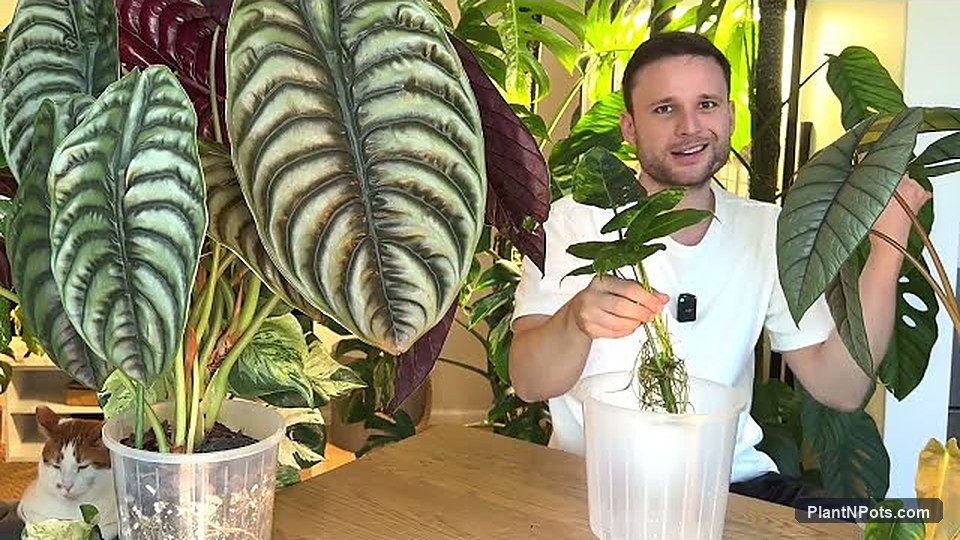
Plant roots require adequate physical space to absorb water and nutrients efficiently. When roots circle tightly around the interior, the plant enters a root-bound state that restricts nutrient uptake.
Different botanical families exhibit vastly different root growth habits. Aggressive species like monsteras demand frequent container upgrades, while slow-growing cacti prefer staying snug in smaller footprints.
Inspecting the drainage holes provides immediate clues about root expansion. If thick roots emerge from the bottom, your plant has outgrown its current environment and needs a larger home.
Providing too much room creates an entirely different set of physiological problems. Excess soil retains moisture for too long, suffocating delicate root tips and causing rapid microbial decay.
Cultivating the [best monstera in ceramic pot](https://plantnpots.com/?p=3379) configurations prevents this exact issue by promoting balanced evaporation. Breathable porous materials protect vulnerable root systems from lingering saturation.
Different plant families exhibit vastly different root growth habits. Fast-growing tropicals need annual upgrades, whereas slow-growing succulents prefer tight quarters to prevent excess moisture retention around their sensitive fleshy root structures.
When upgrading container size, adhere to the standard horticultural rule of thumb. Incremental increases of two inches wider prevent the soil mass from staying wet too long after watering sessions.
Inspect root balls thoroughly during seasonal maintenance checks. If roots form a dense, impenetrable mat around the perimeter, gently tease them apart to encourage outward growth into the fresh potting soil.
- Inspect root tips emerging from drainage holes.
- Assess overall foliage density relative to the pot.
- Research specific root habits for rare tropicals.
- Note how quickly the soil dries out after watering.
Video Walkthrough: Search filters
The Dangers of Overpotting and Excess Moisture
Overpotting occurs when you move a small plant into a drastically oversized container. The massive volume of fresh soil holds excessive moisture because roots cannot reach outer moisture zones.
Trapped water displaces vital oxygen pockets within the potting mix. Without proper aeration, roots suffer from hypoxia, leading directly to root rot and sudden foliage yellowing.
Experienced gardeners always scale up container diameters gradually. Incremental changes of one to two inches allow root systems to colonize new soil before moisture stagnation occurs.
Soil composition also influences how safely you can upsize a container. Fast-draining amendments mitigate overpotting risks, but heavy peat-based mixes hold water dangerously long in oversized pots.
Overpotting occurs when you place a small plant into a massively oversized container. The excess soil volume holds too much water, causing prolonged saturation that starves roots of vital oxygen within the growing medium.
Without sufficient root mass to absorb moisture, stagnant soil becomes a breeding ground for anaerobic bacteria. This biochemical imbalance triggers root rot, turning firm white roots into mushy, brown strands that emit a distinct sour odor.
Avoid jumping from a four-inch pot straight to a twelve-inch decorative planter. Always step up gradually to maintain a healthy balance between root volume and total soil moisture capacity during irrigation cycles.
If you must use a large architectural planter, fill the lower half with lightweight inert materials or a protective mesh barrier to reduce overall soil volume and improve internal container drainage.
- Never jump more than two pot sizes at once.
- Use chunky perlite amendments to improve oxygen flow.
- Monitor drying times closely after repotting sessions.
- Avoid heavy water-retentive soils in large containers.
When Your Plant Actually Needs Repotting
Recognizing the precise moment for repotting prevents unnecessary plant stress. Look for physical symptoms like stalled growth, frequent wilting despite watering, or roots pushing up through the surface.
Spring remains the optimal season for container upgrades across most indoor and outdoor species. Active growth phases help plants recover quickly from the minor trauma of root disturbance.
Gently slide the plant out of its current pot to inspect root density. If roots form a dense, impenetrable mat, untangle them carefully before placing the specimen into a fresh container.
Never repot a plant that is currently flowering or fighting an active pest infestation. Energy should be conserved for recovery rather than adapting to a brand new root environment.
Look for physical indicators like thick roots emerging from the bottom drainage holes. When plants outgrow their current home, watering frequency increases dramatically because root mass displaces nearly all the available potting mix.
Stunted canopy growth combined with yellowing lower leaves often signals nutrient depletion. If fertilizer applications fail to revive the specimen, the plant urgently requires fresh soil and a larger container volume to resume healthy cellular development.
Spring remains the absolute best season for repotting indoor houseplants and outdoor perennials alike. Active spring growth hormones help specimens recover quickly from transplant shock before summer heat stress sets in.
Gently slide the plant out of its old pot to inspect root condition. If soil has broken down into a dense, muddy sludge, wash away old debris before moving the plant into its new home.
- Check soil compaction and nutrient depletion levels.
- Look for salt crust accumulation on the pot rim.
- Perform repotting tasks during mild morning hours.
- Water thoroughly immediately following any container transfer.
Matching Nursery Pots to Decorative Planters
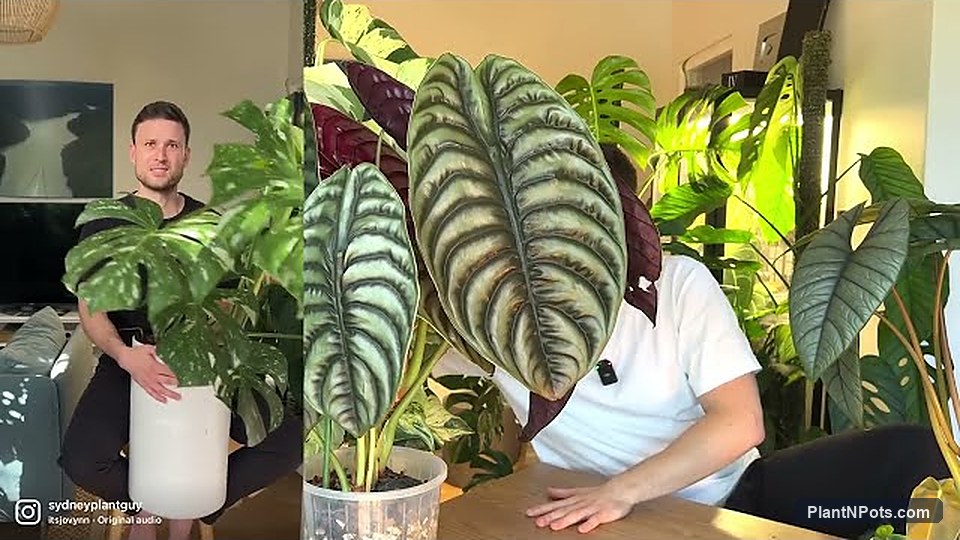
Using plastic nursery pots inside decorative cachepots offers exceptional functional flexibility. This dual-container method allows you to remove inner pots easily for thorough watering and proper drainage management.
Always ensure your decorative planter leaves adequate airspace around the inner nursery pot. A gap of one to two inches ensures air circulation and prevents water accumulation at the base.
Heavy ceramic or concrete planters without drainage holes should only serve as outer shells. Placing a direct planting inside a sealed decorative pot frequently leads to fatal root suffocation.
Measure both the inner diameter of the outer planter and the outer rim of the nursery pot. Proper clearance prevents the inner container from getting permanently wedged inside the decorative shell.
Double potting provides incredible flexibility for interior plant styling. Keep your plant inside a basic plastic nursery container, then slip that entire vessel inside an attractive decorative cachepot without any direct soil contact.
Always measure both the inner diameter of the decorative pot and the outer rim of your nursery container. Leave at least a half-inch clearance so you can easily pull the inner pot out for routine watering sessions.
Never plant directly into a decorative ceramic or terracotta container that lacks a bottom drainage hole. Trapped water sitting at the base will inevitably cause severe root rot and ruin your expensive flooring.
If your favorite decorative pot lacks drainage, use it strictly as an outer cachepot. Place a shallow plastic saucer at the bottom to catch any overflowing irrigation water during your weekly plant maintenance routine.
- Empty standing water from cachepots after every watering.
- Place pebbles at the bottom for minor elevation gaps.
- Confirm plastic liner lips rest securely on outer rims.
- Clean decorative shells regularly to prevent mineral buildup.
Calculating Ideal Container Volumes for Large Species
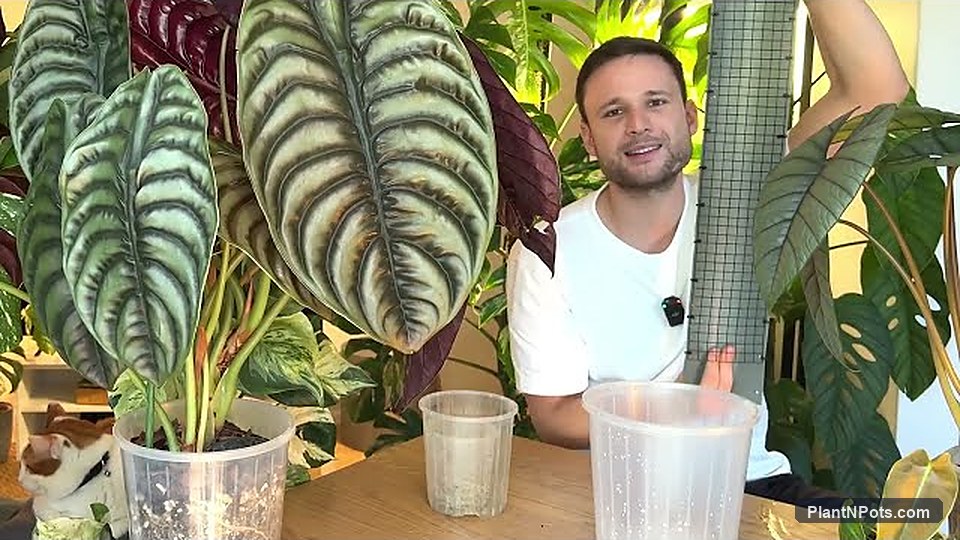
Large floor plants require mathematical approaches to determine exact container capacities. Heavy specimens need wide, weighted bases to prevent tipping over as top-heavy foliage expands upward.
Tall palms and large indoor trees demand deep containers that accommodate vertical taproots. Shallow bowls will stunt their structural development and cause instability during routine interior cleaning tasks.
Calculating soil volume requires measuring radius and depth accurately using standard geometric formulas. Estimating these requirements prevents purchasing excessive potting mix bags or running out midway through projects.
Consider the mature height of your specimen when selecting permanent outdoor containers. Planning ahead avoids the arduous task of transplanting massive specimens multiple times over their lifespan.
Large floor plants like fiddle leaf figs and monsteras require substantial containers for stability. A plant reaching five feet in height typically demands a fifteen-gallon pot to support its heavy canopy and widespread root system.
Heavy containers become virtually impossible to move once filled with wet soil. Incorporating a rolling plant caddy underneath ensures you can easily reposition large specimens for optimal sunlight exposure and floor cleaning access.
When calculating volumes for mature trees, match the pot diameter to roughly one-third of the plant canopy spread. This proportions the weight correctly and prevents tipping hazards in busy family living spaces.
Structural integrity is paramount when selecting large planters for interior tree specimens. Fiberglass and heavy-duty resin offer the look of stone while remaining light enough to manage during annual soil refreshes.
- Calculate cylinder volume using radius squared and depth.
- Choose heavy terracotta or glazed pottery for tall specimens.
- Add stable saucers beneath large indoor floor planters.
- Inspect structural integrity of pot bases annually.
Sizing Containers Correctly for Annual Versus Perennial Plant Lifecycles
Seasonal annuals require containers that maximize root space for explosive summer growth. Because they complete their life cycle in one year, feel free to fill containers to maximum capacity.
Perennial plants demand more strategic container sizing for long-term survival. Oversized winter pots can freeze solid and shatter, while undersized containers restrict multi-year root expansion and winter hardiness.
Outdoor container materials must withstand freezing temperatures without cracking or splitting apart. Frost-proof resin, fiberglass, and heavy terracotta outperform brittle plastics during harsh winter weather cycles.
Drainage becomes even more critical for outdoor perennial containers exposed to heavy rainfall. Elevating pots on pot feet prevents drainage holes from clogging and ensures continuous water discharge.
Annual plants complete their entire life cycle in a single growing season, meaning they demand maximum root space immediately. Planting summer flowers in generous window boxes ensures they never become stunted before frost.
Perennials return year after year, requiring a more measured approach to container scaling. Start young perennials in modest pots so they can build root density before facing the harsh rigors of winter outdoor temperatures.
Fast-growing annual vines and heavy-feeding vegetables need larger volumes right from the start. A single tomato plant requires at least a five-gallon container to sustain its aggressive root system and fruit production.
Perennial shrubs grown in containers need frost-resistant materials like thick polyethylene or heavy terracotta. These durable vessels prevent freeze-thaw cycles from cracking the planter and exposing delicate woody roots to damage.
- Select frost-resistant materials for permanent outdoor setups.
- Group annuals tightly for lush visual summer displays.
- Allow root insulation room for overwintering perennials.
- Clear debris from outdoor drainage holes each autumn.
Environmental Factors Impacting Container Sizing
Indoor heating and cooling systems drastically influence how fast container soil dries out. Dry ambient air means smaller pots require daily watering, making slightly larger containers more practical choices.
Similar microclimate management applies when growing the [best bougainvillea in pots indoors](https://plantnpots.com/?p=3074) near drafty windows. Heavy terracotta planters stabilize root zones against sudden temperature swings and rapid moisture loss.
Sunlight intensity dictates moisture evaporation rates across different container materials and sizes. Porous terracotta pots dry out rapidly in full sun, requiring larger volumes to buffer temperature fluctuations.
Local climate conditions must dictate your final pot size and material selections. Balancing ambient humidity with container volume ensures plants maintain steady hydration throughout peak seasonal growth periods.
Outdoor containers dry out significantly faster than indoor pots due to wind and direct sunlight. Choosing a larger pot size outdoors helps buffer soil moisture levels during hot summer days with temperatures exceeding ninety degrees.
Indoor humidity levels also dictate watering frequency and pot selection. Low winter humidity inside heated homes causes potting mixes to evaporate moisture quickly, requiring frequent irrigation schedules for plants in undersized pots.
Sun-drenched patios demand light-colored containers that reflect solar radiation. Dark plastic pots absorb intense heat, cooking the outer layer of roots and stunting overall plant vitality during peak summer growing months.
Wind exposure is another critical environmental consideration for outdoor container placement. Top-heavy plants in lightweight pots easily blow over, necessitating sturdy, wide-based planters to maintain stability during severe autumn storms.
- Account for indoor draft zones when sizing containers.
- Use heavier weighted bases for windy balcony gardens.
- Select light-colored pots to reflect intense summer heat.
- Monitor seasonal humidity shifts affecting soil evaporation.
Frequently Asked Questions
How do I know if my pot is too big?
An oversized container holds excess water that causes fatal root rot in delicate specimens. Always check soil moisture deep within the pot before watering again.
Should I use a pot that is two inches larger?
Graduating to a pot that is one to two inches larger is the gold standard for repotting. This incremental step prevents moisture stagnation while giving roots room to expand.
Can I put a small plant in a large pot?
Placing a small plant directly into a large pot creates severe overpotting hazards from stagnant soil moisture. Instead, keep the plant in a smaller nursery liner inside the large container.
How do nursery pot sizes translate to inches?
Nursery trade gallons do not equal exact liquid measurements because they use standardized commercial codes. Always measure the top interior diameter with a ruler to find true dimensions.
Do different plant types need different pot depths?
Deep-rooting trees and palms require tall containers to accommodate vertical taproots and heavy ballast. Conversely, shallow-rooted succulents thrive in shallow decorative bowls with excellent drainage holes.

