Protect your expensive containers from ice expansion. This technical guide explains proven prevention steps.
Key Takeaway:
Always elevate your containers and empty excess saucers. Trapped water expansion causes ninety percent of structural winter pottery fractures.
Quick-Reference Guide
| Factor / Scenario | Recommended Target | Why It Matters |
|---|---|---|
| Container Elevation | 1 to 2 inches | Prevents freezing to patio surfaces |
| Pot Porosity Rating | Under 3 percent | Minimizes internal moisture absorption |
| Storage Temperature | Above 32 degrees Fahrenheit | Stops destructive ice lens formation |
| Drainage Clearance | 100 percent open hole | Allows melting snow to escape freely |
| Insulation Material | Breathable horticultural burlap | Buffers extreme thermal shock safely |
| Saucer Management | Removed completely outdoors | Eliminates standing water accumulation |
Understanding Why Freezing Temperatures Fracture Glazed Ceramics
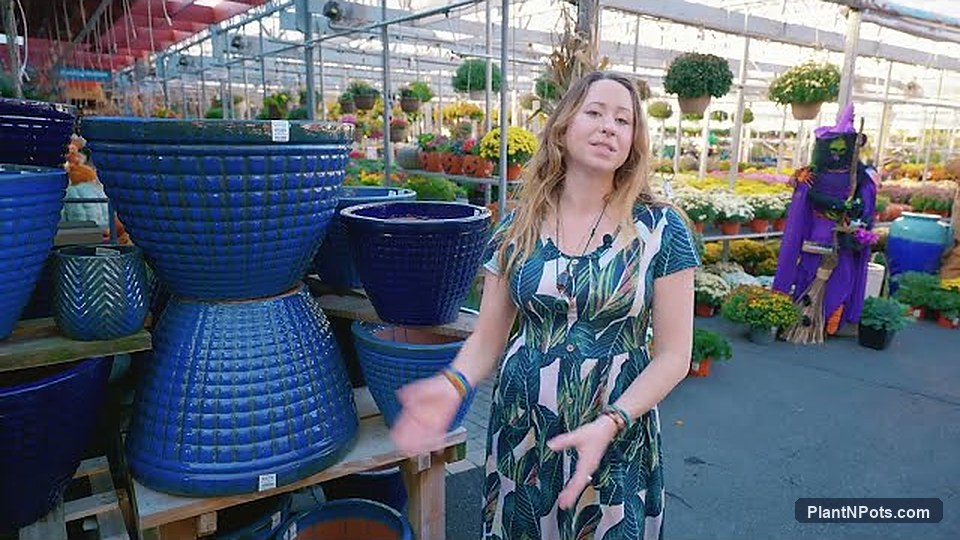
Glazed ceramics are porous underneath their shiny exterior finishes. When ambient temperatures drop below 32 degrees Fahrenheit, absorbed moisture expands relentlessly within the clay body.
This unstoppable ice expansion exerts immense internal pressure on the rigid ceramic structure. Without proper precautions, this physical force creates microscopic hairline fissures that eventually split containers.
Even durable materials like our best wall mounted planters absorb minute atmospheric moisture over time. Porosity ratings and glaze micro-cracks dictate how susceptible your containers remain during deep winter freezes.
Understanding material physics helps you prevent costly garden losses. Recognizing vulnerable weak points allows you to apply targeted winter defenses before sub-freezing weather strikes your patio.
- Glazed surfaces hide underlying porous earthenware bodies.
- Ice expands by nearly nine percent inside confined spaces.
- Micro-fissures widen progressively with every freeze cycle.
- Atmospheric humidity continuously penetrates unsealed clay pores.
Identifying Micro-Fissures Early
Inspect exterior surfaces closely under bright daylight conditions. Look for spiderweb patterns forming in the outer glaze layer before freezing weather sets in.
Tap the container gently using a wooden dowel tool. A dull thud instead of a clear ring often indicates hidden internal stress fractures.
- Examine rim areas for fine glazing fractures.
- Test structural resonance using non-marring tools.
Selecting Genuine Frost-Resistant Pottery Materials
Not all ceramic containers handle harsh seasonal transitions equally well. True frost-resistant pottery undergoes extremely high kiln temperatures to minimize overall clay porosity.
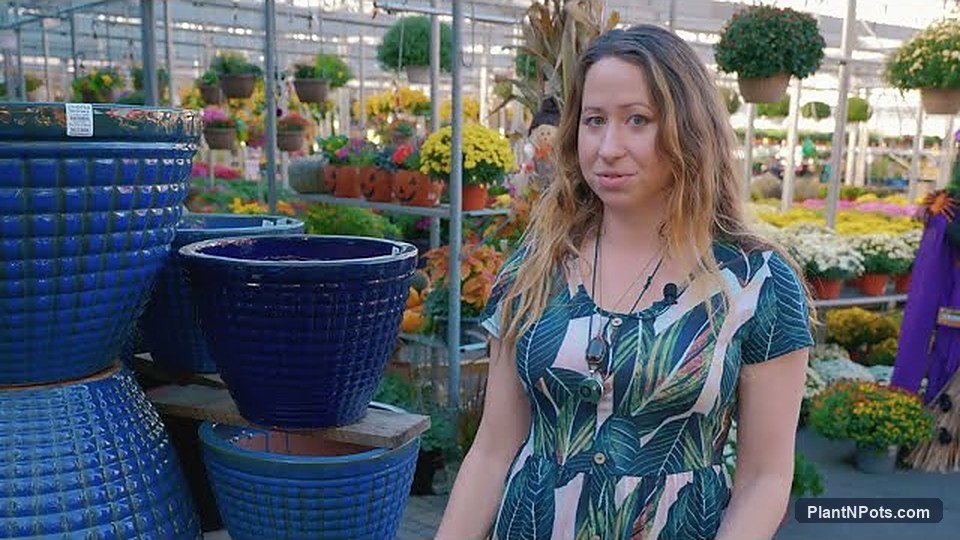
Standard terracotta remains highly porous and absorbs ambient moisture rapidly. This makes unsealed earthenware extremely vulnerable to sudden temperature drops and destructive ice lenses.
Look for manufacturers specifying absolute freeze-proof ratings. High-density stoneware and industrial composite materials withstand extreme cold cycles far better than standard decorative earthenware.
Glaze quality also determines whether moisture penetrates the pot wall. Smooth, non-crazed exterior surfaces prevent liquid water from seeping into vulnerable underlying structural clay bodies.
- High firing temperatures vitrify clay particles tightly.
- Low-fire terracotta absorbs water like a sponge.
- Check manufacturer specifications for frost warranties.
- Inspect glaze integrity for crazing or hairline cracks.
Evaluating Porcelain Versus Stoneware
Fine porcelain features near-zero absorption rates due to complete vitrification. This dense crystalline structure resists moisture infiltration during prolonged winter precipitation events.
Stoneware offers a balanced compromise between overall weight and freeze resistance. Proper glazing ensures these robust planters endure multiple freezing winters outdoors.
- Vitrified porcelain resists nearly all water absorption.
- Stoneware provides heavy-duty durability for patios.
Video Walkthrough: Metal pots
Elevating Containers Above Freezing Pavement Surfaces
Direct contact with frozen patios accelerates thermal shock and moisture absorption. Always raise your heavy garden planters using pot feet or specialized ceramic wedges.
Raising containers allows melting snow to drain away freely rather than pooling underneath. Trapped water can refreeze against the base and crack the bottom drainage hole.
Air circulation beneath the pot reduces destructive moisture transfer from concrete surfaces. Use sturdy rubber blocks or terra cotta feet rated for heavy load distribution.
Proper elevation prevents bottom surfaces from freezing solid to patio tiles. This simple mechanical adjustment eliminates the suction forces that break container bases.
- Use sturdy pot feet to create airflow channels.
- Prevent containers from freezing solid to concrete.
- Distribute heavy loads evenly across support points.
- Allow meltwater to escape away from base rings.
Choosing Proper Elevation Hardware
Select wide, stable pot feet that distribute total container weight evenly. Narrow metal stands can create pressure points that fracture heavy ceramic bottoms.
Ensure pot feet match the aesthetic and physical weight of your display. Heavy cast-iron or dense rubber risers provide reliable support all winter.
- Match foot width to container base geometry.
- Opt for frost-proof rubber or ceramic risers.
Managing Winter Moisture and Drainage Integrity
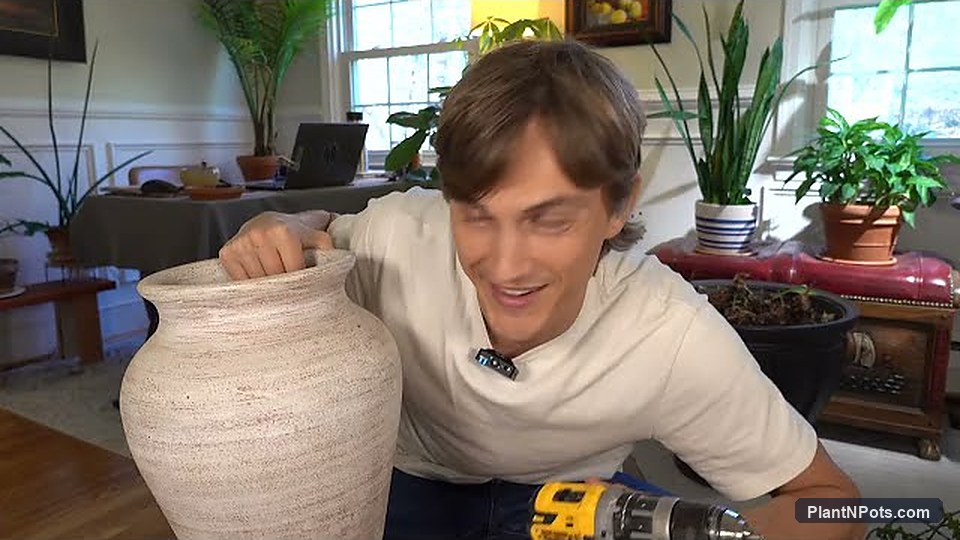
Clogged drainage holes trap water inside the root ball and lower pot walls. Clear all debris to ensure unobstructed water flow before winter storms arrive.
Remove plastic saucers from outdoor pots during freezing months. Saucers catch melting snow and rain, creating standing water pools that refreeze against container walls.
Incorporate coarse gravel or specialized shards over the drainage hole. This prevents soil compaction and keeps the drainage path open throughout heavy autumn and winter rains.
Check drainage functionality after every major storm or thaw cycle. Keeping water moving outward is your best defense against catastrophic ice expansion damage.
- Clear all organic debris from bottom holes.
- Discard outdoor saucers during rainy seasons.
- Add coarse drainage layers above exit ports.
- Test water flow before freezing temperatures start.
Clearing Blocked Drainage Holes
Insert a wooden dowel through the bottom hole to push out compacted soil. Avoid using sharp metal tools that might scratch interior glazes.
Flush the container thoroughly with clean water to verify proper flow. Fast drainage protects your valuable ceramics from localized freezing pressure buildup.
- Use wooden tools to clear soil clogs safely.
- Flush containers thoroughly with garden hoses.
Relocating Sensitive Planters to Sheltered Microclimates
Moving delicate ceramics indoors or onto covered porches prevents deep freezing. Find protected outdoor spots that remain shielded from direct wind exposure and snowdrifts.
Unheated garages, sheds, or covered patios offer ideal transitional microclimates. These sheltered zones buffer extreme temperature swings while keeping your favorite planters outdoors.
If pots must remain in the open garden, group them tightly together. Clumping containers together reduces individual wind chill and stabilizes local ambient temperatures.
Avoid placing decorative pottery directly beneath dripping rooflines. Constant water accumulation from melting ice dams overloads even well-drained ceramic planters quickly.
- Shift delicate planters onto covered porches.
- Group outdoor pots together to share warmth.
- Avoid roof drip lines and heavy snowdrifts.
- Utilize unheated sheds for winter holding.
Utilizing Unheated Storage Buildings
Clean and completely dry containers before moving them into enclosed sheds. Storing damp pots in cold dark spaces encourages mold and mildew spore growth.
Wrap stored ceramics in breathable burlap or old cotton blankets. This shields delicate exterior glazes from accidental bumps and sudden temperature drops.
- Dry pots thoroughly before shed storage.
- Wrap fragile pots in protective breathable fabrics.
Video Walkthrough: How to Drill Drainage Holes into Ceramic Pots – Glazed \u0026 Unglazed
Insulating Container Roots Against Deep Freezes
Proper root protection is essential when maintaining the best clay pots for plants. Wrap vulnerable outdoor containers securely with layers of bubble wrap or thick horticultural fleece insulation.
Secure insulating wraps tightly using durable twine or garden tape. Adequate insulation prevents the entire soil mass from freezing solid in moderate winter zones.
Avoid using non-breathable plastic sheets directly against glazed pottery surfaces. Trapped condensation can freeze and cause unexpected surface glaze scaling during thaws.
Add a thick top layer of pine straw or shredded bark mulch. This extra organic layer moderates soil temperatures and protects the lower container walls.
- Wrap pot exteriors using horticultural fleece.
- Secure insulation firmly with natural twine.
- Add organic mulch over top soil surfaces.
- Avoid trapping condensation beneath solid plastic.
Applying Burlap Wraps Effectively
Cut heavy-duty burlap to match the circumference of your planter. Layer the fabric twice around the pot exterior for optimal thermal protection.
Tie natural jute twine securely around the middle and rim. This classic method keeps insulation in place while maintaining an attractive garden aesthetic.
- Double-layer burlap for extra cold protection.
- Secure materials neatly with durable jute twine.
Best Practices for Indoor and Garage Pot Storage
Total indoor storage is the ultimate protection for prized antique pottery. Clean pots thoroughly with mild soap and let them dry completely before winter storage.
Store emptied containers upside down on wooden pallets or stable shelves. This positioning prevents accidental moisture accumulation and stops pests from nesting inside.
When organizing your collection of [blue glazed plant pots](https://plantnpots.com/?p=1713), never stack heavy items directly on top of each other. Use thick cardboard separators to prevent surface scratching and rim chipping during long storage periods.
Maintain steady ambient temperatures in your storage room or basement. Extreme temperature fluctuations can weaken old clay bodies even inside protected buildings.
- Clean pots thoroughly before indoor storage.
- Store containers inverted on stable shelving.
- Use foam pads between stacked containers.
- Keep storage environments temperature-stable.
Stacking and Nesting Guidelines
Only nest pots of identical shape and sizing ratios together safely. Mismatched nesting creates uneven weight distribution that cracks rims instantly.
Always place protective foam pads between nested container walls. This cushions the ceramic surfaces against vibration damage during long storage periods.
- Nest only matching pots of identical sizing.
- Cushion nested rims with soft foam padding.
Frequently Asked Questions
Can I leave glazed ceramic pots outside all winter?
Yes, you can leave high-fire frost-proof pots outside if properly elevated. Ensuring good drainage and removing saucers prevents catastrophic ice expansion.
Why do glazed pots crack even when empty?
Empty pots still absorb ambient moisture into unglazed drainage holes. Freezing trapped water expands and fractures the clay body from within.
How can I tell if my pot is frost-resistant?
Check manufacturer labels for explicit freeze-proof or vitrified ratings. High-fired stoneware generally resists frost much better than porous earthenware.
Should I wrap pots in plastic for the winter?
Avoid wrapping pots in solid non-breathable plastic wraps. Trapped condensation can freeze and ruin decorative exterior glazes during sudden thaws.
What is the best material for cold winter climates?
Heavy fiberglass, thick stone resin, and vitrified stoneware excel in freezing conditions. Selecting high-density materials minimizes water absorption and prevents winter cracking.

