Discover the critical role of container drainage in miniature tree cultivation. Learn how proper water management protects delicate roots.
Key Takeaway:
Yes, drainage holes are absolutely essential for every functional bonsai container to prevent fatal root rot and salt accumulation.
Quick-Reference Guide
| Factor / Scenario | Recommended Target | Why It Matters |
|---|---|---|
| Drainage Hole Presence | At least 1-3 holes | Allows excess water to escape immediately. |
| Soil Particle Size | 1.5mm to 4mm grubs | Maintains vital oxygen pockets around roots. |
| Mesh Coverings | Concave synthetic mesh | Keeps soil inside while letting water flow freely. |
| Wiring Anchors | Secured over drainage holes | Locks the tree firmly in place during wind. |
| Watering Frequency | Until water runs clear | Flushes out toxic mineral salts efficiently. |
| Container Depth | Shallow ceramic bowls | Balances aesthetic proportions with root restriction. |
Understanding the Vital Role of Container Drainage in Bonsai Cultivation
Every experienced grower knows that proper container drainage forms the bedrock of successful miniature tree care. Without adequate escape routes for water, soil quickly becomes a stagnant swamp.
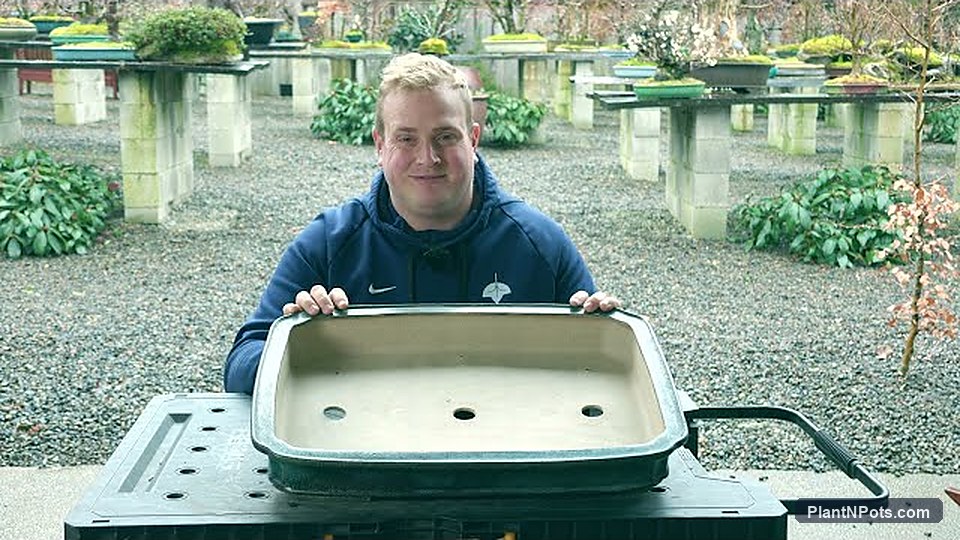
Traditional bonsai containers are intentionally shallow to restrict vigorous root growth. This unique design choice means excess moisture has nowhere to go if bottom holes are missing.
Gravity pulls excess irrigation downward through porous soil mixtures. If this water hits a solid bottom, it creates a saturated zone that suffocates delicate feeder roots.
Utilizing quality [terracotta pots with drainage holes](https://plantnpots.com/?p=1313) ensures proper airflow around the root system. This vital aeration prevents root rot while supporting steady trunk thickening.
- Always select containers featuring pre-drilled bottom apertures.
- Never block escape routes with dense, non-porous materials.
- Prioritize containers designed specifically for horticultural display.
- Inspect container undersides before purchasing new ceramic pieces.
The Anatomy of a Standard Bonsai Vessel
Bonsai containers differ significantly from standard houseplant pots through their shallow depth and specialized drainage configurations. Most authentic vessels include multiple large holes paired with smaller tie-down loops.
These integrated wire apertures allow growers to anchor the root ball securely against wind movement. This structural stability encourages fine root branching rather than loose, unstable growth.
- Examine hole placement across the container base carefully.
- Utilize anchoring wires to stabilize the central root mass.
The Physical Science Behind Perched Water Tables and Soil Saturation
Physics dictates how water behaves inside any confined container filled with granular growing media. A perched water table forms naturally at the bottom of solid vessels regardless of soil type.
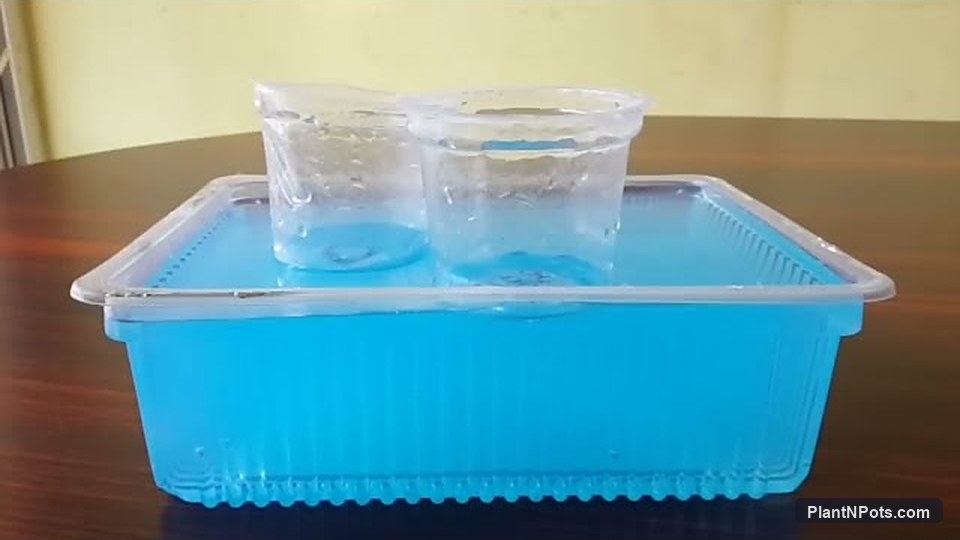
Fine particles hold moisture tightly through capillary action, preventing gravitational drainage in shallow spaces. Introducing larger drainage holes breaks this capillary tension and drops the saturation line.
Selecting the right [earthenware pot for plants](https://plantnpots.com/?p=3288) naturally stops waterlogging by improving gas exchange. When excess moisture drains fully, roots retain their capacity to absorb vital nutrients.
Understanding this underlying hydraulic principle prevents common watering mistakes that plague beginner gardeners. Proper container engineering keeps the root zone aerated throughout seasonal shifts.
- Recognize how container depth directly influences moisture retention.
- Avoid using fine organic composts that exacerbate saturation zones.
- Observe how water exits freely through open bottom apertures.
- Maintain coarse particle distribution to support natural gravitational flow.
Particle Size and Air Space Dynamics
Using well-graded aggregates like akadama and pumice creates structural macropores within the soil. These open channels allow gravity to pull excess moisture downward swiftly.
Fine dust particles clog these essential air spaces and trap water destructively. Sifting your growing medium eliminates microscopic debris before final potting operations begin.
- Sift all granular components through a fine mesh screen.
- Discard dusty particles that encourage perched water tables.
Video Walkthrough: Do Your Plants Need Drainage Holes? My answer may surprise you!
Examining the Rare Arguments Against Traditional Bottom Drainage Holes
Some indoor enthusiasts wonder if solid decorative bowls can sustain living miniature specimens successfully. While possible, growing trees in pot-in-pot arrangements requires extreme watering vigilance and expertise.
Display-only pots lack functional apertures to protect historical furniture from water damage. Growers using these pieces usually nestle a plastic nursery liner inside the decorative outer shell.
Temporary display pieces featured in exhibitions sometimes omit visible holes for aesthetic reasons. However, these trees return to standard drained containers immediately following the exhibition event.
Attempting long-term cultivation in sealed containers almost always results in root failure. Natural rainfall and routine irrigation demand an unhindered escape route for excess moisture.
- Distinguish between temporary display vessels and permanent growing pots.
- Never plant directly into un-drilled ceramic decorative containers.
- Utilize hidden nursery liners if displaying plants in solid bowls.
- Monitor internal moisture levels constantly when using alternative setups.
The Illusion of Self-Watering Systems
Unlike ceramic african violet planters designed for indoor humidity, bonsai vessels demand rapid drainage. Stagnant standing water quickly breeds harmful pathogens that devastate sensitive root systems.
Miniature specimens thrive on a thorough wet-dry cycle rather than constant bottom soaking. True bonsai containers facilitate this necessary aeration rhythm effortlessly.
- Avoid sealed reservoir setups for woody perennial plants.
- Embrace traditional top-down watering with complete runoff.
Severe Risks Associated With Waterlogged Bonsai Root Systems
Ignoring basic drainage requirements invites devastating pathogens into your prized botanical collection. Phytophthora root rot thrives exclusively in oxygen-starved, waterlogged soil environments.
Once fungal spores infect compromised tissue, recovery becomes nearly impossible for delicate conifers and deciduous trees alike. Leaves turn yellow, wither, and drop prematurely as decay spreads upward.
Nutrient lockout occurs simultaneously because suffocated roots cannot power active transport mechanisms. Even abundant fertilizer applications fail to save a tree drowning in stagnant moisture.
Preventative drainage management remains far easier than attempting emergency arboricultural rescue procedures. Daily observation of soil drying rates alerts you to underlying drainage failures immediately.
- Identify early symptoms of root stress before decay spreads.
- Scrutinize soil surface conditions for persistent dampness or mold.
- Discard severely infected root balls to protect neighboring plants.
- Sanitize containers thoroughly before reuse after disease outbreaks.
Salt Accumulation and Fertilizer Burn
Routine fertilization deposits mineral salts throughout the container substrate over consecutive weeks. Unrestricted water drainage flushes these toxic chemical residues out through the bottom holes.
Sealed pots trap these salts, raising electrical conductivity levels to lethal thresholds. Your tree experiences sudden leaf scorch and root tip burn from concentrated minerals.
- Leach pots thoroughly during every scheduled irrigation session.
- Prevent fertilizer salt buildup by ensuring proper runoff.
Step-by-Step Methods for Ensuring Optimal Water Movement in Shallow Vessels
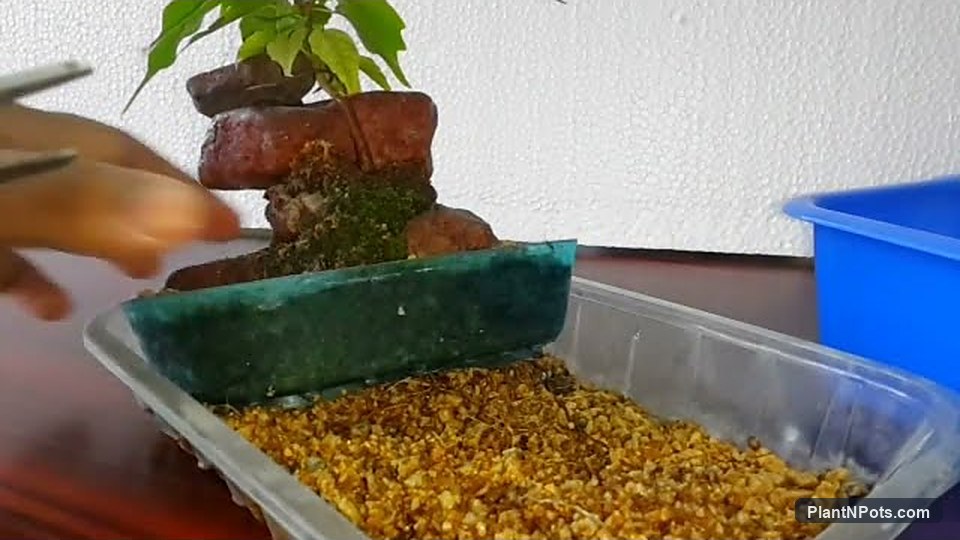
Achieving maximum drainage efficiency starts with proper preparation before the tree enters the pot. Securing concave synthetic mesh screens over each drainage hole stops soil loss while passing water.
Tie-down wires threaded through adjacent loops anchor the root ball tightly against the mesh. This stability prevents soil shifting during heavy rains or routine maintenance tasks.
Layering coarse pumice or lava rock across the bottom creates an immediate infiltration zone. This coarse aggregate layer encourages rapid gravitational pull away from the root mass.
Filling remaining spaces with balanced bonsai soil completes the foundational potting procedure. Water thoroughly immediately afterward to settle particles and verify proper outflow speeds.
- Anchor drainage mesh securely using weather-resistant aluminum wire.
- Distribute coarse base aggregate evenly across the container floor.
- Position root systems carefully over prepared anchor wires.
- Test drainage speed immediately after completing the repotting process.
Selecting the Right Drainage Mesh Material
Plastic convex or flat mesh squares offer superior durability against damp soil conditions. Avoid using rusting wire mesh that degrades quickly inside moist substrates.
Cut mesh pieces slightly larger than the drainage holes to ensure complete coverage. Secure the edges firmly so soil particles cannot slip past the barrier.
- Choose rot-resistant plastic or stainless steel mesh products.
- Cut patches to overlap hole margins by half an inch.
Evaluating Alternative Container Styles and Solid-Bottom Display Pieces
Collectors occasionally admire antique ceramic trays or stone slabs lacking standard drainage infrastructure. Transforming these unique display items requires understanding safe modification techniques or utilizing liners.
Natural stone slabs can sometimes be diamond-core drilled using specialized wet masonry bits. This delicate operation adds functional drainage without ruining the rustic aesthetic of the slab.
Cascade pots present unique depth challenges due to their elongated vertical drop profiles. These tall containers demand exceptionally open soil mixes to prevent bottom compaction.
Always prioritize horticultural health over pure aesthetic novelty when housing valuable specimens. A living tree requires functional physics more than a visually striking enclosure.
- Inspect antique ceramic pieces for hairline cracks before modification.
- Utilize professional diamond bits when drilling hard stone slabs.
- Match soil coarseness to the specific depth of the container.
- Prioritize plant survival above all aesthetic display considerations.
Managing Deep Cascade Style Containers
Cascade containers feature deep vertical chambers that hold immense amounts of moisture. Extra-coarse soil aggregates must be used at the bottom to maintain adequate aeration.
Monitor lower soil moisture levels carefully using a wooden chopstick test. Deep containers often feel dry on top while remaining dangerously soggy below.
- Pack coarse volcanic rock into the deepest sections.
- Test lower moisture depths with a wooden probe.
Best Practices for Modifying Existing Containers Safely at Home
If you fall in love with an un-drilled ceramic bowl, modifying it becomes necessary. Using a carbide masonry drill bit at low speeds prevents catastrophic cracking during the process.
Submerge the entire container in water while drilling to keep the bit cool. Continuous lubrication minimizes friction and extends the working life of your specialized tool.
Apply gentle, consistent pressure rather than forcing the bit through dense ceramic material. Let the rotating machinery do the difficult work without putting stress on the glaze.
Clean the newly created aperture thoroughly to remove sharp burrs before planting. Smooth edges protect delicate root tips from mechanical damage during future maintenance.
- Wear protective safety glasses and waterproof gloves during drilling.
- Keep the ceramic surface submerged or heavily misted with water.
- Drill at slow RPM settings to prevent sudden thermal cracking.
- Smooth sharp interior edges with fine silicon carbide sandpaper.
Testing Modified Containers for Structural Integrity
After drilling new holes, inspect the surrounding glaze for hidden stress fractures. Submerge the modified pot in water overnight to check for slow leaks.
Ensure water flows out freely through the fresh apertures without pooling. A properly modified container protects your tree just as well as factory-drilled pottery.
- Perform overnight soak tests on all newly drilled ceramics.
- Verify complete outflow before introducing living plant material.
Seasonal Watering Adjustments to Prevent Root Suffocation
Changing weather patterns demand flexible watering habits to maintain ideal soil moisture levels. Summer evaporation rates differ dramatically from damp, cool autumn precipitation cycles outdoors.
During heavy seasonal downpours, outdoor bonsai face continuous water influx that tests drainage limits. Elevating pots on wire stands improves airflow beneath the drainage holes.
Winter dormancy slows metabolic activity, meaning trees require significantly less moisture overall. Slower consumption combined with poor drainage creates a lethal recipe for root rot.
Adjust your irrigation schedule dynamically by checking actual soil dryness daily. Never water on a rigid calendar schedule regardless of prevailing environmental conditions.
- Elevate containers during rainy seasons to maximize bottom airflow.
- Reduce watering frequency significantly during winter dormancy periods.
- Check soil moisture manually before applying any additional water.
- Protect sensitive specimens from prolonged torrential rainfall events.
Protecting Trees from Freezing Water Damage
Water trapped inside blocked drainage holes expands aggressively when freezing temperatures arrive. This ice expansion cracks expensive ceramic pots and ruptures fragile root tissues.
Ensure complete winter drainage so expanding ice cannot form blockages. Move vulnerable specimens into unheated cold frames during severe winter weather.
- Clear debris from drainage holes before autumn frosts begin.
- Store frost-sensitive ceramics in protected cold frame structures.
Frequently Asked Questions
Do all bonsai pots require drainage holes?
Yes, drainage holes are fundamentally mandatory for long-term bonsai health. Without them, water collects at the base and causes fatal root rot.
Can I drill holes into a solid ceramic bowl?
You can easily drill un-drilled containers using a specialized carbide masonry bit. Always use water lubrication and slow speeds to prevent cracking.
What happens if my bonsai pot has no drainage?
Sealed pots trap excess moisture and mineral salts, leading to oxygen starvation. Your tree will quickly display yellowing leaves and root decay symptoms.
How do I stop soil from falling out of the holes?
Cover the interior apertures with convex synthetic mesh screens secured by wire. This keeps coarse substrate inside while letting water escape freely.
Why are traditional bonsai pots so shallow?
Shallow designs intentionally restrict root vigor to maintain dwarf tree proportions. This shallow profile makes unhindered bottom drainage absolutely critical for survival.

