Master large container gardening with precise measurements, weight calculations, and material specifications for heavy-duty thirty-gallon growing vessels.
Key Takeaway:
A standard 30 gallon pot typically measures 24 to 26 inches in diameter and 18 to 22 inches in depth, requiring substantial soil volume.
Quick-Reference Guide to Large Container Specifications
| Container Type | Typical Diameter | Average Depth & Notes |
|---|---|---|
| Standard Nursery 30 Gallon | 24 to 26 inches | 18 to 20 inches deep for tree stock |
| Fabric Grow Bag 30 Gallon | 24 inches across | 15 inches tall with flexible walls |
| Square Plastic Planter | 22 inches square | 24 inches tall for deep root runs |
| Whiskey Barrel Planter | 26 inches top diameter | 21 inches deep wooden construction |
| Self-Watering Mega Pot | 28 inches wide | 20 inches deep with internal reservoir |
| Orchard Tree Planter | 30 inches across | 24 inches deep for structural stability |
Standard Physical Measurements of Thirty Gallon Containers
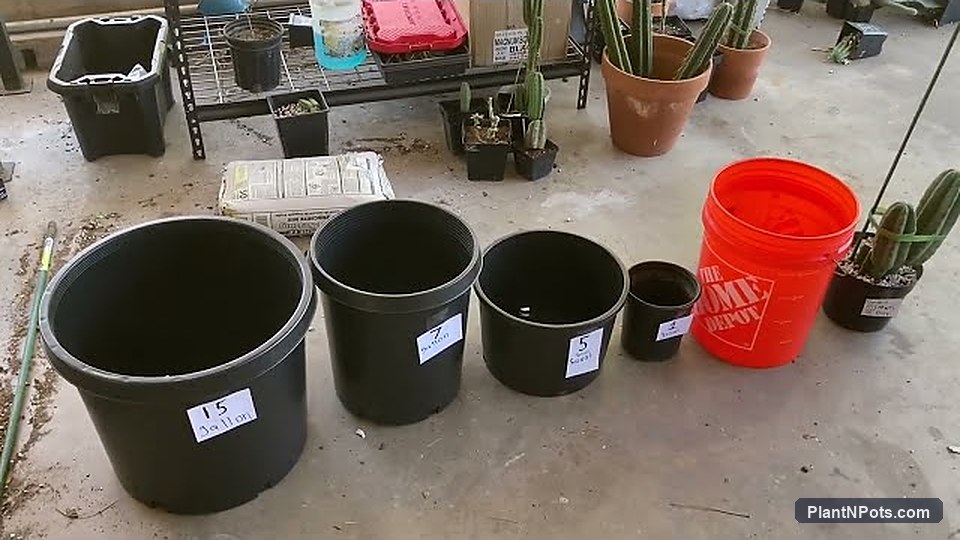
Navigating large container sizes requires precise physical dimensions before purchasing soil. Review our [best ceramic planter choices](https://plantnpots.com/?p=3063) to understand standard top openings and overall structural footprints.
Depth is another critical factor influencing root health and substrate stability. These substantial pots usually extend eighteen to twenty-two inches downward, providing enough vertical clearance for established root systems.
Bottom dimensions taper inward significantly to facilitate efficient manufacturing and easy plant extraction. Expect the stable base diameter to measure around nineteen to twenty-one inches across.
Wall thickness varies considerably depending on the manufacturing process used by the producer. Heavy-duty injection-molded plastics feature thicker rims than standard blow-molded alternatives found in commercial nurseries.
- Measure top rim diameters including the reinforced lip for accurate spacing.
- Account for inward tapering when calculating bottom stability and saucer sizes.
- Verify internal depth measurements to ensure proper root clearance for trees.
- Check manufacturer specifications because dimensions fluctuate slightly across brands.
Measuring Diameter and Depth Accurately
Use a rigid tape measure spanning straight across the absolute widest point of the rim. Avoid measuring along angled curves to prevent incorrect diameter calculations on large round containers.
Insert your measuring tape vertically down the interior wall to find the exact usable depth. Subtract any internal drainage ridges or false-bottom reservoirs from your final depth tally.
- Always measure from the outermost rim edge for accurate spacing layouts.
- Use a weighted plumb line for precise interior depth checks on tall pots.
Understanding Volumetric Capacity Versus Actual Soil Volume
Translating stated gallon sizes into actual cubic measurements prevents ordering incorrect amounts of potting mix. One US liquid gallon equals 231 cubic inches of volume within standard containers.
Multiplying this conversion factor means a true thirty-gallon vessel requires roughly 6,930 cubic inches of soil. This translates to approximately four cubic feet of standard container growing medium.
Settling and compaction inevitably reduce initial soil volumes after initial watering sessions occur. Always purchase slightly more potting mix than calculated to account for natural settling over time.
Commercial potting soils absorb moisture unevenly during initial fills in massive vessels. Pre-moistening your soil mix before loading the container prevents dry pockets from forming around roots.
- Calculate soil requirements using exact cubic inch conversion formulas carefully.
- Buy extra potting mix to compensate for post-watering soil compaction.
- Pre-moisten heavy substrate loads to ensure uniform initial hydration levels.
- Avoid heavy garden topsoil which packs tightly inside large pots.
Calculating Cubic Feet for Bulk Soil Orders
Divide your total cubic inches by 1,728 to determine exact cubic footage requirements. Ordering bulk soil by the cubic yard requires dividing your total cubic feet by twenty-seven.
Accurate bulk calculations save money and prevent exhausting manual labor trips. Always order an extra ten percent to handle top-offs during the growing season.
- Use the standard 1,728 divisor for cubic foot conversions.
- Factor in a ten percent surplus for seasonal soil replenishment.
Video Walkthrough: Shorty Soil Saver Grassroots Fabric Pots 30 Gallon Review
Material Variations and Their Impact on Exterior Sizes
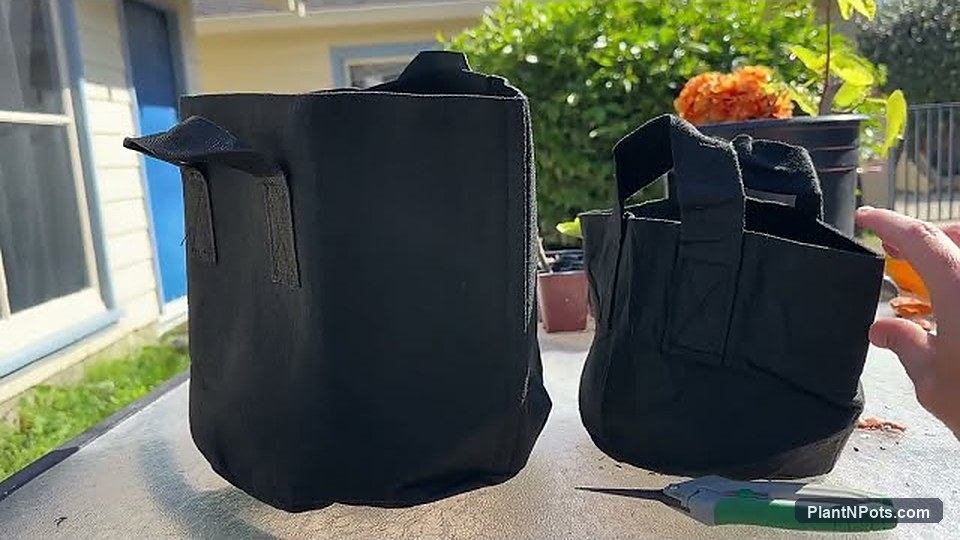
Container construction materials drastically alter exterior dimensions while maintaining identical internal volume capacities. Heavy [terra cotta urns](https://plantnpots.com/?p=1311) add two to four inches of overall width compared to standard plastics.
Fabric grow bags feature flexible textiles that bulge slightly outward when filled with wet soil. This dynamic expansion means a fabric thirty-gallon pot appears wider and shorter than rigid plastic.
Fiberglass composites maintain slim profile walls while offering exceptional structural rigidity against heavy loads. These lightweight alternatives maximize internal planting space without increasing overall exterior footprints significantly.
Wooden half-barrel containers utilize thick staves and metal bands that increase wall thickness. Planters constructed from oak staves require extra clearance on patios due to their bulky frames.
- Factor in thick ceramic walls when planning tight patio layouts.
- Expect fabric grow bags to bulge outward and decrease in height.
- Choose fiberglass composites for maximum interior space with thin profiles.
- Measure wooden barrel hoops to ensure accurate clearance through doorways.
Rigid Plastic Versus Fabric Dimensional Shifts
Rigid injection-molded plastics retain strict geometric shapes throughout seasonal temperature swings. Their predictable dimensions simplify precise spacing calculations in commercial growing operations and home gardens.
Flexible fabric walls breathe exceptionally well but distort under heavy watering pressure. This lateral bulging requires wider spacing between adjacent containers in tight growing spaces.
- Rigid plastics maintain fixed outer dimensions under heavy loads.
- Fabric containers expand laterally when filled with wet substrates.
Vegetable and Fruit Container Sizes for Large Crops
Thirty-gallon vessels provide optimal root development zones for large vining and heavy-feeding crops. Dwarf fruit trees thrive exceptionally well when planted within these deep volumetric boundaries.
Large indeterminate tomato varieties produce massive root networks benefiting immensely from expansive soil zones. Planting multiple dwarf tomato plants in one container risks severe root crowding issues.
Root vegetables like large daikon radishes or massive heirloom carrots require deep vertical clearance. Ensure your thirty-gallon container measures at least twenty inches deep for these crops.
Perennial berry bushes establish robust root masses over multiple successful growing seasons. Thirty-gallon pots accommodate blueberries or blackberries comfortably for several years before division becomes necessary.
- Select deep thirty-gallon pots for permanent dwarf fruit tree installations.
- Limit massive indeterminate tomatoes to one single plant per container.
- Verify minimum vertical depth requirements before planting long root crops.
- Plan for multi-year perennial cultivation with rich, well-draining substrates.
Companion Planting Rules in Massive Planters
Utilize the expansive surface area of large pots for strategic companion planting. Pair deep-rooted main crops with shallow-rooted herbs to maximize space efficiency safely.
Avoid overcrowding by maintaining adequate spacing between companion plants and main crops. Competition for water and nutrients diminishes overall harvest yields significantly in containers.
- Combine deep-rooted main crops with shallow herbs efficiently.
- Prevent nutrient competition by limiting total plant density.
Safe Handling Ergonomics and Empty Container Weights
Moving thirty-gallon containers requires careful ergonomic planning to prevent severe personal injury. An empty rigid plastic pot weighs roughly five to nine pounds depending on wall thickness.
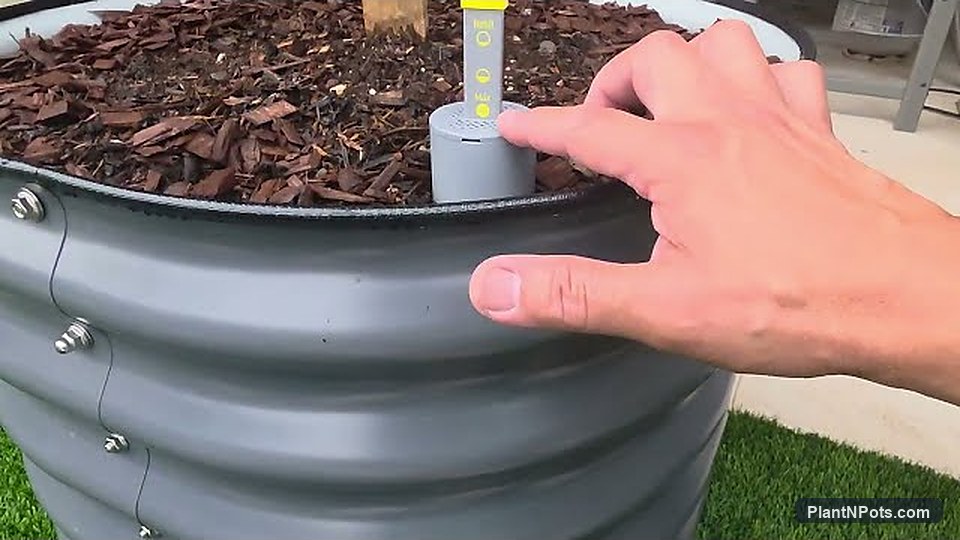
Once filled with damp potting soil and established plants, total weight exceeds three hundred pounds. Never attempt to lift a fully saturated large container without mechanical assistance.
Integrated structural handles molded directly into heavy-duty pots facilitate safe pivoting and positioning. Inspect handle attachment points regularly to ensure they can withstand extreme lifting stress.
Positioning large pots on heavy-duty rolling plant caddies simplifies seasonal relocation chores. Ensure your rolling platform supports rated weight capacities exceeding three hundred fifty pounds safely.
- Never lift saturated large containers manually to avoid back injuries.
- Inspect integrated molded handles for stress fractures before shifting.
- Use rated rolling plant caddies for effortless patio repositioning.
- Position permanent containers carefully before adding heavy soil mixes.
Using Mechanical Lifts and Rolling Caddies
Commercial two-wheel hand trucks safely transport heavy planters across flat paved surfaces. Tilt the container gently onto the padded hand truck blade while securing the midsection securely.
Locking caster wheels prevent heavy pots from drifting during severe windstorms. Select caster wheels constructed from durable polyurethane to protect delicate wooden patio decking.
- Secure heavy pots to hand trucks with durable ratchet straps.
- Install locking polyurethane casters to protect vulnerable patio surfaces.
Drainage Requirements for Deep Large-Volume Planters
Effective water management remains paramount in massive containers prone to lower root zone saturation. Thirty-gallon pots require multiple generous drainage holes to prevent fatal root rot.
Drill supplemental drainage holes if manufacturer specifications provide inadequate water evacuation pathways. A total drainage area of two square inches per cubic foot of soil is ideal.
Elevate heavy containers slightly using pot feet or sturdy wooden blocks. Quality [large pot options](https://plantnpots.com/?p=4844) require unobstructed airflow beneath the base to prevent vacuum seals from forming against solid patio surfaces.
Perched water tables form naturally at the bottom of deep containers regardless of substrate type. Selecting coarse, highly porous bottom amendments encourages healthy gravitational water movement downward.
- Drill supplemental holes to ensure rapid water evacuation after storms.
- Elevate containers on pot feet to maintain unrestricted bottom airflow.
- Avoid clogging drainage holes by using porous mesh screening material.
- Account for perched water tables when selecting deep potting media.
Preventing Soil Loss Through Large Drainage Holes
Cover oversized drainage holes with durable fiberglass window screening material. This stops soil erosion while permitting unrestricted water flow out of the container base.
Avoid placing heavy layers of broken pottery rocks at the bottom. Physics proves perched water tables actually rise when fine soils rest over coarse gravel.
- Use fiberglass window screen patches over large bottom drainage holes.
- Skip traditional gravel bottom layers to prevent perched water issues.
Frequently Asked Questions
What are the standard dimensions of a 30 gallon pot?
A standard thirty-gallon container measures about twenty-four to twenty-six inches in diameter across the top rim. The vertical depth typically ranges between eighteen and twenty-two inches to support large root systems.
How many cubic feet of soil fill a 30 gallon container?
Filling a true thirty-gallon pot requires roughly four cubic feet of potting mix. Always purchase slightly more soil to account for natural settling and compaction after watering.
How much does a filled 30 gallon pot weigh?
A fully saturated thirty-gallon container packed with wet soil often exceeds three hundred pounds. Always position these massive vessels in their permanent locations before adding soil and plants.
Can you grow small trees in a 30 gallon container?
Thirty-gallon pots provide an ideal root environment for dwarf fruit trees and ornamental specimens. The generous twenty-four inch width accommodates long-term perennial growth comfortably.
Why do fabric 30 gallon pots look wider than plastic ones?
Flexible fabric container walls bulge outward under the lateral weight of wet soil. This dynamic expansion makes fabric pots appear wider and slightly shorter than rigid plastic alternatives.

