Selecting the proper container guarantees vigorous root expansion and heavy fruit yields. Follow these technical gardening specifications for optimal results.
Key Takeaway:
Always select a container holding at least 5 gallons of premium potting mix for standard tomato varieties. Adequate root volume directly dictates overall fruit production and moisture retention.
Quick-Reference Container Guide
| Tomato Variety | Minimum Volume | Ideal Depth & Width |
|---|---|---|
| Micro Dwarf | 2 Gallons | 8 inches deep, 10 inches wide |
| Determinate / Bush | 5 Gallons | 12 inches deep, 12 inches wide |
| Indeterminate | 10 Gallons | 14 inches deep, 16 inches wide |
| Cherry Tomatoes | 7.5 Gallons | 12 inches deep, 14 inches wide |
| Paste / Roma | 10 Gallons | 14 inches deep, 15 inches wide |
| Beefsteak | 15 Gallons | 16 inches deep, 18 inches wide |
Understanding Root Volume Mechanics in Container Tomatoes
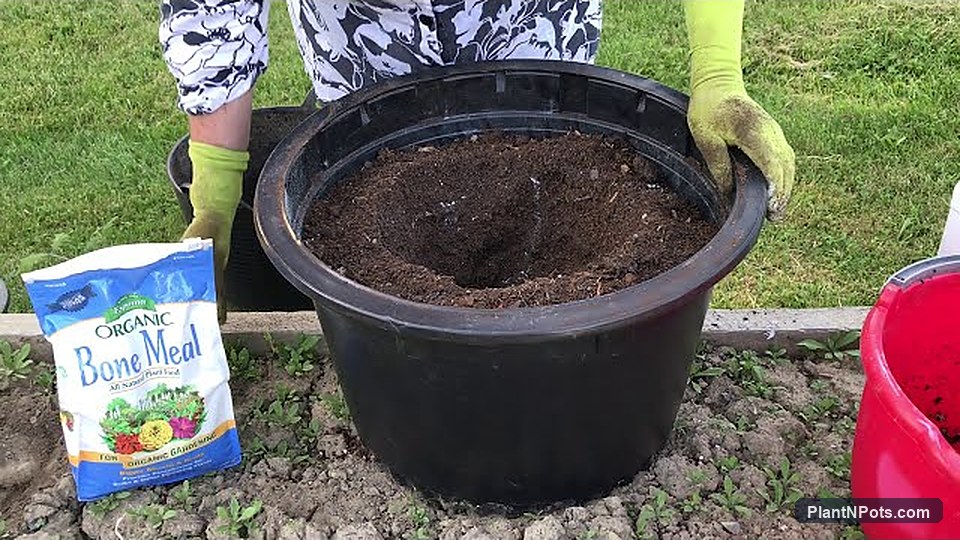
Tomato plants possess extensive root systems that demand substantial space to thrive. Restricting root growth prematurely stunts overall plant vigor and limits potential harvest volume.
Container volume serves as the primary governing factor for nutrient absorption and water storage. Smaller vessels dry out rapidly during peak summer heatwaves.
When comparing gear and setup options, our [best planter for tomatoes: top](https://plantnpots.com/?p=3573) breaks down key materials, sizing, and durability trade-offs.
Commercial growers rely on specific cubic measurements to ensure sustained plant health. Providing adequate below-ground clearance prevents premature root-binding and nutritional lockout.
Balancing physical container weight with sufficient soil mass prevents tipping during heavy winds. Heavy-duty resin or fabric vessels offer exceptional stability for large specimens.
Tomato plants develop extensive root systems requiring adequate physical space to absorb water and nutrients efficiently. Restricted root volumes stunt overall plant vigor and drastically reduce seasonal fruit yields.
Indeterminate varieties demand at least a five-gallon container to sustain continuous vine growth and heavy fruit production over months. Smaller pots cause premature root binding, leading to rapid moisture depletion and nutrient deficiencies.
Root architecture relies heavily on lateral spread and deep vertical penetration. Selecting deep containers prevents the taproot from curling, which stabilizes the plant and promotes balanced hormone distribution throughout stems.
Oxygen exchange is equally critical for root respiration in confined spaces. Compacted or waterlogged soil suffocates root hairs, preventing proper mineral uptake and inviting fatal fungal pathogens into the growing medium.
- Match root volume directly to mature plant canopy size.
- Ensure a minimum depth of 12 inches for standard bushes.
- Avoid tapered pots that reduce lower root zone capacity.
- Calculate soil weight when saturated with water.
The Science of Below-Ground Expansion
Active root tips constantly search for moisture and essential minerals throughout the potting medium. Confined spaces force roots into tight circular patterns.
Oxygen exchange is critical within the lower root zone to prevent anaerobic decay. Porous containers facilitate superior gas exchange compared to sealed plastic.
- Monitor root tips for signs of thermal stress.
- Maintain loose structural porosity in the lower substrate.
Sizing Containers by Tomato Growth Habit and Variety
Determinate tomato varieties stop growing once they set fruit, requiring smaller containers. A 5-gallon pot typically satisfies their modest root systems.
Indeterminate tomatoes continue growing and producing fruit until frost arrives. These vigorous climbers demand 10 to 15 gallons of soil space.
Dwarf and patio varieties adapt exceptionally well to compact growing conditions. You can successfully cultivate miniature types in vessels holding just two gallons.
Choosing the wrong size for your specific cultivar leads to nutrient deficiencies and early decline. Always verify the mature plant tag before purchasing pots.
Determinate bush types feature compact growth habits, making them ideal for smaller three-gallon pots or hanging baskets. These plants stop growing once flowers set, requiring less overall root capacity than vining types.
Dwarf and micro varieties thrive in compact spaces like one-gallon containers on sunny windowsills. Their genetically restricted size matches the reduced soil volume, preventing the transplant shock common in larger setups.
Heirloom slicing tomatoes require massive root zones, often demanding ten-gallon containers or half-whiskey barrels. Their sprawling root systems support heavy indeterminate vines that bear large, nutrient-dense fruits all summer long.
Cherry tomato cultivars grow vigorously and perform best in five-gallon to seven-gallon pots. Providing adequate root space prevents premature fruit splitting and ensures a steady harvest of sweet, flavorful garden treats.
- Use 5 gallons for compact determinate bush types.
- Upgrade indeterminate vining types to 10 gallons minimum.
- Select 2 gallons exclusively for true micro-dwarf cultivars.
- Account for dense foliage weight when sizing bases.
Matching Cultivars to Specific Vessel Capacities
Vining heirloom cultivars develop massive root networks over extended growing seasons. Providing oversized containers prevents mid-season nutritional crises.
Compact patio hybrids sacrifice overall yield for space-saving efficiency in urban environments. These manageable plants thrive happily in medium-sized tubs.
- Prioritize width over height for sprawling root zones.
- Group similar varieties by container size requirements.
Video Walkthrough: Grow Amazing Tomatoes In Containers 🍅 (COMPLETE GUIDE)
Evaluating Pot Materials and Thermal Dynamics for Roots
Terracotta pots offer excellent breathability but dry out extremely fast in direct sunlight. Plastic containers retain moisture longer but trap excessive heat.
Fabric grow bags provide superior air pruning for roots, preventing circular binding. This innovative material keeps root temperatures cooler during intense summer afternoons.
Dark-colored plastic pots absorb solar radiation, potentially cooking delicate peripheral roots. Selecting light-colored or reflective containers mitigates this dangerous thermal buildup.
Heavy ceramic vessels insulate soil against sudden ambient temperature fluctuations effectively. However, their sheer weight makes repositioning mature plants extremely difficult.
Terracotta pots offer exceptional breathability and evaporative cooling, protecting roots from extreme summer heat waves. However, unglazed clay dries out rapidly, requiring much more frequent watering schedules during peak fruiting.
Plastic containers retain moisture efficiently and reduce watering frequency, but they trap ambient heat. Dark-colored plastic absorbs solar radiation, potentially cooking delicate root zones when exposed to direct afternoon sunlight.
Fabric grow bags provide superior air pruning, which naturally prevents root circling and promotes dense fibrous root masses. The porous sides also enhance oxygen diffusion directly into the surrounding potting mix.
Wooden containers insulate root systems effectively against sudden temperature fluctuations during unpredictable spring weather shifts. Ensure untreated cedar or redwood is used to prevent chemical leaching into your edible tomato crops.
- Opt for breathable fabric bags in hot southern climates.
- Use thick plastic or resin for moisture retention.
- Avoid dark metal containers that transfer extreme heat.
- Elevate pots on bricks to enhance bottom drainage.
Material Porosity and Evaporation Rates
Porous walls allow moisture to evaporate from all sides, requiring frequent irrigation checks. Non-porous surfaces concentrate water loss strictly through surface foliage.
Balancing material choice with local climate conditions prevents root scorching and drought stress.
- Check soil moisture daily in unglazed clay pots.
- Inspect fabric seams for structural integrity annually.
Soil Composition, Drainage Physics, and Moisture Management
Never use heavy garden soil inside containers because it compacts and lacks oxygen. Always utilize a loose, peat-based potting mix formulated specifically for containers.
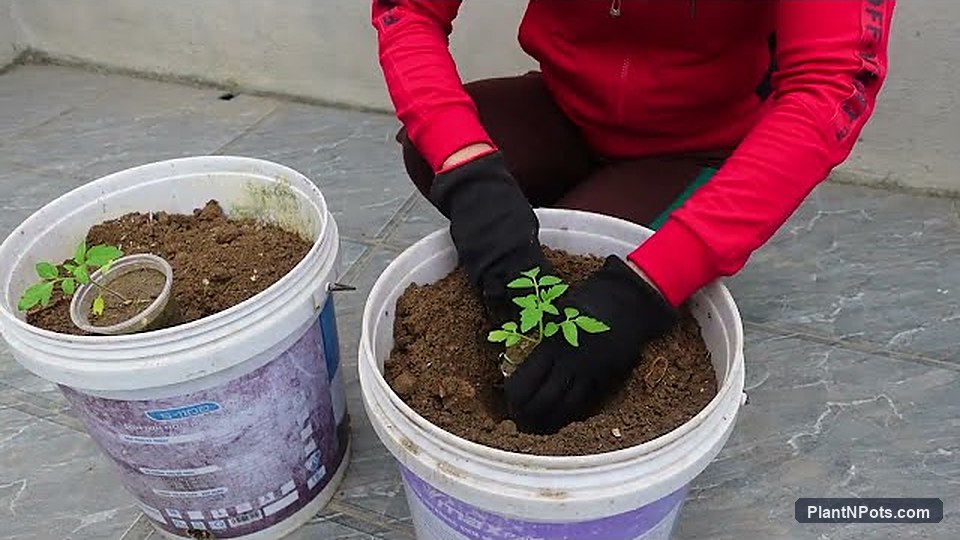
Proper drainage holes are non-negotiable for preventing fatal root rot issues. A blocked drainage hole quickly creates an oxygen-depleted anaerobic swamp.
Adding perlite or coarse sand improves internal aeration and water percolation rates. Good structure allows excess irrigation water to escape within seconds.
Consistent watering schedules prevent blossom end rot caused by erratic moisture levels. Large containers buffer daily fluctuations better than small ones.
Garden soil should never be used in containers because it compacts easily and lacks proper drainage. Instead, utilize a soilless potting mix composed of peat moss, perlite, and compost for optimal aeration.
Proper gravitational drainage prevents water from pooling at the base of your container and rotting roots. Ensure pots feature multiple large drainage holes so excess irrigation water escapes freely after every watering session.
Moisture retention polymers can help regulate hydration levels in fast-draining synthetic containers during scorching weather. Always monitor soil moisture manually by inserting your finger two inches deep before applying irrigation.
Mulching the topsoil surface with straw or shredded bark drastically reduces surface evaporation rates. This physical barrier also prevents soil-borne fungal spores from splashing onto lower tomato leaves during heavy watering.
- Incorporate perlite to maximize aeration channels.
- Drill extra drainage holes if factory options look sparse.
- Avoid placing gravel at the bottom of containers.
- Test substrate moisture depth using a wooden dowel.
Perched Water Tables in Container Gardening
Gravity pulls water downward until it meets a restrictive drainage boundary layer. This creates a saturated zone at the base of shallow pots.
Selecting taller containers moves the root zone safely above this wet boundary layer.
- Choose taller vessels to minimize perched water impact.
- Ensure potting mix maintains uniform texture throughout.
Structural Support, Stake Integration, and Wind Stability
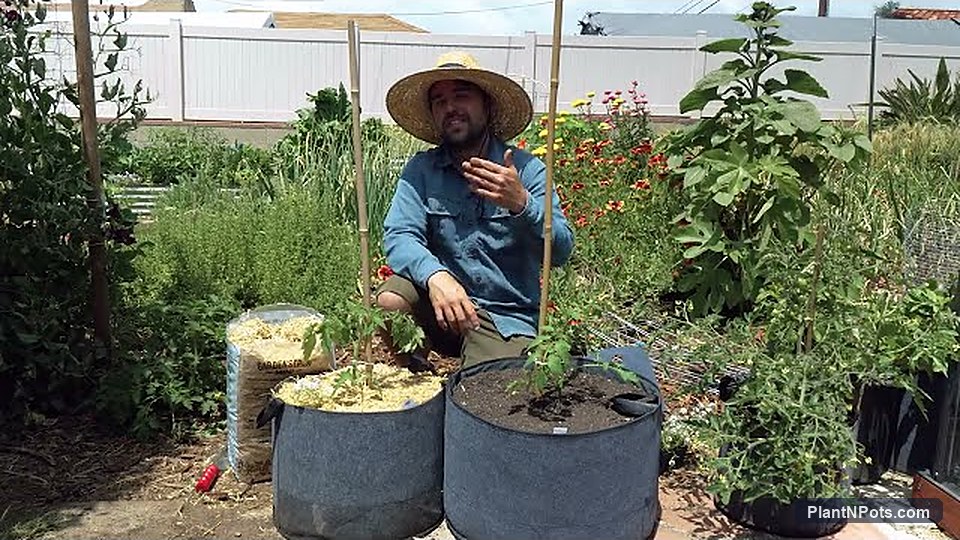
Top-heavy tomato plants easily topple over in strong winds if improperly anchored. Wide, heavy containers provide a sturdy base center of gravity.
Inserting tomato cages directly into potting mix requires deep anchorage. Lightweight pots will tip over once the fruit load matures.
Securing support stakes to the exterior frame prevents soil shifting during storms. Integrated self-watering systems add beneficial ballast weight at the bottom.
Plan your support strategy before planting to avoid damaging established root systems later. Heavy-duty stakes must penetrate deep into the lower soil.
Top-heavy tomato plants in lightweight containers easily topple over during strong summer windstorms. Securely anchor heavy-duty stakes or tomato cages directly into the potting substrate before planting to prevent tipping.
Larger seven-gallon containers provide a wider base that significantly improves overall center of gravity stability. Narrower pots may require weighted saucers or securing straps to prevent catastrophic wind damage outdoors.
Inserting stakes early avoids damaging fragile root systems that expand rapidly during the first month. Tie main stems loosely to supports using soft garden twine to allow natural swaying without stem breakage.
Cage integration must accommodate the mature canopy width of your chosen tomato variety. Inadequate support leads to broken branches, exposed fruit, and reduced overall yields due to poor sunlight penetration.
- Anchor heavy tomato cages securely into the potting mix.
- Use wide-diameter pots to prevent wind-induced tipping.
- Tie main stems loosely to supportive stakes as they grow.
- Add clean river rocks to the base for extra weight.
Wind Load Calculations for Patio Growers
Mature tomato canopies act like sails during unexpected summer storm gusts. Elevated balcony gardens experience significantly higher wind velocities than ground-level patios.
Anchoring containers to structural railings ensures safety in high-rise settings.
- Position tall pots against protective structural walls.
- Prune lower suckers to reduce overall wind resistance.
Video Walkthrough: The Best Pot Size for Growing Tomatoes??? (Big or Small)
Frequently Asked Questions
Can I grow a full-size tomato plant in a standard 3-gallon bucket?
A 3-gallon bucket is generally too small for standard indeterminate tomatoes. Use at least a 5-gallon capacity to prevent severe root restriction and drought stress.
Why is the bottom of my tomato pot always staying soggy?
Poor drainage holes or compacted potting mix causes perched water tables at the bottom. Drill additional holes and switch to a lighter, aerated medium immediately.
Do fabric grow bags work better than hard plastic containers?
Fabric bags air-prune roots and prevent circling, promoting a fibrous root system. However, they dry out much faster than thick plastic pots during heatwaves.
How often should I water a tomato plant in a large container?
Water deeply whenever the top 2 inches of potting mix feels dry. Peak summer heat often requires daily irrigation or automated drip systems.
Should I add gravel to the bottom of my tomato pot for drainage?
Adding gravel actually impedes downward water movement due to perched water table physics. Fill the entire container with uniform, high-quality potting mix instead.

