Master the exact steps for repotting your Pilea peperomioides. This guide covers soil selection, root checks, and post-transplant recovery.
Key Takeaway:
Always choose a container just one size larger with active drainage holes to prevent root rot during recovery.
Quick-Reference Guide
| Factor / Scenario | Recommended Target | Why It Matters |
|---|---|---|
| Pot Size Increase | 1 to 2 inches wider | Prevents excessive moisture retention |
| Soil Composition | Standard potting mix + perlite | Ensures rapid aeration and drainage |
| Watering After | Water thoroughly once | Settles soil around delicate roots |
| Lighting Conditions | Bright indirect light | Reduces transplant shock stress |
| Fertilizer Timing | Wait 4 to 6 weeks | Protects sensitive recovering root systems |
| Planting Depth | Match previous soil line | Prevents stem rot and instability |
Assessing Root Systems Before Selecting a Container
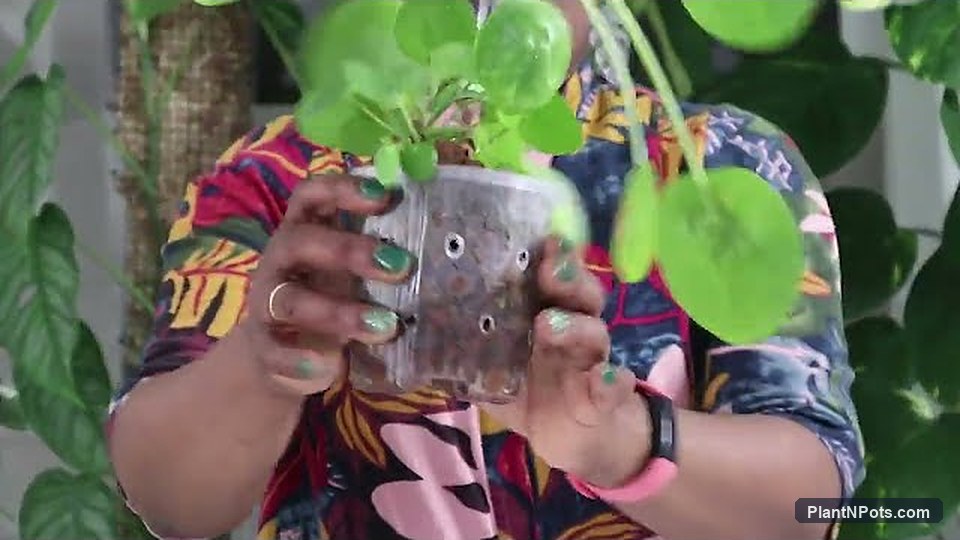
Before purchasing a larger planter, carefully slide your Pilea out of its current pot to inspect the root ball. Root-bound conditions require immediate attention to restore vigorous growth.
Avoid sizing up excessively because surplus soil holds moisture too long. Select a container that exceeds the old diameter by only one to two inches maximum.
Terra cotta containers provide excellent breathability for Chinese money plants by allowing moisture to evaporate through porous walls. Plastic planters retain water longer, so monitor soil drying rates closely.
Always verify that any chosen decorative cachepot features functional drainage holes at the base. Standing water creates anaerobic conditions that quickly decimate delicate houseplant root systems.
- Inspect root density before buying new pots.
- Limit container increases to two inches.
- Choose breathable materials like terra cotta.
- Guarantee uncompromised bottom drainage holes.
Evaluating Nursery Pot Materials
Flexible nursery plastic permits easy extraction during future maintenance tasks. Alternatively, using [sturdy porcelain planters](https://plantnpots.com/?p=1171) provides superior stability for top-heavy, mature Chinese money plants.
Matching pot weight to plant canopy size prevents accidental tipping incidents on indoor shelving. Always balance aesthetic preferences with strict structural safety requirements for your indoor display.
- Prioritize stability for tall specimens.
- Use plastic liners inside heavy cachepots.
Blending a Fast-Draining Substrate for Pilea Roots
Chinese money plants demand exceptionally well-draining soil to prevent stem rot. Using specialized pots with water reservoirs alongside coarse perlite ensures ideal structural aeration for roots.
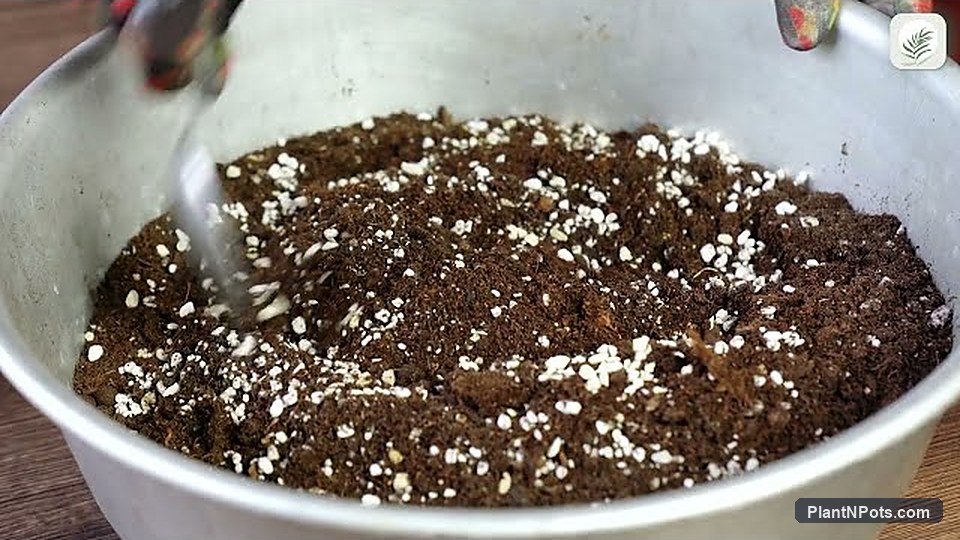
Avoid heavy garden soil because it compacts easily inside restricted container environments. Incorporating organic orchid bark helps mimic the natural epiphytic root conditions these unique specimens prefer.
Test your custom blend by squeezing a handful slightly in your palm. The soil mixture should spring apart loosely rather than forming a dense, waterlogged clay ball.
Maintain a slightly acidic to neutral pH range between 6.0 and 7.0 for optimal nutrient uptake. This prevents common mineral lockout issues during active spring and summer growth cycles.
- Mix perlite into standard potting soil.
- Avoid dense garden dirt entirely.
- Check texture using a simple squeeze test.
- Maintain neutral soil pH levels.
Soil Amendment Best Practices
Adding horticultural charcoal absorbs impurities and prevents bacterial growth in moist container environments. Always dampen dry soil amendments slightly before mixing to eliminate irritating airborne dust particles.
Thoroughly blend all ingredients in a large bucket to ensure even nutrient distribution. Uniform soil texture prevents localized wet spots that trigger unexpected root decay in houseplants.
- Pre-moisten amendments to reduce dust.
- Blend ingredients evenly in bulk buckets.
Video Walkthrough: How To Repot \u0026 Propagate | Pilea Peperomioides
Extracting and Inspecting the Root System
Ease your plant out of its current pot by gently tapping the container sides. Never yank stems directly, as this causes severe mechanical damage to the central root crown.
Gently brush away old, compacted soil using your fingers to expose the root network. Examine roots carefully for signs of discoloration, foul odors, or soft mushy textures.
Use sterile pruning shears to trim away any dead, rotting, or severely damaged roots. Sterilizing tools with rubbing alcohol prevents spreading fungal pathogens between your prized indoor houseplants.
Untangle tightly circling roots around the outer perimeter to encourage outward lateral growth. This simple adjustment helps roots quickly establish themselves in your fresh potting mixture.
- Tap container sides to loosen soil.
- Inspect roots for decay or rot.
- Sterilize pruning shears with alcohol.
- Tease apart tightly bound root circles.
Replanting at Correct Depth and Positioning
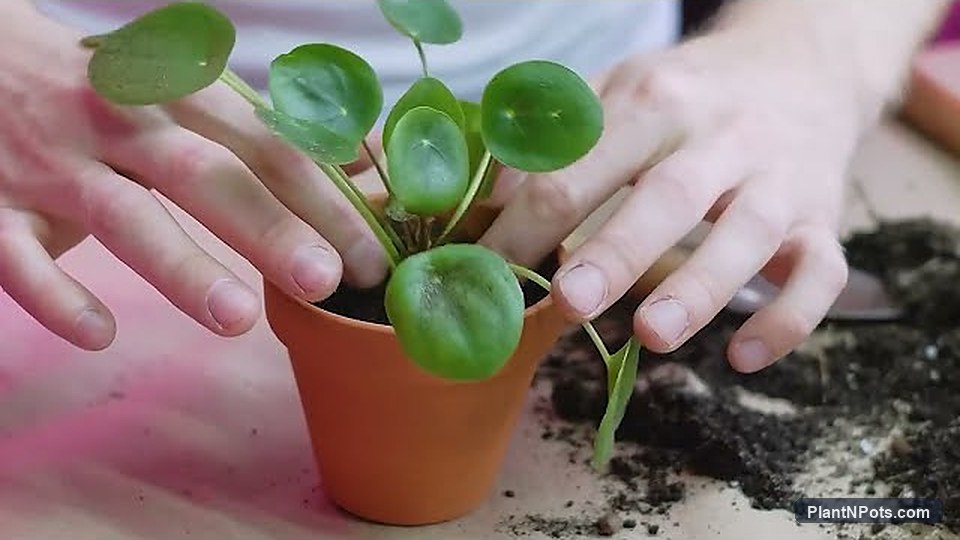
Add a fresh layer of your prepared soil mix to the bottom of the new container. Position the Chinese money plant so its root crown sits level with the rim.
Fill in fresh soil around the root ball while periodically tapping the container gently. This settles the mixture and eliminates large air pockets that can destabilize the plant stem.
Avoid burying the main stem too deeply, as this invites fungal decay and collar rot. Maintain the exact previous depth observed in the original nursery container during transfer.
Press the surface soil down lightly inside your [blue glazed plant pots](https://plantnpots.com/?p=1713) to stabilize the base. Do not compress the potting medium excessively, because adequate air pockets are essential.
- Place soil base inside new container.
- Maintain exact original planting depth.
- Tap pot gently to settle soil.
- Firm surface soil lightly around stems.
Handling Pups and Offsets
Chinese money plants frequently produce small offsets around their base that can be propagated. Carefully slice these pups away with a sharp blade if you want to expand your collection.
Leave very tiny pups attached until they reach at least two inches in height. This ensures they possess enough stored energy to develop independent root systems successfully.
- Propagate offsets during regular repotting tasks.
- Wait for pups to mature slightly.
Post-Repotting Aftercare and Monitoring
Water your newly repotted Chinese money plant thoroughly until liquid drains from the bottom holes. This crucial step settles loose soil particles around the disturbed root system.
Place the container in bright, indirect light while it recovers from transplant shock. Avoid direct midday sun exposure, which can scorch tender foliage and stress the recovering plant.
Withhold all chemical fertilizers for at least four to six weeks after repotting. Fresh potting mixes contain ample nutrients, and added salts can easily burn healing roots.
Monitor the drying rate of your new soil mixture using a moisture meter or finger test. Allow the top two inches of soil to dry completely between watering sessions.
- Water thoroughly after finishing repotting.
- Provide bright indirect lighting conditions.
- Delay fertilizing for six weeks.
- Monitor soil moisture levels closely.
Troubleshooting Persistent Plant Decline
If your Chinese money plant continues dropping lower leaves after repotting, investigate watering habits first. Overwatering remains the primary culprit behind ongoing indoor houseplant decline and leaf drop.
Check for drafts near windows or air conditioning vents that can cause sudden temperature fluctuations. Stable indoor environments between 65 and 75 degrees Fahrenheit promote rapid recovery.
Avoid rushing to repot the plant a second time if stress symptoms persist initially. Plants need time to adjust to root disturbances before showing visible signs of renewed vigor.
Inspect leaf undersides regularly for common pests like spider mites or mealybugs that target stressed specimens. Wipe foliage clean with a damp microfiber cloth to deter unwanted insect infestations.
- Investigate watering habits during decline.
- Protect plants from temperature drafts.
- Avoid unnecessary secondary repotting attempts.
- Check foliage for common houseplant pests.
Frequently Asked Questions
When is the best time of year to repot a Chinese money plant?
Springtime marks the ideal repotting window because active seasonal growth naturally resumes across warm indoor environments, providing optimal physiological recovery conditions for sensitive indoor houseplants.
This highly favorable seasonal timing allows your Pilea peperomioides specimen to recover quickly and efficiently from necessary root disturbances before entering its natural winter dormancy cycle.
How much larger should the new pot be?
Always select a new container that exceeds your previous pot diameter by only one to two inches to effectively prevent chronic moisture retention issues in your container garden.
Sizing up too aggressively causes surplus potting mix to stay wet far too long, thereby triggering fatal root rot in sensitive Pilea specimens.
What kind of soil mix is best for pilea peperomioides?
Use a specialized, fast-draining soil mix formulated by combining standard commercial potting soil with generous amounts of coarse perlite, horticultural pumice, or organic orchid bark.
Avoid heavy garden dirt entirely because it compacts severely and starves fragile container roots of necessary oxygen during indoor cultivation.
Should I fertilize immediately after repotting?
Withhold all chemical fertilizers for at least four to six weeks after repotting to protect your recovering plant roots from chemical damage.
Fresh potting mixes contain ample baseline nutrients, and added synthetic fertilizer salts can easily burn delicate healing root tissues during this vulnerable transition phase.
How do I handle root rot during repotting?
Gently brush away old soil using your fingers and inspect roots carefully for discoloration, foul odors, or soft mushy textures indicating active decay.
Use sterile pruning shears dipped in rubbing alcohol to trim away any damaged roots before placing the plant into fresh, aerated media.

