Master the art of transitioning your indoor bamboo into a stable rock setup. Follow this professional guide for secure anchoring, clean water management, and long-term vitality.
Key Takeaway:
When repotting bamboo in rocks, always maintain water levels just below the root crown to prevent stem rot while ensuring total structural stability.
Quick-Reference Guide for Rock Repotting
| Factor / Scenario | Recommended Target | Why It Matters |
|---|---|---|
| Water Level | 1 to 2 inches below roots | Prevents stem rot |
| Rock Size | 0.5 to 2 inches diameter | Secures heavy canes |
| Water Type | Filtered or distilled | Avoids fluoride damage |
| Container Depth | Minimum 4 inches tall | Provides anchor space |
| Cleaning Interval | Every 30 to 45 days | Eliminates algae buildup |
| Ideal Temperature | 65°F to 80°F | Supports rapid recovery |
Essential Tools and Materials for Rock Repotting
Gathering the proper supplies ensures your bamboo transition goes smoothly without stressing the plant. You will need heavy decorative rocks, a clean glass container, sharp pruning shears, and distilled water.
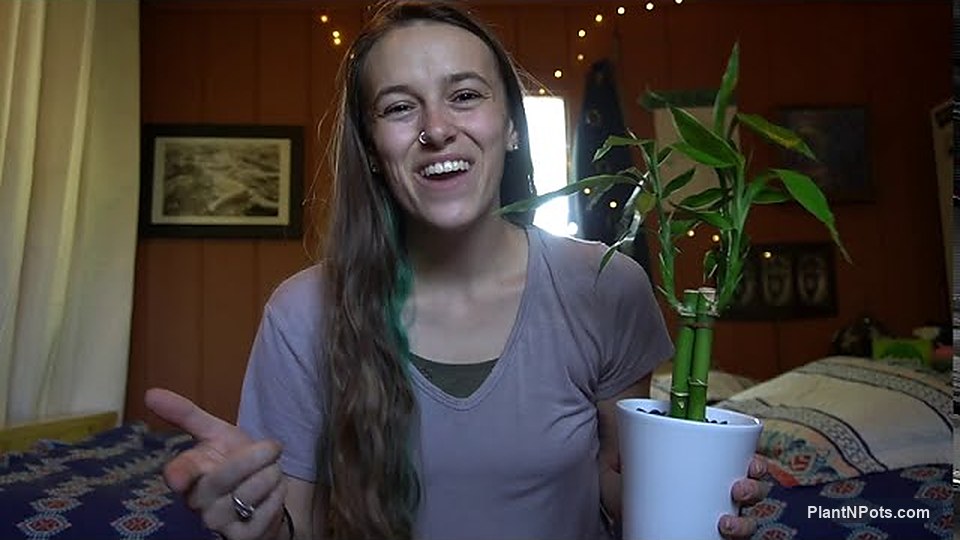
Selecting the right stone weight is critical for supporting tall bamboo stalks. Smooth river stones or polished glass marbles work best because they lack sharp edges that could puncture delicate root tissue.
Always verify that your chosen vessel lacks drainage holes if you plan to use a purely hydroponic rock setup. Watertight glass cylinders or ceramic cachepots create ideal environments for closed aquatic maintenance systems.
Keep a mild dish soap and a soft-bristle brush nearby for sanitizing all equipment before use. Introducing sterilized components drastically reduces the risk of fungal spores invading your fresh water basin.
Gather your clean glassware, heavy decorative river rocks, fresh filtered water, and sharp pruning shears. Having these items ready prevents plant stress during the transition period.
Ensure your chosen vessel or [terracotta pots](https://plantnpots.com/?p=3326) lack drainage holes so they hold standing water securely. Porous unsealed containers will leak and damage indoor wooden surfaces over time.
- Choose non-porous stones to minimize mineral absorption.
- Ensure containers have at least two inches of clearance.
- Keep sharp shears sterilized with rubbing alcohol.
- Stock up on bottled or filtered water for rinsing.
Sourcing Safe Stones
Avoid gathering random outdoor stones that might leach harmful chemicals or alkaline minerals into your clean water. Commercial aquarium gravel or floral glass gems guarantee a chemically neutral environment for roots.
Rinse all new stones thoroughly under warm running water to eliminate residual dust and manufacturing debris. This extra step prevents murky water from clouding your pristine decorative display.
- Inspect stones for sharp fractures.
- Wash away fine mineral powders completely.
Assessing and Preparing Your Bamboo Specimen
After arranging your washed stones, select a suitable [lucky bamboo holder](https://plantnpots.com/?p=2884) to house the delicate stalks. Prepare your workspace carefully before you begin lifting the plant from its existing pot.
Carefully lift the bamboo out of its current pot or soil medium to evaluate root congestion. Gently shake away loose particles to expose the entire root mass without pulling or tearing primary fibers.
Examine the root tips closely for any brown, mushy, or foul-smelling sections requiring immediate removal. Discarding diseased tissue stops pathogens from spreading into your newly established rock container system.
Use sterilized pruning shears to trim away excessively long or tangled roots to fit your new vessel. Leaving a compact, healthy root ball encourages faster stabilization within the dense rock matrix.
Examine your lucky bamboo for yellowing stalks, mushy roots, or pest damage before starting. Healthy specimens feature firm green stems and vibrant root systems.
Trim away any decaying roots using sterilized shears to prevent fungal spread. Clean cuts heal faster and promote vigorous new growth in water.
- Examine canes for yellowing or soft spots.
- Gently brush away old soil or gel.
- Trim dead or rotting roots cleanly.
- Sanitize blades between every cut.
Evaluating Root Health
Healthy aquatic roots often appear slightly orange or red, which is a completely natural reaction to light exposure. Do not mistake this normal pigmentation for disease unless the tissue feels soft.
Firmly attached roots indicate a robust specimen ready for container transfer. Weak or slipping outer layers suggest your plant needs extra recovery time before experiencing a rock transposition.
- Note normal orange root coloration.
- Discard slimy or disintegrating roots.
Video Walkthrough: Search filters
Selecting and Sanitizing Decorative Stones and Containers

Vessel selection dictates both aesthetic appeal and long-term structural balance for your tall bamboo canes. Pick a heavy glass vase or ceramic container that counteracts the top-heavy nature of mature stalks.
Sanitize your container using a diluted bleach solution or high-temperature water wash to destroy hidden bacteria. Rinse the interior walls repeatedly until all chemical residues and soap traces completely vanish.
Boil natural river rocks for ten minutes if you harvested them from questionable outdoor locations. Submerging stones in boiling water eliminates unwanted pests, weed seeds, and stubborn microbial surface films safely.
Allow all cleaned rocks and glass vessels to air dry completely on a clean microfiber towel. Starting with sterile, dry components guarantees a pristine environment for your sensitive bamboo roots.
Select smooth, non-porous stones like polished river rocks to prevent sharp edges from puncturing fragile roots. Avoid limestone, which alters water pH levels.
Sanitize all stones and glassware thoroughly with a mild bleach solution, then rinse completely. This eliminates harmful bacteria and algae spores before setup.
- Match vase height to one-third of total plant height.
- Sanitize all glass surfaces with warm soapy water.
- Boil natural rocks to eliminate lingering pathogens.
- Air-dry components before final assembly.
Washing Stone Substrates
Place your chosen decorative rocks inside a clean colander and run lukewarm water over them. Agitate the stones vigorously with your hands to dislodge hidden grit trapped between tight crevices.
Spread the washed stones across a flat tray to inspect them under bright indoor lighting. Remove any fractured pieces or strange mineral deposits that could destabilize your decorative water column.
- Agitate stones inside a colander.
- Inspect for unwanted debris.
Cleaning Roots and Removing Old Substrate Safely
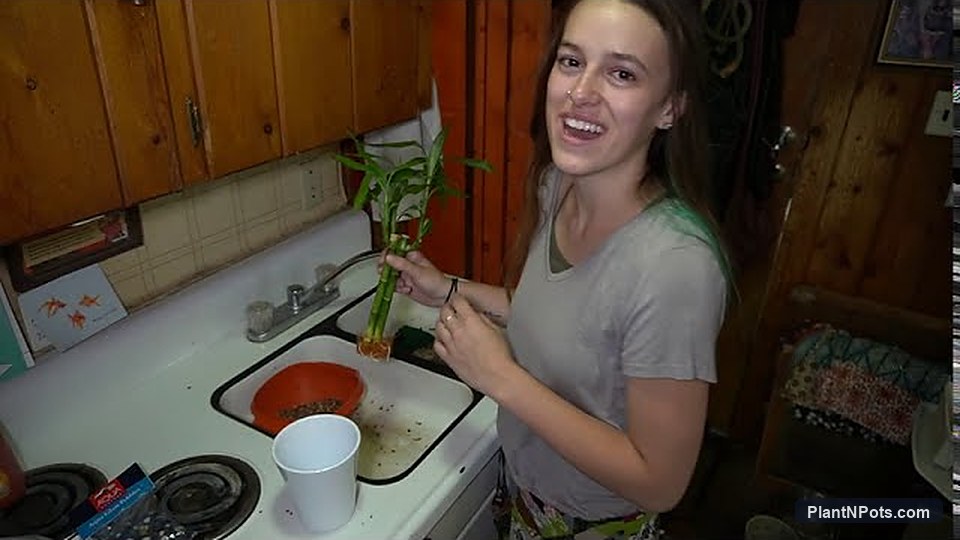
Transitioning bamboo from traditional potting soil to a rock setup requires meticulous root cleaning procedures. Submerge the root ball in a bucket of lukewarm water to loosen stubborn dirt particles gently.
Avoid using high-pressure water sprayers because forceful streams easily rupture tender root membranes and hairs. Swish the root system slowly back and forth until all lingering soil particles float away.
Check every single crevice between the main rhizomes to ensure zero organic soil remains trapped inside. Leftover soil will decompose rapidly in stagnant water, creating a breeding ground for harmful anaerobic bacteria.
Lay the freshly cleaned plant across a damp towel while you prepare the final rock arrangement. Keeping roots moist prevents delicate cellular tissues from drying out under ambient indoor air drafts.
Gently massage the root ball under lukewarm tap water to wash away old gel or soil residue. Never yank tightly bound roots to avoid tearing them.
Inspect the cleaned root network closely to ensure [healthy roots](https://plantnpots.com/?p=3288) remain free of lingering debris or rot pockets. Total cleanliness is vital for maintaining a successful hydroponic environment.
- Submerge roots in lukewarm water basins.
- Avoid high-pressure nozzle attachments.
- Remove all trace soil particles.
- Keep cleaned roots moist temporarily.
Dealing with Gel Substrates
If your bamboo previously grew in decorative hydro-gel beads, dissolve remaining polymers with warm water. These synthetic polymers can clog root pores if left attached during the transfer phase.
Gently massage the roots with your fingertips until every trace of slippery gel disappears. A clean, bare root system accepts water-based mineral uptake much more efficiently in rocks.
- Dissolve polymer beads with warm water.
- Massage roots to clear residue.
Anchoring Stems and Arranging the Rock Matrix
Creating a stable foundation begins with pouring a solid base layer of rocks into the container. Fill the bottom two to three inches with your largest stones to establish a reliable center of gravity.
Position your bamboo canes upright in the exact center of the vase while holding them steady. Ask a helper to hold the stalks or prop them against the container wall temporarily.
Pour smaller decorative stones around the base of the stems in gradual, controlled handfuls. Press the rocks gently against the lower canes to lock the root system firmly into place.
Verify that the plant stands completely vertical without leaning or wobbling before adding any water. Proper mechanical anchoring prevents heavy stalks from tipping over as foliage expands upward over time.
Place a solid base layer of heavy stones at the bottom of your watertight container. Position the bamboo stalks upright centrally within this stone foundation.
Carefully pour remaining rocks around the stems to lock them securely in a vertical position. Proper anchoring prevents the stalks from tipping over later.
- Layer large stones at vase bottom.
- Center bamboo stalks vertically.
- Fill surrounding gaps with smaller pebbles.
- Test stability before adding water.
Layering Stone Sizes
Combine various stone dimensions to create a visually appealing and mechanically sound substrate matrix. Large rocks anchor the base, while medium pebbles fill intermediate gaps effectively.
Top the arrangement with a decorative layer of polished glass beads for a finished look. This top layer also helps keep lower nodes submerged and stable within the container.
- Use large rocks for foundation weight.
- Top with polished decorative beads.
Water Quality, Depth, and Routine Refilling Protocols
Tap water often contains high levels of fluoride and chlorine that scorch bamboo leaf margins. Always use filtered or distilled water to keep your foliage looking vibrant and deep green year-round.
Pour water slowly down the interior wall of the container to avoid displacing your carefully arranged rocks. Fill the vessel until the water level sits one inch below the base of the stems.
Monitor the fluid level daily because indoor heating and air conditioning cause rapid evaporation. Add fresh water regularly to compensate for natural losses without submerging the vulnerable lower cane nodes.
Drain and replace the entire water volume completely every thirty days to prevent mineral scaling. This routine refresh eliminates stagnant accumulations and provides fresh dissolved oxygen directly to roots.
Fill the container using filtered or distilled water to avoid harsh fluoride and chlorine buildup. Tap chemicals frequently cause brown leaf tips on bamboo.
Maintain water levels strictly two inches below the main stem base to prevent rot. Top off evaporated water weekly and refresh entirely monthly.
- Use filtered or distilled water exclusively.
- Keep water line below the main stems.
- Top off evaporating water daily.
- Flush and replace water monthly.
Managing Mineral Buildup
Hard water minerals leave unsightly white crusts along the upper glass water line over time. Wipe these rings away using a soft cloth dampened with white vinegar during your monthly water changes.
Prevent excessive mineral scaling by strictly avoiding softened tap water, which contains high sodium levels. High sodium concentrations quickly cause yellowing leaves and root burn in container bamboo.
- Clean mineral rings with vinegar.
- Never use softened tap water.
Monitoring Vitality Signs and Evaluating Success
Post-repotting observation helps you catch early signs of transplant shock before damage becomes severe. Inspect your bamboo leaves weekly for crisp green coloration, firm texture, and upright growth posture.
Mild leaf dropping can occur during the first week as the plant adjusts to its new aquatic environment. Provide bright, indirect indoor lighting to support swift metabolic recovery without scorching tender foliage.
Check the stability of your anchored canes by gently pushing against the stalks with one finger. If the plant shifts within the rock matrix, add more pebbles to reinforce the base immediately.
Successful establishment becomes apparent when new pale root tips emerge from the lower nodes. These active growing points prove your bamboo successfully adapted to its new rock container setup.
Watch for new root tips and vibrant green leaf growth as primary indicators of successful transplanting. Minor shock may cause slight temporary leaf drop initially.
Check water clarity regularly to ensure no bacterial films or mineral deposits are forming. Immediate adjustments protect your plant from long-term decline.
- Inspect leaf coloration weekly.
- Provide bright, indirect sunlight.
- Test cane stability in stones.
- Watch for new root tip growth.
Addressing Initial Stress
If leaves turn yellow shortly after repotting, evaluate your water source and lighting conditions immediately. Move the container away from harsh, direct sunbeams and verify that you used pure filtered water.
Trim away severely damaged yellow foliage to allow the plant to channel energy into root repair. Healthy new shoots will emerge from the main canes once the root system stabilizes completely.
- Relocate away from harsh direct sun.
- Trim yellow leaves to save energy.
Troubleshooting Common Hydroponic Bamboo Issues
Algae growth frequently develops in clear glass containers exposed to bright windows and nutrient-rich water. Block unwanted light by wrapping the lower vase with decorative film or moving it slightly further away.
Foul odors emanating from your rock basin indicate anaerobic bacterial activity driven by trapped organic debris. Empty the vessel immediately, sanitize all stones, and wash the roots thoroughly with mild soap.
Stem softness or mushy cane bases signal advanced rot caused by excessive water depth immersion. Cut away rotting sections with sterilized shears and reset the remaining healthy canes higher above the water line.
Stunted growth or pale foliage often points to a lack of necessary trace nutrients in plain water. Dilute a balanced liquid houseplant fertilizer to one-quarter strength and apply it sparingly during monthly changes.
Combat unsightly algae growth by moving your container away from direct, intense sunlight windows. Algae thrives in bright light paired with stagnant water environments.
Treat foul odors immediately by dumping stagnant water, rinsing all rocks, and scrubbing the container walls thoroughly. Fresh water circulation solves most recurring plant problems.
- Combat algae with filtered lighting.
- Wash smelly stones and roots instantly.
- Trim rotting stem bases promptly.
- Apply diluted liquid fertilizer monthly.
Fighting Algae Blooms
Green algae competes directly with your bamboo for available dissolved oxygen and essential minerals. Scrub the container walls gently with a bottle brush during every scheduled monthly water replacement.
Avoid adding chemical algaecides because commercial formulas frequently harm sensitive aquatic root systems. Physical removal and light reduction remain the safest methods for controlling unwanted algae growth.
- Scrub container walls during changes.
- Avoid harsh chemical algaecides.
Frequently Asked Questions
Can I use ordinary garden soil instead of rocks?
Traditional garden soil is far too dense and holds excess moisture indoors. Always choose rocks, pebbles, or specialized hydroponic substrates for clean container cultivation.
How often should I change the water in my rock setup?
You must completely drain and replace the water every 30 to 45 days. This routine prevents mineral scaling, algae blooms, and dangerous bacterial accumulations.
Why are the leaves on my repotted bamboo turning yellow?
Yellow leaves typically result from harsh tap water chemicals or direct sunlight exposure. Switch immediately to distilled water and move your container into indirect light.
Should the rocks completely submerge the bamboo stalks?
Rocks should only support the lower root system and base canes securely. Never submerge the upper green stems completely beneath the stone or water line.
Do I need to add plant food to the rock water?
Bamboo grown in rocks requires very minimal nutrients to thrive over time. Apply a balanced liquid houseplant fertilizer at quarter strength only once every few months.

