Planting in sealed containers requires precise moisture management to prevent root rot. This authoritative guide explains safe inner-pot strategies and advanced watering techniques for successful indoor displays.
Key Takeaway:
Always prioritize the double-pot cachepot method for sealed containers. If planting directly, utilize an inert stone reservoir layer and water with extreme caution to protect delicate plant roots.
Quick-Reference Guide
| Factor / Scenario | Recommended Target | Why It Matters | Actionable Rule |
|---|---|---|---|
| Cachepot Method | Plastic inner nursery pot | Allows easy removal and drainage | Empty outer pot weekly |
| Direct Planting | Expanded clay pebbles base | Creates a subsurface water trap | Monitor volumetric moisture closely |
| Horticultural Charcoal | Ten percent soil mix ratio | Freshens stagnant subterranean environments | Mix evenly before root placement |
| Watering Volume | Twenty percent of container volume | Prevents unabsorbed pooling at base | Measure moisture with a meter |
| Plant Selection | Drought-tolerant tropical foliage | Survives fluctuating root zone wetness | Avoid heavy water-guzzling varieties |
| Outdoor Exposure | Undercover patio or porch roof | Stops torrential rain from flooding | Tilt pots after major storms |
Understanding the Unique Risks of Sealed Planters
Standard gardening wisdom dictates that every planter must have a drainage hole. When containers lack this crucial exit, excess irrigation water remains trapped at the bottom, creating a stagnant subterranean swamp.
Without proper aeration, root tissues suffocate in saturated soil mixtures. Beneficial aerobic bacteria die off rapidly, allowing pathogenic anaerobic fungi to proliferate and trigger fatal root rot across your prized specimens.
Choosing perforated containers like the [best terracotta pots with drainage holes](https://plantnpots.com/?p=1313) prevents water from pooling dangerously. Selecting vessels with proper bottom drainage protects your greenery from stagnant moisture.
Gravity pulls moisture downward during every watering session. In sealed vessels, this downward pull forces water against the container base, saturating the lowest soil layers and cutting off essential oxygen supplies permanently.
- Never ignore the absence of drainage holes in decorative pots.
- Recognize that trapped water breeds destructive fungal pathogens quickly.
- Understand that stagnant moisture rapidly suffocates delicate root systems.
- Inspect container interiors before committing to direct soil placement.
Physics of Subsurface Saturation
Perched water tables form naturally at the bottom of drainage-free containers. This physics phenomenon keeps the lowest soil inches perpetually soaked regardless of how little surface water you apply.
Understanding this hydraulic principle prevents gardeners from assuming small watering amounts keep sealed systems safe. Capillary action continuously draws moisture upward, maintaining high humidity around sensitive root zones.
- Perched water tables dictate soil moisture retention limits.
- Capillary action pulls moisture upward from the container base.
Utilizing the Double Pot Cachepot Strategy
The safest approach for container gardening without drainage involves using a cachepot. Place your plant inside a standard plastic nursery pot, then slip that entire vessel inside your decorative outer container.
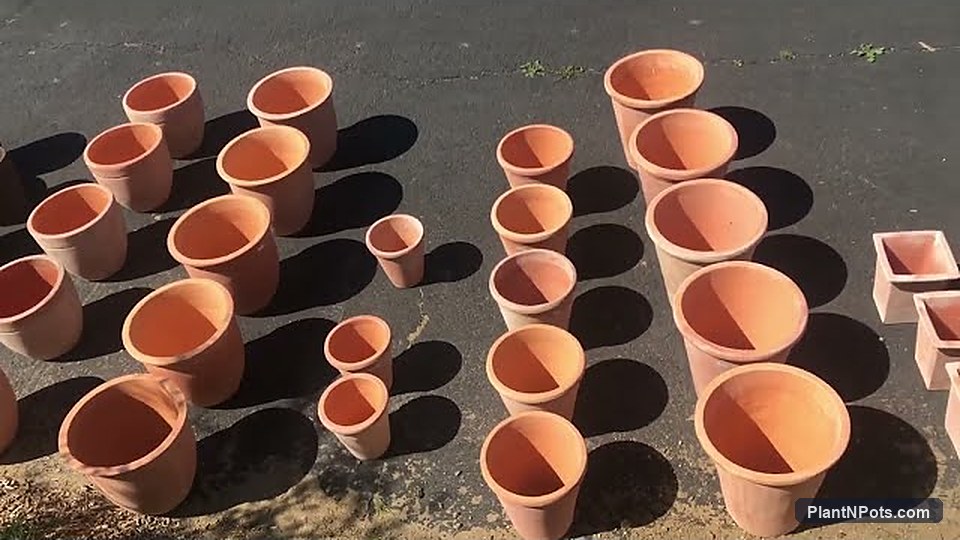
This brilliant separation lets you remove the inner pot for thorough watering sessions. Simply take the nursery pot to a sink, drench the soil completely, and let excess water drain away entirely.
Once dripping stops completely, return the nursery pot to your decorative cachepot. This foolproof method preserves your home surfaces while protecting your plant from the dangers of subsurface water accumulation.
Always check the bottom of your decorative outer vessel after watering days. Discard any stray collected droplets immediately to prevent accidental root immersion and subsequent plant stress issues.
- Always select an inner nursery pot with multiple bottom drainage slots.
- Ensure your decorative cachepot is slightly wider than the inner pot.
- Take plants to a sink for watering instead of soaking in place.
- Allow complete dripping before returning plants to decorative vessels.
Elevating Inner Pots Safely
Upgrading to the best clay pots for plants naturally prevents standing water issues. These breathable containers provide superior moisture regulation and protect sensitive root zones from drowning.
Plastic bottle caps or ceramic tiles work wonderfully as hidden interior risers. Ensure the inner pot remains elevated by at least one inch above the deepest floor of the outer container.
- Use small pebbles or bottle caps as interior pot risers.
- Maintain a one-inch air gap beneath the inner nursery pot.
Video Walkthrough: Planting in Pots Without Drainage 🌱💚 || West Coast Gardens
Preparing Direct Plantings with Gravel Layers
Planting directly inside a sealed container requires building an internal drainage reservoir. Layer two inches of expanded clay pebbles or coarse gravel across the very bottom of your decorative pot.
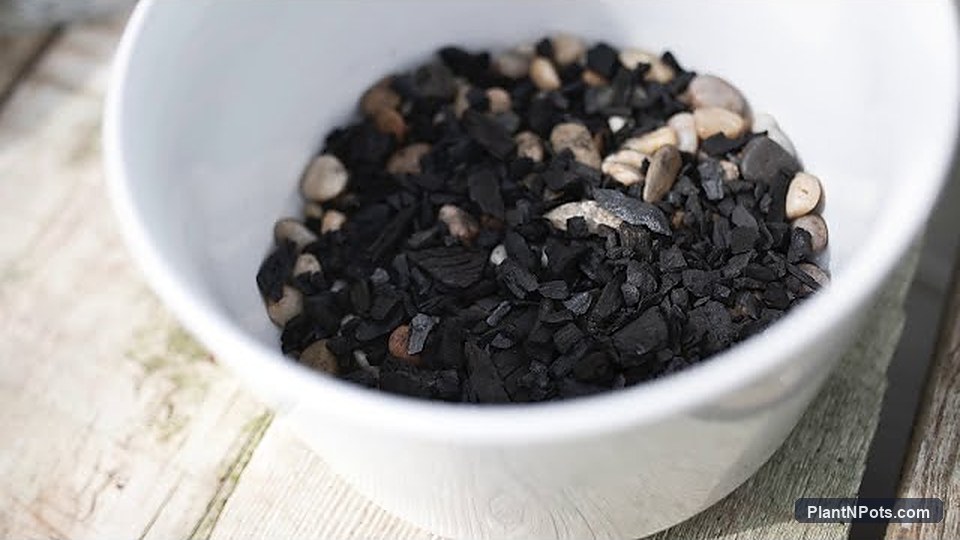
This stone layer catches excess irrigation water, keeping it physically separated from your root zone. Cover the gravel with a piece of porous landscape fabric to prevent soil from washing down.
Traditional gardening myths claim gravel layers improve drainage, but physics proves otherwise. In sealed pots, stones merely act as a holding basin, so you must carefully monitor your total water volume.
Never fill more than fifteen percent of your total container depth with drainage stones. Overfilling reduces root space significantly and leaves insufficient depth for healthy plant development and anchorage.
- Layer two inches of coarse gravel at the container base.
- Cover stones with landscape fabric to block soil migration.
- Restrict stone reservoirs to fifteen percent of total pot depth.
- Measure applied water to avoid filling the stone basin completely.
Choosing Effective Reservoir Materials
Expanded clay aggregate absorbs minimal moisture while providing sturdy structural support. Avoid heavy river rocks if possible, as they add unnecessary weight to large decorative ceramic and concrete planters.
Pumice stones also function exceptionally well for creating lightweight subterranean water traps. Rinse all reservoir materials thoroughly to remove residual dust before placing them inside your containers.
- Opt for lightweight expanded clay or pumice over heavy stones.
- Rinse all reservoir materials thoroughly before container assembly.
Evaluating Horticultural Charcoal and Soil Amendments
Horticultural charcoal serves as a valuable amendment when planting in sealed containers. Mixing activated carbon chunks into your potting mix helps absorb impurities and keeps stagnant subterranean environments remarkably fresh.
Incorporate roughly ten percent horticultural charcoal by volume into your custom soil blend. This porous material traps microscopic toxins and excess mineral salts before they can damage delicate root hairs.
Combine your carbon amendment with high-porosity components like perlite and orchid bark. This specialized formulation guarantees maximum oxygen penetration through dense soil profiles lacking natural drainage pathways.
Display your healthy potted greenery securely on a sturdy best plant stand for living room unit. Positioning your containers correctly improves air circulation around the foliage and enhances your home decor.
- Incorporate ten percent horticultural charcoal into potting soil.
- Activated carbon absorbs impurities in sealed root environments.
- Mix perlite and orchid bark to maximize soil aeration levels.
- Reject heavy garden earth that compacts in drainage-free pots.
Selecting Resilient Plant Species for Closed Systems
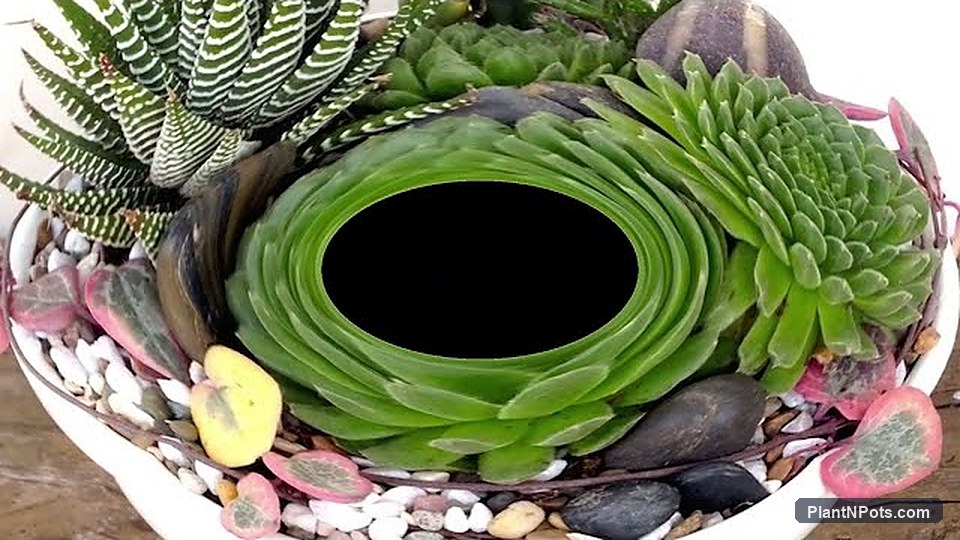
Certain plant species tolerate intermittent root moisture far better than others. Choose resilient tropical varieties like snake plants and pothos that handle slight underwatering and variable soil conditions gracefully.
Succulents and cacti generally perform poorly in drainage-free vessels because they rot easily. Focus instead on robust foliage plants that consume moderate amounts of water without developing stress symptoms.
Peace lilies and ferns appreciate higher humidity levels found in sealed setups. Monitor these moisture-loving plants carefully to ensure their soil remains evenly damp without becoming completely waterlogged.
Research individual plant tolerances thoroughly before building any drainage-free display. Matching the right specimen to your container setup guarantees vibrant growth and eliminates frustrating horticultural failures.
- Select resilient tropical plants like pothos and snake plants.
- Avoid sensitive succulents and cacti in drainage-free pots.
- Monitor moisture-loving ferns for signs of over-saturation.
- Match plant watering requirements to your specific container setup.
Video Walkthrough: 13 years of growing plants without drainage holes 🪴
Diagnosing Excess Moisture and Waterlogging Signs
Early detection of over-saturation saves plants from terminal root damage. Watch for yellowing lower leaves and soft, drooping stems as primary indicators of trapped subterranean water and oxygen starvation.
A foul, swampy odor emanating from your container soil signals severe anaerobic decay. Unpot the specimen immediately if you notice this pungent smell to inspect and trim away damaged root tissue.
Surface mold growth indicates continuous high humidity and poor soil ventilation. Scrape away topsoil crusts, reduce your watering frequency, and use a small fan to improve air circulation around foliage.
Employ a reliable soil moisture meter to test deep container layers. This handy tool prevents guesswork and ensures you only add water when lower root zones are genuinely dry.
- Watch for yellowing lower leaves as an overwatering symptom.
- Investigate foul soil odors as signs of anaerobic root decay.
- Scrape away surface mold and improve ambient air circulation.
- Use a soil moisture meter to check deep container layers.
Managing Outdoor Containers Exposed to Rainfall
Placing drainage-free containers outdoors invites major maintenance challenges during storms. Heavy downpours can quickly fill un-drilled vessels, drowning root systems and completely washing away vital soil nutrients.
Position outdoor sealed planters exclusively under protective overhangs or porch roofs. This simple placement strategy shields your floral displays from torrential rainfall and uncontrollable saturation events.
If heavy rain catches your outdoor pots unprotected, tilt them immediately. Carefully drain away pooled water from the surface or use a turkey baster to siphon liquid out of tight spaces.
Drilling a hole remains the ultimate solution for permanent outdoor containers. Use appropriate masonry bits for ceramic pots or cobalt bits for metal vessels to ensure weatherproof garden success.
- Shield outdoor sealed planters beneath protective porch roofs.
- Tilt un-drilled pots immediately following heavy rainstorms.
- Siphon out accumulated standing water using a turkey baster.
- Drill drainage holes in permanent outdoor vessels when possible.
Frequently Asked Questions
Can I drill a drainage hole in a ceramic pot myself?
Yes, you can easily drill holes using a specialized diamond masonry bit. Go slowly with steady water lubrication to prevent cracking the ceramic material.
How often should I water plants in pots without drainage?
Water much less frequently than standard potted plants. Always check soil moisture with your finger or a meter before adding any liquid.
Do rocks at the bottom of a pot actually improve drainage?
No, rocks actually raise the perched water table closer to roots. They serve only as a subsurface water reservoir rather than improving soil drainage dynamics.
What should I do if my sealed pot fills up with rainwater?
Tilt the container carefully to pour out excess water immediately. You can also use a clean turkey baster to suction liquid from tight root zones.
Are there plants that actually prefer pots without drainage holes?
Bog plants like carnivorous species enjoy consistently wet conditions. However, most standard houseplants require proper aeration and strictly dislike stagnant water pools.

