Mastering how to measure pot size for plants ensures your greenery thrives without root stress. Use these precise techniques to match container dimensions to root ball requirements.
Key Takeaway:
Always measure pot size by checking the top inner diameter rather than the outer rim or height. Upgrading pot size incrementally by one to two inches prevents chronic soil saturation and root rot.
Quick-Reference Guide
| Plant Type / Root System | Ideal Pot Size Increase | Primary Measuring Focus |
|---|---|---|
| Fast-growing tropicals | 2 inches larger | Top inner diameter |
| Slow-growing succulents | 1 inch larger | Root spread and depth |
| Deep taproot specimens | Extra vertical height | Container depth clearance |
| Epiphytes and orchids | Snug minimal clearance | Root ventilation space |
| Mature shrub containers | 3 to 4 inches | Base stability weight |
| Seedlings and cuttings | Start in small cells | Drainage hole efficiency |
Understanding Standard Container Labeling and Dimensions
Commercial plant pots use specific measurement conventions that frequently confuse beginner gardeners. Knowing how manufacturers calculate sizing helps you buy containers that fit your exact botanical requirements.
Checking a detailed [wandering jew hanging basket](https://plantnpots.com/?p=4348) review reveals how rim sizing impacts trailing green foliage. Pot depth is another critical metric that varies widely between standard pots and azalea pots.
Pot depth is another critical metric that varies widely between standard pots and azalea pots. Shallower containers restrict long taproot development, whereas deep containers retain moisture longer near the base.
Manufacturers rarely list total soil volume in gallons directly on retail labels. Learning to calculate container capacity using basic geometric formulas prevents purchasing incorrect quantities of potting mix.
- Check top inner rim diameters rather than outer lips.
- Verify container depth matches specific root system habits.
- Distinguish between standard and azalea pot proportions.
- Calculate soil volume requirements before purchasing growing media.
Working with Gallon-Sized Trade Designations
Trade gallons used by wholesale nurseries do not equal liquid US gallons. A standard one-gallon trade pot holds approximately seventy-five percent of a true liquid gallon.
Recognizing this volumetric discrepancy stops you from buying oversized replacement containers. Always measure physical dimensions directly with a tape measure rather than trusting trade gallon labels.
- Account for trade gallon sizing discrepancies.
- Measure physical container widths with a ruler.
Step-by-Step Method for Measuring Pot Diameter and Depth
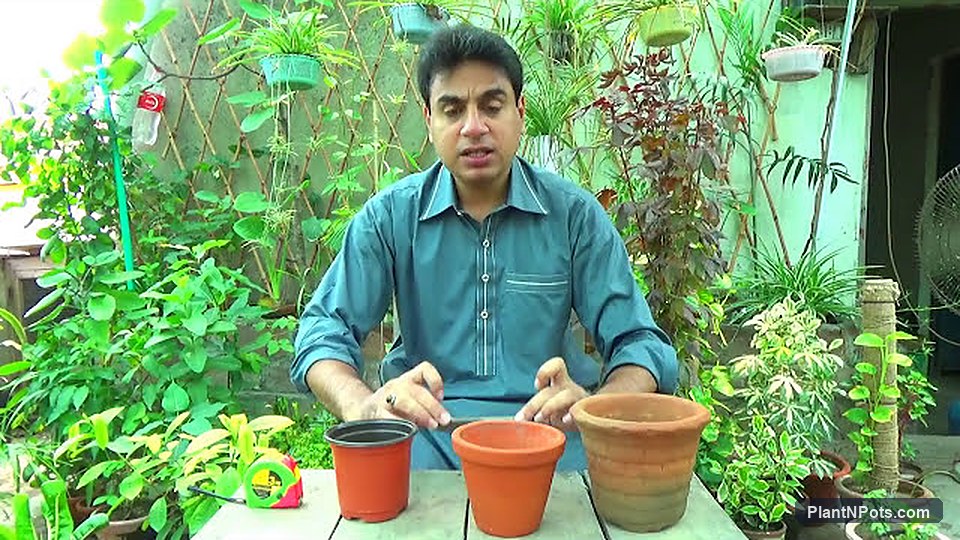
Accurate container measurements require a rigid tape measure and a flat workspace. Place your empty pot on a stable surface to ensure precise readings across structural boundaries.
When evaluating large vessels like a [5 gallon grow pot](https://plantnpots.com/?p=5640), tracking these internal diameters prevents sizing errors. Next, measure the vertical height from the interior soil line down to the drainage holes.
Next, measure the vertical height from the interior soil line down to the drainage holes. Adequate depth ensures proper vertical root run and prevents standing water accumulation.
Finally, measure the bottom base diameter to evaluate overall container stability. Pots with narrow bases easily topple over when supporting top-heavy foliage or large woody stems.
- Place pots on flat surfaces before measuring.
- Measure inner wall diameters across top openings.
- Record vertical interior heights from rim to base.
- Assess bottom base widths for structural stability.
Video Walkthrough: HOW TO CHOOSE THE RIGHT POT – let's talk about pot sizes (it's easier than you might think)
The Direct Impact of Container Volume on Root Health
Selecting a container that is too large creates chronic moisture retention problems. Excess wet soil suffocates delicate root hairs because oxygen cannot penetrate dense, waterlogged media.
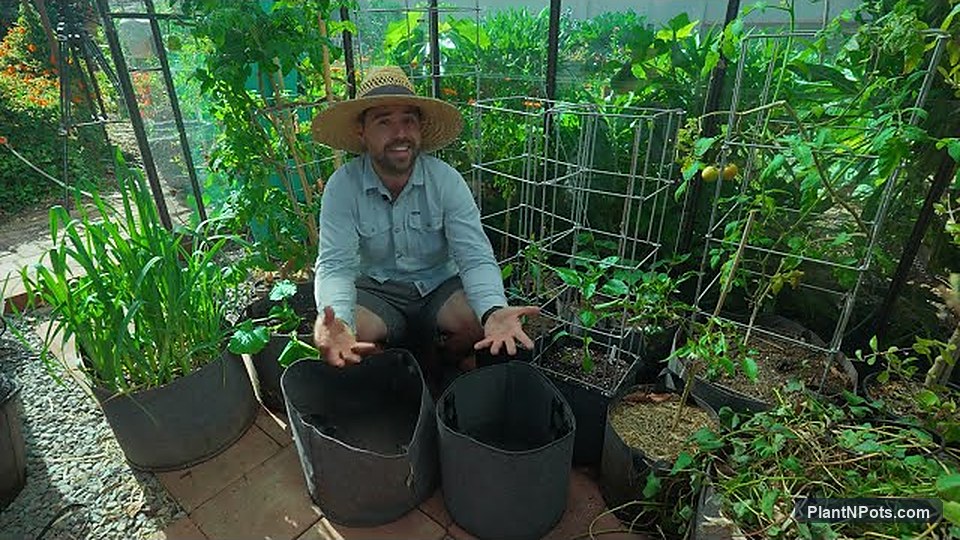
Conversely, severely cramped containers restrict nutrient absorption and stunt overall plant vitality. Roots circling tightly around the inner perimeter indicate an urgent need for repotting.
The gold standard rule involves increasing pot diameter by one to two inches. This gradual step allows healthy root expansion without overwhelming the plant's moisture uptake capacity.
Large tropical specimens transitioning into tree-sized containers can tolerate slightly larger jumps. However, incremental sizing remains the safest practice for fragile houseplants and delicate ferns.
- Avoid oversized containers to prevent root rot.
- Step up pot diameters by one to two inches.
- Watch for circling roots indicating cramped conditions.
- Balance soil volume with plant root mass.
Evaluating Root Systems Before Selecting a New Planter
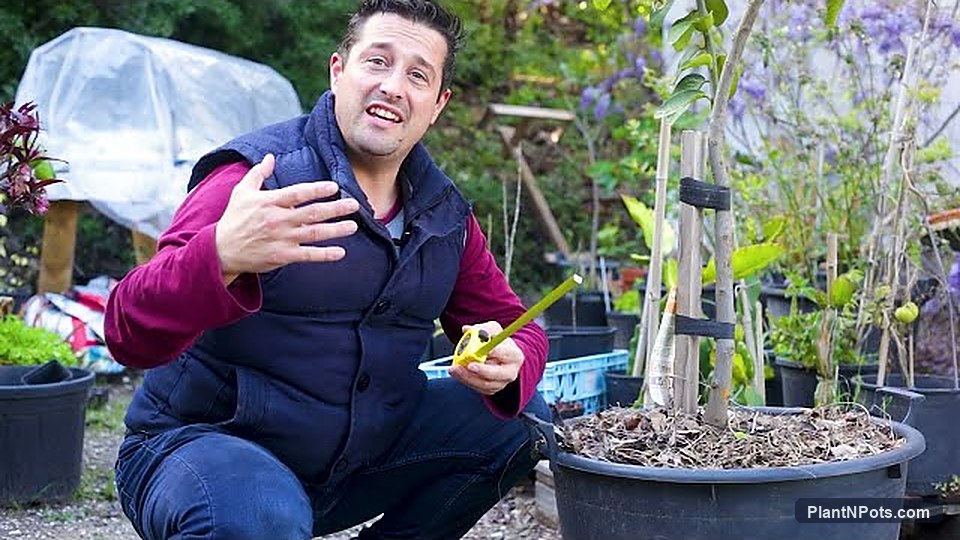
Inspecting your plant's root ball provides the ultimate clue for correct container sizing. Gently slide the plant out of its current pot to examine root density.
Healthy root systems feature firm, light-colored roots distributed evenly throughout the growing medium. If roots form a dense, impenetrable mat, your plant requires immediate container expansion.
Consulting a reliable [monstera pot size guide](https://plantnpots.com/?p=6664) helps you choose proper container dimensions before managing vigorous root systems that demand sturdy, thick-walled enclosures.
Aggressive rooters like pothos and snake plants demand sturdy, thick-walled containers. Fragile root systems require gentle handling to minimize shock during the transplanting process.
- Gently slide plants out to inspect root masses.
- Identify dense root mats requiring larger pots.
- Prune dead roots before placing in fresh soil.
- Match pot wall durability to plant vigor.
Matching Nursery Pots to Decorative Cachepots Safely
Cachepots serve as attractive decorative outer shells without built-in drainage holes. Placing a plastic nursery pot inside a decorative cachepot creates a functional, waterproof display system.
Ensure your inner nursery pot leaves at least one inch of clearance around the sides. This gap promotes vital air circulation and prevents water from pooling underneath.
Always remove the inner nursery pot during watering sessions to prevent stagnant runoff accumulation. Leaving excess water trapped at the base causes fatal root rot rapidly.
Measure both the inner depth of the cachepot and the outer height of the nursery pot. The nursery rim must sit flush or slightly above the decorative edge.
- Use plastic nursery pots inside decorative cachepots.
- Maintain one inch of side clearance for airflow.
- Empty standing water from cachepot bases regularly.
- Check that nursery rims sit above cachepot edges.
Avoiding Common Measuring Mistakes That Damage Roots
Measuring from the outside decorative rim represents a frequent and costly beginner error. This outer calculation results in buying containers that are actually too small inside.
Ignoring drainage hole dimensions or omitting saucers leads to water damage on indoor surfaces. Always verify that prospective containers feature adequate bottom drainage before purchasing.
Failing to account for future growth rates forces unnecessary, stressful repeat repotting cycles. Plan for your plant's expected seasonal expansion when evaluating potential container dimensions.
Relying solely on visual estimation without a physical tape measure invites severe sizing errors. Precision guarantees your container gardening efforts succeed without guesswork or frustration.
- Avoid measuring outer decorative rims for sizing.
- Verify functional drainage holes in every container.
- Anticipate future seasonal growth when selecting pots.
- Use physical measuring tapes instead of guessing.
Essential Tools Needed for Precise Container Gardening
Equipping your gardening station with reliable measuring tools simplifies every repotting project. A flexible tailor tape measure easily curves around irregular pot shapes and rims.
A rigid metal ruler helps determine interior pot depth and soil line clearance accurately. Keeping a small notepad nearby records your plant dimensions for future reference.
Waterproof markers and labels assist in tracking container sizes across large houseplant collections. Organization prevents confusion when managing dozens of distinct pots and planters.
Investing in these basic accessories transforms chaotic container gardening into an efficient science. Proper preparation ensures your beloved plants flourish in perfectly sized homes.
- Keep flexible tape measures in your toolkit.
- Use rigid metal rulers for depth checks.
- Label container sizes for easy collection tracking.
- Maintain organized records of plant dimensions.
Frequently Asked Questions
Should I buy a pot that is much larger to save time repotting later?
Purchasing an excessively large container exposes your delicate indoor plant roots to prolonged soil moisture retention and potentially fatal root rot fungal conditions.
You must always increase your pot size incrementally by just one to two inches to ensure sustainable long-term plant health, proper moisture regulation, and balanced root development.
How do I know if my plant has outgrown its current pot?
Visible roots emerging directly from bottom drainage holes or circling tightly around the interior perimeter indicate an urgent and immediate need for repotting your indoor botanical specimen.
Furthermore, rapid drying out between standard watering sessions and noticeably stunted foliage growth clearly confirm that your specimen now requires a larger container home.
Does the material of the pot affect the size I should choose?
Porous structural materials like unglazed terracotta evaporate internal soil moisture quite quickly, whereas non-porous plastic containers retain water for significantly longer periods of time.
You should therefore carefully factor in these distinct material drying rates when selecting your precise container dimensions and establishing your ongoing indoor botanical maintenance watering routines.
What is the difference between top diameter and bottom diameter?
Top internal diameter measures the widest opening where the plant foliage emerges, which serves as the primary standard commercial industry sizing metric for retail plant containers today.
Bottom base diameter measures the lower width, directly affecting overall structural stability and determining whether your pot fits securely inside your decorative exterior cachepots.
Can I reuse old pots without cleaning them first?
Reusing old planting containers without thorough preliminary cleaning can easily harbor harmful fungal spores, destructive bacteria, and stubborn pest eggs that will quickly damage tender new plants.
You should always scrub these containers thoroughly using a mild dish soap solution and rinse them completely clean before housing any new live indoor botanical specimens.

