Selecting the correct container ensures your harvest thrives. This technical guide explains exact volume requirements for container-grown tomatoes.
Key Takeaway:
Choosing a five-gallon container is the absolute minimum requirement for standard tomatoes. Matching your plant's specific growth habit to proper root volume guarantees maximum yields and structural stability.
Quick-Reference Guide
| Factor / Scenario | Recommended Target | Why It Matters |
|---|---|---|
| Compact Cherry Tomatoes | 3 to 5 Gallons | Accommodates smaller root systems without wasting soil resources. |
| Determinate Bush Tomatoes | 5 to 7 Gallons | Provides adequate stability for heavy, concentrated fruit sets. |
| Indeterminate Vining Types | 10 to 15 Gallons | Supports continuous vertical growth and extensive root expansion. |
| Container Drainage Holes | Minimum 3-4 Holes | Prevents fatal waterlogging and root rot in heavy media. |
| Pot Material Selection | Undeformed Terracotta or Resin | Balances moisture retention with root zone temperature regulation. |
| Staking and Caging | In-Pot Integrated Supports | Prevents high-wind tipping in top-heavy container setups. |
Understanding Tomato Root Systems and Container Volume Needs
Tomatoes possess aggressive root systems that demand substantial space to anchor heavy foliage. Restricting root growth prematurely stunts plant vigor and severely limits overall fruit production throughout the growing season.
Gardeners often underestimate how quickly vigorous roots fill standard containers. Utilizing a [best wandering jew hanging basket](https://plantnpots.com/?p=4348) prevents root-binding while ensuring sustained nutrient uptake from the surrounding potting mix.
Container volume directly dictates how much water and fertilizer your plants can access daily. Larger soil masses retain moisture longer, protecting tender roots from sudden thermal stress during hot summer afternoons.
Calculating container size requires understanding both the mature plant size and its root architecture. Deep containers allow taproots to descend naturally while lateral roots spread comfortably outward.
- Inspect container volume ratings before purchasing nursery supplies.
- Avoid overly small pots that trigger premature root circling.
- Prioritize depth over decorative width for vigorous taproot species.
- Account for mature foliage weight when sizing base volumes.
Container Volume Calculations
Translating container dimensions into exact gallons prevents guesswork when shopping for gardening supplies. A standard twelve-inch pot holds roughly three gallons, which is generally insufficient for large tomatoes.
Always verify the actual liquid volume stamped on the nursery container rather than relying on visual estimates. Manufacturers measure true volume differently based on tapered sidewall designs.
- Use standard mathematical formulas for cylindrical containers.
- Measure internal soil depth rather than total outer height.
- Account for space reserved for top-dressing and watering.
Sizing Guidelines for Determinate versus Indeterminate Varieties
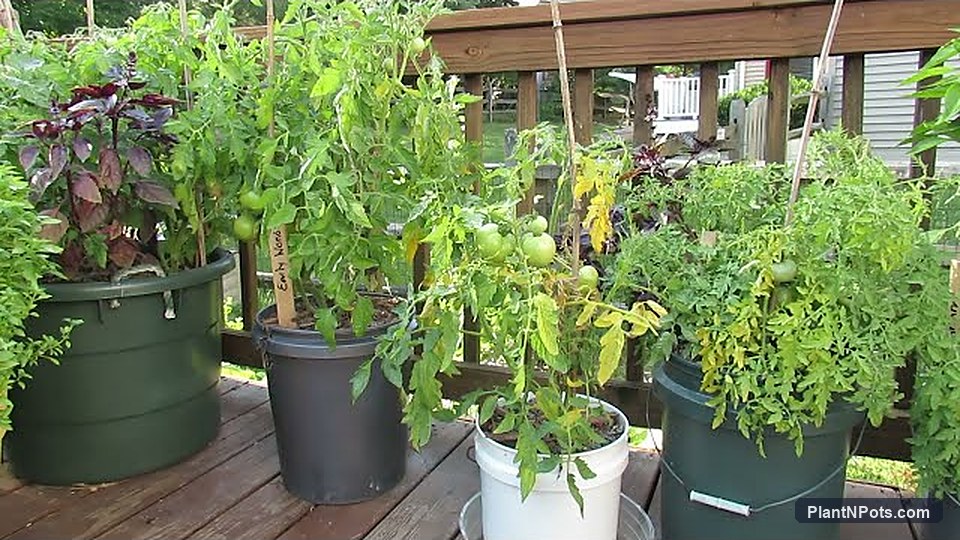
Determinate tomato varieties grow to a predictable predetermined height and stop expanding. These bush-type plants perform exceptionally well in moderate containers ranging from five to seven gallons of volume.
Indeterminate tomatoes continue climbing and producing fruit until frost kills the vine. These vigorous climbers require massive root zones of ten to fifteen gallons to sustain continuous upward growth.
Planting indeterminate cultivars in undersized pots inevitably leads to nutrient deficiency and drought stress. Giving these heavy producers enough root space unlocks their full genetic harvest potential.
Miniature dwarf varieties represent a unique exception to standard container sizing rules. These compact cultivars thrive in surprisingly small pots while still delivering a satisfying seasonal harvest.
- Match pot capacity directly to the specific plant tag description.
- Give indeterminate vines the largest available patio containers.
- Use medium-sized pots exclusively for compact determinate selections.
- Never crowd multiple standard plants into a single small pot.
Dwarf and Micro-Tomato Exceptions
Micro-dwarf cultivars produce full-sized fruits on plants standing barely a foot tall. These charming selections adapt brilliantly to small containers holding just one to three gallons of premium soil.
Ensure micro-tomatoes still receive adequate light and nutrients despite their tiny footprints. Proper drainage remains just as critical for miniature pots as it is for massive planters.
- Select one-gallon pots for ultra-compact patio micro-tomatoes.
- Maintain consistent feeding schedules in restricted soil volumes.
- Use high-porosity potting mixes to prevent moisture stagnation.
Video Walkthrough: How to Grow Tomatoes in SMALL SPACE Flower Pot, Tomato Cage Trellis GREAT \u0026 CHEAP, Container Garden
Evaluating Pot Depth versus Width for Optimal Root Expansion
Tomato plants rely heavily on deep vertical soil penetration to anchor heavy vines securely. Shallow planter bowls fail to provide the vertical depth required for robust tomato taproot development.
A balanced container ratio features an equal balance of depth and surface width. This geometry accommodates both downward-reaching taproots and expanding lateral feeding root networks efficiently.
When selecting between tall narrow pots and wide shallow tubs, always favor depth. Tomatoes will readily send roots straight down to scavenge for hidden moisture reserves during dry spells.
Inspecting the base dimensions ensures your container will not easily flip over under wind loads. Wide bases combined with adequate depth create an exceptionally stable center of gravity.
- Select containers at least twelve inches deep for standard plants.
- Avoid wide shallow bowls that restrict vital vertical taproot growth.
- Ensure bottom drainage is unobstructed by flat container floors.
- Check that soil depth leaves ample room for root expansion.
Root Architecture Mechanics
Understanding root mechanics explains why choosing the right [best planter for tomatoes](https://plantnpots.com/?p=3573) matters. Tomatoes develop deep secondary anchor roots requiring vertical clearance to support heavy top growth safely.
Restricting vertical root growth signals the plant to stunt its overall canopy development. Providing uninhibited vertical channels encourages maximum foliage and fruit production.
- Monitor root behavior when transplanting seedlings into final pots.
- Bury stems deeper to encourage secondary root branching along stalks.
- Maintain loose, aerated soil profiles to facilitate easy root penetration.
How Container Materials Influence Moisture and Root Temperatures
Container composition directly affects soil temperature fluctuations and moisture retention rates throughout summer. Terracotta pots breathe freely but allow moisture to evaporate rapidly through porous clay sidewalls.
Plastic and fiberglass planters retain soil moisture significantly longer than unglazed clay alternatives. However, dark plastic containers can absorb intense solar heat, potentially cooking delicate feeder roots.
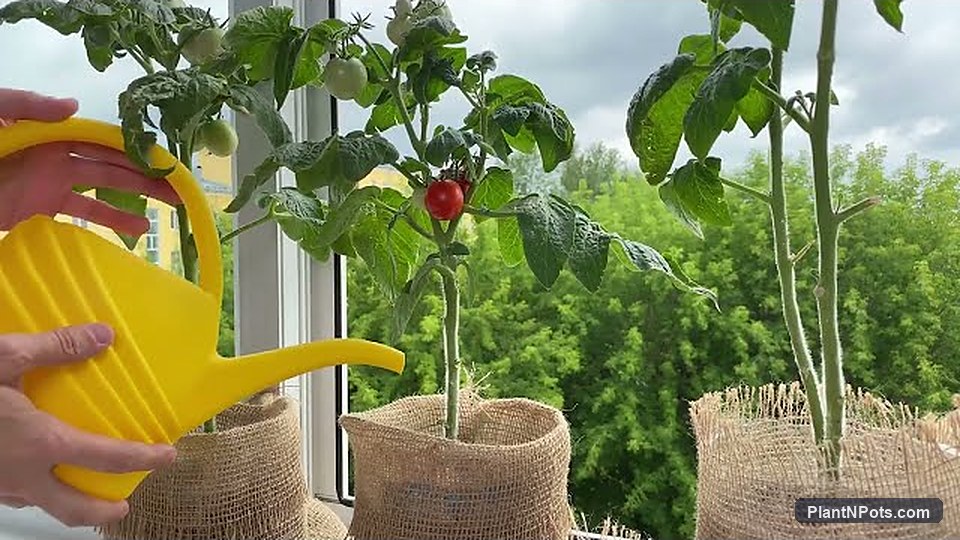
Fabric aeration containers prune roots naturally through air exposure while preventing circling. These breathable bags require frequent daily watering due to exceptionally rapid moisture evaporation rates.
Glazed ceramic pots offer superior aesthetic appeal while maintaining stable internal soil moisture levels. Their heavy mass also provides excellent wind resistance for large tomato plants.
- Choose light-colored plastic pots to reflect harsh summer sunlight.
- Use fabric grow bags for superior root aeration and drainage.
- Monitor terracotta containers daily for accelerated soil drying.
- Consider heavy ceramic urns for permanent outdoor patio spaces.
Thermal Management Strategies
Extreme root zone temperatures shock tomato plants and reduce nutrient absorption efficiency. Shading dark plastic containers with larger outer decorative pots protects roots from heat stress.
Elevating planters off hot concrete surfaces improves airflow underneath the drainage holes. This simple technique prevents excessive heat transfer from scorching the root mass below.
- Use pot feet to elevate containers off scorching patio decks.
- Wrap dark fabric pots with light burlap during heatwaves.
- Locate sensitive containers in partial afternoon shade zones.
Structural Support Requirements and Stability for Heavy Plants
A fully loaded tomato vine laden with ripening fruit exerts immense leverage on its container. Undersized pots easily tople over in moderate wind gusts, damaging stems and ruining your harvest.
Anchoring tomato cages directly into lightweight plastic pots requires careful ballasting. Adding clean gravel or stones to the container bottom improves overall ballast without compromising drainage.
Integrating sturdy cylindrical cages or heavy stakes into the soil early prevents root damage. Installing supports after the root system has matured risks puncturing major structural roots.
Balancing top-heavy foliage with a wide, heavy container base ensures season-long structural integrity. Never rely on flimsy supports when growing large indeterminate varieties in containers.
- Add heavy bottom ballast to lightweight plastic containers safely.
- Secure tall cages to external patio railings during storms.
- Install plant stakes when transplanting young seedlings into pots.
- Prune excessive lower foliage to reduce wind resistance profiles.
Ballasting and Anchoring Techniques
Adding heavy river rocks to the bottom of large planters adds crucial stability. This weight keeps tall indeterminate tomato plants upright during severe summer thunderstorms and high winds.
Ensure ballast materials never block or obstruct the primary drainage exit holes. Blocked drainage holes quickly cause fatal waterlogging and root rot conditions.
- Place mesh over drainage holes before adding heavy ballast.
- Distribute stones evenly across the bottom container surface.
- Avoid excessive rock layers that reduce available root soil volume.
Soil Composition, Drainage Layers, and Moisture Retention Mechanics
Container-grown tomatoes demand specialized soil mixes rather than heavy garden earth. Premium soilless potting mixes provide the perfect balance of aeration, moisture retention, and structural integrity.
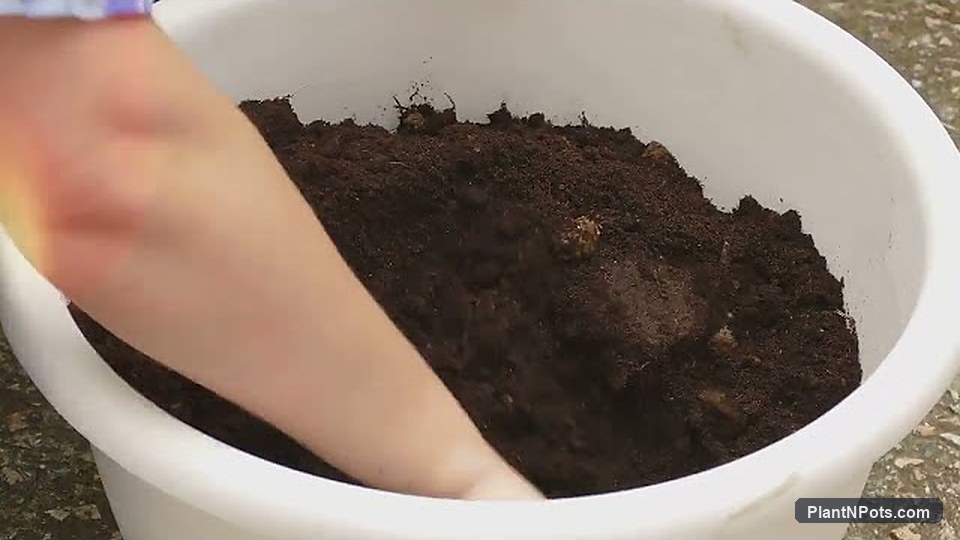
Never pack dense garden soil into containers because it compacts easily and suffocates roots. High-porosity mixes containing peat moss, perlite, and compost promote vigorous root respiration.
Unobstructed drainage holes are non-negotiable for successful container tomato gardening. Excess irrigation water must escape rapidly to prevent root rot and anaerobic soil conditions.
Mulching the top surface of your tomato container significantly reduces surface evaporation. Organic mulches also keep soil temperatures stable and prevent splashing soil-borne fungal spores.
- Use premium soilless potting mixes for all container vegetables.
- Ensure containers feature multiple unobstructed bottom drainage holes.
- Top-dress soil surfaces with straw or bark mulch layers.
- Avoid heavy native garden dirt in confined container setups.
Drainage Optimization Rules
Perched water tables form inside containers when fine potting mixes meet coarse bottom stones. Modern horticultural science advises against adding gravel layers, recommending uniform soil instead.
Elevating containers slightly on pot feet ensures unimpeded water discharge. Clear drainage pathways protect your tomato root systems from destructive standing water accumulation.
- Drill extra drainage holes if factory options look sparse.
- Inspect container saucers regularly and empty standing water.
- Use porous mesh screens to keep drainage holes free of debris.
Identifying Sub-Optimal Container Sizes and Corrective Repotting Steps
Spotting warning signs of an undersized container saves stressed plants early. Checking your best white ceramic indoor pot ensures roots have sufficient space to avoid binding.
Stunted foliage growth and pale yellow leaves signal severe root-bound nutrient lockup. When roots exhaust available soil volume, plants stop expanding and struggle to absorb food.
Transplanting root-bound tomatoes into larger containers revives stalled growth remarkably fast. Carefully tease apart circling roots before placing the plant into its new, spacious home.
Always water transplanted tomatoes thoroughly immediately after moving them to settle the fresh soil. Providing temporary shade helps the plant recover quickly from transplant shock.
- Watch for roots emerging from bottom drainage holes.
- Recognize chronic daily wilting as a primary sizing warning.
- Upgrade container sizes incrementally during active growth phases.
- Tease tightly bound root balls gently before repotting.
Emergency Repotting Protocol
Gently tipping the container sideways allows you to slide the root ball out cleanly. Support the main stem near the base while tapping the container edges to loosen soil.
Prune severely circling outer roots with clean shears to encourage new branching. Place the plant into a properly sized container filled with fresh, nutrient-rich potting mix.
- Use clean, sterilized pruning shears for root trimming.
- Fill new containers halfway with fresh mix before inserting plants.
- Water deeply immediately after finishing the container upgrade.
Frequently Asked Questions
What is the absolute minimum pot size for a single tomato plant?
A five-gallon container represents the absolute minimum requirement for standard tomato varieties. Using smaller pots restricts root growth and severely limits your seasonal harvest.
Can I plant two tomato plants in one large pot?
Planting two tomatoes in one pot typically causes severe root competition and nutrient starvation. Always provide each standard tomato plant with its own dedicated container.
Do indeterminate tomatoes need bigger pots than determinate ones?
Indeterminate varieties require massive pots holding ten to fifteen gallons to support continuous vine growth. Determinate bush types thrive comfortably in smaller five-gallon containers.
Why are the lower leaves on my container tomatoes turning yellow?
Yellow lower leaves often indicate root-bound conditions or nitrogen leaching from frequent watering. Upgrading to a larger container solves restricted root space problems quickly.
Should I put rocks in the bottom of my tomato planter?
Adding rocks to the bottom creates a perched water table that actually worsens drainage. Modern gardening standards recommend filling containers entirely with uniform potting mix.

