Selecting the correct container ensures deep, straight roots. This guide details optimal grow bag dimensions and soil blends for a bountiful harvest.
Key Takeaway:
Choose a grow bag that is at least 10 to 12 inches deep to accommodate standard carrot varieties without stunting their taproots.
Quick-Reference Guide
| Factor / Scenario | Recommended Target | Why It Matters |
|---|---|---|
| Minimum Depth | 10 to 12 inches | Prevents taproots from hitting bottom and forking. |
| Container Volume | 5-gallon bag | Accommodates about a dozen mature standard carrots. |
| Soil pH Range | 6.0 to 6.8 | Optimizes nutrient uptake for sweet root development. |
| Plant Spacing | 2 to 3 inches | Eliminates crowding and ensures straight roots. |
| Sunlight Needs | 6 hours daily | Drives photosynthesis for robust root enlargement. |
| Fertilizer Ratio | Low nitrogen | Prevents excessive top growth over root growth. |
Understanding Root Depth and Cultivar Selection
Selecting the right carrot variety is just as critical as choosing your container size. Shorter cultivars thrive in shallow spaces, while long storage types demand deep root runs.
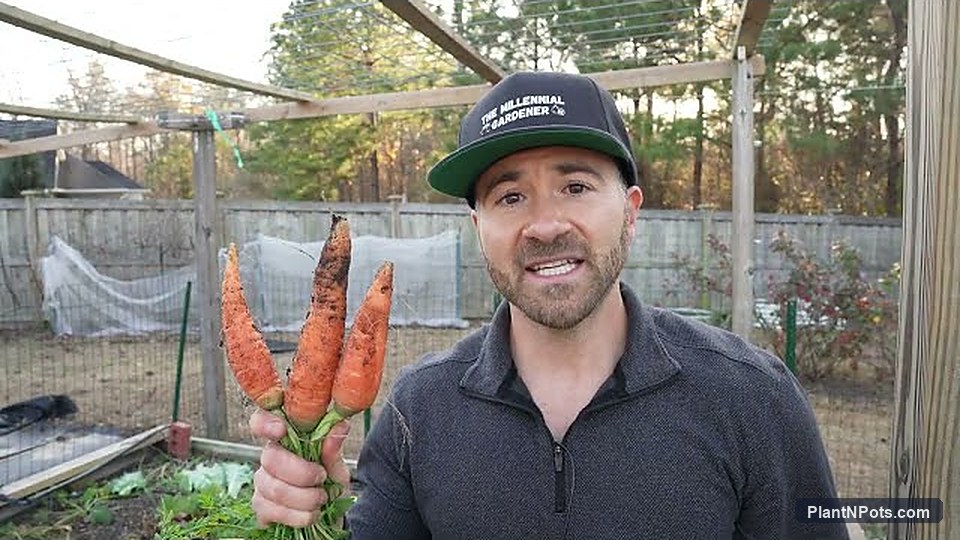
Standard varieties like Imperator require exceptional vertical clearance to develop properly. Miniature or round cultivars need much less depth, making them ideal for compact container gardening setups.
When evaluating cultivar needs, always check the seed packet maturity length. Pairing your seeds with a suitable depth container or a best indoor planter for palm tree prevents forking and twisted roots.
Container gardening removes natural soil resistance, allowing tender roots to expand freely. However, inadequate depth forces roots to hit the container base, resulting in stunted, deformed crops.
- Choose shorter round varieties like 'Paris Market' for shallow setups.
- Select 'Danvers' or 'Nantes' types for standard medium depth bags.
- Reserve deep 14-inch bags exclusively for long-season Imperator cultivars.
- Avoid heavy clay soils that restrict root penetration entirely.
Selecting Miniature vs. Full-Size Cultivars
Miniature carrot varieties require significantly less soil depth than traditional long types. These round or stubby selections perform exceptionally well in shallow, compact fabric containers.
Full-size cultivars demand maximum vertical space to prevent root distortion. Understanding your specific carrot cultivar characteristics ensures you purchase the correct bag dimensions from the start.
- Opt for round types in shallow 8-inch bags.
- Verify mature root lengths before buying containers.
Calculating Ideal Grow Bag Dimensions and Volume
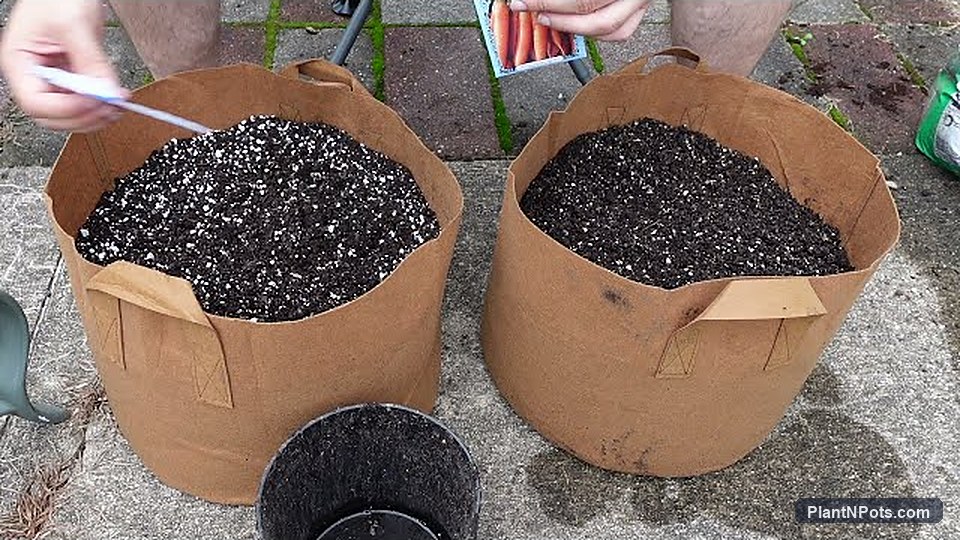
Standard carrot varieties require a minimum container depth of 10 to 12 inches. Choosing bags shallower than this threshold causes the primary taproot to hit the bottom prematurely.
Container volume directly dictates how many plants can comfortably mature together. Choosing a durable fabric container like the [best self watering grow bag](https://plantnpots.com/?p=2773) accommodates a dozen healthy carrot plants without crowding issues.
Width matters just as much as depth when calculating total container capacity. Round grow bags with a 12-inch diameter provide ample surface area for optimal seed spacing arrangements.
Calculating soil volume helps you purchase the correct amount of potting mix. Multiply your container dimensions to ensure adequate root runs and moisture retention throughout the season.
- Opt for a minimum depth of 12 inches for most common carrot seeds.
- Ensure container width allows at least 3 inches of space per mature plant.
- Calculate cubic volume using standard formulas to buy precise soil amounts.
- Avoid narrow, tall containers that restrict lateral root expansion and stability.
Sizing Up for Multi-Row Plantings
Rectangular fabric beds offer expanded surface areas for multiple rows of carrots. These long containers allow gardeners to maximize small patio footprints effectively.
Maintain proper spacing between rows to ensure adequate light penetration. Wider beds require careful monitoring of soil moisture distribution across the entire planting surface.
- Arrange rows with adequate lateral clearance.
- Monitor moisture across wide bed surfaces.
Video Walkthrough: Gardening In GROW BAGS Is So EASY It's Like Cheating!
Fabric Material Benefits for Underground Vegetables
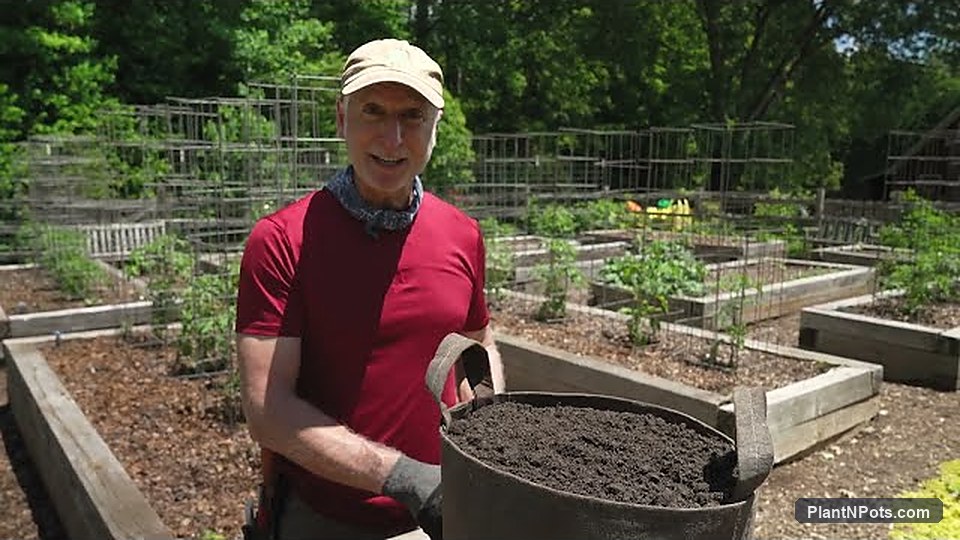
Fabric grow bags offer unique advantages for root crops compared to rigid plastic containers. Breathable porous walls promote air pruning, which prevents roots from circling destructively.
Excellent aeration enhances beneficial microbial activity within the surrounding root zone. This superior oxygen exchange directly translates to healthier, faster-growing vegetable crops during the warm season.
Fabric containers provide exceptional drainage, virtually eliminating the risk of waterlogged soil. Root vegetables like carrots rot quickly in standing water, making proper drainage essential.
Natural temperature regulation protects delicate root structures from extreme heat spikes. Porous fabric allows excess thermal energy to dissipate quickly on hot summer afternoons.
- Utilize breathable non-woven geotextile fabric for superior root aeration.
- Benefit from natural air pruning that stops roots from circling inside.
- Enjoy lightweight portability for shifting containers toward optimal sunlight spots.
- Prevent root rot through rapid excess water drainage capabilities.
Soil Composition and Blending for Container Carrots
Root vegetables require exceptionally loose, friable soil to develop straight, unblemished roots. Heavy garden soils compact easily inside containers, causing carrots to fork or split severely.
Create a custom blend using equal parts professional potting mix, compost, and perlite. This lightweight combination retains vital moisture while providing zero physical resistance to growing taproots.
Avoid adding fresh manures containing excessive nitrogen levels that encourage lush green top growth. Maintaining this balanced environment mirrors the aeration needed in a specialized [best eva solo orchid pot](https://plantnpots.com/?p=2890).
Sift your finished soil mixture through a hardware cloth screen to remove debris. Eliminating small pebbles and woody chunks prevents physical obstructions that distort growing carrots.
- Mix equal parts peat-free compost, perlite, and premium potting soil.
- Test soil texture to ensure it crumbles easily in your bare hands.
- Remove all small stones and wood fragments before filling bags.
- Maintain a slightly acidic soil pH between 6.0 and 6.8.
Sowing Density and Thinning Seedling Practices
Carrot seeds are remarkably tiny, often leading to dense, overcrowded initial plantings. Proper spacing is vital for allowing individual roots to swell without competing for limited nutrients.
Scatter seeds evenly across the prepared bag surface before covering them lightly. Mist the soil daily with a gentle spray nozzle to keep delicate seeds consistently moist.
Thin your young seedlings once they reach approximately two inches in height. Snip extra sprouts at the soil line using clean scissors to avoid disturbing adjacent fragile roots.
Final spacing should leave roughly two to three inches between individual carrot plants. This deliberate thinning prevents deformed crops and maximizes the usable harvest yield significantly.
- Sow tiny seeds shallowly at a depth of one-quarter inch.
- Thin seedlings systematically in two separate stages for best results.
- Use sharp snips instead of pulling to protect neighboring root systems.
- Space mature plants 2 to 3 inches apart in all directions.
Managing Moisture Levels and Nutrient Delivery
Fabric grow bags dry out faster than traditional plastic pots due to evaporation. Consistent watering is crucial for preventing carrot roots from splitting during dry spells.
Water deeply whenever the top two inches of soil feels dry to the touch. Avoid erratic watering schedules that cause rapid root expansion followed by sudden splitting.
Feed container carrots with a balanced, low-nitrogen organic fertilizer every three weeks. Excessive nitrogen creates massive foliage while leaving underground roots underdeveloped and tasteless.
Apply a thin layer of organic mulch across the soil surface to retain moisture. Mulching reduces surface evaporation and protects shallow root crowns from harsh sun exposure.
- Water container carrots deeply whenever the topsoil dries out.
- Apply low-nitrogen organic fertilizers formulated specifically for root crops.
- Monitor soil moisture daily during peak summer heat waves.
- Mulch the surface lightly to conserve precious soil hydration.
Troubleshooting Common Container Carrot Growing Issues
Forked or hairy roots usually indicate rocky soil or excessive nitrogen fertilizer. Ensure your potting mix is completely free of stones and rich organic clumps.
Green shoulders on your carrots happen when roots poke above the soil line. Remedy this minor issue by gently hilling up fresh potting mix around exposed crowns.
Pest issues like rust fly can occasionally affect container-grown vegetable crops. Use fine insect netting over your grow bags to protect vulnerable young greens from infestation.
Slow growth typically points toward insufficient sunlight or depleted soil nutrients. Relocate your fabric bags to a spot receiving at least six hours of direct sun.
- Hill up exposed carrot shoulders promptly to prevent bitterness.
- Cover bags with fine mesh netting to deter common root pests.
- Ensure plants receive 6 to 8 hours of daily sunlight.
- Check soil drainage holes if yellowing lower leaves appear.
Frequently Asked Questions
Can I grow carrots in a shallow 5-inch container?
Growing carrots in a shallow five-inch container is not recommended because standard varieties require at least ten to twelve inches of depth. Opt for miniature round cultivars if you must use a shallower container setup.
How many carrot seeds should I plant in a 10-gallon grow bag?
A ten-gallon grow bag provides enough surface area to successfully mature roughly twenty to twenty-five standard carrots. Space your seeds evenly and thin the resulting seedlings carefully to prevent overcrowding.
Why are my container carrots growing hairy and forked?
Hairy or forked carrots usually result from rocky soil or an excess of fresh nitrogen fertilizer in your potting mix. Always use fine, stone-free soil blends and balanced fertilizers to ensure straight roots.
Do fabric grow bags dry out too fast for carrots?
Fabric grow bags do lose moisture faster than plastic pots due to enhanced wall evaporation. Monitor soil moisture daily and water deeply whenever the topsoil feels dry to protect your developing crop.
When is the best time to harvest container-grown carrots?
Harvest your carrots once the roots reach mature size and the shoulders push slightly above the soil surface. Check seed packet maturity dates and gently test one root before harvesting all plants.

