When your succulent outgrows its container, root restriction limits water uptake and nutrient distribution. This guide shows you how to safely repot your oversized specimen.
Key Takeaway:
Never increase pot size by more than one to two inches at a time. Gradual up-potting prevents excessive soil moisture retention that triggers fatal root rot.
Quick-Reference Guide
| Factor / Scenario | Recommended Target | Why It Matters |
|---|---|---|
| Pot Size Increase | 1 to 2 inches wider | Prevents excess moisture retention |
| Drainage Holes | At least one central hole | Allows gravity to clear surplus water |
| Pot Material | Unglazed terracotta or ceramic | Promotes rapid root zone evaporation |
| Soil Mix | 50 percent inorganic grit | Ensures optimal aeration and rapid drying |
| Root Pruning | Trim up to 25 percent | Manages overly dense root bound masses |
| Post-Repot Wait | 7 to 10 days dry | Allows damaged root surfaces time to heal |
Recognizing When Your Succulent Outgrows Its Container
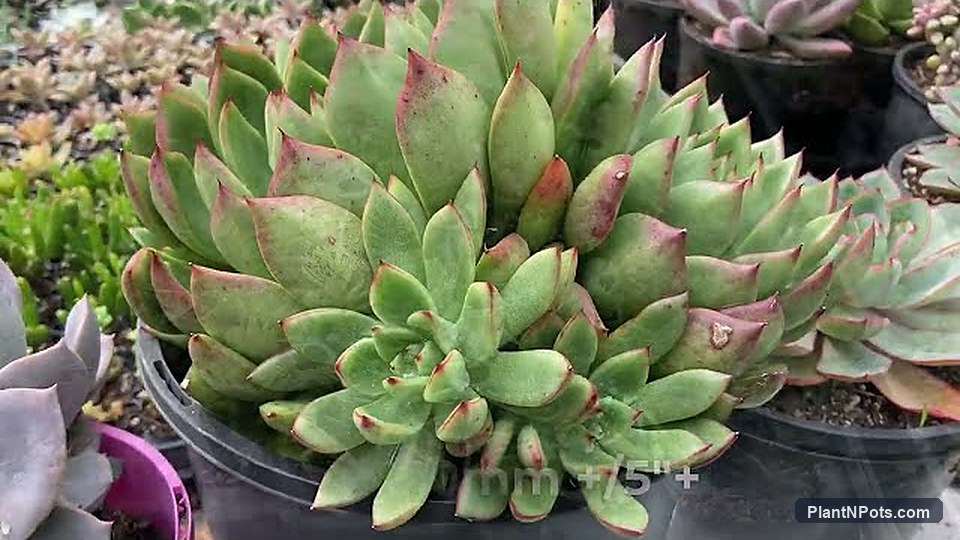
Spotting a succulent too big for its pot requires careful observation of above-ground growth and root behavior. Crowded containers often stunt plant development and reduce overall vigor.
When roots emerge from drainage holes, upgrade your [succulent pots with drainage](https://plantnpots.com/?p=1298) immediately. Constrained root systems struggle to absorb adequate moisture during routine watering sessions, requiring swift action.
Stalled growth, excessive leaf drop, and rapid drying out of soil indicate severe spatial restrictions. Potted specimens deplete available nutrients quickly when root masses completely dominate containers.
Ignoring these warning signs can lead to structural instability, causing heavy plants to tip over easily. Timely container upgrades protect your valuable specimens from physical damage.
- Inspect the drainage hole monthly for protruding white or brown roots.
- Monitor how quickly soil dries out after a thorough watering session.
- Look for top-heavy growth patterns that make the entire planter unstable.
- Check for yellowing lower leaves caused by severe nutrient deficiency.
Identifying Subtle Symptoms
Beyond obvious physical crowding, subtle signs include a sudden halt in seasonal leaf production. Stunted growth signals that roots lack the physical space needed for expansion.
Water running straight through the pot without moistening the root ball confirms severe compaction. Compacted media forces growers to intervene promptly with fresh soil mixes.
- Notice if water beads up or bypasses the dry root mass entirely.
- Observe whether the stem thickness disproportionately exceeds the pot width.
Understanding Succulent Root Systems and Space Needs
Most succulents feature shallow, spreading root systems rather than deep taproots. Shallow root architectures mean plants prefer wider bowls over deep, narrow plastic nursery containers.
Selecting an inappropriately deep vessel prevents proper drying. Finding the [proper pot size](https://plantnpots.com/?p=6664) prevents stagnant moisture from accumulating beneath the root zone and triggering fungal rots.
Matching container dimensions to natural root habits ensures long-term health and stability. Shallow planters accommodate natural spreading tendencies while preventing dangerous water saturation issues.
Understanding root morphology helps you choose vessels that support natural architectural development. Proper spacing allows oxygen to circulate freely around every delicate root hair.
- Choose bowls or shallow planters for rosette-forming clustering species.
- Avoid deep cylindrical containers unless growing tall columnar desert varieties.
- Ensure root balls sit comfortably without folding or bending forcefully.
- Maintain adequate clearance between the lower leaves and pot rim.
Root Architecture Variations
Different succulent genera exhibit distinct root habits that dictate specific container choices. Haworthias and gasterias develop thick contractile roots requiring slightly deeper vertical clearance.
Echeverias and sedums prefer broad, shallow root runs across the soil surface. Spreading root systems thrive when given horizontal expansion room rather than depth.
- Research specific root habits before purchasing permanent display containers.
- Match container depth to the primary root anchor zone requirements.
Video Walkthrough: Big vs Small pots
Selecting the Proper Up-Potting Size and Material
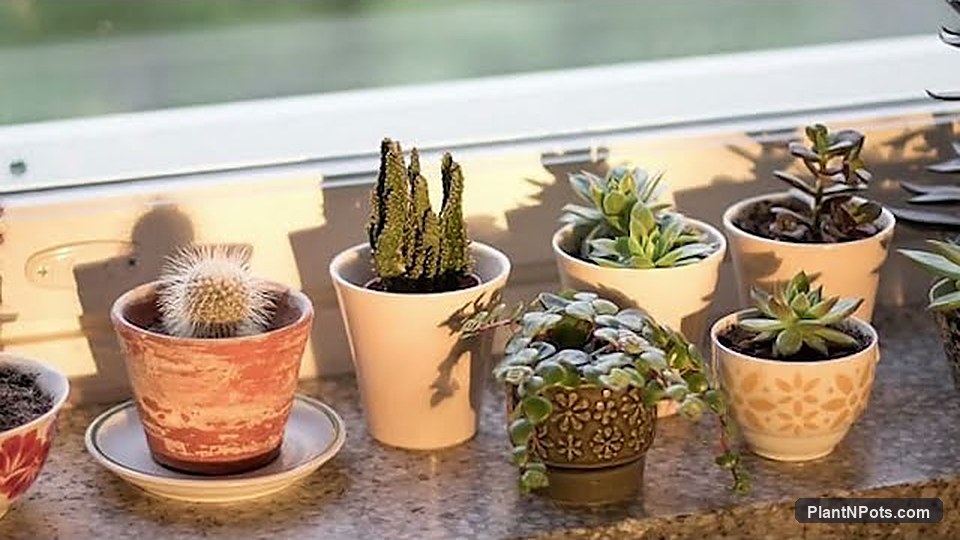
Choosing the correct vessel is critical when handling overcrowded specimens. Selecting [quality hanging baskets](https://plantnpots.com/?p=2968) or bowls with incremental sizing prevents the soil from staying wet.
Always select a pot that measures only one to two inches wider in diameter. Moving up too drastically overloads the root zone with uncolonized wet potting medium.
Material choice significantly impacts moisture evaporation rates and overall root health. Unglazed terracotta allows air and moisture to pass directly through porous clay walls safely.
Plastic and glazed ceramic containers retain moisture much longer, requiring careful watering discipline. Breathable materials offer a forgiving environment for growers prone to overwatering tendencies.
- Measure the current root ball width before shopping for replacements.
- Prioritize unglazed clay pots for optimal root zone air exchange.
- Verify that new planters feature functional bottom drainage holes.
- Avoid oversized decorative cachepots that restrict proper airflow entirely.
Evaluating Container Materials
Plastic pots are lightweight and inexpensive but trap moisture inside the root zone. Plastic vessels work well only when paired with extremely gritty soil mixes.
Glazed ceramic planters add aesthetic value while reducing evaporation rates significantly. Glazed surfaces demand precise watering schedules to prevent hidden root rot problems.
- Factor weight into your decision if you need to move plants often.
- Consider local humidity levels when choosing between porous and non-porous pots.
Essential Drainage Requirements for Oversized Plants
Functional drainage is non-negotiable when housing a succulent too big for pot setups. Drainage holes give excess irrigation water a clear exit path driven by gravity.
Containers lacking drainage holes trap standing water at the base, leading to rapid decay. Stagnant moisture creates an anaerobic environment where fatal fungal pathogens thrive aggressively.
Never rely on gravel layers at the bottom of non-drained pots for drainage. Perched water tables actually raise the saturation zone closer to the plant roots.
Drill holes into decorative pots using specialized diamond masonry bits if necessary. Proper drainage safeguards your entire collection against unexpected root loss and decline.
- Inspect every potential container for at least one functional exit hole.
- Cover large holes with porous mesh to retain soil while passing water.
- Never place gravel at the bottom of pots lacking drainage outlets.
- Elevate planters slightly on pot feet to improve bottom airflow.
Managing Drainage Challenges
If a favorite decorative pot lacks drainage, use it strictly as an outer cachepot. Inner nursery pots can be lifted out easily for watering and draining.
Ensure water never collects inside the outer decorative container after irrigation sessions. Emptying saucers promptly prevents water from wicked back into the soil.
- Remove inner pots completely before watering over a sink.
- Let plants drain thoroughly before placing them back into display vessels.
Step-by-Step Guide to Transitioning a Crowded Plant
Repotting a succulent too big for pot boundaries requires gentle handling and patience. Careful extraction minimizes root breakage and reduces transplant shock for delicate specimens.
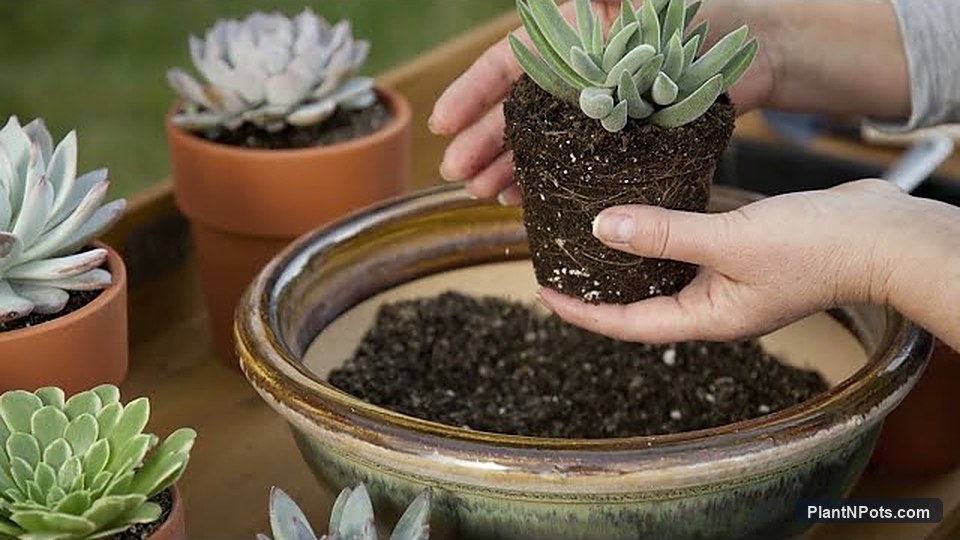
Gently squeeze flexible plastic containers or run a knife around rigid ceramic edges. Loosening root balls helps release compacted soil without tearing major structural anchor roots.
Tease apart tightly bound roots with your fingers to encourage outward radial expansion. Pruning dead roots using sterilized shears prevents decaying matter from spreading infection.
Fill the new container halfway with a fast-draining gritty succulent soil blend. Fresh substrate provides essential nutrients and structural support for the transitioning plant.
- Allow soil to dry completely before attempting any repotting work.
- Gently brush away old compacted peat moss from the root system.
- Position the plant crown level with the new pot rim.
- Fill in gaps with fresh grit mix, tapping the pot gently.
Post-Repotting Care Rules
Keep freshly repotting succulents dry for seven to ten days post-transfer. Dry conditions allow broken root tissues to callous over before encountering moisture.
Protect newly transplanted specimens from harsh direct sunlight for the first week. Indirect light reduces environmental stress while the root system recovers stability.
- Withhold water completely during the initial post-repotting recovery phase.
- Introduce bright light gradually after the recovery window passes.
Video Walkthrough: How to Fix Elongated/ Leggy Succulents?
Grouping and Re-Potting Multiple Overgrown Succulents
Combining multiple specimens in a large arrangement demands careful spacing considerations. Group plantings can quickly become a massive succulent too big for pot limits.
Ensure all grouped plants share identical water, light, and soil requirements. Compatible species prevent aggressive growers from starving slower companions of essential resources.
Leave adequate breathing room between individual rosettes to accommodate future expansion. Proper initial spacing delays the inevitable need to separate overcrowded arrangement components later.
Prune trailing stems regularly to maintain balance within multi-plant container designs. Routine maintenance keeps collaborative arrangements looking neat and structurally sound over time.
- Pair plants with similar drought tolerance and growth rates together.
- Avoid crowding rosettes against the interior rim of the planter.
- Monitor individual plant vigor within the arrangement for signs of struggle.
- Plan to disassemble or upgrade arrangements every two or three years.
Arrangement Troubleshooting
When a large multi-plant arrangement outgrows its container, major surgery is necessary. Dividing clusters restores individual plant health and creates fresh propagation material.
Gently tease entangled root systems apart using a blunt wooden chopstick. Patient separation minimizes root damage while untangling complex multi-plant root masses safely.
- Work over a large tray to catch loose soil and fallen leaves.
- Repot individual divisions into appropriately sized single specimen containers.
Frequently Asked Questions
How do I know if my succulent is too big for its pot?
You will know your succulent has outgrown its container when thick roots emerge prominently from the bottom drainage holes or push substrate over the rim. Severe spatial restriction also triggers rapid soil drying, stunted upper growth, and general structural top-heaviness.
Should I choose a much larger pot when my succulent outgrows its current one?
Never jump up more than one to two inches in diameter when selecting a replacement container for your oversized succulent. Gradual up-potting prevents excess soil from retaining moisture too long, which directly invites fatal root rot.
What type of soil should I use when repotting an overgrown succulent?
You should always use a fast-draining commercial cactus and succulent mix amended with fifty percent inorganic grit like perlite or pumice. Gritty substrates ensure optimal oxygen circulation and prevent moisture from lingering around delicate recovering roots.
How long should I wait before watering a newly repotted succulent?
Always keep your freshly repotting succulent completely dry for seven to ten days following the container transition. Dry recovery periods allow any broken root tissues to callous over safely before encountering irrigation water.
Can I prune the roots of an overgrown succulent during repotting?
You can safely trim up to twenty-five percent of the dense root mass using sterile shears to manage overly root-bound plants. Root pruning encourages fresh feeder root development and fits oversized specimens into manageable containers easily.

