Master the art of container gardening with this practical guide. Learn proper techniques for safe plant health.
Key Takeaway:
Repot your holiday plant every two to three years during active spring growth using well-draining soil and a slightly larger container.
Quick-Reference Guide
| Factor / Scenario | Recommended Target | Why It Matters |
|---|---|---|
| Repotting Frequency | Every 2-3 years | Prevents severe root crowding and media breakdown. |
| Ideal Season | Early spring | Minimizes plant shock during active growth. |
| Container Size | 1-2 inches larger | Prevents excess moisture retention and root rot. |
| Soil pH Level | 5.5 to 6.5 | Optimizes nutrient uptake for epiphytic cacti. |
| Initial Watering | Wait 3-5 days | Allows damaged root tips to heal properly. |
| First Fertilizer | Wait 6-8 weeks | Protects sensitive recovering roots from chemical burn. |
Understanding Thanksgiving Cactus Root Systems
Thangiving cacti possess delicate root systems that differ significantly from desert varieties. As epiphytes, they anchor onto trees in their native forests, requiring specialized care during container management.
These plants thrive when slightly root-bound, meaning frequent repotting is entirely unnecessary. Pushing them into oversized pots too quickly often leads to chronic soil saturation and root rot.
When comparing gear and setup options, our [best cactus for outdoor pots:](https://plantnpots.com/?p=3109) breaks down key materials, sizing, and durability trade-offs.
Recognizing natural growth patterns helps you determine when your specimen truly needs fresh media. Look for roots circling drainage holes or slowed development during peak spring cycles.
Understanding these foundational requirements prevents shock and encourages robust structural health. Proper container adaptation ensures your holiday blooming perennial lives for decades inside your home.
- Native to tropical rainforest canopies
- Prefer snug, restricted root environments
- Sensitive to excessive container volume
- Active growth begins after blooming
Recognizing Epiphytic Growth Traits
Epiphytic plants absorb moisture from ambient humidity through aerial structures as well as soil. This unique biology dictates why heavy, water-retaining garden dirt spells disaster for container-grown specimens.
Providing an airy environment mimics their natural tree bark habitat. Keep this fundamental requirement in mind whenever you choose substrates or update your container setup.
- Absorb moisture through ambient humidity
- Require exceptional root zone aeration
- Reject heavy, compacted growing media
Determining the Ideal Timing for Container Transfers
Timing your container upgrade correctly is vital for minimizing plant shock. The absolute best window for this task occurs in early spring right as new stem segments appear.
Never attempt container changes while your Schlumbergera is actively producing flower buds or blossoms. Disrupting the plant during this sensitive phase causes premature bud drop and severe stress.
Spring warmth triggers vigorous vegetative growth that helps plants recover quickly from root disturbance. This natural seasonal cycle provides optimal energy for healing minor root tears.
Checking seasonal cues ensures your holiday cactus adjusts smoothly to its updated living quarters without stalling. Patience with timing yields vibrant blooms later in the winter season.
- Target early spring for transfers
- Avoid repotting during winter bloom
- Wait until new stem growth starts
- Ensure stable indoor temperatures
Video Walkthrough: Repotting Thanksgiving Cactus! Important tips! Should you? When? How?
Selecting the Right Pot Size and Drainage Materials
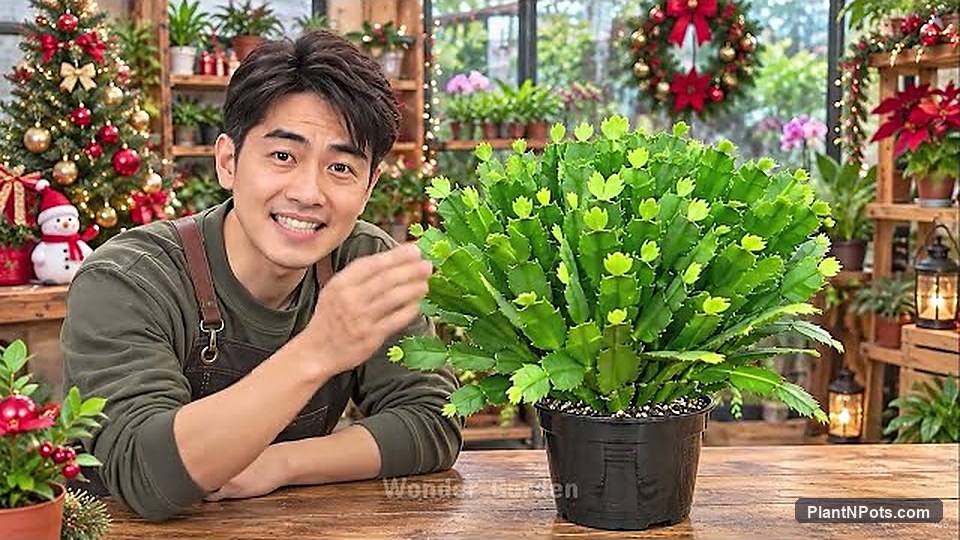
Choosing the correct container size prevents moisture retention issues that plague indoor gardeners. Select a pot that is only one to two inches larger in diameter than your current vessel.
Terracotta pots provide excellent breathability, allowing excess moisture to evaporate rapidly through the porous clay walls. Plastic containers retain water longer, requiring more cautious watering habits afterward.
Regardless of material, uncompromising drainage holes are non-negotiable for maintaining healthy epiphytic root systems. Standing water at the base will quickly suffocate delicate root hairs and cause decay.
Layering the bottom with heavy rocks is discouraged, as it actually raises the perched water table inside the soil column. Rely entirely on functional drainage holes instead.
- Limit upgrades to two inches
- Prioritize containers with drainage holes
- Consider porous terracotta materials
- Avoid deep, oversized decorative pots
Evaluating Container Material Options
Porous clay pots forgive minor watering errors by breathing out surplus moisture. Glazed ceramic and plastic vessels hold moisture longer, demanding strict adherence to dry-down checks.
Match your material choice to your personal watering tendencies to maintain ideal root hydration.
- Clay breathes out excess water
- Plastic retains moisture much longer
- Match material to watering style
Mixing Optimal Soil Compositions for Epiphytic Cacti
Standard heavy garden soil will quickly suffocate your Thanksgiving cactus by holding too much moisture. You need a porous, lightweight medium that mimics organic forest floor debris.
Combine equal parts standard potting mix, orchid bark, and perlite to achieve ideal aeration. This chunky blend allows oxygen to reach roots while draining away surplus irrigation water.
Maintaining a slightly acidic pH between 5.5 and 6.5 optimizes nutrient uptake for this specific tropical cactus species. Avoid heavy peat bases that compact over time.
Pre-moistening your custom soil blend before filling the container helps settle the medium evenly around delicate root structures without creating massive air pockets.
- Use chunky orchid bark mixes
- Incorporate perlite for aeration
- Maintain slightly acidic soil pH
- Pre-moisten media before planting
Step-by-Step Container Extraction and Root Inspection
Gently ease your plant out of its existing container by tilting it sideways and tapping the rim. Avoid pulling forcefully on the delicate flattened stem segments to prevent breakage.
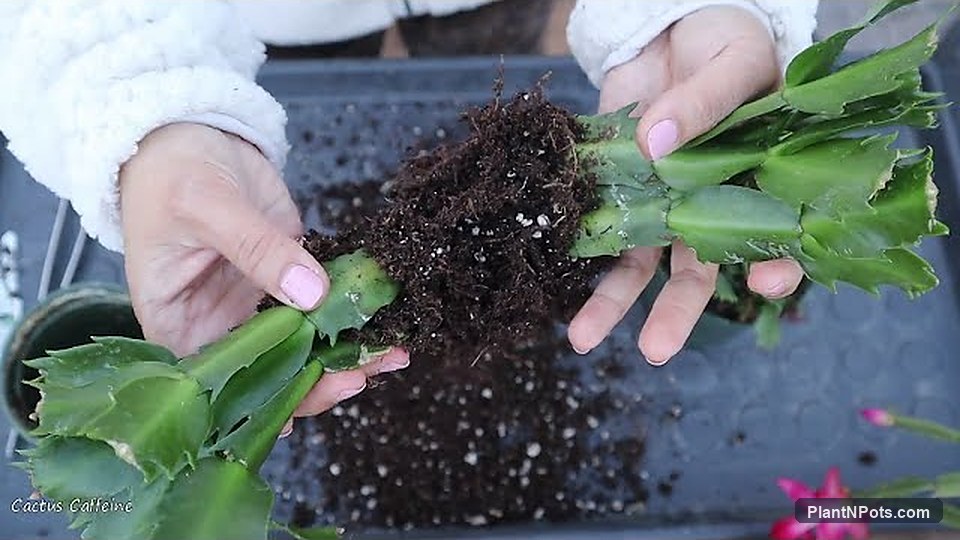
Once extracted, carefully brush away old compacted soil using your fingers to inspect the root ball. Gently untangle any severely circling roots to encourage outward spreading.
Trim away any dark, mushy, or foul-smelling roots using sterilized shears to eliminate potential fungal pathogens. Healthy roots should appear firm and light tan in color.
Treating compromised root systems proactively stops disease spread before fresh potting media introduces new moisture dynamics. Clean tools prevent transferring bacteria between plants.
- Tilt pot to slide plant out
- Gently tease circling root strands
- Sanitize cutting shears thoroughly
- Inspect for soft rot signs
Video Walkthrough: Repotting my Thanksgiving #Cactus | #schlumbergera
Settling Your Plant Into Its New Container Safely
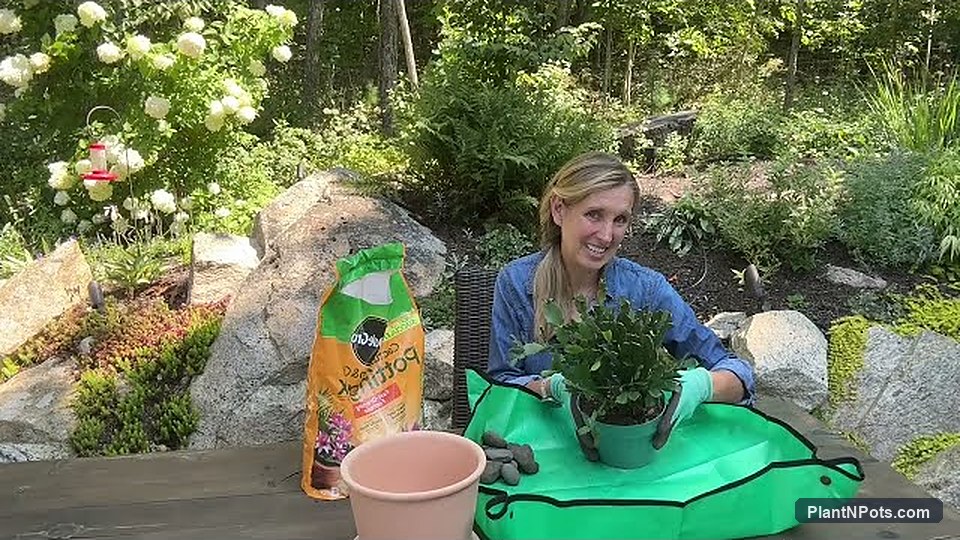
Place a fresh layer of your prepared soil mixture at the bottom of the clean container. Position the root ball so the plant sits at the exact same depth as before.
Fill surrounding gaps with your chunky substrate, gently tapping the container sides to settle media. Avoid compressing the soil too heavily with your hands to protect fragile roots.
Ensure the base of the stem remains level with the soil surface to prevent stem rot issues. Deep planting invites fungal decay along the main woody stalk.
Add a thin top-dressing of fine gravel if extra stabilization is required for top-heavy specimen plants. This keeps upright stems secure while new anchorage develops.
- Maintain original planting depth
- Tap pot sides to settle soil
- Avoid packing media too tightly
- Check stem alignment carefully
Securing Top-Heavy Specimen Plants
Large holiday cacti often lean dangerously until new roots anchor them into the fresh potting mix. Use clean decorative stones or small stakes for temporary structural support.
Remove stakes once the root system stabilizes inside the container.
- Use clean stones for support
- Add temporary stakes if needed
- Remove supports after anchoring
Post-Repotting Recovery Care and Long-Term Maintenance
Resist the immediate urge to water your newly repotted cactus right away. Allow compromised roots a few days to heal from minor abrasions incurred during the transfer process.
Place the container in bright, indirect sunlight away from harsh, direct afternoon rays that could scorch stressed leaves. Consistent, gentle lighting promotes rapid environmental adaptation.
Resume normal watering schedules only after a full week has passed, ensuring excess liquid drains completely. Monitor soil moisture levels closely using your finger test.
Withhold standard liquid fertilizers for at least six to eight weeks until the root system establishes firmly within the fresh substrate. Premature feeding burns roots.
- Delay watering for several days
- Provide bright indirect light
- Wait months before fertilizing
- Monitor soil moisture weekly
Avoiding Common Pitfalls During the Repotting Process
Many indoor gardeners make the critical error of selecting pots that are excessively large. Oversized vessels hold moisture far too long, leading directly to fatal root rot.
Another frequent mistake involves using dense, heavy garden dirt instead of a porous epiphytic blend. Always prioritize well-aerated substrates containing ample bark and perlite components.
Forgetting to sanitize pruning tools can introduce harmful pathogens into fresh root wounds during structural trims. Clean all blades with isopropyl alcohol before starting your project.
Avoiding these standard missteps ensures your holiday cactus transitions smoothly and thrives for many future blooming seasons without unexpected setbacks or sudden foliage loss.
- Never use oversized pots
- Avoid dense garden soil
- Sanitize all cutting tools
- Do not fertilize immediately
Frequently Asked Questions
How often should I repot my thanksgiving cactus?
You typically need to repot every two to three years as the plant outgrows its container. Watch for roots emerging from drainage holes to confirm exact timing.
Why are my holiday cactus stems dropping segments after repotting?
Plant shock from root disturbance or sudden environmental shifts usually causes temporary segment drop. Ensure stable lighting and proper watering to encourage quick recovery.
Can I repot my thanksgiving cactus while it is blooming?
Never attempt container transfers while your plant produces flowers or buds because disruption causes severe bud blast. Wait until active spring vegetative growth begins.
What kind of soil is best for a container-grown thanksgiving cactus?
Use a specialized blend combining standard potting mix, orchid bark, and perlite for optimal drainage. This custom mix mimics their natural tropical forest habitat conditions.
Should I water my thanksgiving cactus immediately after repotting?
Withhold water for a few days to let any damaged roots heal and seal properly. Resume gentle, thorough watering schedules after one full week has passed.

