Master the art of container fig care with our authoritative repotting guide. Learn exact soil mixes, timing, and root pruning techniques.
Key Takeaway:
Repot container-grown fig trees every two to three years during early spring dormancy using a well-draining, nutrient-rich potting substrate and a slightly larger container.
Quick-Reference Guide
| Factor / Scenario | Recommended Target | Why It Matters |
|---|---|---|
| Repotting Frequency | Every 2-3 Years | Prevents severe root binding and nutrient depletion. |
| Optimal Timing | Early Spring | Minimizes transplant shock before active growth begins. |
| Soil pH Range | 6.0 to 6.5 | Ensures maximum uptake of essential minerals. |
| Container Step-Up | 2 Inches Larger | Provides growing space without overwhelming roots. |
| Root Pruning Amount | Outer One-Third | Maintains plant size in permanent containers. |
| Post-Watering | Deep Saturation | Eliminates air pockets and settles fresh soil. |
Evaluating Container Fig Roots and Growth Signals
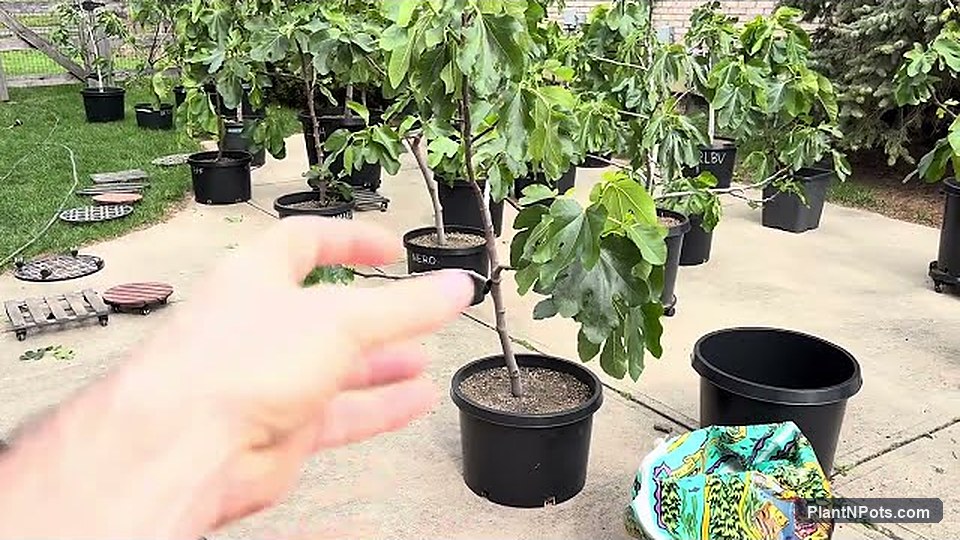
Recognizing when your potted fig requires a larger home prevents severe root binding. Look closely for dense circular roots emerging from the bottom drainage holes of your current container.
Another clear indicator includes stunted spring foliage development alongside rapid soil drying cycles. When daily summer watering fails to keep the plant hydrated, roots have completely overwhelmed the available substrate volume.
Gently sliding the root ball out of its vessel offers definitive visual confirmation. Choosing the [best planter for fig tree](https://plantnpots.com/?p=5134) ensures active white root tips have adequate room to grow safely.
Ignoring these structural warnings eventually leads to nutrient deficiencies, leaf drop, and overall decline. Addressing root congestion proactively ensures your fig tree maintains vigorous seasonal fruit production year after round.
Inspecting your container fig requires checking for circling root systems that emerge directly from the bottom drainage holes. When roots crowd the perimeter, nutrient absorption drops rapidly.
Look closely for stunted canopy growth where seasonal leaf size shrinks visibly compared to previous years. If watering needs double within a few days, roots have likely filled the pot completely.
Gently slide the fig tree out of its current vessel to check the root ball. Transferring it into the best white ceramic indoor pot provides adequate space for healthy growth.
Ignoring these clear physical signals leads to severe nutrient deficiencies and premature leaf drop. Catching root congestion early ensures your container fig recovers quickly after moving into fresh soil.
- Inspect bottom drainage ports for protruding roots.
- Monitor summer moisture retention rates closely.
- Slide the root ball out to check density.
- Watch for sudden cessation of new canopy growth.
Identifying Critical Signs of Root Congestion
Container-grown figs display distinct stress signals when their root systems run out of space. Persistent yellowing leaves despite regular fertilization often indicate severe root restriction inside the pot.
Water running straight through the container without moistening the substrate signals rootbound media. Addressing these symptoms early prevents permanent damage to your valuable fruit-bearing specimen.
- Check for water channeling down pot edges.
- Note premature leaf yellowing and drop.
Determining the Ideal Seasonal Window for Repotting
Timing your repotting operation precisely minimizes transplant shock and encourages rapid recovery. The absolute best period occurs in early spring just as buds begin swelling before active foliage unfurls.
During this dormant phase, the plant expends minimal energy on leaf expansion and fruit development. This physiological state allows the root system to repair damaged tissues without sacrificing seasonal canopy growth.
Avoid disrupting your fig tree during the peak heat of summer or deep winter dormancy. Sudden environmental shifts during extreme weather conditions can trigger catastrophic leaf drop and weaken structural resilience.
If emergency repotting becomes necessary mid-season due to container breakage, provide extra shade protection. Moving the recovering tree into a sheltered location helps mitigate severe transpiration stress during vulnerable weeks.
Repot your container fig tree during early spring dormancy just before new buds begin to swell. This timing minimizes transplant shock because the plant is not actively pushing delicate foliage growth.
Avoid repotting during the peak heat of summer when transpiration rates are exceptionally high. Disturbing root systems in hot weather stresses the tree and often causes immediate leaf wilting.
You can also repot in late autumn after the tree drops its leaves and enters winter dormancy. Ensure ambient temperatures remain above freezing to protect recovering root structures from frost damage.
Timing your intervention correctly aligns with the natural hormonal cycles of the plant. Proper seasonal scheduling guarantees rapid root establishment and vigorous branch development when warmer weather finally arrives.
- Target the pre-bud swell window in spring.
- Never repot during extreme summer heatwaves.
- Protect disturbed trees from direct mid-day sun.
- Keep ambient temperatures stable during recovery.
Video Walkthrough: The BEST TIPS for Repotting Fig Trees | Planting a Fig Tree in a Pot for Success
Selecting the Best Vessel Materials and Drainage Specs
Choosing the correct container material directly impacts moisture retention and root zone temperature stability. Traditional unglazed terracotta pots allow excess moisture to evaporate through porous clay walls efficiently.
Plastic and fiberglass planters retain moisture much longer, making them ideal for hot, dry climates. Regardless of material choice, your new vessel must feature ample drainage holes at the base.
Never step up to an excessively large container all at once when repotting. Moving from a ten-inch pot to a fourteen-inch vessel provides optimal space without overwhelming root capacity.
Elevating containers on pot feet prevents standing water from blocking crucial air exchange ports. Proper bottom clearance ensures pathogens and root rot fungi cannot enter through saturated drainage openings.
Choose a container that is only two inches wider than your current pot to prevent chronic soil saturation. Excessively large pots hold too much moisture around uncolonized root zones.
Unglazed terra cotta pots offer superior breathability and enhanced soil aeration through porous clay walls. However, they dry out quickly and require more frequent watering during peak summer months.
Heavy-duty plastic or fiberglass containers retain moisture longer and reduce overall watering frequency. Always verify that the vessel features multiple drainage holes measuring at least a half-inch wide each.
Elevate your chosen pot slightly on pot feet to ensure unobstructed drainage during heavy rainfall. Good bottom clearance prevents root rot by allowing excess irrigation water to escape freely.
- Match pot porosity to your local climate.
- Ensure multiple functional bottom drainage holes.
- Limit container size increments to two inches.
- Use pot feet to guarantee bottom airflow.
Formulating the Optimal Potting Mix and Substrate
Fig trees demand a loose, highly porous soil structure that drains rapidly after heavy watering. A standard heavy garden loam will suffocate roots, making a specialized container blend absolutely essential.
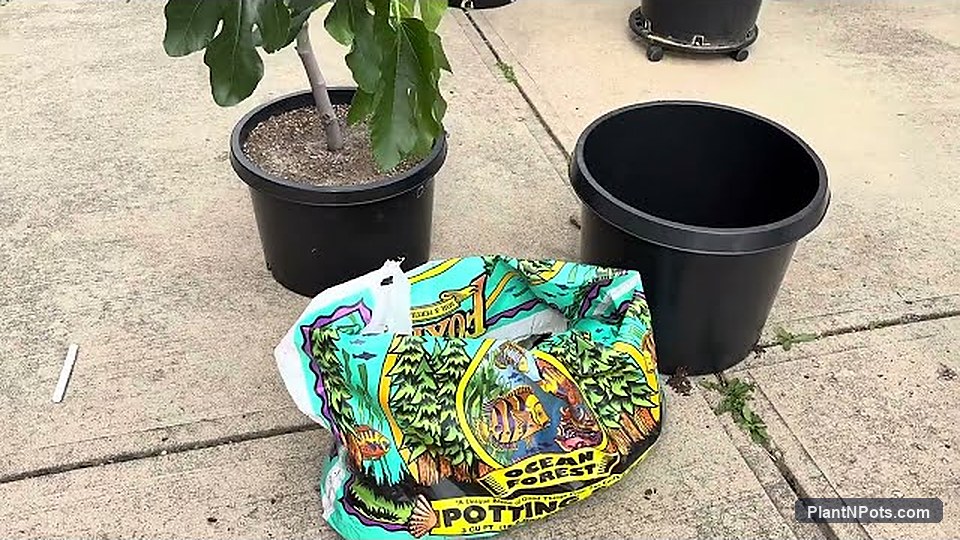
Combine equal parts coarse horticultural sand, aged compost, and quality peat-free organic potting soil. Adding expanded perlite or pumice guarantees exceptional aeration and prevents long-term soil compaction inside the pot.
Maintain a slightly acidic to neutral soil pH ranging between 6.0 and 6.5 for maximum nutrient uptake. Testing your substrate beforehand avoids common mineral lockout issues during the active growing season.
Avoid collecting native backyard soil because it frequently contains weed seeds and soil-borne pathogens. Using sterilized commercial ingredients safeguards your container garden from unexpected pest infestations and fungal diseases.
Fig trees demand a fast-draining substrate to prevent fatal root rot conditions. Combine equal parts of standard potting soil, coarse horticultural sand, and aged pine bark nuggets for ideal structure.
Avoid using dense garden soil from your yard because it compacts severely inside containers. Compacted earth chaps delicate root systems and suffocates the beneficial aerobic bacteria required for healthy growth.
Mix in a handful of organic worm castings to provide slow-release micro-nutrients without burning sensitive roots. This foundational boost supports strong cellular development during the critical post-repotting recovery phase.
Maintain a slightly acidic soil pH between 6.0 and 6.5 to optimize nutrient uptake. You can test your blended substrate easily using a reliable digital soil meter before planting the tree.
- Prioritize rapid drainage and structural aeration.
- Blend compost, sand, and organic potting soil.
- Incorporate perlite to prevent soil compaction.
- Test substrate pH before planting the tree.
Executing the Step-by-Step Repotting Procedure Safely
Gather all necessary tools, including your new container, fresh substrate, pruning shears, and garden gloves. Water your fig tree thoroughly twenty-four hours prior to extraction to lubricate the root ball.
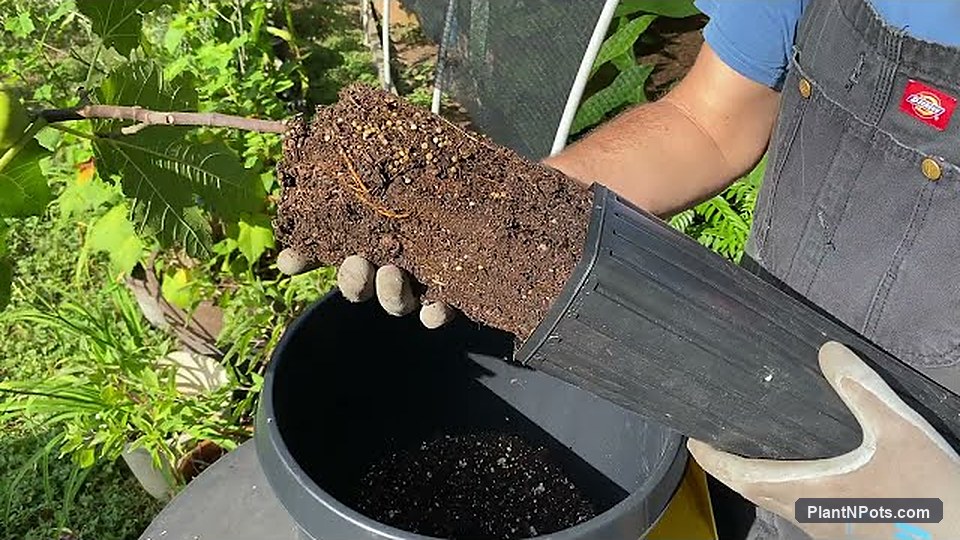
Gently tilt the container sideways and tap the outer rim to loosen the root mass. If the plant resists, run a thin flexible knife around the interior perimeter to break suction.
Tease apart tightly wound outer roots with your fingers to encourage outward radial expansion. Carefully trim away any dark, mushy, or circling roots using sterilized pruning shears to promote fresh branching.
Place a fresh layer of soil mix at the base of the new pot. Position the tree at its original planting depth, backfill around the sides, and press down gently.
Water your fig tree thoroughly twenty-four hours before repotting to hydrate the root ball. Lay the container gently on its side and tap the edges to loosen the tight soil.
Tease apart tightly bound outer roots using your fingers or a clean wooden chopstick. Unraveling these compacted fibers encourages them to grow outward into the fresh surrounding potting mix.
Place a shallow soil layer at the base of your pot. When arranging displays, the [best orange begonia hanging basket](https://plantnpots.com/?p=4870) makes a wonderful companion for your container setup.
Fill the surrounding gaps with your soil mixture, gently tamping down to eliminate large air pockets. Leave an inch of space at the top to make future watering tasks much cleaner.
- Water the plant thoroughly one day beforehand.
- Ease the root ball out without pulling stems.
- Prune away dead, damaged, or circling roots.
- Maintain identical planting depth in the new pot.
Video Walkthrough: Checking on the roots
Managing Root Pruning for Long-Term Maintenance
When your fig tree has reached its maximum manageable container size, root pruning becomes mandatory. This specialized technique allows you to maintain the same pot indefinitely without stunting overall tree health.
Remove the plant from its vessel and shave off the outer perimeter of roots. Trim away roughly one-third of the total root mass using clean, sharp pruning shears.
Simultaneously prune back the upper canopy by a proportional amount to balance reduced root capacity. This reduction prevents the plant from demanding more water than its trimmed root system can supply.
Replenish the container with fresh, nutrient-rich soil mix after completing the root trimming process. Regular maintenance pruning every two to three years keeps container-grown figs productive for decades.
Root pruning becomes necessary when you want to maintain your fig tree at a specific size. Use sterilized pruning shears to trim away no more than twenty percent of total mass.
Cut away any dead, rotting, or excessively thick circling roots to stimulate fresh feeder growth. Clean cuts heal rapidly and prevent opportunistic fungal pathogens from entering damaged plant tissues.
Balance your heavy root pruning by trimming corresponding branches from the upper tree canopy. This proportional reduction prevents the diminished root system from failing to support thirsty foliage.
Regular root management every two to three years prevents container fig trees from becoming rootbound. This disciplined horticultural practice extends the operational lifespan of your favorite potted fruit specimen.
- Commit to root pruning for mature potted figs.
- Shave away the outer third of root mass.
- Prune matching canopy foliage proportionally.
- Refresh container soil during the root trim.
Establishing Post-Repotting Care and Watering Regimes
Immediately after repotting, water your fig tree deeply until moisture flows from the bottom drainage holes. This crucial step settles the fresh soil around the roots and eliminates large air pockets.
Place the newly potted tree in a bright, sheltered location out of harsh direct sun. Providing partial shade for one week minimizes environmental stress while root systems re-establish contact.
Hold off on applying synthetic fertilizers for at least six to eight weeks after repotting. Premature nutrient application can burn tender new root tips that are still recovering from transplant shock.
Monitor soil moisture levels daily by inserting your finger two inches into the substrate. Water only when the top layer feels dry to the touch, preventing fatal root rot conditions.
Water your newly repotted fig tree deeply until moisture flows freely from the drainage holes. This crucial step settles the loose substrate and eliminates hidden air pockets around fragile roots.
Keep the container in a sheltered, partially shaded location for the first ten days. Minimizing direct sunlight exposure reduces foliar transpiration stress while the root system recovers from transplant shock.
Withhold all synthetic fertilizers for at least six weeks to protect recovering roots from chemical burns. Allow the top two inches of soil to dry completely before applying your next watering.
Gradually transition the container back to its full sunlight position once new leaf growth appears. Consistent moisture monitoring during this transition period guarantees long-term health and heavy fruit production.
- Water deeply immediately after potting.
- Provide bright shade for the first week.
- Delay all fertilizer applications for two months.
- Check topsoil moisture daily before watering.
Frequently Asked Questions
How often should I repot a container-grown fig tree?
Young fig trees typically require repotting every one to two years into a slightly larger container to accommodate rapid, vigorous root growth.
Mature specimens can safely remain in the same pot for several years if you perform periodic root and canopy pruning during early spring dormancy to control overall size and maintain structural vitality.
What is the best soil mix for potted fig trees?
Fig trees thrive in a loose, highly porous growing substrate that drains moisture exceptionally well after heavy irrigation.
Combine equal parts aged organic compost, coarse perlite, and quality potting soil while maintaining a slightly acidic pH between 6.0 and 6.5 for optimal mineral nutrient absorption across all active spring and summer growing seasons.
Can I repot my fig tree in the middle of summer?
Avoid repotting your container fig tree during the peak heat of summer because high temperatures cause severe environmental stress and rapid moisture loss.
If an emergency repotting becomes absolutely mandatory, provide heavy shade protection and consistent soil moisture to prevent catastrophic leaf drop during the entire delicate recovery phase.
Should I fertilize my fig tree immediately after repotting?
Never apply concentrated synthetic fertilizers immediately after repotting your fig tree because fresh potting soil already contains adequate foundational nutrients for initial growth.
Wait at least six to eight weeks before feeding to protect tender new roots from severe chemical burn and lingering transplant shock symptoms.
How do I keep a large fig tree in the same pot long-term?
You can maintain a large fig tree in the same container indefinitely by performing strategic root pruning every two to three years during dormancy.
Shave off the outer third of the root mass and trim the upper canopy proportionally to balance water demand and sustain long-term tree health.

