Squirrels frequently disturb container plants by burying nuts or searching for loose, rich potting soil. Our expert guide helps you protect your container gardens using humane, reliable, and physical methods.
Key Takeaway:
Protecting container plants requires combining physical mesh barriers with natural scent deterrents to discourage foraging wildlife. Consistency in daily maintenance ensures long-term success without harming local urban wildlife populations.
Quick-Reference Guide
| Factor / Scenario | Recommended Target | Why It Matters |
|---|---|---|
| Wire Mesh Size | 1/2 inch grid | Blocks paws while letting water through |
| Cayenne Pepper | Dry surface sprinkle | Irritates sensitive paws and noses safely |
| Surface Stones | 1-inch gravel layer | Prevents digging without stopping drainage |
| Plant Selection | Mint and Rosemary | Provides natural aromatic olfactory deterrents |
| Pot Elevation | 4 feet from trees | Prevents jumping access from overhead branches |
| Bone Meal Usage | Avoid completely | Eliminates irresistible organic scent attractants |
Installing Physical Mesh and Wire Barriers
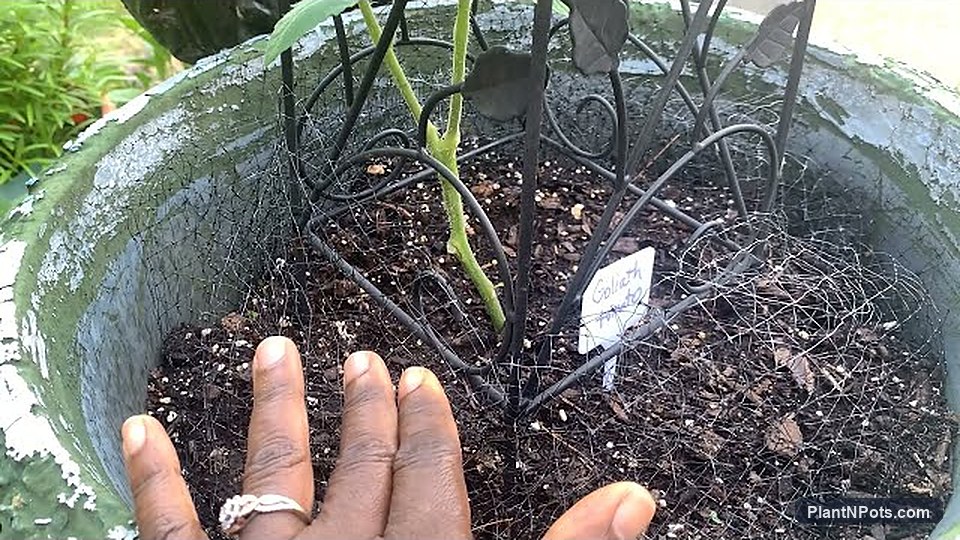
Physical barriers remain the most foolproof defense against persistent urban wildlife. Constructing tight wire cages over your container rims stops digging instantly while permitting healthy root growth.
Cut coated hardware cloth circles to match your pot interior dimensions. Make a central slit for stems and pair them with self-watering flower pots for balanced moisture control.
Alternatively, arrange stainless steel forks pointing upward around the soil perimeter. This low-profile method startles investigating paws without damaging tender plant foliage or stems.
Always inspect installed wire meshes weekly for rust or displacement. Ensure watering spouts or narrow nozzles can still easily pass through the protective metal openings.
- Measure pot diameters precisely before cutting wire mesh sheets.
- Secure chicken wire with heavy-duty gardening twine or zip ties.
- Leave small gaps around thick plant stems for natural expansion.
- Check metal edges for sharp burrs to protect your hands.
Using Plastic Grid Panels
Plastic needlepoint canvases or overhead light grates work wonderfully as soil covers. They let moisture penetrate freely while blocking squirrel claws from disturbing loose mulch.
Snip these lightweight grids into custom geometric shapes matching your decorative containers. Press them firmly just beneath the top soil layer for invisible protection.
- Choose UV-resistant plastics for long-lasting outdoor container use.
- Clean grates seasonally with mild soap and warm water.
Utilizing Natural Scents and Spice Deterrents
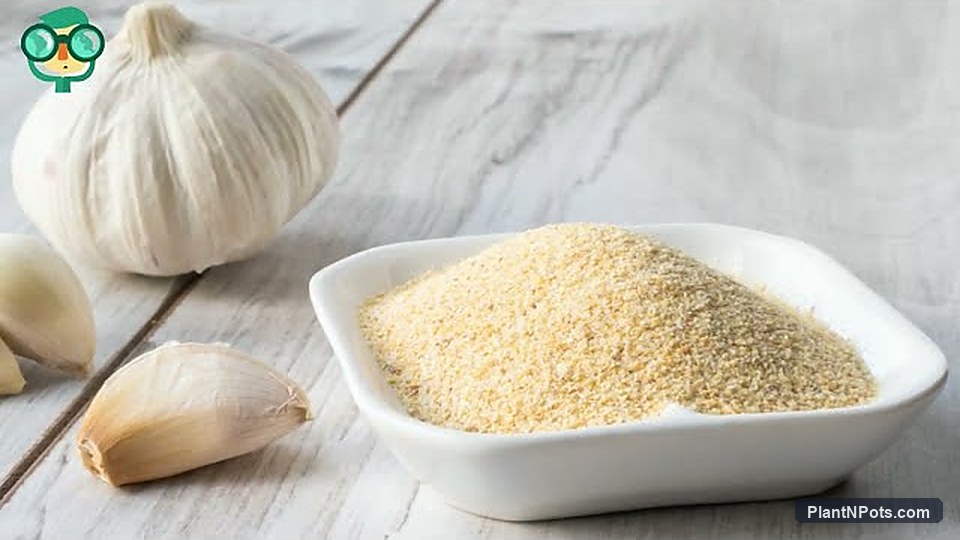
Olfactory deterrents exploit sensitive animal noses to safely repel persistent garden intruders. Pungent kitchen spices create an unpleasant sensory experience that drives critters away quickly.
Sprinkle generous amounts of ground cayenne pepper or red pepper flakes across dry container soil surfaces. Reapply this spicy treatment after every heavy rain event.
Essential oils like peppermint or eucalyptus offer another clean, aromatic layer of defense. Soak cotton balls in concentrated oils and tuck them discreetly beneath container rims.
Avoid using sticky or sugary substances that might attract ants or fungal gnats. Focus strictly on volatile, sharp aromas that mimic predator scents or toxic plants.
- Mix dry cayenne powder with water in a clean spray bottle.
- Refresh cotton balls soaked in peppermint oil every four days.
- Test strong spice mixtures on single lower leaves first.
- Wear protective gloves when handling concentrated hot pepper flakes.
Video Walkthrough: The only squirrel solution
Modifying Container Soil and Surface Top-Dressings
Squirrels love digging in loose potting mixes that mimic natural forest floors. Protect your soil surface, especially when using [durable fig tree containers](https://plantnpots.com/?p=5134), by altering texture with heavy items.
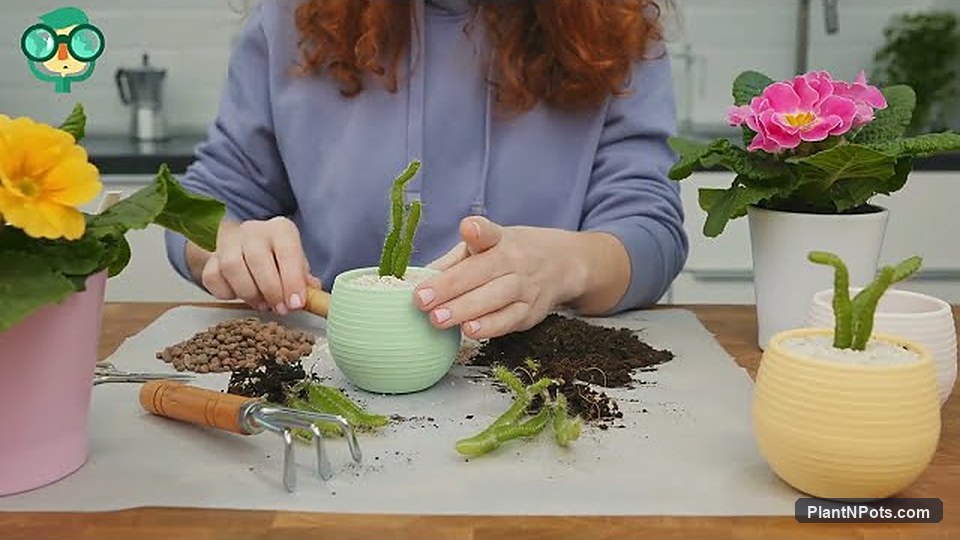
Apply a thick layer of sharp gravel or river stones over your potting soil. Heavy rocks prevent paws from reaching loose soil while still allowing proper drainage.
Avoid using fine wood mulches or bone meal fertilizers in container gardens entirely. Bone meal contains organic scents that act as an irresistible beacon for local wildlife.
Use coarse horticultural sand or crushed pinecones as alternative decorative surface layers. These prickly textures discourage paws without impeding normal oxygen exchange or soil evaporation.
- Layer stones at least one inch thick across pots.
- Omit organic bone meal from all outdoor potting soils.
- Use prickly pinecones closely packed around plant stems.
- Ensure top-dressings do not block container drainage holes.
Selecting Squirrel-Resistant Plants and Flowers
Incorporating specific aromatic herbs and unappealing flowers naturally reduces garden pest pressure. Wildlife generally avoids strong-smelling foliage containing bitter compounds or toxic saps.
Plant robust herbs like rosemary, lavender, and mint inside your vulnerable mixed container arrangements. Their intense essential oils naturally overwhelm sensitive rodent olfactory receptors.
Pair these aromatic herbs with daffodils or marigolds for maximum visual and sensory deterrent effects. Most mammalian herbivores detest the chemical makeup of these resilient spring bulbs.
Monitor your containers regularly to ensure repelling companion plants thrive alongside primary specimens. Prune overgrown stems to maintain strong air circulation throughout the pot.
- Cluster potted mint varieties near expensive floral arrangements.
- Plant daffodils in autumn containers for early spring defense.
- Incorporate pungent marigolds around vegetable patio containers.
- Remove decaying foliage promptly to prevent pest attraction.
Elevating and Repositioning Vulnerable Planters
Changing container placement often eliminates access for climbing wildlife entirely. Upgrading to the best tomato pots with reservoir helps you elevate heavy crops away from foraging pests.
Install tall plant stands or specialized shepherd hooks to suspend lightweight flower baskets securely. Vertical gardening keeps your favorite blooms safely out of jumping range.
Mount railing planters on the interior sides of balconies rather than outside edges. This simple adjustment prevents foraging animals from finding a stable landing platform.
Keep potted plants away from patio furniture, fences, and retaining walls. Wildlife frequently uses these household structures as launching pads to reach elevated container gardens.
- Clear tree branches hanging within four feet of pots.
- Use heavy wall brackets for secure vertical container mounting.
- Place smaller pots on slick, narrow metal plant stands.
- Anchor tall planters securely to prevent tipping over accidents.
Deploying Motion-Activated Decoys and Noise
Startle tactics capitalize on the cautious nature of urban foraging animals effectively. Motion-activated devices deliver harmless surprises that train pests to avoid your patio spaces.
Position small ultrasonic animal repellers near high-traffic container zones on your deck. These electronic gadgets emit high-frequency sounds that humans cannot hear but bother rodents.
Hang shiny metallic ribbons or old compact discs near your prized container arrangements. Sunlight reflections and gentle breezes create unpredictable movement that frightens curious wildlife.
Rotate your decoys and visual scare tactics every few weeks to prevent habituation. Smart critters quickly realize stationary objects pose no actual threat over time.
- Test motion sensors before leaving containers unattended overnight.
- Change ultrasonic frequency settings to deter various animal species.
- Hang lightweight metallic streamers securely from overhead pergolas.
- Combine audio deterrents with physical mesh for best results.
Providing Distraction Feeders Far from Containers
Redirecting wildlife attention toward dedicated feeding stations protects your valuable container gardens. Setting up alternative food sources away from patios satisfies natural foraging instincts safely.
Fill a distant backyard bird feeder with whole corn or sunflower seeds. Place this diversion station far away from your delicate porch flower pots and planters.
Consistency in feeding schedules keeps foraging animals occupied away from your delicate container displays. Ensure diversion stations remain well-stocked throughout peak spring and autumn seasons.
Combine distraction feeding with other deterrent methods for comprehensive property management success. Wildlife behavior management requires patience and multi-layered defensive strategies every season.
- Position distraction feeders near the far property boundary line.
- Use heavy squirrel-proof cages around primary bird feeders.
- Provide fresh water in birdbaths away from patios.
- Clear fallen tree nuts from immediate container gardening zones.
Frequently Asked Questions
Will hot pepper flakes harm my potted flowers or plants?
Applying capsaicin powder directly to dry soil poses zero chemical threat to established container roots or foliage. Always avoid splashing concentrated hot mixtures onto tender open blooms during midday sun.
Can I use coffee grounds to stop squirrels from digging?
While coffee grounds add minor nitrogen to soil, caffeine residues do not reliably deter persistent foraging animals. In fact, wet grounds often encourage mold growth in container setups.
Why do squirrels target my newly repotted flower containers?
Fresh potting mix contains loose, airy organic matter that mimics natural forest caching spots. Furthermore, commercial fertilizers often include animal byproducts that attract hungry urban wildlife.
How high should I elevate my hanging flower baskets?
Suspend containers at least four feet away from vertical walls and overhanging tree branches. This precise clearance prevents rodents from using nearby structures as launch pads.
Do fake plastic owls scare away persistent garden squirrels?
Stationary plastic decoys rarely work unless you relocate them daily to maintain illusions of life. Smart wildlife quickly learns static plastic figures pose zero real danger.

