Master container gardening fundamentals by optimizing your potting soil, container physics, and watering habits. Prevent root rot with professional techniques.
Key Takeaway:
Always combine coarse inorganic aggregates with container pots featuring adequate bottom drainage holes. This single adjustment prevents perched water tables and eliminates chronic root rot.
Soil Drainage Quick-Reference Guide
| Factor / Scenario | Recommended Target | Why It Matters |
|---|---|---|
| Perlite or Pumice Ratio | 20% to 30% by volume | Increases macro-porosity for airflow |
| Drainage Hole Area | At least 5% of pot base | Prevents restriction of gravitational pull |
| Pot Elevation Height | 0.5 to 1.0 inches minimum | Encourages air circulation underneath |
| Organic Matter Limit | Under 60% in heavy mixes | Reduces compaction over growing seasons |
| Potting Mix Porosity | High macropore distribution | Allows rapid movement of excess water |
| Root Zone Moisture | Evenly damp, never soggy | Maintains optimal microbial and root respiration |
Understanding Root Health and Water Dynamics
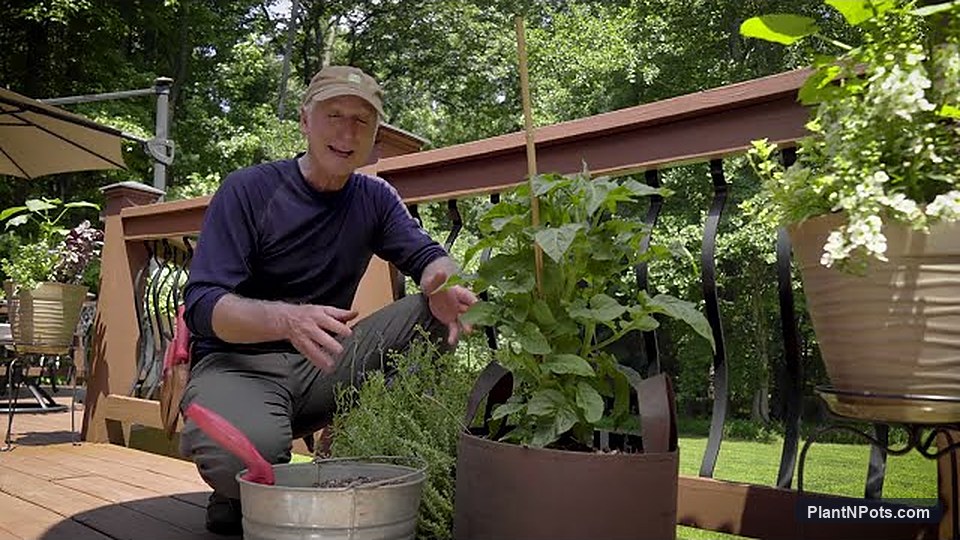
Potted plants require a delicate balance of moisture and oxygen within the root zone. When excess water remains trapped, it displaces vital air pockets and suffocates sensitive root tissue quickly.
Choosing reliable best indoor planters with drainage prevents standing liquid from accumulating. This ensures vital oxygen reaches the root zone to maintain overall plant vigor.
Gravity pulls excess moisture downward, but capillary forces within fine soil particles can counteract this pull. Understanding these physical forces helps gardeners design containers that promote consistent downward drainage.
A perched water table often forms at the bottom of standard pots regardless of overall height. Introducing coarser materials breaks up this barrier and restores healthy moisture gradients across the profile.
- Oxygen depletion systematically kills functional root hairs within forty-eight hours of continuous saturation in dense, poorly aerated container substrates.
- Stagnant water accumulation induces nutrient lockout by altering chemical pH balances across the immediate rhizosphere and surrounding soil particles.
- Understanding pore space distribution allows growers to anticipate how water moves vertically through distinct layers of organic matter.
The Science of Perched Water Tables
Every containerized potting medium features a distinct saturation zone right at its absolute base. This scientific phenomenon occurs because water refuses to exit fine pores until downward pressure overcomes surface tension.
Using shallow containers or overly fine peat mixes exacerbates this physical problem significantly. Adding substantial amounts of coarse amendments helps push this saturation line lower away from sensitive roots.
- Capillary suction keeps moisture suspended against the pull of gravity within fine-textured soils.
- Wider pots disperse the perched water zone over a larger horizontal surface area.
Diagnosing Poor Drainage in Existing Containers
Recognizing early warning signs prevents irreversible damage to your prized container specimens. Surface mold growth and a persistently sour odor often indicate that moisture remains trapped underneath.
Plants experiencing chronic waterlogging exhibit sudden yellowing leaves, wilted stems despite wet soil, and stunted new growth. Inspecting the root ball reveals dark brown tissues that feel mushy.
Water pooling on top of the potting mix for more than a few minutes signals severe compaction. If moisture fails to exit the bottom holes rapidly, immediate remedial action is required.
Checking the saucer beneath your container provides immediate clues regarding drainage efficiency. Standing water lingering in trays for hours proves that drainage rates fall below acceptable thresholds.
- Surface crusting and white mineral salt deposits indicate improper water movement and poor leaching efficiency.
- Fungus gnat infestations thrive exclusively in consistently waterlogged topsoils that lack adequate aeration.
- Root rot produces a distinct sulfurous smell when you slide the plant from its container.
Inspecting Root Health During Routine Care
Transitioning epiphyte specimens into a specialized [best eva solo orchid pot](https://plantnpots.com/?p=2890) improves air circulation. Healthy roots appear firm and white, while compromised roots turn brown and limp.
Trimming away rotted sections before repotting into fresh, fast-draining substrate saves struggling specimens. Always sterilize your pruning shears to prevent spreading pathogens to vulnerable tissues.
- Use clean isopropyl alcohol to wipe cutting blades thoroughly between individual plant cuts.
- Discard severely infected root masses rather than attempting chemical treatments on dead tissue.
Video Walkthrough: 3 Ways to Improve Container Drainage
Selecting the Right Container and Physical Modifications
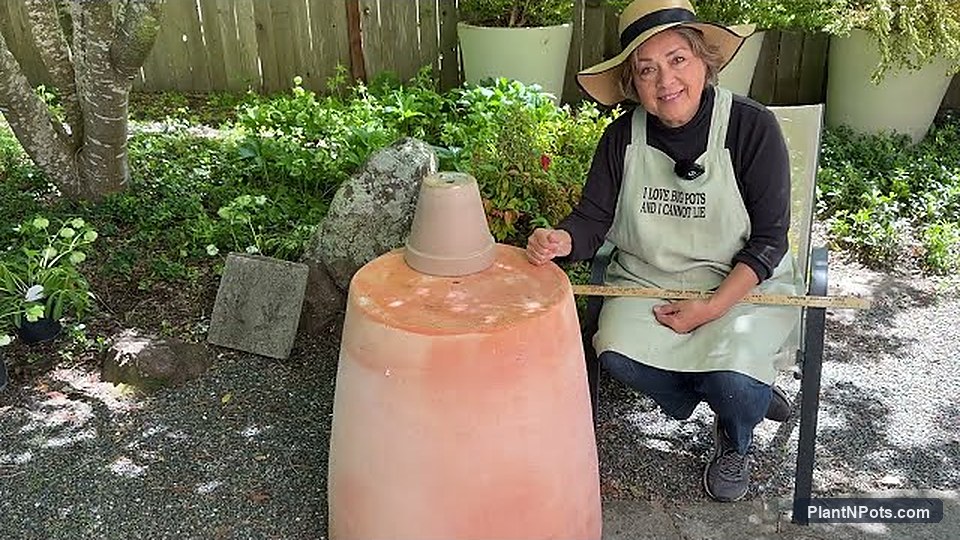
Container selection plays a foundational role in achieving superior water management outcomes. Pots lacking adequate bottom holes force gardeners to fight an uphill battle against standing water accumulation.
Plastic pots retain moisture much longer than unglazed terracotta containers due to material porosity. Selecting breathable materials allows excess water to evaporate through the container walls naturally.
Drilling additional holes into plastic or fiberglass vessels instantly improves overall drainage performance. Use a standard drill bit to create multiple exit points across the base perimeter safely.
Mesh screens placed over large drainage holes prevent soil loss while maintaining maximum water flow. This simple hardware addition stops substrate from washing out during heavy watering sessions.
- Uglazed ceramic pots permit outward evaporation, reducing internal moisture retention across humid seasonal environments.
- Metal containers conduct heat rapidly, which can scorch delicate roots if placed in direct sunlight.
- Always verify that decorative outer cachepots do not trap deep pools of runoff water.
Drilling Additional Holes in Difficult Materials
Ceramic and glazed pots require specialized masonry drill bits operating at low speeds to prevent cracking. Keep the surface lubricated with water while drilling to reduce friction and heat.
Plastic containers accept standard wood or metal bits easily without requiring liquid cooling agents. Always secure the pot firmly before applying pressure to avoid slipping accidents.
- Wear protective safety glasses when drilling through brittle ceramic or terracotta vessels.
- Start with smaller pilot holes before expanding to wider diameter drainage ports.
Amending Potting Media for Superior Flow
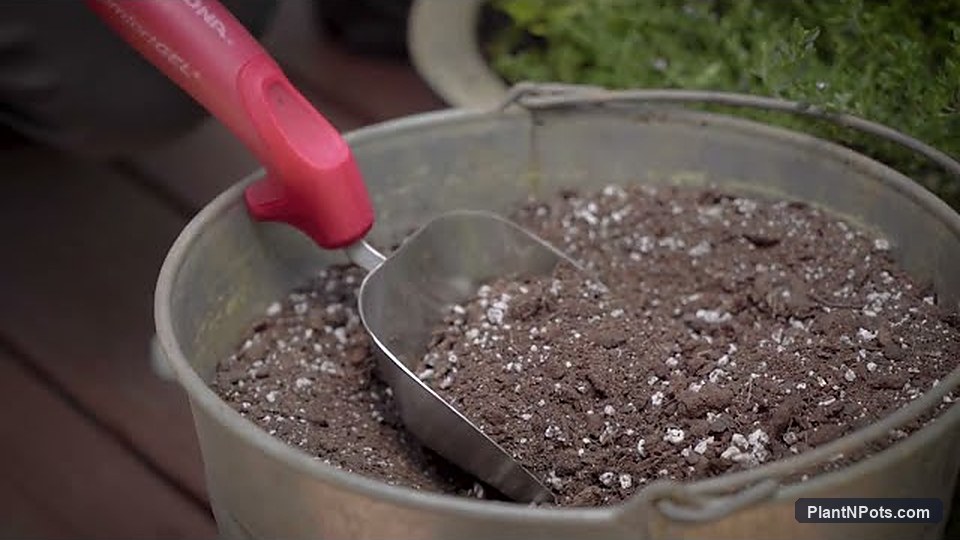
Standard garden soil should never be used inside containers because it compacts severely. Professional potting mixes rely on lightweight ingredients to maintain macropore structure over extended periods.
Incorporate inorganic materials like horticultural perlite, coarse pumice, or expanded clay to maximize internal airflow. These amendments create permanent channels where excess water escapes freely.
Avoid using fine sand, which packs tightly into concrete-like matrices that completely ruin soil porosity. Coarse builder sand or poultry grit offers a much better alternative for heavy mixes.
Adding aged bark chips introduces durable organic matter that resists rapid decomposition. This component supports structural integrity while encouraging rapid moisture migration through the root zone.
- Perlite floats to the surface over time, so mixing it thoroughly throughout the profile is essential.
- Pumice provides exceptional weight for top-heavy plants while maintaining excellent internal drainage channels.
- Composted bark feeds beneficial soil microbes while keeping the substrate loose and permeable.
Formulating a Custom Fast-Draining Blend
Combine equal parts high-quality peat moss, coarse perlite, and aged pine bark for general houseplants. This balanced ratio ensures moisture retention without sacrificing crucial oxygen pockets.
Adjust the formula for desert species by increasing inorganic grit proportions up to fifty percent. Succulents demand immediate water evacuation to prevent fatal stem rot issues.
- Measure ingredients in dedicated buckets to maintain consistent batch ratios every time.
- Moisten dry peat moss slightly before mixing to eliminate dust and ensure even blending.
Debunking Common Layering Myths and Traps
Placing broken pottery shards or gravel at the bottom of pots is an outdated practice. This traditional method actually raises the perched water table and increases root saturation risks.
Physics dictates that water refuses to move from a fine soil layer into coarse drainage layers easily. The moisture simply accumulates at the boundary line, creating a miniature swamp zone.
Modern container gardening science confirms that uniform potting soil drains more efficiently than layered substrates. Eliminating false drainage layers ensures predictable water movement throughout the pot.
Selecting the [best planter for tomatoes](https://plantnpots.com/?p=3573) ensures you have adequate depth for root expansion. Complete substrate uniformity guarantees optimal moisture distribution from top to bottom.
- Gravel layers reduce total root volume by displacing valuable soil space inside smaller containers.
- Capillary breaks only function when specific tension thresholds between dissimilar materials are met correctly.
- Trust modern horticultural research over historical gardening folklore for healthier container plants.
Understanding Capillary Break Disconnects
When fine potting soil sits directly atop coarse stones, water accumulates until saturation is reached. Only then does gravity force the heavy moisture across the boundary gap downward.
This delay exposes lower root zones to prolonged wetness that triggers fungal decay rapidly. Removing gravel layers allows water to transition smoothly out of the medium.
- Water tension holds moisture within fine pores against sudden gravitational pulls.
- Uniform soil blends eliminate unexpected moisture bottlenecks entirely across the container depth.
Elevating Pots and Managing Base Airflow
Even with pristine soil and drilled holes, pots sitting flat on solid surfaces experience restricted outflow. Surface tension can create a vacuum that traps water inside the base.
Using pot feet, bricks, or wooden blocks lifts containers off saucers and patio floors. This essential elevation restores airflow underneath and allows gravity to function properly.
Enhanced ventilation beneath the container speeds up evaporation rates across the bottom drainage ports. Improved air movement prevents mold growth on wooden decks and stone patios.
Ensure your elevation method supports the entire weight distribution of the filled container safely. Sturdy terra cotta feet or metal risers provide dependable support for heavy planters.
- Pot feet prevent stubborn suction locks between drainage holes and flat saucer surfaces.
- Elevated containers discourage crawling pests from taking up residence inside damp base areas.
- Air circulation around the base cools root zones during intense summer heatwaves.
Choosing the Right Pot Risers
Rubber pot risers offer invisible elevation while protecting delicate deck finishes from scratches. They blend seamlessly beneath heavy ceramic or fiberglass containers without drawing visual attention.
Decorative ceramic pot feet complement aesthetic displays while fulfilling critical functional requirements. Ensure three or four points of contact support the container base evenly.
- Space pot risers evenly around the perimeter to prevent tipping hazards.
- Check risers seasonally to ensure they have not sunk into soft soil or gravel.
Implementing Long-Term Water Management Practices
Long-term drainage success depends heavily on adopting disciplined watering habits over time. Allowing the top few inches of soil to dry out protects root health between sessions.
Water thoroughly until excess liquid streams freely from the bottom drainage holes. This flushing action removes accumulated mineral salts and prevents soil toxicity issues from developing.
Never let containers sit in drained runoff water for more than twenty minutes after irrigation. Empty saucers promptly to ensure roots do not reabsorb stagnant waste water.
Periodically aerate compacted surface soil using a wooden chopstick to break up crusts. This gentle action restores surface permeability without damaging underlying root networks.
- Deep, infrequent watering encourages roots to grow downward rather than staying shallow.
- Use moisture meters to verify internal soil dryness before applying additional irrigation water.
- Adjust watering frequencies seasonally based on changing temperature and humidity levels.
Managing Seasonal Watering Adjustments
Plants consume significantly more water during active summer growth phases due to rapid transpiration. Higher evaporation rates mean you will need to irrigate more frequently without risking saturation.
Winter dormancy slows metabolic activity and reduces overall moisture requirements across most species. Cut back watering schedules carefully to prevent accidental waterlogging during cold months.
- Monitor indoor heating systems which can dry topsoil while leaving lower root zones damp.
- Reduce fertilizer applications during winter dormancy to prevent unabsorbed salt buildup.
Frequently Asked Questions
Does putting gravel at the bottom of a pot really improve drainage?
No, placing gravel at the bottom actually raises the perched water table and increases root saturation risks. Modern horticulture confirms that uniform soil drains much better.
How much perlite should I add to my potting mix for better drainage?
Incorporating 20% to 30% perlite by volume creates ideal macropores for airflow. This addition prevents soil compaction and allows excess water to escape rapidly.
Why is water pooling on top of my potted plant's soil?
Surface pooling indicates severe soil compaction or blocked drainage holes underneath the container. Aerate the surface gently or repot into a coarser substrate blend immediately.
How can I improve drainage in a pot that lacks bottom holes?
Drill multiple holes into the container base using a masonry bit for ceramic pots. Alternatively, repot the specimen into a proper container featuring adequate drainage ports.
Why should I elevate my potted plants off the ground?
Elevation breaks surface tension and restores vital airflow beneath the container base. This simple step prevents vacuum locks and ensures unrestricted water outflow every time.

