Learn effective, non-chemical methods to eliminate stubborn pests from your indoor containers. Restore plant health using safe, practical management strategies.
Key Takeaway:
Isolate infested greenery immediately and apply insecticidal soap or neem oil to destroy pests. Maintain proper soil moisture to deter future insect populations.
Quick-Reference Guide
| Pest Type | Primary Indicator | Best Treatment Option |
|---|---|---|
| Fungus Gnats | Flying bugs, wet soil | Allow topsoil to dry |
| Spider Mites | Fine webbing, stippling | Insecticidal soap spray |
| Mealybugs | White cottony masses | Rubbing alcohol swabs |
| Scale Insects | Hard brown bumps | Horticultural oil coat |
| Whiteflies | Flying white clouds | Neem oil and traps |
| General Care | Stressed foliage | Optimal watering routines |
Identifying Common Potted Plant Pests Accurately
Spotting early signs of damage prevents minor insect flare-ups from destroying your prized container specimens. Inspect the undersides of leaves and soil surfaces weekly using a 10x magnifying glass.
Indoor containers often harbor specific pests due to stable room temperatures and low humidity. Recognizing target insects early allows you to select the correct targeted treatment method immediately.
Look for sticky residues, fine webbing, or flying insects around your [evergreen shrubs for pots](https://plantnpots.com/?p=3525) and indoor containers. Proper identification ensures you avoid applying ineffective remedies.
Different species require distinct removal strategies ranging from physical wiping to systemic soil drenches. Always quarantine newly purchased plants for two full weeks before introducing them indoors.
- Inspect leaf joints and stems regularly.
- Check drainage holes for crawling insects.
- Isolate struggling specimens away from others.
- Note unusual leaf yellowing or dropping.
Recognizing Target Insect Species
Spider mites leave stippled foliage while mealybugs produce white, cotton-like masses. Fungus gnats flutter around damp soil surfaces, indicating overwatering issues within your containers.
Scale insects appear as hard brown bumps along woody stems and leaf veins. Whiteflies rise in clouds when disturbed, feeding heavily on tender new growth.
- Watch for fine stippling on leaves.
- Identify sticky honeydew deposits.
Eliminating Pesky Fungus Gnats in Container Soil
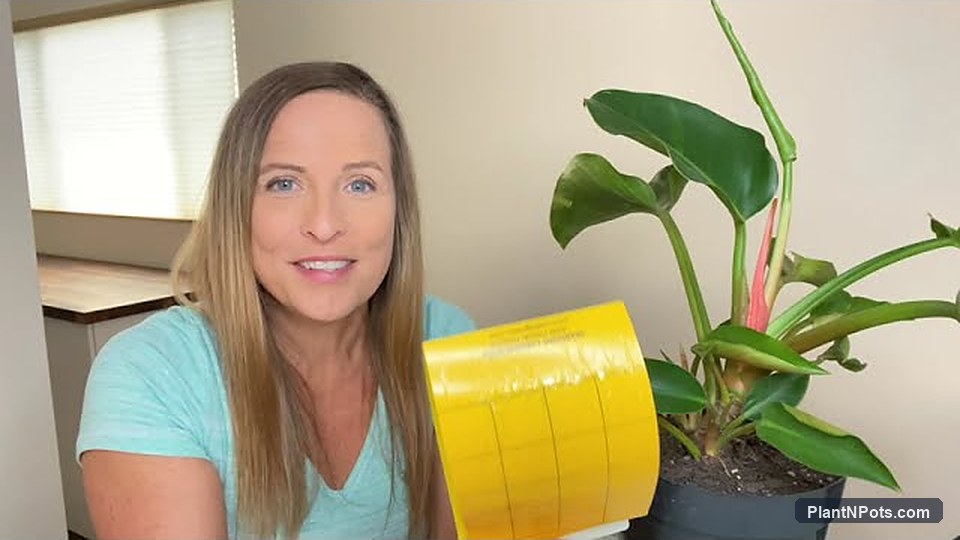
Fungus gnat larvae thrive in constantly wet potting mix rich in organic matter. Allow the top two inches of soil to dry completely between watering sessions to kill larvae.
Yellow sticky cards placed vertically near the soil surface capture flying adult gnats effectively. This interrupts their breeding cycle without harming your delicate container-grown houseplants.
Apply a biological larvicide containing *Bacillus thuringiensis israelensis* directly to your watering can. This naturally occurring bacterium targets gnat larvae safely without affecting plant roots.
Top dressing your [ceramic look plastic pots](https://plantnpots.com/?p=4578) with a thin sand layer stops adult gnats from laying eggs. Ensure your containers feature proper drainage holes to prevent standing water.
- Let topsoil dry out between waterings.
- Use yellow sticky traps for adults.
- Apply mosquito dunks in irrigation water.
- Remove fallen dead leaves from surfaces.
Video Walkthrough: How to Get Rid of Fungus Gnats in Houseplants Potting Soil
Controlling Tiny Spider Mites on Indoor Foliage

Spider mites flourish in warm, dry indoor environments where humidity drops below forty percent. Increase local humidity around your pots by grouping plants together on pebble trays.
Give infested houseplants a thorough rinse in a sink or shower using lukewarm water. This physical blast dislodges webbing and washes away a significant portion of active mites.
Spray foliage thoroughly with ready-to-use insecticidal soap, ensuring complete coverage of leaf undersides. Reapply the treatment every five to seven days to catch newly hatched nymphs.
Avoid high-nitrogen fertilizers that stimulate soft, succulent new growth favored by mites. Regular misting helps deter infestations but must be balanced against fungal disease risks.
- Increase ambient humidity levels.
- Rinse leaves with lukewarm water sprays.
- Apply insecticidal soap to undersides.
- Repeat treatments weekly until clear.
Treating Stubborn Mealybugs and Scale Insects
Mealybugs and scale insects possess protective waxy coatings that shield them from standard sprays. Dab individual bugs using a cotton swab dipped in isopropyl rubbing alcohol to dissolve armor.
For heavy infestations, apply horticultural oils that suffocate both adults and crawling nymphs. Thoroughly coat every stem, joint, and leaf surface during application for maximum effectiveness.
Prune away severely damaged plant parts to reduce the overall insect population safely. Dispose of infested clippings immediately in sealed bags to prevent cross-contamination in your home.
Monitor treated specimens closely for at least three consecutive weeks to catch any survivors. Persistent monitoring remains the cornerstone of successful indoor container pest management.
- Dab visible bugs with rubbing alcohol.
- Spray thoroughly with horticultural oils.
- Prune heavily infested plant sections.
- Monitor plants for three weeks.
Managing Troublesome Whiteflies in Plant Containers
Whiteflies gather on the undersides of tender upper leaves, sucking vital plant sap. Gently shake affected stems near yellow sticky traps to capture startled flying adults instantly.
Apply neem oil sprays during evening hours to avoid burning sensitive foliage under indoor lights. Neem oil disrupts the feeding and reproductive cycles of developing whiteflies naturally.
Introduce beneficial predatory insects if you maintain large indoor sunrooms or greenhouses. Parasitic wasps and ladybugs provide exceptional biological control against stubborn whitefly populations.
Avoid placing container plants in drafty areas where pests easily drift between pots. Clean your growing spaces regularly to eliminate hidden refuges for adult whiteflies.
- Shake stems near yellow traps.
- Spray neem oil in the evening.
- Keep growing areas clean and tidy.
- Inspect upper leaf growth frequently.
Natural Washes and Horticultural Oils for Eradication
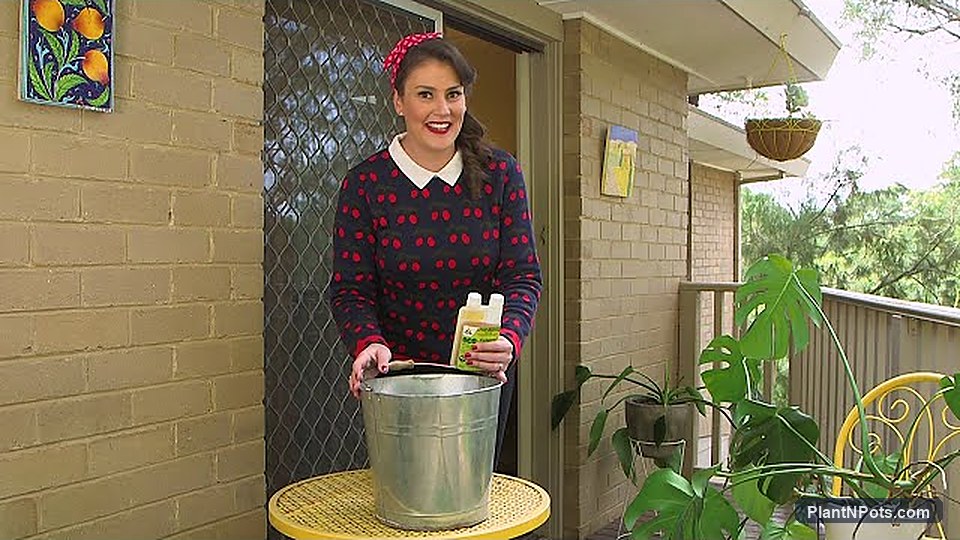
Homemade castile soap sprays offer a safe, non-toxic alternative for managing mild outbreaks. Mix one teaspoon of mild liquid soap with one quart of warm water thoroughly.
Test any homemade or commercial spray on a single hidden leaf first. Wait twenty-four hours to check for phytotoxicity before treating the entire plant specimen.
Horticultural mineral oils coat insects in a thin film, cutting off their oxygen supply. Always apply these oils in moderate temperatures between sixty and eighty degrees.
Never combine sulfur-based sprays with oil treatments, as this chemical reaction causes severe foliage burn. Read all product labels carefully before mixing or applying any compound.
- Test sprays on single leaves.
- Mix castile soap with water.
- Apply oils in moderate temperatures.
- Avoid sulfur and oil mixes.
Preventing Future Infestations Through Better Container Care
Clean container hygiene prevents recurring pest cycles in your indoor garden spaces. Sterilize old pots using a ten percent bleach solution before reusing them for new plantings.
Choose high-quality, pasteurized potting mixes that are free from weed seeds and insect larvae. Avoid purchasing bargain soils stored outdoors in torn or wet bags.
Maintain optimal plant vigor by selecting the [best pot for golden pothos](https://plantnpots.com/?p=4180) and other houseplants. Healthy specimens naturally resist pest attacks much better than stressed ones.
Wipe dust from leaves regularly using a damp cloth to discourage microscopic pests. Dust buildup blocks sunlight and creates a protective microclimate for crawling insects.
- Sterilize pots before reuse.
- Use pasteurized potting soil.
- Wipe dust from leaves weekly.
- Maintain proper plant vigor.
Frequently Asked Questions
How do I know if my potted plant has bugs?
Look closely for sticky leaf surfaces, fine webbing, or tiny crawling insects hiding near the base of the stems and soil line. Inspecting your houseplants weekly with a magnifying glass helps catch early pest infestations before they spread.
Promptly isolating affected containers prevents opportunistic bugs from migrating to healthy neighboring specimens across your indoor living space.
Can I use dish soap to get rid of plant bugs?
Standard household dish soaps contain harsh detergents that easily strip protective leaf cuticles and cause severe chemical damage. Always select pure insecticidal soaps or gentle castile formulations for safe indoor plant pest control.
Diluting these specialized solutions correctly prevents foliage burns while effectively suffocating soft-bodied insects upon direct contact across your collection.
Should I repot an infested plant with fresh soil?
Repotting is rarely necessary unless severe root damage or soil-borne pests like gnat larvae completely overwhelm the container. Gently brushing away old contaminated soil and rinsing roots usually resolves moderate problems.
If you must repot, thoroughly wash the original container with a disinfectant solution before planting it back with fresh, pasteurized potting mix.
How often should I apply neem oil to house plants?
Apply ready-to-use neem oil sprays every seven to fourteen days until the active pest population is completely eradicated. Always perform treatments during evening hours to prevent leaf scorching under indoor lights.
Continuing applications for at least three consecutive weeks ensures you destroy newly hatched nymphs before they reach maturity and reproduce.
Why do my indoor container plants keep getting pests?
Indoor pests usually enter your home via newly purchased plants, open windows, or contaminated potting soil mixes. Maintaining low indoor humidity or overwatering containers also creates ideal conditions for specific insects.
Quarantine new additions for two weeks and adjust your watering habits to drastically reduce recurring insect outbreaks in your home.

