Mastering container dimensions ensures healthy roots and vibrant growth. This guide breaks down exact measurements for every plant type.
Key Takeaway:
Always select a pot that is two inches larger in diameter than your current root ball to prevent root rot while allowing steady expansion.
Quick-Reference Guide
| Factor / Scenario | Recommended Target | Why It Matters |
|---|---|---|
| Small Houseplants | 4 to 6 inches | Prevents overwatering in compact root systems |
| Medium Shrubs | 10 to 12 inches | Provides adequate weight and ballast |
| Trailing Plants | 8 to 10 inch basket | Accommodates dense surface root growth |
| Deep Root Vegetables | 14 to 16 inches | Allows unobstructed downward taproot development |
| Nursery #1 Gallon | 6 to 7 inches actual | Matches standard commercial growing volumes |
| Metric Medium Pot | 20 cm (approx 4L) | Aligns with European container sizing standards |
Understanding Flower Pot Dimensions and Measurement Standards
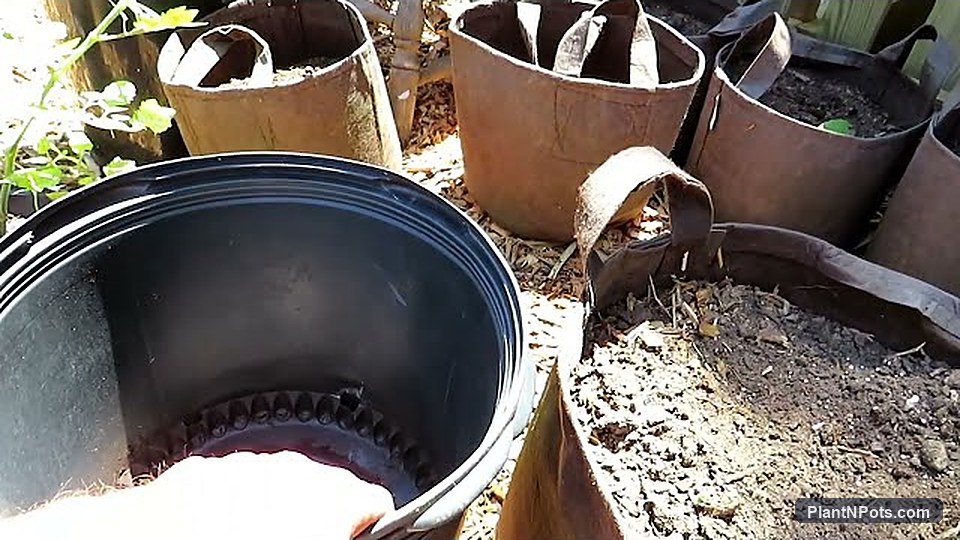
Container gardening relies heavily on precise measurements. Manufacturers typically measure pots by their top inner diameter, which dictates how much potting mix the container will hold.
Measuring this diameter accurately ensures a proper fit when you transition plants into self watering flower pots. Always account for rim thickness before checking interior depth requirements.
Depth is measured vertically from the interior soil line down to the drainage hole. Standard pots feature equal width and depth, providing balanced room for root development.
Always verify the interior volume rather than exterior dimensions. Thick-walled ceramic or concrete containers can deceive you regarding usable space for delicate root systems.
When measuring flower pots, always check the top inside diameter rather than the exterior rim. This interior measurement ensures you account for the actual soil volume available for root expansion during the growing season.
Standard manufacturing tolerances mean nominal sizing can vary slightly between injection-molded plastic and traditional terracotta. Always verify depth specifications because vertical root zones dictate drainage behavior and moisture retention across different porous materials.
Drainage hole configuration is equally vital when evaluating standard pot dimensions. Industry standards require at least one central aperture, but larger containers perform best with multiple drainage ports to prevent saturated soil profiles.
Temperature fluctuations impact containerized root zones rapidly. Dark-colored plastic pots absorb intense solar heat, potentially cooking delicate feeder roots, while breathable clay alternatives moderate temperatures naturally through evaporative cooling mechanics.
- Measure across the inner top rim using a rigid metal tape measure to ensure absolute accuracy when buying new replacement containers for indoor foliage.
- Check the vertical depth from the soil surface to the drainage grid to match specific root architecture requirements of your chosen flowering species.
- Account for wall thickness on heavy clay or stone planters which can reduce usable internal root space by up to two full inches.
- Document your measurements in a dedicated gardening journal to track container capacities and soil volume requirements across all successful seasonal repotting projects.
Measuring Tapered Containers
Tapered pots narrow significantly toward the bottom base. This structural design improves stability but reduces the overall soil volume available for deep root systems significantly.
Calculate your soil requirements by averaging the top and bottom diameters. This geometric adjustment prevents purchasing excess potting mix during major container gardening undertakings.
- Measure the narrow base diameter to calculate overall container stability in windy outdoor environments where tall plants face severe tipping hazards.
- Multiply average diameter by container depth to estimate precise potting soil quantities needed for filling tapered decorative urns and planters.
Nursery Gallon Containers Versus Retail Inches
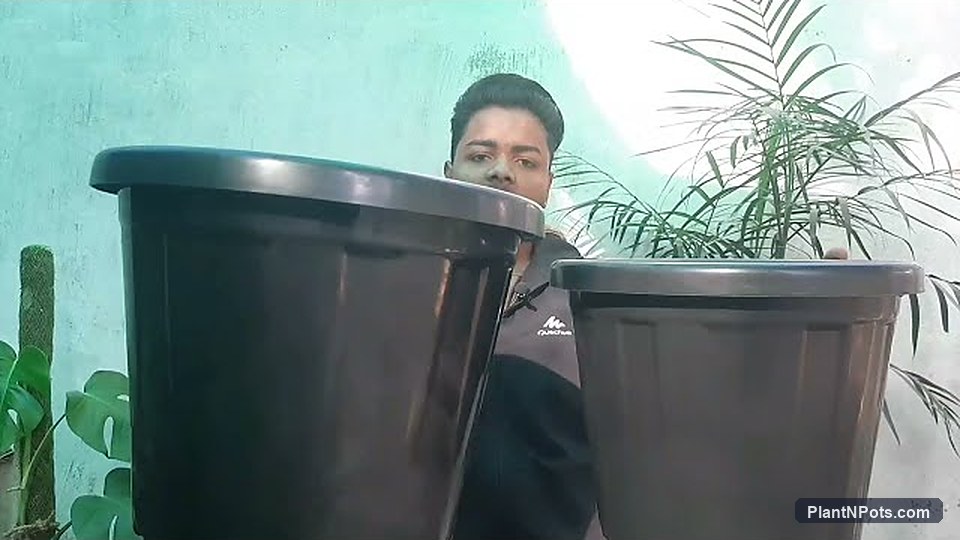
Commercial nurseries use a specialized trade-gallon system. A standard #1 nursery gallon pot actually holds roughly three quarts of soil rather than a true dry gallon.
Retail flower pots are sold by exact inch measurements. Transitioning plants from nursery containers to decorative pots requires understanding this volume discrepancy to prevent planting shock.
A standard trade one-gallon container typically measures about six inches across the top. Knowing this conversion helps you select appropriately sized decorative ceramic cachepots easily.
Larger trade containers scale similarly for various species. Finding the [best pot for majesty palm](https://plantnpots.com/?p=4198) specimens requires similar dimensional awareness since palms demand adequate vertical root clearance to thrive indoors.
Commercial horticulture relies on the nursery gallon, which actually holds roughly three-quarters of a liquid US gallon. Understanding this discrepancy prevents over-purchasing soil when transplanting crops into true volumetric containers.
Retail measurements typically reference linear inches across the top diameter. Transitioning a plant from a six-inch retail pot to a standard one-gallon nursery container represents a significant step up in total growing capacity.
Navigating these distinct sizing systems requires careful calculation of root ball dimensions. Never judge a pot solely by its label height, as tapered designs alter the true volume available for healthy root expansion.
When scaling up, ensure the new container exceeds the old root mass by just one or two inches. This gradual transition prevents excess wet soil from causing root rot pathogens.
- Recognize that a trade gallon equals roughly 0.75 US liquid gallons, which affects how much soil you need to purchase for transplants.
- Match a standard #1 nursery pot to an 8-inch decorative container to ensure adequate airspace and proper drainage clearance at the base.
- Avoid assuming gallon numbers reflect exact liquid capacities when ordering bulk soil blends for large commercial nursery stock container gardening projects.
- Measure actual top diameters of nursery stock using a reliable tape measure rather than relying solely on trade designation labels stamped on plastic.
Video Walkthrough: Pot Size Perfection: Maximize Your Vegetable Garden’s Potential!
Standard, Azalea, and Bulb Pan Pot Depths
Container classification relies heavily on proportional depth ratios. A standard flower pot features a height equal to its top diameter, making it ideal for general foliage.
Azalea pots are classified as three-quarter pots. Their height equals roughly three-quarters of their top diameter, suiting shallow-rooting plants like azaleas and rhododendrons.
Bulb pans are extremely shallow containers, with heights measuring about half their top diameter. They provide exceptional surface area for crowding spring bulbs together densely.
Selecting the correct depth prevents moisture retention issues. Excess soil in overly deep pots often stays wet too long, causing severe root rot in shallow species.
Standard flower pots feature a depth roughly equal to their top diameter. This balanced geometry suits most houseplants, herbs, and ornamental flowers that require moderate root runs without excessive moisture retention.
Azalea pots, sometimes called three-quarter pots, offer a shallower profile where height equals three-quarters of the diameter. They accommodate plants with shallow root systems like azaleas, camellias, and certain succulent varieties.
Bulb pans are even shallower, featuring a depth typically half their diameter. Gardeners use these specialized containers for forcing spring bulbs, starting shallow-rooted seedlings, or growing dense groupings of alpine plants.
Selecting the correct depth prevents the bottom soil layer from remaining permanently saturated. Proper matching of pot profile to root architecture reduces maintenance headaches and eliminates common overwatering mistakes.
- Use standard pots for aggressive vertical rooters like tomatoes and large indoor palms requiring substantial vertical soil depth.
- Choose azalea pots for fibrous-rooted perennials that spread outward rather than plunging straight downward into heavy damp soil layers.
- Plant dense groupings of tulip or daffodil bulbs in shallow bulb pans to maximize aesthetic floral impact during spring displays.
- Match container depth to root architecture strictly to avoid stagnant moisture pockets forming beneath short root systems in oversized pots.
Navigating Metric Pot Sizes in Centimeters and Liters
International plant pots use metric units exclusively. A standard European pot label lists diameter in centimeters alongside volume capacity measured in liters for precise gardening calculations.
Convert centimeter diameters to inches by dividing by 2.54. A common 20-centimeter pot translates directly to roughly eight inches across the top rim.
Liter measurements indicate total soil capacity. A 5-liter pot holds slightly more than one dry gallon, guiding your exact potting mix purchases for imported containers.
Understanding metric sizing expands your container options. Many high-end artisan ceramic pots originate from overseas manufacturers utilizing standard metric dimensional scales exclusively.
International plant care standards rely heavily on the metric system, measuring pot diameters in centimeters. A standard ten-centimeter pot roughly equals a four-inch container, providing an easy conversion rule for imported botanicals.
Liter measurements denote internal volume rather than linear dimensions. While US nursery gallons track approximate liquid volume, metric liters offer precise substrate capacity calculations for commercial growing substrates.
When purchasing specialized soil mixes packaged in liters, matching them against container capacities prevents waste. A three-liter pot requires slightly less than three dry liters of soil due to root ball displacement.
Familiarizing yourself with centimeter thresholds helps when sourcing trendy European ceramic planters. Always check the inner rim measurement rather than the decorative outer edge to ensure correct plant fit.
- Divide centimeter dimensions by 2.54 to quickly determine imperial inch equivalents when shopping for imported European ceramic planters.
- Use liter capacities to calculate precise fertilizer and amendment ratios per container during heavy growing season maintenance routines.
- Verify metric volume stamps on plastic nursery containers to ensure accurate soil replenishment during annual container plant repotting cycles.
- Keep a simple conversion chart near your potting bench to effortlessly bridge imperial and metric container measurements during gardening tasks.
The Critical Rule for Sizing Up Your Plant's Container
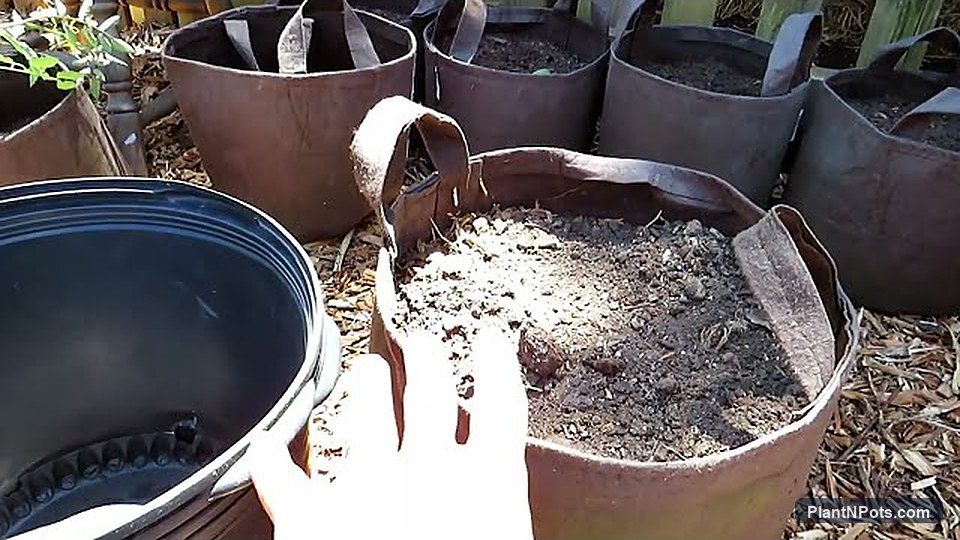
Knowing when to transition a plant into a larger container prevents root binding. The gold standard rule is increasing pot diameter by two inches.
Jumping to an excessively large pot creates danger. Surplus soil retains moisture too long, encouraging fungal pathogens and fatal root rot in sensitive houseplants.
Examine your root ball carefully during repotting. If roots circle tightly around the perimeter in a dense mat, your plant urgently requires a larger vessel.
Slow-growing mature specimens may only need a size upgrade every three to five years, whereas vigorous young vines demand annual container adjustments.
The golden rule of repotting dictates moving up only two inches in diameter at a time. Jumping from a four-inch pot directly to a ten-inch container introduces excess wet soil that causes root rot.
Oversized containers hold too much moisture because root systems cannot drink fast enough. This leads to stagnant conditions, fungal gnats, and severe oxygen deprivation within the newly added potting mix.
Choosing indoor planters with drainage prevents standing water from suffocating fragile roots. When signs of overcrowding appear, upgrading to a slightly larger vessel is essential for long-term health.
Timing matters significantly when executing container upgrades. Perform repotting tasks during early spring when active growth hormones kick in, allowing plants to recover swiftly from transplant shock.
- Increment pot diameters by two inches max to prevent overwhelming delicate root systems with excessive moisture-holding soil volume.
- Inspect drainage holes for escaping roots as a primary indicator that your plant has exhausted its current nutrient and space limits.
- Tease apart tightly circling root balls gently before placing specimens into fresh soil within the newly selected larger container.
- Delay upsizing if your plant is currently blooming heavily, as container shock can cause premature flower drop and stress foliage.
Matching Common Plant Varieties to Ideal Pot Sizes
Different botanical families demand specific container dimensions. Small succulents thrive in compact four-inch pots, which dry out quickly between watering sessions to prevent rot.
Medium tropical foliage plants like monsteras require ten to twelve inch containers to support their heavy stems and sprawling aerial root networks effectively.
Large statement trees demand heavy ceramic or wooden planters measuring at least sixteen inches across to provide adequate ballast against tipping over.
Shallow-rooted herbs flourish in rectangular window boxes or wide bowls, maximizing surface area for rapid leaf harvesting throughout the active growing season.
Heavy root-feeders like monsteras and fiddle leaf figs thrive in larger twelve to fourteen-inch containers once mature. However, starting juvenile cuttings in massive pots will inevitably cause chronic overwatering damage.
Delicate epiphytes like orchids prefer surprisingly snug environments. Planting an orchid in a vast decorative container traps moisture around thick roots, leading to rapid decay and plant failure.
Succulents and cacti require shallow pots with exceptionally fast-draining mineral soils. Their modest root systems perform brilliantly in small terra cotta bowls that dry out completely between watering cycles.
Trailing houseplants such as pothos and philodendrons adapt well to medium six to eight-inch hanging baskets. Their root structures expand moderately, filling the interior volume before cascading into luxuriant foliage.
- Plant small succulents in shallow four-inch unglazed terracotta pots to ensure rapid evaporation and prevent fatal crown rot issues.
- Provide monsteras and large philodendrons with sturdy twelve-inch containers equipped with heavy drainage saucers to manage vigorous root expansion.
- Grow culinary herbs like basil and thyme in wide, shallow containers that accommodate spreading surface roots without trapping excess moisture.
- Anchor tall indoor small trees in wide base containers to maintain structural balance and prevent accidental toppling in busy rooms.
Selecting Proper Hanging Baskets and Specialty Planters
Hanging baskets require unique sizing considerations. Standard trailing floral baskets usually measure ten to twelve inches across to support cascading plant weight safely overhead.
Consider the total loaded weight of hanging containers. Wet soil and lush trailing vines can easily exceed standard ceiling hook weight capacity limits.
Wall-mounted planters and half-baskets feature flattened backs. Their unique geometry requires careful soil volume calculations to ensure adequate moisture retention for summer annuals.
Self-watering planters incorporate built-in bottom reservoirs. These specialty containers require specific soil depths to draw moisture upward effectively via natural capillary action.
Hanging baskets require careful weight management alongside correct pot sizing. Plastic hanging bowls retain moisture longer than traditional wire frames lined with porous coconut coir, altering your watering schedule.
Self-watering planters feature an integrated bottom reservoir that draws moisture upward via capillary action. These specialty containers suit thirsty plants like ferns but demand careful monitoring to prevent anaerobic conditions.
Wall-mounted pockets and vertical living planters present unique dimensional challenges. Their restricted soil depth means you must select drought-tolerant trailing varieties that tolerate compacted root zones.
Always verify weight capacities before hanging large ceramic or fiberglass planters from structural hooks. Safety hardware must support the combined weight of the pot, saturated soil, and mature plant growth.
- Hang ten-inch baskets using heavy-duty steel brackets rated to support fully saturated soil weight during heavy summer rainstorms.
- Line wire hanging baskets with thick natural coconut coir mats to retain essential moisture while maintaining optimal aeration for roots.
- Choose self-watering reservoirs for vacation homes or office buildings to maintain consistent moisture levels without daily manual watering tasks.
- Inspect hanging basket chains and swivel hooks seasonally for rust or structural fatigue to prevent catastrophic failures in public spaces.
Frequently Asked Questions
How do I measure an oddly shaped flower pot?
Measure the widest point of the top inner rim using a rigid metal tape measure to find the true functional diameter.
Next, place your measuring tape vertically from that top inner rim straight down to the bottom drainage hole to determine the exact internal depth of your unique container.
What happens if I plant a small plant in a pot that is too big?
Placing a small plant in an oversized pot frequently leads to fatal root rot because excess soil holds moisture far too long.
The root system cannot absorb the water quickly enough, creating a soggy, oxygen-depleted environment that suffocates delicate growing tips.
Are nursery trade gallon pots the same size as literal gallons?
Commercial nursery trade gallons are actually smaller than true liquid gallons, typically holding about three quarts of potting mix. A standard #1 nursery trade container generally measures approximately six inches across its top rim rather than a full twelve inches.
How often should I repot my houseplants into a larger size?
Fast-growing young houseplants usually require a two-inch size upgrade every single spring to accommodate rapid root expansion. Slower-growing mature specimens only need container refreshment or resizing every three to five years.
Why are azalea pots shallower than standard flower pots?
Azalea pots are classified as three-quarter pots because their height equals roughly seventy-five percent of their top diameter. This specific shallow design matches the fibrous, outward-spreading root systems of azaleas and rhododendrons, preventing excess damp soil from accumulating below.

